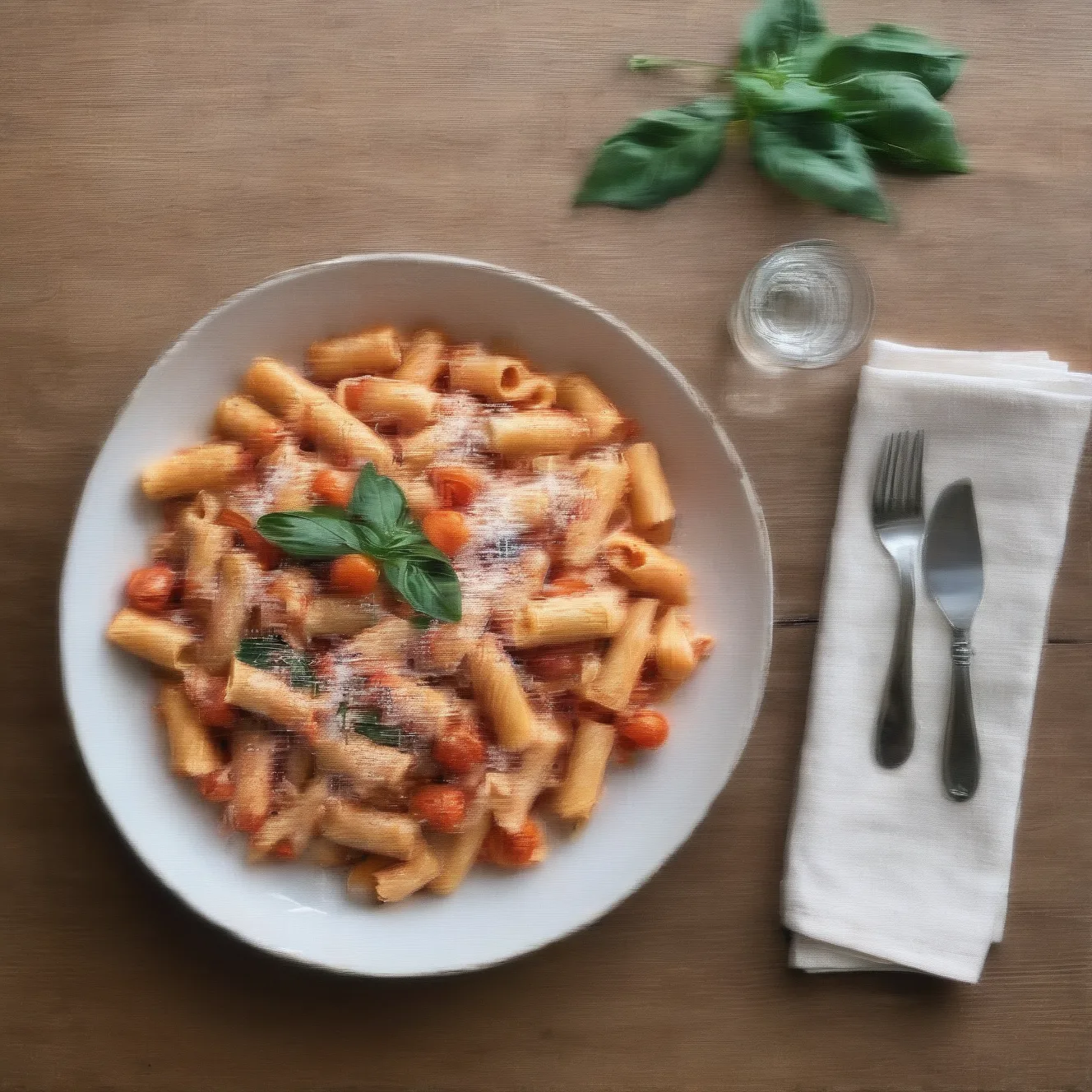
In January 2021, a Finnish TikTok creator posted a video of something called Uunifetapasta — oven-baked feta pasta — and within six weeks, grocery stores in Finland, the United States, and across Europe were literally running out of block feta cheese. The recipe behind that shortage is this one. Finnish food blogger Jenni Häyrinen created it in 2019, and it remains the only food recipe in documented history to cause measurable global supply-chain disruption. As of mid-2026, the hashtag #fetapasta has accumulated over 650 million views on TikTok alone.
This guide breaks down exactly why it works, what mistakes to avoid, and how to get the silkiest sauce possible every time.
Why It Works (The Real Explanation)
The dish tastes far more complex than its four core ingredients suggest. Here’s what’s actually happening in the oven:
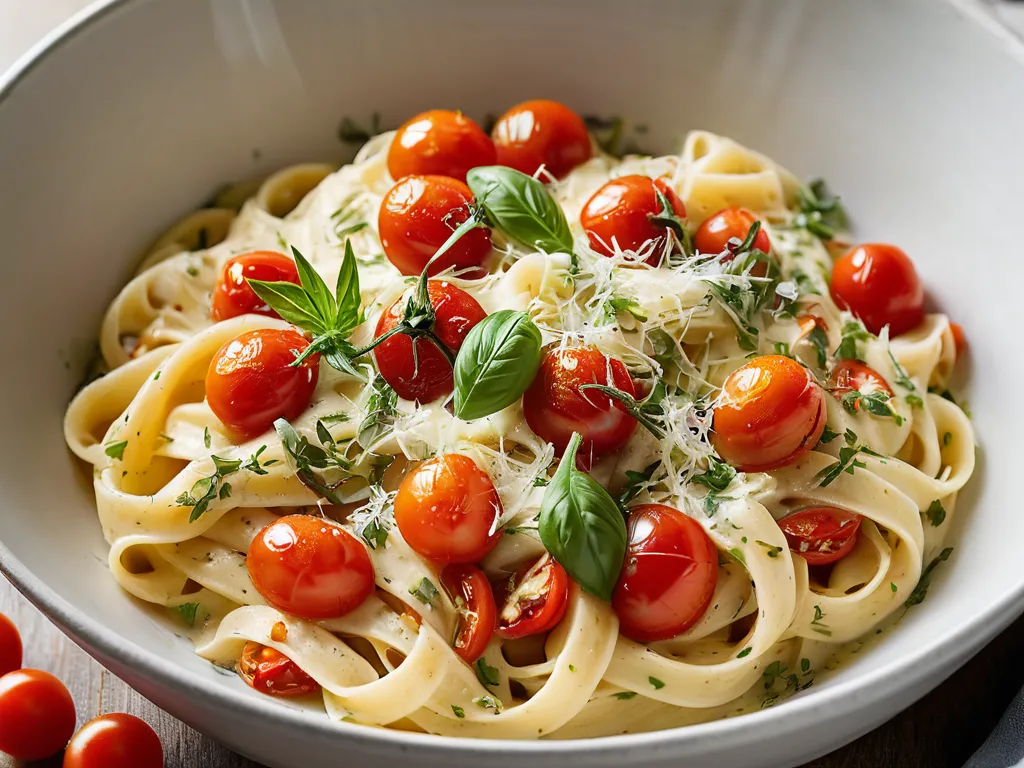
The cherry tomatoes blister and burst, releasing their juice and concentrated sweetness. That liquid mingles with the olive oil and the feta’s brine as it pools in the bottom of the dish. The feta block simultaneously softens and loses its crumbly structure — at 400°F, the cheese proteins relax and the fat renders, turning the block into something closer to a thick, spreadable cream. When you mash it into the tomato-oil mixture, the fat emulsifies with the tomato juice to form a sauce that’s simultaneously briny, sweet, and rich.
The garlic roasts in the same oil and becomes mellow and jammy rather than sharp. The red pepper flakes bloom in the olive oil during baking. By the time you toss in the pasta, the sauce is already built — you’re just coating the noodles.
The Block Feta Rule
This is the single most important technique note: use block feta packed in brine, not pre-crumbled feta from a resealable bag.
Pre-crumbled feta is intentionally dried out for shelf stability. It often contains anti-caking agents that prevent smooth melting. When you bake it, you get a grainy, separated result that looks and tastes nothing like the viral TikTok videos.
Block feta retains the moisture from its brine, which is exactly what turns into creaminess in the oven. For the best flavor, choose Greek feta made from sheep’s milk — it’s richer, less tangy, and melts more smoothly than domestic cow’s milk feta. Look for a PDO (Protected Designation of Origin) label.
Don’t Overbake
Thirty to 35 minutes at 400°F is the window. Past 35 minutes, the feta starts to dry and firm up rather than staying soft. You want the block to look golden at the edges and yielding in the center — press it gently with a spoon after 30 minutes; it should feel soft and give slightly.
The 3-Minute Rest
Pull the dish from the oven and let it sit for 3 minutes before mashing. This is not optional. During baking, the olive oil separates and pools around the feta. The rest period allows the oil to seep back into the cheese, which is what makes the sauce glossy and cohesive rather than oily.
The Salt Rule
Taste the finished dish before adding any salt. Feta is one of the saltiest cheeses in common use — and you’re using a whole block of it. Most people find the dish perfectly seasoned without any added salt, especially if using pasta cooked in well-salted water. Add flaky salt only if it genuinely needs it. Over-salting is the most common mistake in this recipe.
The Pasta Water Secret
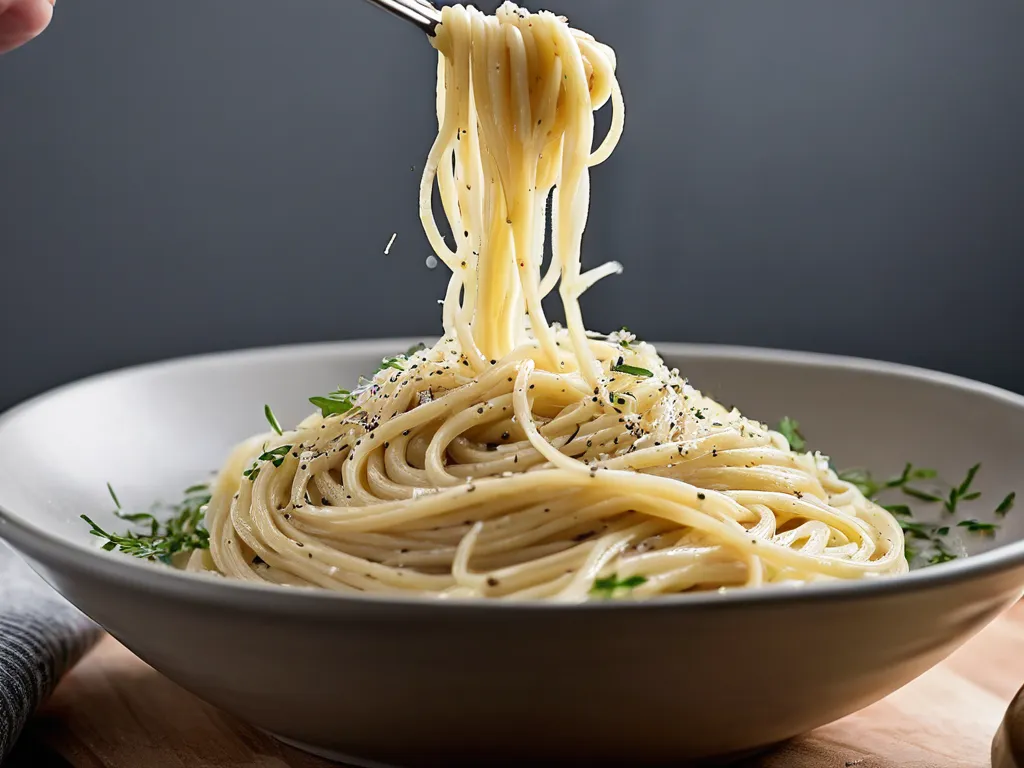
This is borrowed from Italian technique and it matters here. Before draining your pasta, scoop out at least half a cup of the starchy cooking water. When you toss the pasta with the mashed feta-tomato sauce, add the pasta water a splash at a time and stir. The dissolved starch acts as an emulsifier — it binds the olive oil, tomato juice, and feta into a silky, cohesive coating rather than a greasy, separated mess. Don’t skip this step.
Cost Breakdown
| Ingredient | Approximate Cost |
|---|---|
| 1 block feta (7–8 oz) | $4–6 |
| 1 pint cherry tomatoes | $3–4 |
| 12 oz pasta | $1.50–2 |
| Olive oil (portion) | $0.75 |
| Garlic, basil, spices | $0.75 |
| Total (4 servings) | ~$10–13 |
| Per serving | ~$2.50–3.25 |
Restaurant pasta dishes with comparable richness run $18–26. This is a weeknight dinner at pantry-meal cost.
Variations
Boursin pasta (slightly richer): Swap the block feta for a 5 oz package of Boursin garlic and herb cheese. It melts even more smoothly than feta and comes pre-seasoned. Less briny, more buttery. See the viral TikTok Boursin pasta for the dedicated version of this approach.
Spicy version: Double the red pepper flakes and add a sliced Calabrian chili or a teaspoon of chili crisp to the baking dish. Finish with the chili oil at the table.
Mushroom variation (winter): In months when cherry tomatoes are out of season and bland, replace half the tomatoes with sliced cremini mushrooms, add a sprig of fresh thyme, and toss in a handful of baby spinach when you add the pasta. The mushrooms release umami that compensates for the missing tomato sweetness.
With protein: Add Italian sausage removed from casings (broken into pieces, scattered around the feta before baking) or roasted chickpeas (add at the pasta-tossing stage so they stay crispy). Both work well without altering the bake time.
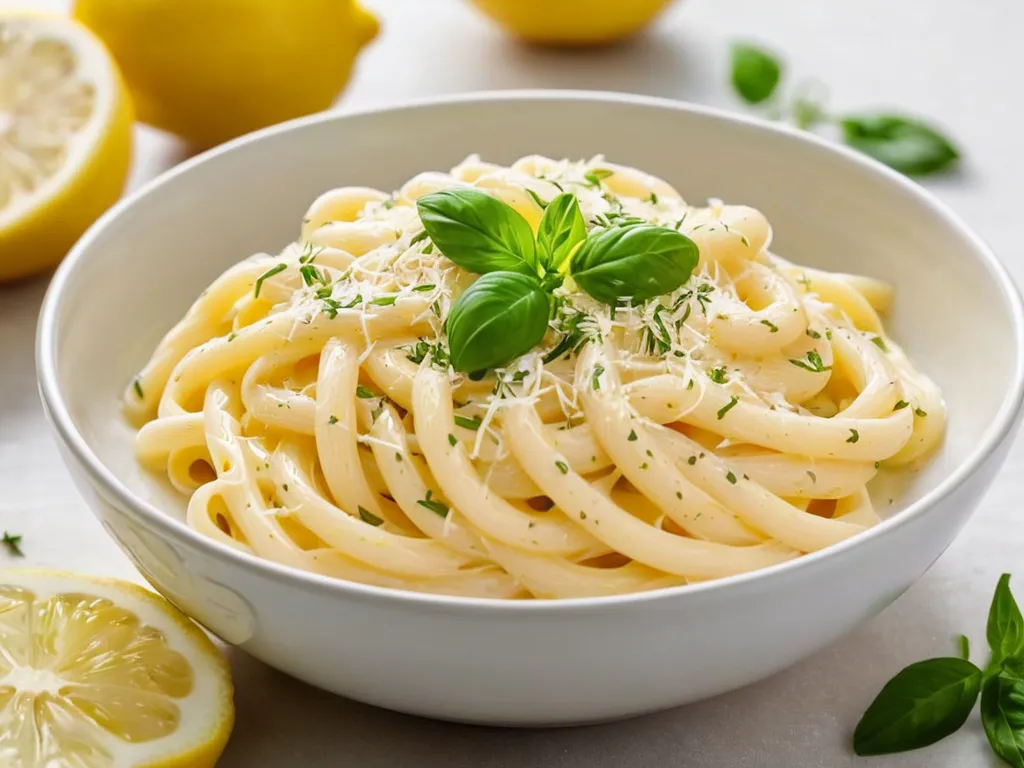
Lemon finish: Squeeze half a lemon over the finished dish. The acid brightens the richness and gives the sauce a lighter character — this is especially good in summer. Pairs well with the viral TikTok creamy lemon pasta technique of adding the lemon juice off heat.
Storage and Reheating
Fridge: Store leftovers in an airtight container for up to 3 days. The sauce will thicken and the pasta will absorb the remaining liquid as it chills.
Reheating: Add 2–3 tablespoons of water or chicken/vegetable broth to the container before microwaving. The starch in the pasta and the feta tend to seize up when cold — the extra liquid restores the saucy consistency. Stir halfway through reheating.
Freezing: Not recommended. The feta-tomato sauce breaks when frozen and thawed, turning grainy and separated. This is a make-and-eat dish — the ingredient cost is low enough that making it fresh each time is the better call.
More Viral TikTok Pasta
If this one landed right, these are the other pasta recipes that racked up millions of TikTok views:
- Viral TikTok spicy vodka pasta — the gochujang-spiked twist on the classic pink sauce
- Viral TikTok butter pasta — the three-ingredient pantry staple that went viral for good reason
- Viral TikTok gochujang pasta — Korean chili paste meets Italian pasta technique
- Copycat Olive Garden fettuccine alfredo — the OG creamy pasta, for when you want the restaurant version at home
- Crispy one-pan gnocchi — the no-boil stovetop technique that turns shelf-stable gnocchi golden in 20 minutes, same burst-tomato finish