

High-Protein Mac and Cheese — The Comfort Food That Fits Your Macros
Mac and cheese is one of the great unconditional pleasures of human existence. It also tends to be a protein desert — carbs and fat, with maybe 12–15g of protein in a restaurant portion. High-protein mac and cheese fixes that by building the sauce from a different foundation entirely, without giving up any of what makes the dish worth eating.
Why It Went Viral
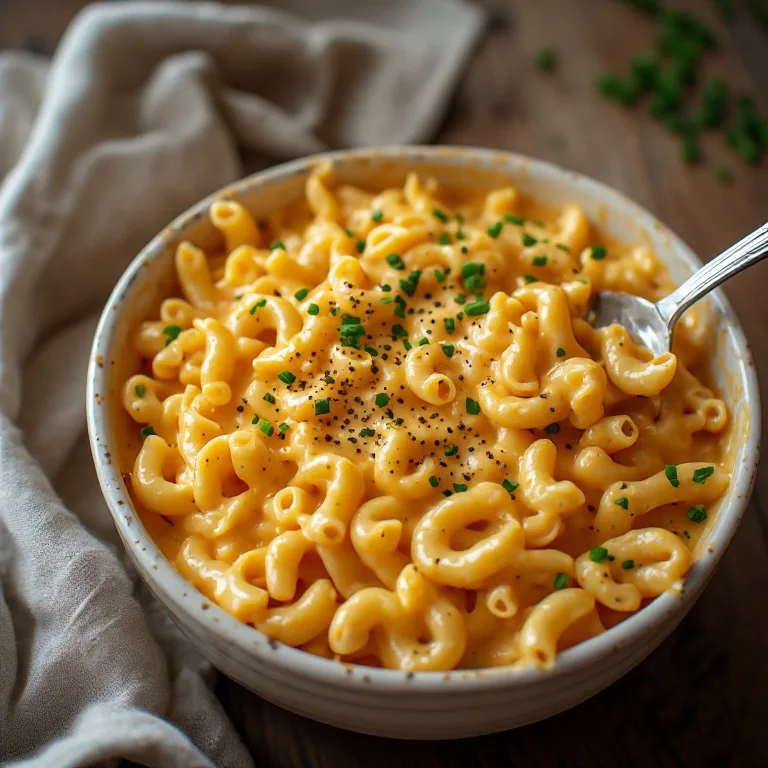
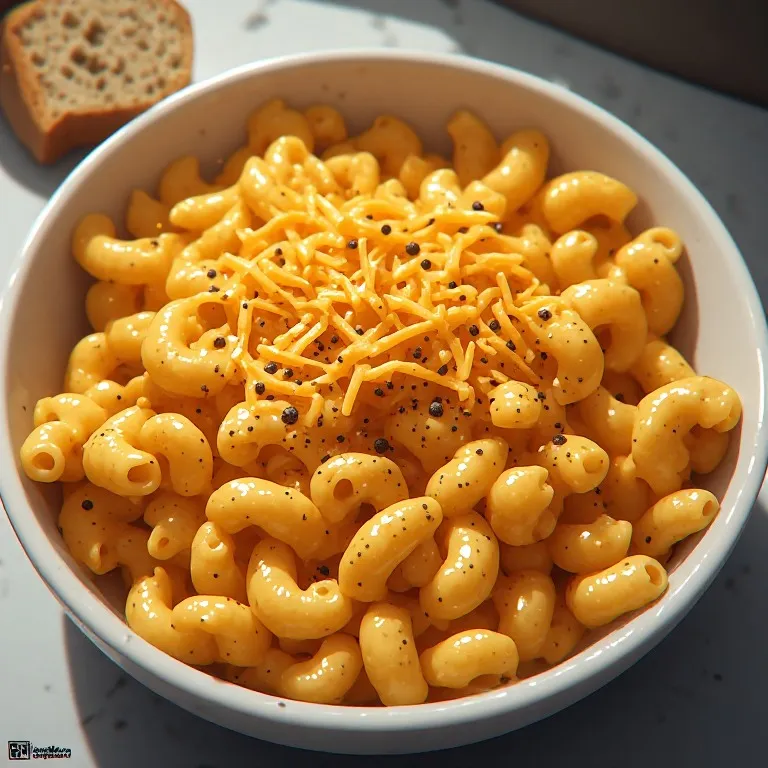
The #GymTok version of mac and cheese has been through several iterations — cottage cheese only, Greek yogurt only, blended tofu (genuinely controversial). The combination that broke through was cottage cheese blended with Greek yogurt as a base, with real shredded cheddar melted in for the flavor hit. This produces a sauce that tastes like classic stovetop mac: sharp, cheesy, slightly tangy, and rich. The protein content — 45g per serving — is roughly what you’d get from a large chicken breast added on the side.
The viral moment came from the shock of the reveal: creators would show the blended cottage cheese base (which looks like nothing special) being poured over pasta, then the melted cheddar going in, and the final dish looking and apparently tasting like perfectly legitimate mac and cheese. The comments fill with skeptics. The follow-up videos from people who tried it are almost uniformly converted.
The Sauce Science
Why does this work? Cottage cheese and Greek yogurt are both primarily casein and whey proteins suspended in a slightly acidic, creamy liquid. When blended smooth, their texture becomes very close to heavy cream or evaporated milk — both of which are standard bases for stovetop mac sauce. The mild tang actually enhances the sharp cheddar flavor, similar to how adding a touch of lemon juice brightens cheese.
The Dijon mustard is not optional flavor — it’s a functional emulsifier. The emulsifying compounds in mustard keep the cheese proteins and fat from separating when heated, which is the same reason you’ll find mustard in many restaurant cheese fondue recipes. At 1 teaspoon per batch, you will not taste mustard.
Getting the Texture Right
Two things determine whether your sauce is silky or broken:
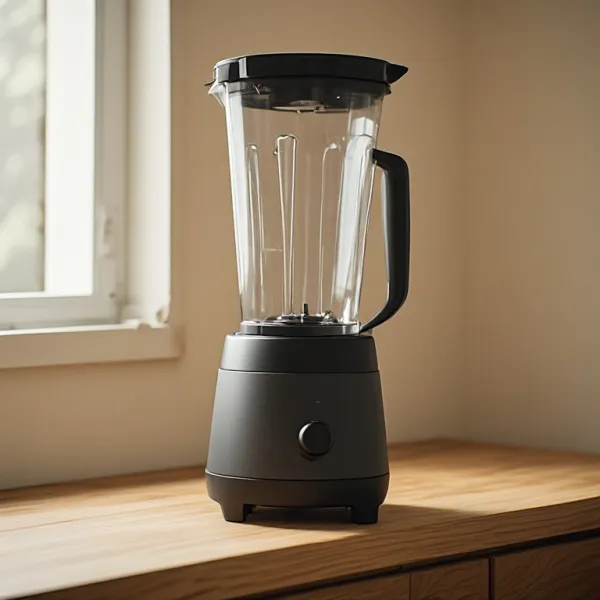
- Blend time. A full 60–90 seconds in the blender. No shortcuts.
- Heat control. Warm the sauce gently — low heat, constant stirring. High heat seizes the whey proteins and breaks the sauce into grainy chunks that no amount of pasta water will fix.
Add pasta water slowly, 2 tablespoons at a time. The starch in pasta water is an additional emulsifier that keeps the sauce fluid and glossy as it cools slightly.
Protein Breakdown
Cottage cheese (3/4 cup): ~20g protein. Greek yogurt (1/4 cup): ~8g protein. Cheddar (1 cup): ~7g protein. Pasta (8 oz): ~14g protein. Total: ~49g, settling around 45g after accounting for serving ratios. Add ground turkey and you push to 65g for a complete meal.
Variations
Spicy version: Add 1–2 teaspoons hot sauce and 1/4 teaspoon cayenne to the blended base. Finish with jalapeño slices.
Bacon and ranch: Crumble 3 strips of turkey bacon over the finished mac. Add 1 teaspoon ranch seasoning packet to the blended base. A crowd-pleasing combination.
Truffle Mac: Finish with 1/2 teaspoon truffle oil and top with breadcrumbs (toasted panko). A more adult presentation for when you want to impress someone with your high-protein mac and cheese, which is a thing that you can do.