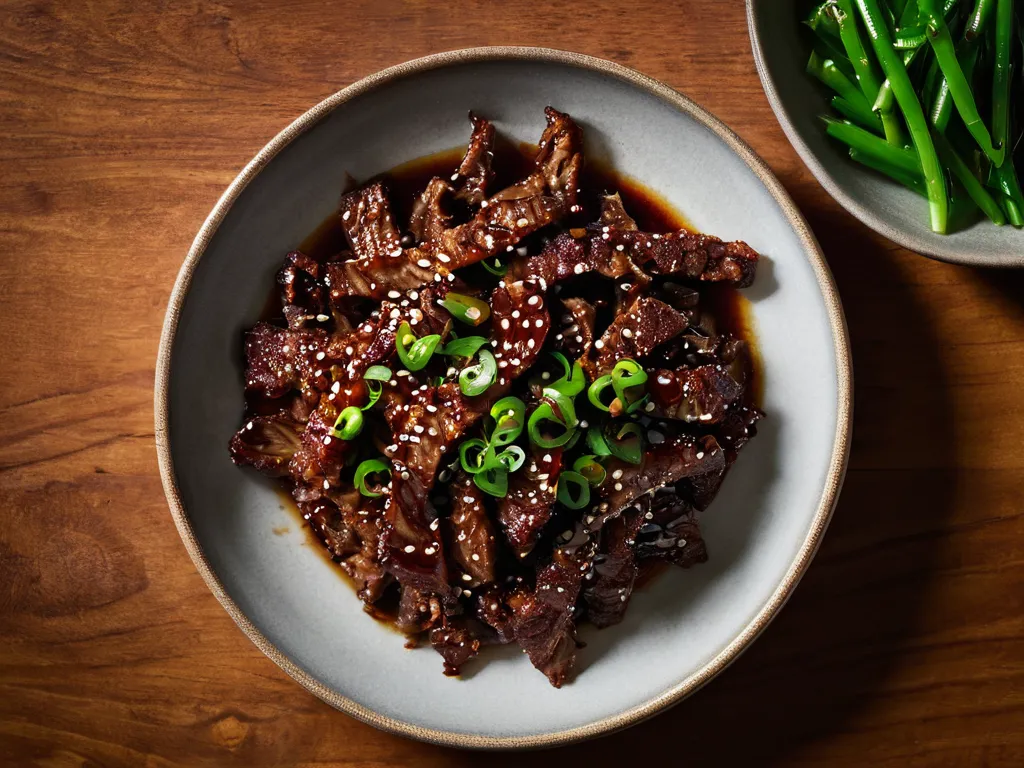
Viral TikTok Mongolian Beef
Prep time: 15 min Cook time: 12 min Servings: 4
Mongolian beef is the dish that proved TikTok could replace the takeout menu. This recipe produces crispy-edged beef strips coated in a thick, sticky sauce built on soy, brown sugar, garlic, and ginger. It tastes like the best version of the Chinese-American restaurant classic, but it comes together in under 30 minutes with no specialty equipment and no deep fryer. Just a hot skillet, some cornstarch, and a willingness to let the beef sear undisturbed.
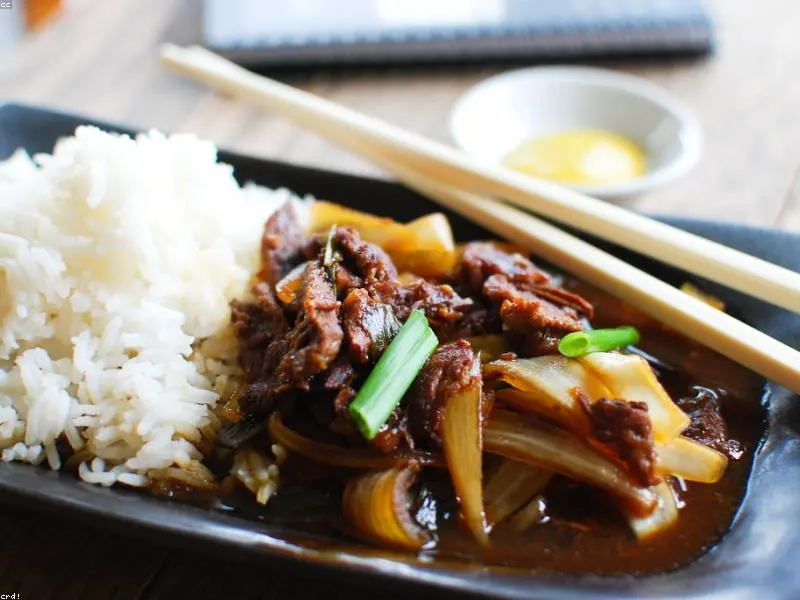
The cornstarch coating is what makes this version special. It creates a light crust on each strip of beef that gives the surface something to grip when the sauce hits. Instead of sliding off, the sauce clings to every craggy edge, building up a glaze that is sticky, salty, sweet, and deeply savory all at once. Over steamed white rice with a shower of green onions and sesame seeds, this is a complete meal that competes with any restaurant delivery.
Why This Went Viral
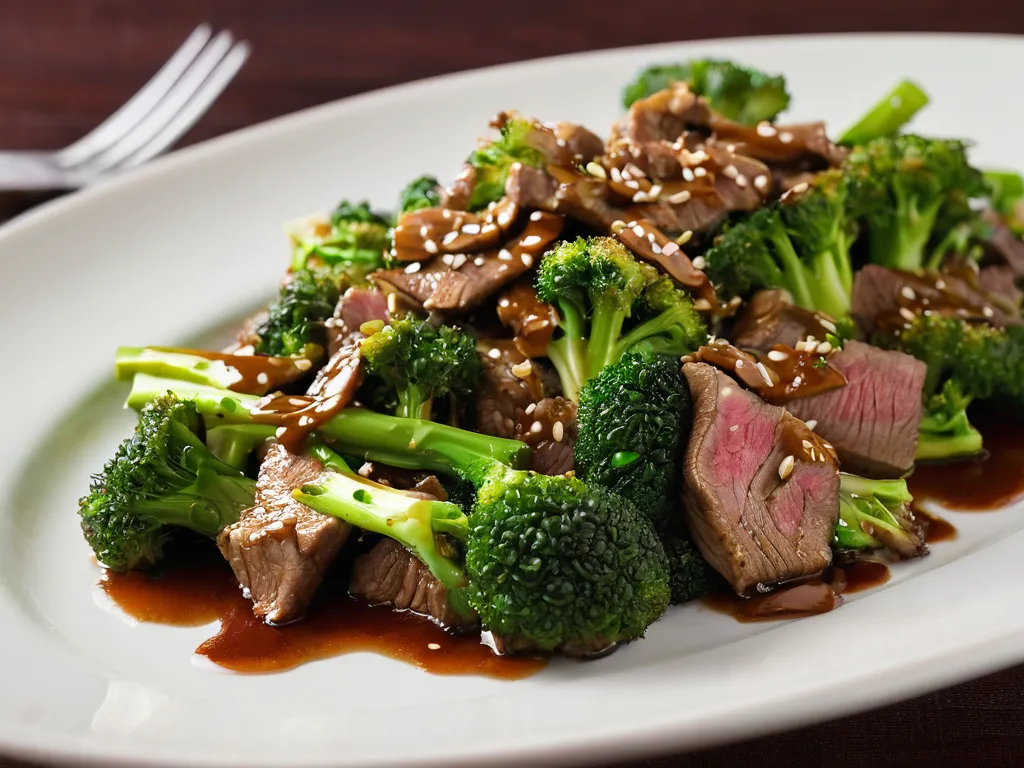
The sauce pour. Every viral Mongolian beef video includes a shot of thick, glossy sauce being poured over a pile of seared beef. The sauce moves slowly, coats visibly, and glistens under kitchen lights. That visual is pure food content gold. It communicates richness, flavor intensity, and satisfaction without a single word.
The “better than takeout” framing also drove shares. People love the idea of beating a restaurant at its own game, and the side-by-side comparisons between homemade and delivery Mongolian beef consistently showed the homemade version looking better. The crispy edges on the beef, which most delivery versions lose during transport, were a key visual differentiator.
Speed was the final factor. Twelve minutes of actual cooking for a dish that most people assumed required a restaurant wok setup. The accessibility shattered a perceived barrier and made people feel capable of cooking something they had only ever ordered.
The Secret to Getting It Right
Slice the steak thin against the grain. This is the step that determines whether you get tender, melt-in-your-mouth strips or tough, chewy pieces. Flank steak has a clearly visible grain running in one direction. Your knife needs to cut perpendicular to that grain. Partially freezing the steak for 20 minutes makes thin slicing dramatically easier. The firmer texture holds its shape under the blade.
Sear in batches on screaming-hot heat. If you dump all the beef into the skillet at once, the temperature plummets and the meat steams instead of searing. Steamed beef does not develop crispy edges. It turns gray and releases water, which makes the cornstarch coating gummy. Work in two batches, spread each batch in a single layer, and do not touch it for two full minutes per side. The patience creates the crust.
The sauce needs to reduce before the beef goes back in. If you return the beef to a thin, watery sauce, the coating absorbs moisture and turns soft. Simmer the sauce until it visibly thickens and coats the back of a spoon. Then add the beef, toss quickly, and serve. The less time the crispy beef sits in sauce, the more texture it retains.
Tips & Variations
- Add heat. Stir in a tablespoon of sambal oelek or gochujang when building the sauce for a spicier, more complex version.
- Use sirloin. If flank steak is expensive or unavailable, top sirloin sliced thin works well. It is slightly less tender but takes the sauce just as well.
- Throw in vegetables. Add sliced bell peppers and snap peas during the last minute of cooking for color and crunch.
- Make it with chicken. Boneless, skinless chicken thighs cut into strips and prepared the same way produce an excellent variation.
- Go low and slow. For a completely different texture, skip the cornstarch and searing. Braise thin-sliced beef in the sauce over low heat for 45 minutes. You lose the crispy edges but gain fork-tender, deeply sauced meat.
Pro Tips From the Comments Section
- Use a wok if you have one — The high heat concentration at the bottom of a wok creates better searing than a flat skillet, and the sloped sides make tossing easier.
- Freeze the steak for exactly 20 minutes before slicing — This firms it enough to cut paper-thin slices without fully freezing it solid. Any longer and you are fighting a frozen block.
- Double the sauce — The single-batch sauce amount coats the beef perfectly, but if you are serving over rice, you want extra sauce to soak into the grains. Make 1.5x or 2x.
- Add a splash of rice vinegar at the very end — Half a tablespoon of rice vinegar right before plating adds a subtle acidity that brightens the entire dish and prevents the sweetness from becoming one-dimensional.
Storage & Reheating
Mongolian beef stores in the refrigerator for up to 3 days. The sauce thickens considerably when cold as the brown sugar sets. To reheat, add the beef and sauce to a skillet over medium heat and stir frequently. Add a tablespoon of water if the sauce is too thick. The beef will lose its crispy edges during storage, but the flavor stays strong and the meat remains tender.
Do not freeze this dish if you can avoid it. The cornstarch coating breaks down during freezing and thawing, turning mushy. If you want to meal prep, freeze the raw sliced and cornstarch-coated beef separately from a batch of premade sauce. When ready to eat, thaw both, sear the beef fresh, heat the sauce, and combine. This preserves the crispy texture that makes the recipe worth making in the first place.