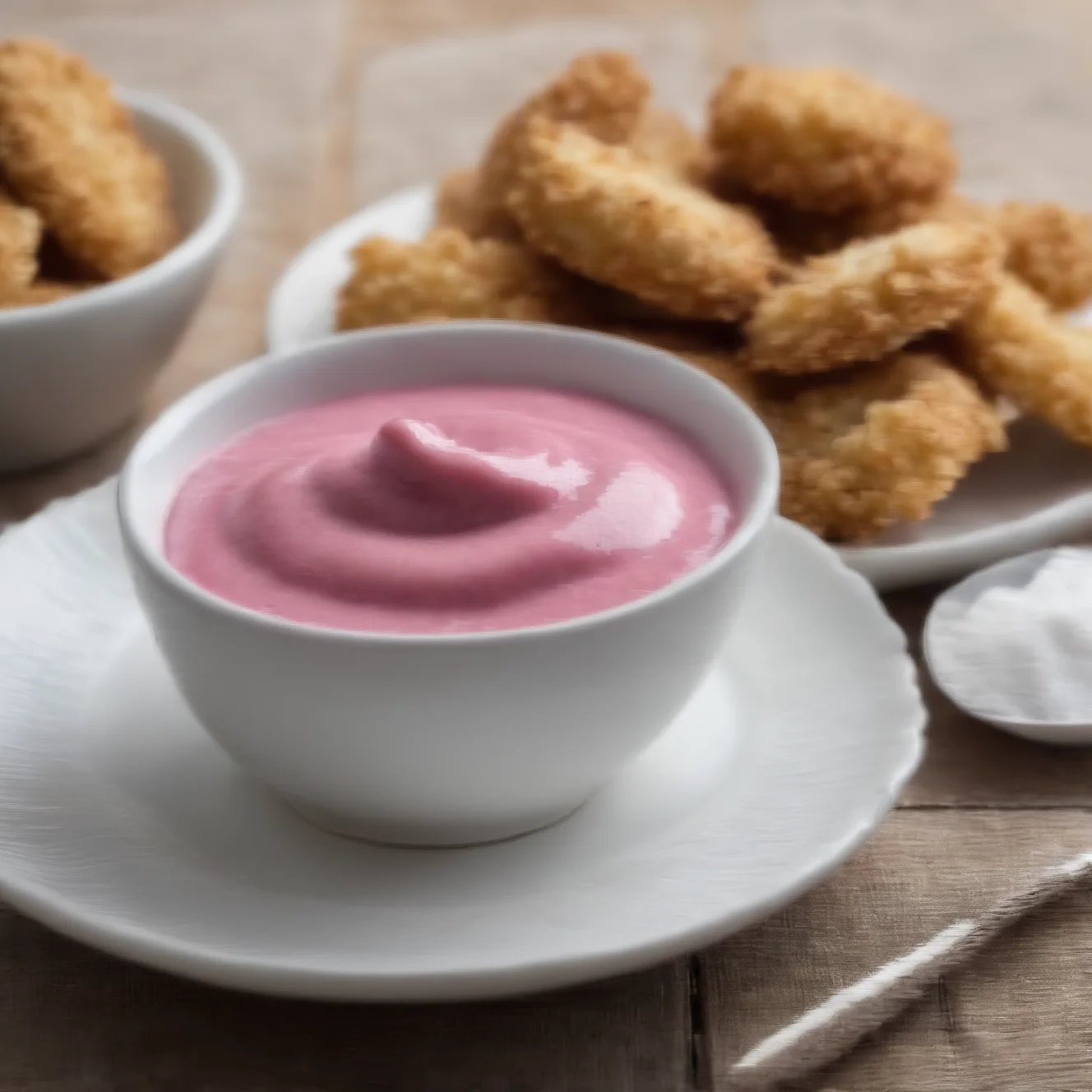
In June 2022, a private chef in Miami posted a TikTok video of a bright pink sauce and the internet lost its mind. The #pinksauce hashtag hit 80 million views. Thousands of orders poured in. Then the FDA got involved. Then a major sauce company stepped in to save it. The full arc of Chef Pii’s Pink Sauce is one of the most chaotic food stories TikTok has ever produced — and underneath all the drama, there’s actually a genuinely good sauce worth making at home.
TL;DR
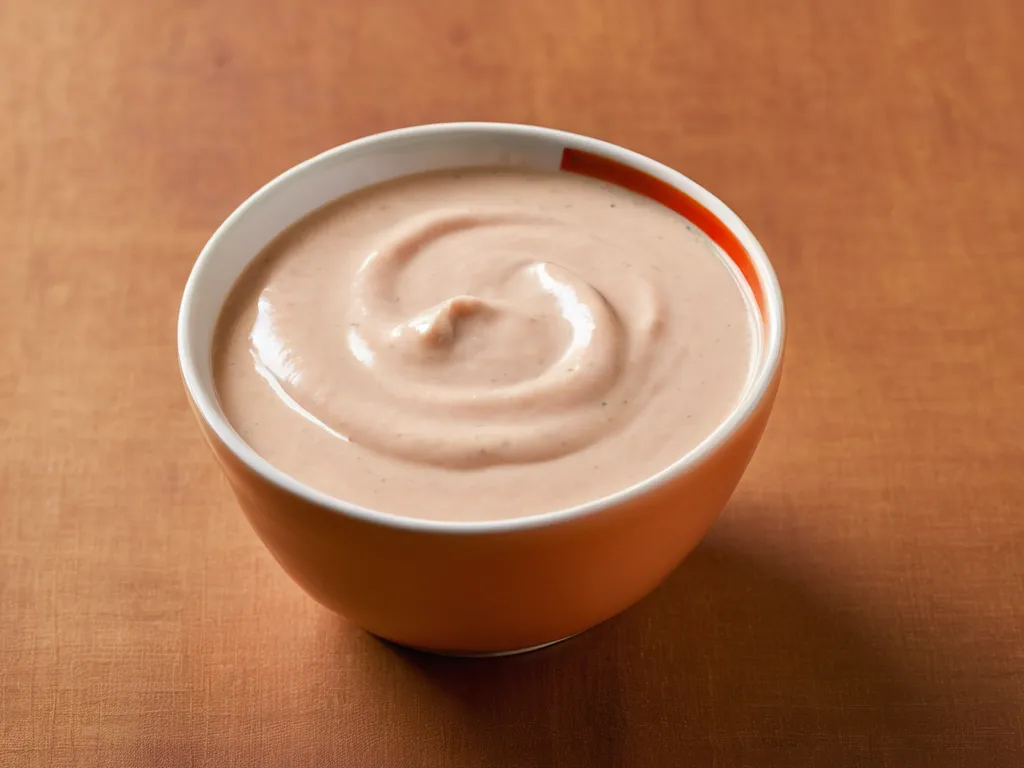
Blend 1 cup mayo with 2 tbsp dragon fruit puree, 2 cloves garlic, 1 tbsp honey, 1 tsp each of white wine vinegar and lemon juice, and ½ tsp Italian seasoning. Refrigerate 30 minutes. This safe, mayo-based version gives you the same vibrant pink color and sweet-tangy-garlicky flavor as the original — without the food safety issues that shut down the real thing.
The Full Pink Sauce Story
June 11, 2022. Chef Pii, a private chef based in Miami, posts a TikTok video. She’s drizzling a vivid, Barbie-pink sauce over chicken nuggets. It looks surreal. She calls it Pink Sauce.
The video takes off. Not hundreds of thousands of views — millions, then tens of millions over the following weeks. The #pinksauce hashtag climbs toward 80 million views. Orders flood in. Chef Pii had prepared to fill a few hundred. She got thousands.
Then the problems started.
Customers reported that the sauce arriving at their door didn’t look like the sauce in the video. Some bottles had turned purplish or grayish. Some bags had exploded in transit. And the nutrition label claimed the bottle contained 444 servings. The bottle held 444 grams of sauce — about 30 normal servings — so the net weight in grams had apparently been typed into the servings field. It was a small slip on its own, but for a product already under scrutiny it made people question whether anything on the label could be trusted.
Then people noticed the ingredient list included milk. The sauce was being shipped in unrefrigerated pouches via standard mail — sometimes taking multiple days to arrive. Milk at room temperature for days creates conditions for bacterial growth, including the conditions that produce botulism toxin in sealed, anaerobic packaging.
August 2, 2022. The FDA opened a formal investigation into Pink Sauce, citing food safety and labeling concerns. Production and online sales were halted.
August 21, 2022. YouTuber MatPat published a Food Theorists video analyzing the Pink Sauce’s safety, calling out the milk-in-unrefrigerated-packaging problem and the label inaccuracies. The video got millions of views and put additional pressure on Chef Pii to address the issues.
The Dave’s Gourmet partnership. Chef Pii reached out to Dave’s Gourmet — one of the most respected independent condiment makers in the US, known for both its gourmet pasta sauces and its hot sauces (including the famously fiery Dave’s Insanity Sauce). Dave’s Gourmet had the manufacturing infrastructure, the FDA relationships, and the food-science expertise to reformulate the recipe for proper shelf stability. They reworked the recipe and packaging to meet federal shelf-stability and labeling standards — resolving the problems that came from shipping a milk-containing sauce unrefrigerated.
January 11, 2023. Reformulated Pink Sauce hits 4,000 Walmart locations nationwide. A self-taught private chef’s viral sauce — the one the FDA had investigated six months earlier — was now a major retail product.
Why the Color Changes (and How to Prevent It)
The pink in Pink Sauce comes from dragon fruit — specifically red pitaya (Hylocereus polyrhizus), the variety with magenta-red flesh. The color pigments in red dragon fruit are betalains — the same class of pigment found in beets, which is why beet juice turns your cutting board a similar vivid color.
Betalains hold their color reasonably well across the normal food pH range (roughly 3 to 7), but they are sensitive to heat, light, and oxygen, and they fade and brown as they age. Of those, heat is the big one: warm a betalain-rich liquid and the magenta starts shifting toward purple, brown, and gray. Extreme acidity or alkalinity speeds the breakdown too, but in a sauce like this, temperature and time matter far more than small differences in pH.
That points to the most likely cause of Chef Pii’s batch-to-batch color swings: an unrefrigerated sauce moving through the mail for several days in summer. Heat in transit degrades the pigment, and oxygen plus time finish the job. A bottle that looked vivid magenta on camera could easily arrive purplish or grayish-pink after baking in a delivery truck.
For the homemade version, the fix is:
Use pitaya powder instead of fresh puree if you want maximum color consistency. Pitaya powder is freeze-dried red dragon fruit — the water has been removed, concentrating both the betalains and stabilizing them. One teaspoon of pitaya powder replaces about 2 tablespoons of fresh puree and gives a more vivid, stable color.
Keep it cold. Never leave this sauce at room temperature for more than 2 hours. The betalains degrade faster in warm conditions, and since this is a mayo-based sauce, it needs refrigeration for food safety anyway.
Why the Original Was Actually Dangerous
The flavor concept — dragon fruit for color, garlic, honey, vinegar, Italian herbs — was never the problem. The problem was manufacturing and food safety.
When you sell a food product commercially, the FDA requires proof that it’s either (1) shelf-stable at room temperature or (2) clearly labeled as requiring refrigeration and shipped accordingly.
Shelf-stable sauces achieve safety through a combination of low pH (below 4.6), low water activity, heat processing (pasteurization), or preservatives. The original Pink Sauce contained milk, which raises pH and water activity — moving the product away from shelf stability. Shipping it at room temperature in pouches for days created conditions where harmful bacteria, including the anaerobic bacteria that produce botulinum toxin in sealed packages, could multiply.
The homemade version solves this by using mayo as the base instead of milk. Commercially produced mayonnaise is already safely acidified (the vinegar and lemon juice bring the pH well below 4.6) and emulsified. A mayo-based sauce is still perishable — keep it refrigerated — but it’s safe for refrigerator storage for up to two weeks because mayo’s acidity inhibits the bacterial growth that made the original problematic.
What It Actually Tastes Like
Underneath the controversy, the flavor concept is genuinely good. The sauce is:
- Sweet — from honey, with a subtle background sweetness from the dragon fruit
- Tangy — from vinegar and lemon juice
- Creamy — from the mayo or oil base
- Garlicky — garlic provides the main savory depth
- Herby — Italian seasoning (oregano, basil, thyme) rounds out the profile
Dragon fruit has a very mild flavor. It’s slightly sweet, faintly tropical, and contributes almost nothing detectable to the taste of this sauce. Its entire job is color. The honey is where the sweetness comes from. The garlic is where the savory complexity comes from. Think of it as a honey-garlic aioli dyed pink — that’s the flavor profile.
Three Variations Worth Making
Spicy Pink Sauce: Add 1 teaspoon of sriracha and a pinch of cayenne to the base recipe. The heat cuts through the sweetness and makes it much more complex. This is the most popular variation in TikTok comments.
Vegan Pink Sauce: Substitute vegan mayo (Just Mayo, Hellmann’s Vegan, Vegenaise) for standard mayo. The texture and color are identical. Swap honey for agave or maple syrup for a fully vegan version.
Greek Yogurt Pink Sauce: Replace half the mayo with full-fat plain Greek yogurt. The sauce turns slightly tangier and lighter (saving about 80–90 calories per serving), and the protein jumps from near-zero to about 4g per serving. Works especially well as a drizzle over bowls and tacos rather than a heavy dipping sauce.
What to Serve It With
The original TikTok presentation was chicken nuggets — and that’s still the best pairing. The sweet-tangy-creamy profile works like a honey-mustard and aioli hybrid, which makes it ideal for fried chicken of any kind.
Beyond nuggets: french fries (the obvious move), onion rings, pizza crust dipping, tacos drizzled on top, breakfast burritos, grilled chicken strips, burgers as a spread, and raw vegetables if you want something less indulgent. It’s also a strong base for a salad dressing — thin it with a splash of vinegar and olive oil.
If you want a sauce that covers all these uses, Pink Sauce is genuinely versatile. Its flavor works across sweet, savory, and fried applications in a way that ranch or ketchup doesn’t.
For more dipping sauce ideas, see Raising Cane’s Sauce (the cult classic), Chick-fil-A Sauce, Wingstop Ranch, and Shake Shack’s Shack Sauce.
Storage
Store in a covered jar or squeeze bottle in the refrigerator for up to 2 weeks. The color may deepen slightly over time (betalain pigments shift as they age) — this doesn’t affect safety or flavor. Do not freeze — the mayo will break when thawed.