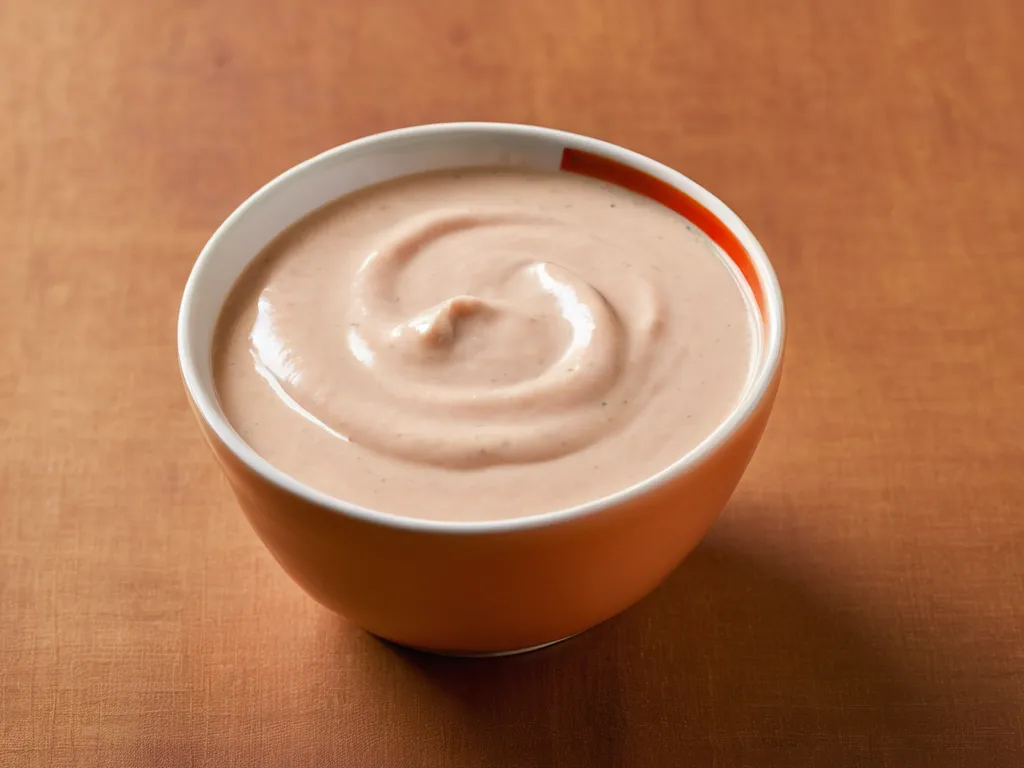
Copycat Benihana Yum Yum Sauce
Prep time: 5 min Cook time: 0 min Servings: 4
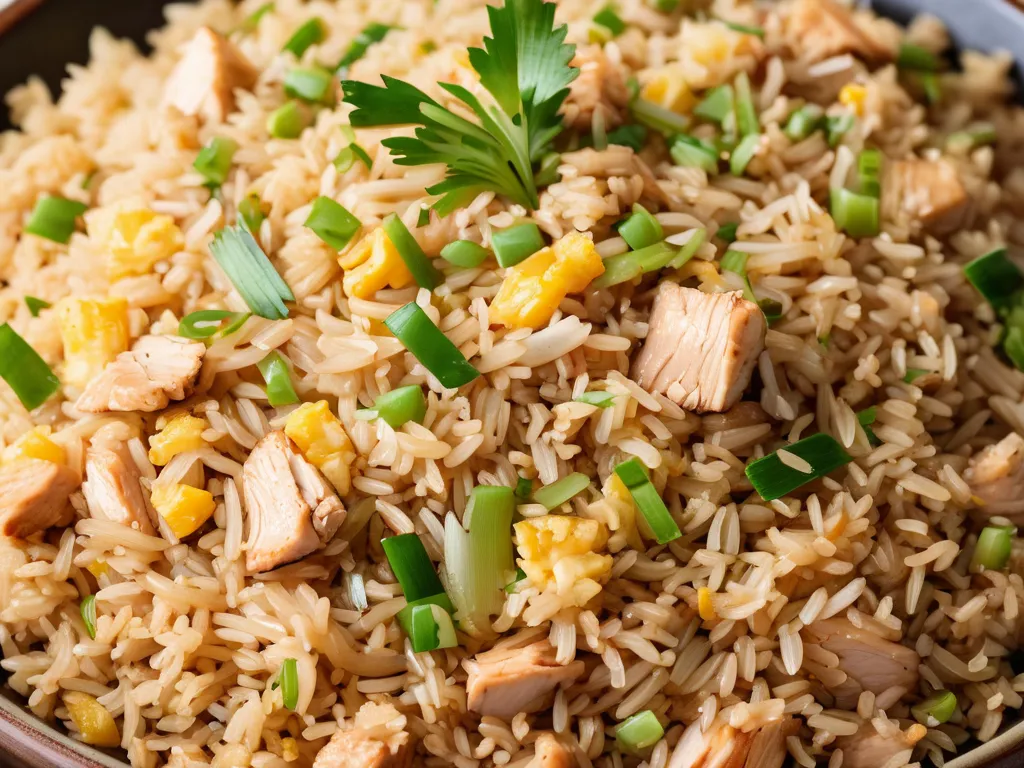
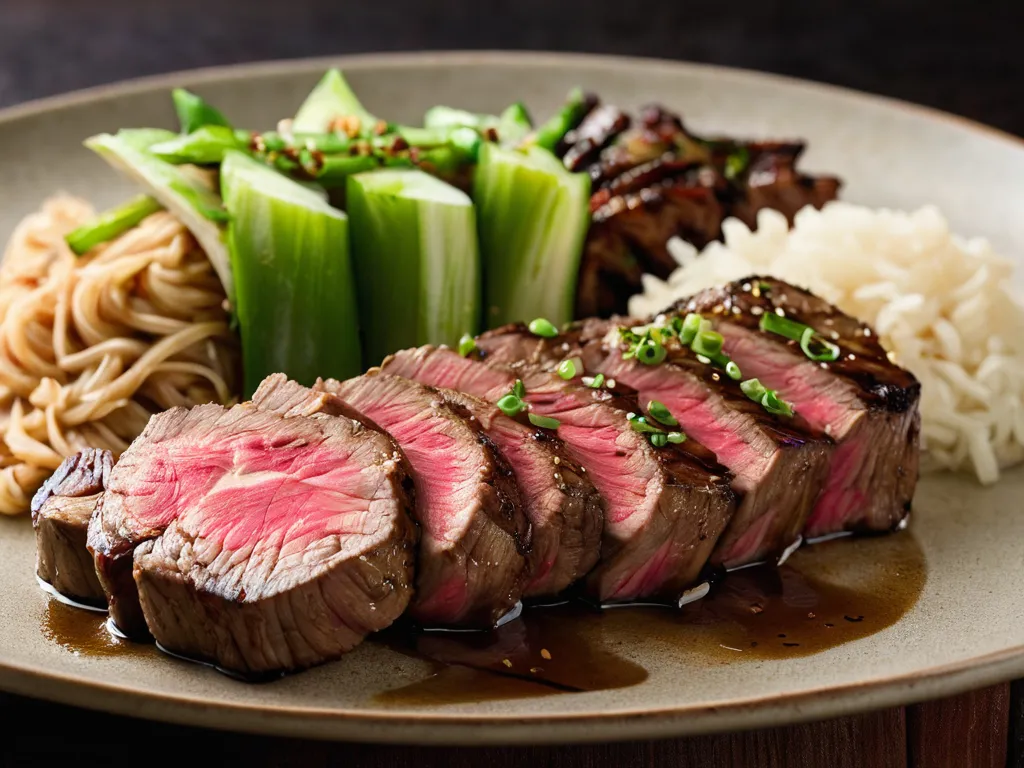
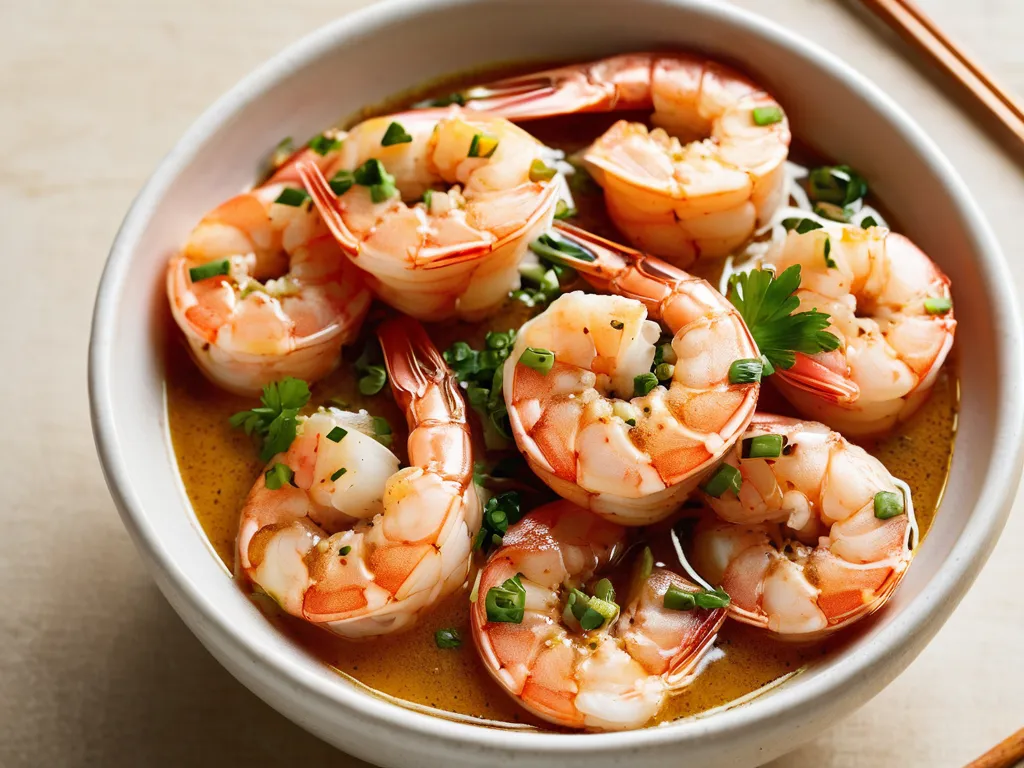
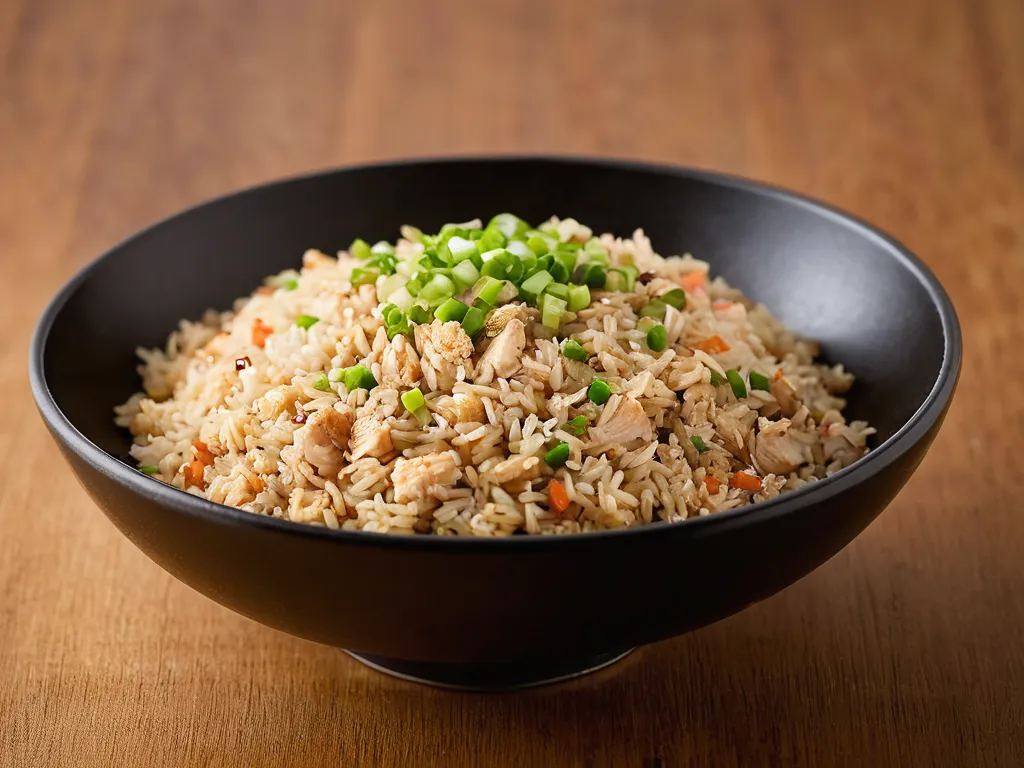
Yum Yum Sauce is the pink-orange condiment that arrives at every Benihana table alongside the grilled meats and fried rice. It does not have a complicated name or an exotic ingredient list, yet it is the thing people remember most about the meal. Creamy, slightly tangy, with a whisper of heat and sweetness — it works on steak, chicken, shrimp, vegetables, and rice with equal effectiveness. Some people drink it. Nobody judges them.
This recipe produces the exact same sauce in five minutes using ingredients you almost certainly have in your kitchen right now. Mayonnaise, tomato paste, rice vinegar, butter, and a handful of spice rack staples. There is no cooking involved. You whisk it together, let it rest in the fridge, and serve. The 30-minute rest is not optional — the flavors need time to merge from distinct layers into a cohesive sauce.
Why Make It at Home?
A bottle of store-bought yum yum sauce costs $4-$6 for 16 ounces, and most of them taste flat compared to the restaurant version because they skip the butter and use distilled vinegar instead of rice vinegar. This recipe makes about 10 ounces for under $1 in ingredients, and it tastes closer to what Benihana actually serves.
At Benihana, the sauce comes free with your meal, but the meal itself costs $30-$50 per person. If you are making Benihana-style hibachi at home — which you should be, given the savings — this sauce is the finishing touch that makes the whole spread feel authentic. It is also wildly versatile beyond Japanese food. Use it as a dipping sauce for fries, a spread on burgers, a drizzle on grain bowls, or a dip for raw vegetables. At under $1 per batch, you can afford to put it on everything.
What Makes Benihana’s Yum Yum Sauce So Good
The flavor profile is deceptively layered for something so simple. Mayonnaise provides the creamy base — it is mostly neutral but contributes a subtle egg richness and emulsified body. Tomato paste adds sweetness, color, and a faint acidity that you taste in the background but cannot quite place. Most people do not realize tomato paste is in there, but without it the sauce tastes flat and one-dimensional.
Melted butter is the ingredient that separates restaurant yum yum sauce from homemade versions that miss the mark. Butter adds a dairy richness that mayonnaise alone cannot deliver. It also contributes a barely detectable savory note from the milk solids. The amount is small — one tablespoon — but removing it produces a noticeably less satisfying sauce. Use real butter, not margarine.
The balance of garlic powder, paprika, and cayenne creates a warm spice base that sits under the creamy surface. None of these spices should be individually identifiable in the finished sauce. If you can taste distinct garlic or distinct heat, the ratio is off. The goal is a unified warmth that encourages you to keep dipping without being able to pinpoint exactly why the sauce tastes so good. Rice vinegar provides the final balancing act — its mild acidity lifts the heavy mayo base and prevents the sauce from tasting cloying.
Tips & Variations
- Use Kewpie mayonnaise. Japanese Kewpie mayo is made with egg yolks only (no whites) and rice vinegar, which gives it a richer, tangier base. It is the closest match to what teppanyaki restaurants actually use. Available at most grocery stores in the Asian foods aisle.
- Let it rest overnight. The sauce improves dramatically after 8-12 hours in the refrigerator. The spices bloom, the butter integrates fully, and the flavors round out into something noticeably smoother than the fresh-mixed version.
- Adjust consistency with water, not more mayo. If the sauce is too thick, thin it with water one teaspoon at a time. Adding more mayo dilutes the seasoning ratio and makes the sauce taste bland.
- Make it spicier. Double the cayenne and add a teaspoon of sriracha for a kicked-up version that works well with plain grilled chicken or shrimp.
- Add a squeeze of lemon. Half a teaspoon of fresh lemon juice in place of some of the rice vinegar adds a brighter, more complex acidity.
Storage & Reheating
Yum Yum Sauce keeps in an airtight container in the refrigerator for up to 10 days. The flavor peaks between days 1 and 5, then gradually loses its brightness as the vinegar mellows. Give it a stir before each use, as the butter and oil may separate slightly during storage.
The sauce cannot be frozen — mayonnaise breaks when frozen and thawed, producing a grainy, separated mess that cannot be re-emulsified. Make it fresh in small batches instead. Since the recipe takes 5 minutes and costs under a dollar, there is no reason to batch-produce and store large quantities. Scale the recipe up for parties by doubling or tripling all ingredients proportionally.