Pin It

Pickled Garlic (TikTok's Addictive Snack)

Pickled Garlic (TikTok's Addictive Snack)
Jump to Recipe
Prep 15 min Cook 5 min Serves 12
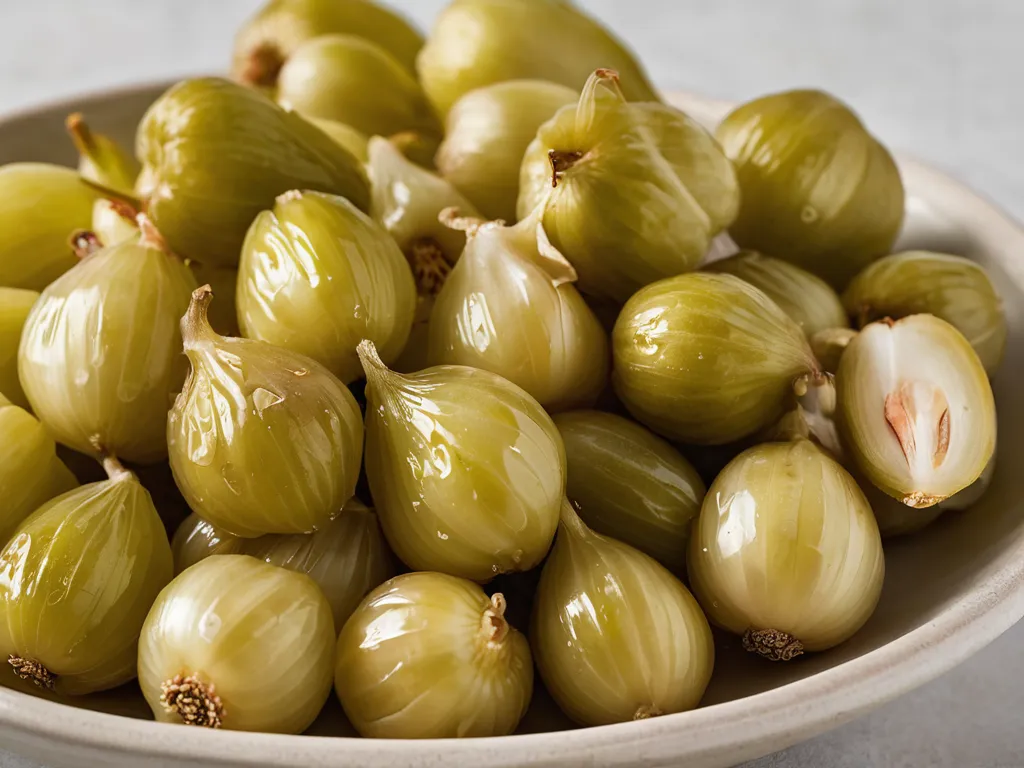
Quick answer: TikTok pickled garlic is raw garlic cloves pickled in a rice-vinegar brine (vinegar, water, sugar, salt) for 2–4 weeks in the refrigerator. The acid mellows the harsh raw garlic flavor into something tangy, faintly sweet, and gently garlicky — crunchy enough to eat like a snack straight from the jar. Vinegar-based refrigerator pickling is food-safe; avoid garlic in oil, which carries a botulism risk.
Pickled Garlic (TikTok's Addictive Snack)

Pickled Garlic (TikTok's Addictive Snack)

Crunchy, tangy-sweet pickled garlic cloves — brine for 2–4 weeks and eat straight from the jar. Vinegar-based refrigerator pickling is safe, simple, and transformative: raw garlic's harsh punch mellows into something almost candy-like.

Easy Prep: 15 min Cook: 5 min Total: 20 min12 servings ~$3.50/serving
Prep15 min
Cook5 min
Total20 min
Servings
12
At home~$3.50/serving
vs
Restaurant~$15.75/serving
You save ~78%

Ingredients

Instructions

💡
Pro tip: This recipe tastes even better the next day. The flavors need time to meld together in the fridge.
❄️
Storage: Keeps in an airtight container in the fridge for up to 2 weeks. Freezer-friendly for up to 3 months.
~150-250 cal/serving

The Story Behind the Recipe

Nobody saw pickled garlic coming as a viral snack. But the videos appeared in late 2021: people eating cloves straight from the jar while gaming, watching TV, making dinner — unable to stop. The crunch, the mild tang, the fact that it tastes like garlic without the raw fire. The trend makes complete sense once you’ve actually eaten a well-pickled clove.

Why Pickling Changes Everything

Raw garlic is dominated by allicin, a sulfur compound produced when garlic cells are broken and two other compounds react. It’s what makes raw garlic sharply hot, intensely pungent, and capable of lingering on your breath for hours.

A vinegar brine disrupts this. As the pH drops below 4.0, allicin breaks down progressively over 2–4 weeks. The harsh, piercing quality converts into milder sulfur compounds that read as genuinely garlicky without the attack. What’s left is garlic you can eat whole, as a snack, without needing to immediately drink a glass of water.

The texture changes too. The acid firms the cell walls slightly (the same mechanism that keeps pickled cucumbers crunchy), giving you a satisfying snap rather than the soft chew of cooked garlic.

Rice Vinegar vs. Other Vinegars

Rice vinegar produces the mildest, most balanced result — its lower acidity (4–5% vs. white vinegar’s 5–8%) and slight natural sweetness lets the garlic flavor come forward. White vinegar works but produces a sharper, more aggressive brine. Apple cider vinegar adds its own fruity notes that can compete with the garlic. For a first batch, rice vinegar is the right choice.

Flavor Variations

The base brine is mild and clean. Add-ins change the character of the final product:

Spicy: 1/2 teaspoon red pepper flakes. The heat infuses into the brine and into each clove over the 2–4 weeks. The result is garlic that’s warm on the back of the throat, not just on the tongue.

Herby: 2 sprigs of fresh thyme or rosemary. The brine picks up floral, resinous notes. Best paired with a splash of white wine vinegar instead of all rice vinegar.

Peppery: 1/2 teaspoon whole black peppercorns. Adds a slow, building spice note that’s distinct from the red pepper heat.

Turmeric: 1/2 teaspoon ground turmeric. Turns the brine golden-orange and adds an earthy, slightly bitter note. This is the version wellness-focused TikTokers promoted most heavily.

Food Safety Note

This recipe uses a vinegar brine and refrigerator storage — that combination is safe. The key distinction:

  • Garlic in vinegar brine (this recipe) — safe. The pH drops below 4.6, preventing botulinum toxin production.
  • Garlic in oil — risky. Oil creates an anaerobic, low-acid environment where Clostridium botulinum can produce toxin even under refrigeration. The FDA and CDC both advise that garlic-in-oil preparations should be discarded after 4 days if homemade. Never store this recipe in oil.
Cost Breakdown
Home batch (~1 cup / 24 cloves)Specialty store
3–4 garlic heads~$1.50
Rice vinegar, sugar, salt~$0.40
Total~$1.90$6–10 per jar

The price gap is significant — specialty pickled garlic at a farmers market or gourmet grocery typically runs $6–10 for a similar jar. The home version costs under $2 and takes 15 minutes of active work.

Pro Tips

Use fresh, firm garlic, not pre-peeled. Pre-peeled garlic from a jar has been treated to extend shelf life and won’t develop the same flavor during pickling. Fresh heads with tight, papery skin and hard cloves produce the best texture.

The hot brine is important. Pouring hot brine over the cloves causes a brief temperature shock that helps the acid penetrate faster. Cold brine can take an extra week to achieve the same flavor development.

Don’t rush the two-week minimum. Garlic pickled for only a few days tastes like sharp raw garlic sitting in vinegar. The flavor mellows and the texture firms properly between weeks 2 and 4. Most people find week 3–4 is the sweet spot.

Keep track of your jar start date. Write the date on the lid with a marker. Pickled garlic is good for up to 3 months refrigerated; after that the cloves begin to soften past crunchy.

Storage and Shelf Life

Refrigerate at all times. Properly stored (fully submerged in brine, airtight lid), pickled garlic lasts up to 3 months. Don’t leave the jar at room temperature for extended periods — return it to the fridge after each use. If any cloves develop mold, discard the entire jar.

For other easy fermented or pickled snacks with similar effort, see viral TikTok ranch pickles. If you want to use this garlic in a cooked dish, it’s excellent in copycat Benihana garlic butter shrimp — slice a few cloves into the butter at the start. For a garlicky bread pairing, try copycat Domino’s garlic knots.
Nutrition Facts

Per serving (12 servings)
Calories20
Total Fat0g
Total Carbs5g
Dietary Fiber1g
Sugars2g
Protein1g
Sodium145mg

* Estimated values based on standard recipe preparation. Actual values may vary.

Equipment You'll Need

16-oz glass mason jar

With a tight-sealing lid. Glass is preferred over plastic — vinegar can absorb plastic flavors over weeks.

Small saucepan

For heating the brine.

Knife and cutting board

For trimming and peeling garlic.

Frequently Asked Questions

Is pickled garlic safe to make at home?

Vinegar-based pickled garlic kept in the refrigerator is safe. The acidity of the vinegar brine lowers the pH below 4.6, which prevents the growth of Clostridium botulinum. The critical safety rule: never store garlic in oil at room temperature. Garlic submerged in oil creates an anaerobic (oxygen-free) low-acid environment where botulism spores can produce toxin even in the refrigerator if kept too long. This recipe uses a vinegar brine, not oil — it's safe stored in the fridge for up to 3 months.

Why does pickled garlic turn blue or green sometimes?

Blue-green discoloration is a common and harmless reaction that occurs when garlic's sulfur compounds react with trace copper or iron from the water, vinegar, or the garlic's own enzymes during acidification. Young or immature garlic (not fully cured) is more prone to this. The color change doesn't indicate spoilage — the garlic is still safe to eat and tastes the same. If color bothers you, use filtered water and ensure you're buying fully cured garlic (dry, papery skin, firm cloves).

How does pickling change raw garlic's flavor?

Raw garlic is sharp and pungent because of allicin, a sulfur compound released when cell walls are cut or crushed. In an acidic pickling brine, allicin degrades over 2–4 weeks, losing its harsh bite and converting into other compounds with milder, rounder flavors. The result is garlic that tastes distinctly like garlic but without the intensity that makes raw garlic overwhelming. The texture becomes firm and crunchy — similar to a pickled onion rather than the soft, cooked texture of roasted garlic.

What can you do with the garlic pickling brine?

The leftover brine is excellent and worth using. It's essentially a lightly garlic-flavored rice vinegar with dissolved sugar and salt — a ready-made light dressing base. Use it in: salad dressings (replace the vinegar in any vinaigrette), marinades for chicken or pork, as a pickling liquid for quick-pickled cucumbers or red onions, or deglazed into pan sauces. It keeps in the refrigerator for up to a month after the garlic is gone.

How many pickled garlic cloves should you eat per day?

There's no established recommended dose. The TikTok trend of 'eating 3 cloves a day for health' overstates the current evidence — garlic's health benefits (cardiovascular, antimicrobial, anti-inflammatory) are documented in studies, but most involve garlic supplements at higher concentrations. As a food, pickled garlic is nutritious and low-calorie at about 5 calories per clove. Eat as many as you enjoy. The main practical limit is the sodium from the brine — each clove absorbs roughly 15–20mg of sodium during pickling.

Love this recipe? Share it!

Shop the tools

The right tools make all the difference. We earn a small commission if you buy through these links — at no extra cost to you.

Free PDF: our 12 most-wanted copycat recipes — instant download.

Ratings & Reviews

No ratings yet

Rate this recipe

Click a star to rate

Leave a Review

0/500

CS

Copycat Spices Test Kitchen

Every recipe on Copycat Spices is developed and tested in our home test kitchen. We reverse-engineer beloved restaurant dishes and refine each one until the flavors and the instructions work reliably for home cooks of all skill levels.

Learn more about our mission →