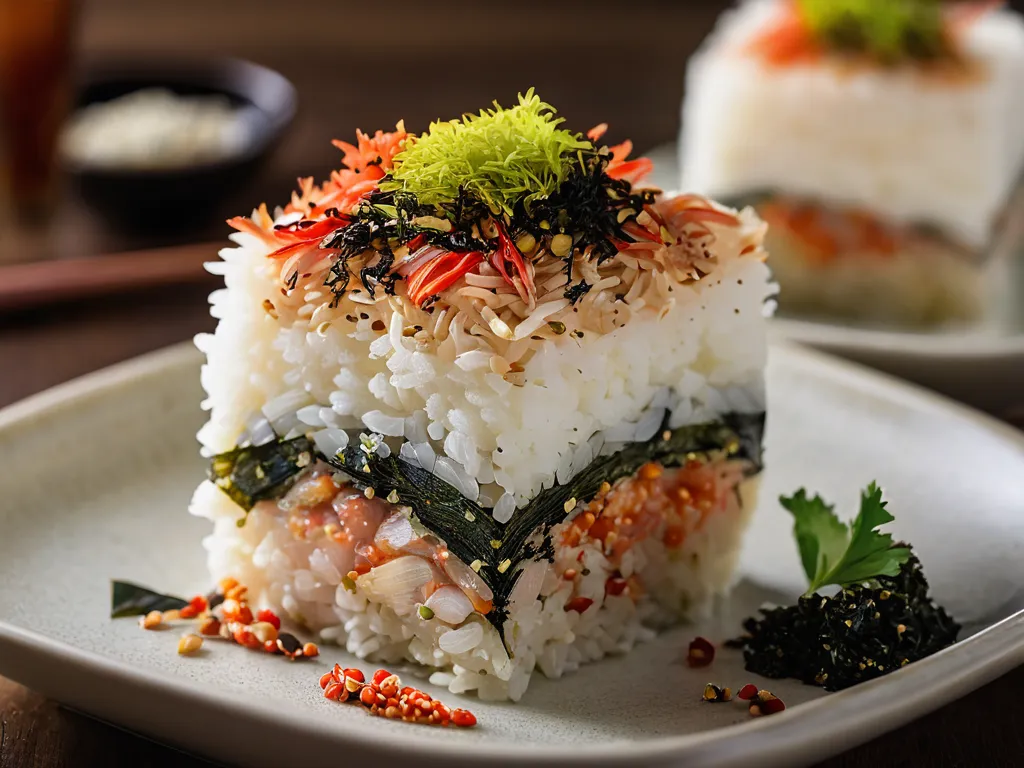
The sushi bake solves every problem with homemade sushi: no rolling, no special equipment, no hours of practice for a presentable result. You layer seasoned rice, creamy spicy crab, and furikake in a casserole dish, bake it until bubbly and golden, and let everyone scoop it onto nori sheets at the table. It feeds a group, it looks impressive, and the only technique required is pressing rice into a pan.
The dish originated in the Filipino-American community — a natural collision of Filipino home-cook ingenuity with Japanese ingredients — and went viral on Instagram and TikTok starting in 2020, when people stuck at home were craving restaurant sushi but couldn’t get it. The scoop-and-wrap format proved irresistible to film, and the recipe spread through the Filipino-American food community and beyond until it became one of the defining party dishes of the pandemic era.
Where the Sushi Bake Came From
Sushi bake is Filipino, not Japanese. The dish is credited to Mimi Qiu Reyes, a Filipino celebrity nail artist who first made her version of a “baked California roll” at a family gathering in California around 2015, then kept it as a special-occasion dish. It was the closure of her luxury nail salon (Mi & Me Luxury Nails) during the Philippines’ COVID-19 lockdown in April 2020 that turned it into a phenomenon: she launched it as “The Original Baked California Roll,” selling trays from home — 7 on day one, with sales doubling in the days after — and word spread fast. By June 2020, Philippine “Instagram restaurants” were offering it. By 2021, it had reached TikTok audiences in the US and went global.
It’s worth understanding this distinction because the dish is sometimes sold as “deconstructed sushi,” implying a Japanese origin. It’s not. Traditional Japanese sushi has almost nothing in common with a baked casserole. The sushi bake borrows Japanese ingredients — sushi rice, nori, furikake, Kewpie mayo — and recombines them in a casserole format that’s fundamentally more practical and crowd-friendly than anything in Japanese culinary tradition.
The viral spread on TikTok happened because the scoop-and-wrap action was irresistible to film: a spoon cutting through the golden, bubbly top layer and scooping a portion onto a waiting nori sheet before folding it up in one bite. Videos routinely hit millions of views, and the recipe spread to home cooks who had never made sushi anything before.
The Two Key Ingredients That Make It Work
Kewpie mayonnaise. This is not negotiable. Kewpie is a Japanese mayo made with only egg yolks (not whole eggs), rice vinegar, and a small amount of MSG. The result is significantly richer, tangier, and more umami-forward than American-style mayo. In a baked dish, regular mayo tends to separate and become greasy; Kewpie holds together and creates a smooth, creamy coating on the crab or salmon. It’s available at Asian grocery stores, in the international aisle at most major grocery chains, and online. The iconic red-capped, soft-squeeze bottle is unmistakable.
Furikake. This Japanese dry seasoning blend — nori flakes, toasted sesame seeds, dried fish flakes, sugar, salt — adds a toasted, savory, oceanic note that connects the dish to sushi without any rolling. It goes in two places: on top of the cream cheese layer before the crab mixture, and again on top as a garnish after baking. That double application creates pockets of the flavor throughout the dish and a visible, texturally interesting finish. Find it in any Asian grocery store (the most common variety is nori komi furikake); it’s increasingly available at Walmart, Target, and Trader Joe’s in the international section.
Imitation Crab vs. Salmon vs. Spicy Tuna
The three most popular proteins each produce a meaningfully different result.
Imitation crab (surimi) is the original and most common version. Surimi sticks are cooked pollock shaped to look like crab — the flavor is mild, slightly sweet, and picks up the Kewpie and sriracha beautifully. When you shred the sticks by pulling them apart with your fingers into thin strands, the texture becomes fluffy and absorbs the sauce evenly. Cost: about $4–5 for 12 oz. This is the crowd-pleaser version.
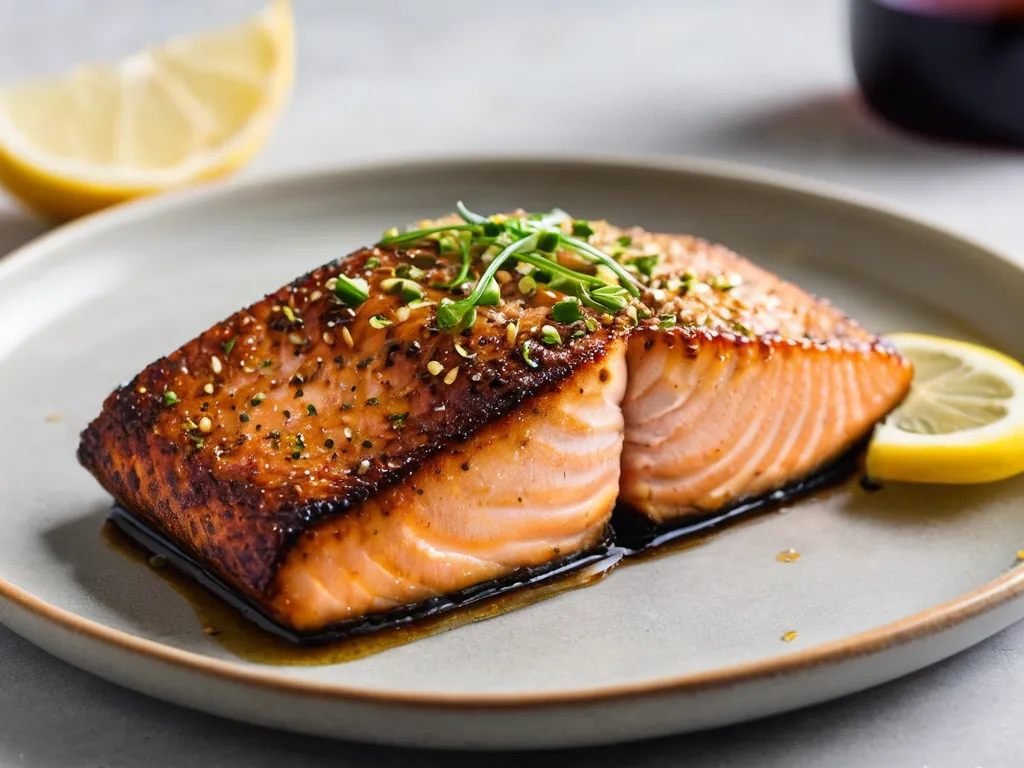
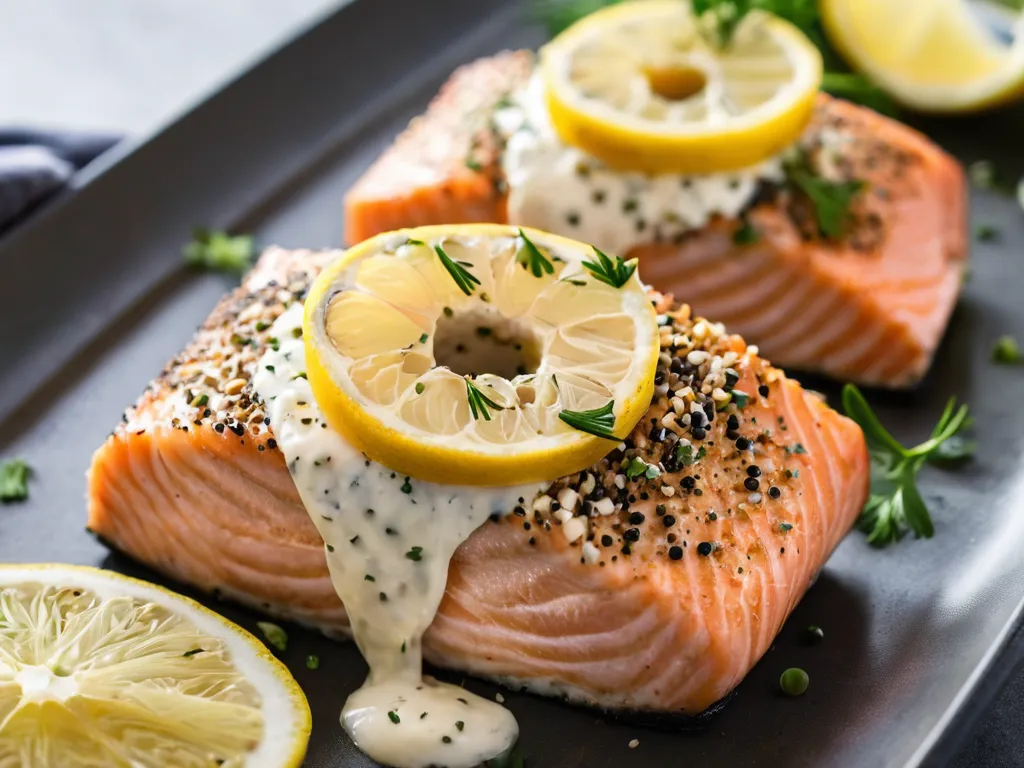
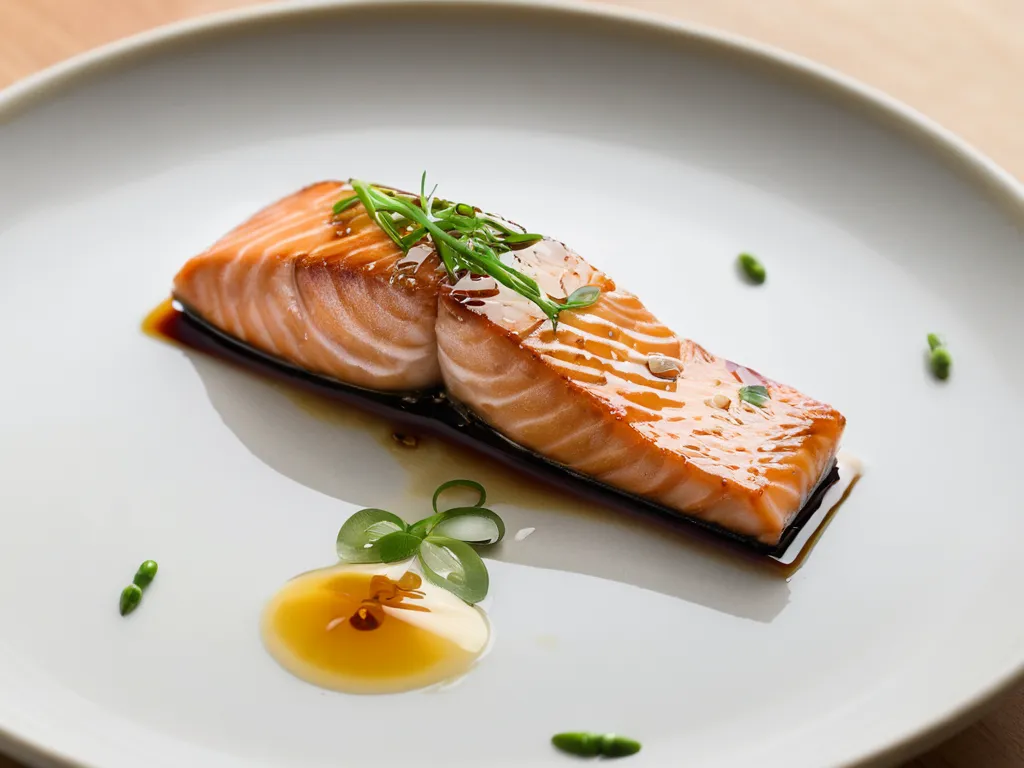
Salmon is the elevated version. Bake a 12 oz salmon fillet at 400°F for 12–14 minutes (or use leftover baked salmon), let it cool slightly, then flake it with a fork. The flavor is richer and deeper, the texture is slightly chunkier, and the protein content goes up significantly (about 22g per serving vs. 15g for imitation crab). Cost: $8–12 for 12 oz of good salmon. This is the version to make when you want to impress.
Spicy tuna uses 12 oz of sushi-grade tuna, diced fine, mixed with Kewpie mayo and sriracha without baking the tuna — assemble on top of the baked rice base, or serve raw on the hot base tableside. This is closest to actual sushi flavors, but requires sushi-grade fish and is not as forgiving for crowds with mixed raw-fish comfort levels.
Layering: The Order Matters
The assembly sequence is what gives the sushi bake its texture contrast between a firm rice base and a creamy, golden top.
Press the rice hard. Use a damp rubber spatula, damp hands, or the back of a damp spoon to pack the sushi rice into the baking dish firmly. The rice should feel almost brick-like — when you scoop a portion onto a nori sheet, you want it to hold together rather than fall apart. If the rice is loosely mounded, the scoop becomes messy and the nori sheet can’t support it.
Cream cheese before furikake. The thin layer of softened cream cheese serves two purposes: it adds richness and a slightly tangy dairy note between the rice and the crab, and it acts as a moisture barrier that keeps the rice from drying out in the oven. Spread it in a thin, even layer — you’re not making a cheesecake, just a thin coating over the rice.
Furikake between the layers. Sprinkling furikake on the cream cheese before adding the crab mixture means it gets trapped between the layers and flavors the dish from within, not just on top. The furikake on top after baking adds crunch and visual contrast; the furikake below the crab adds flavor depth.
What Temperature and How Long
400°F for 15–20 minutes gets the dish fully heated through and starts browning the edges. The internal temperature should reach 165°F (for food safety if using imitation crab, which is pre-cooked). Then broil on high for 2–3 minutes — watch it closely because the Kewpie mayo browns very fast. You’re looking for a mottled golden surface with a few darker patches. Pull it before anything goes black.
The broil step is not optional. The visual contrast between the golden, slightly charred top and the white rice layer is what makes sushi bake a party showpiece. Skip the broil and you get a pale, beige casserole instead of something that looks impressive on the table.
Serving It Right
The nori-and-scoop format is the signature presentation. Seaweed snack sheets (the small, pre-seasoned squares sold by brands like GimMe, Trader Joe’s, or Annie Chun’s) are actually better than full-size nori for this: they’re pre-cut, lightly oiled and salted, and sized perfectly for one bite without tearing. The seasoning adds a complementary layer of flavor. If using full-size nori, cut sheets crosswise into thirds (each piece roughly 2.5 by 7 inches).
Each person places a seaweed sheet in their palm or on a small plate, scoops about 2–3 tablespoons of sushi bake onto the center, and folds the seaweed up around it. Eat it in one or two bites — the nori softens quickly against the hot filling, so eat immediately after wrapping. The contrast between the hot, creamy, golden crab and the cool, slightly salty seaweed is the entire point.
The perimeter of the baking dish is the best part. The edges caramelize against the hot glass or ceramic, the cream cheese gets golden, and the furikake toasts. Serve from the center first and let people fight over the corners.
Cost Breakdown
| Ingredient | Approx. Cost |
|---|---|
| 3 cups sushi rice | $2–3 |
| 12 oz imitation crab | $4–5 |
| ⅔ cup Kewpie mayo | $2 |
| 4 oz cream cheese | $1.50 |
| Furikake | $1.50 |
| Nori sheets | $2 |
| Green onions | $0.75 |
| Total (8 servings) | ~$14–16 |
| Per serving | ~$1.75–2 |
A comparable sushi platter from a restaurant for 8 people: $60–100. The sushi bake is the only way to serve sushi flavors at a party without spending more than $20.
Party-Size Notes
A 9x13 dish feeds 8 as a main or 12–16 as part of a larger spread. For a party of 20+, make two 9x13 dishes. The recipe scales exactly — just double all ingredients and use two pans. Stagger the bake times by 5 minutes so you have a fresh hot pan arriving as the first one empties.
Cut the nori sheets in advance and store them in an airtight container to keep them from going soft. Everything else can be prepped up to 4 hours ahead (rice seasoned and cooled, crab mixture made, cream cheese softened) and assembled right before baking.
Variations
Spicy crab with avocado — after the dish comes out of the oven, lay thin slices of ripe avocado over the top before adding the furikake garnish. The cool avocado against the hot crab is the closest thing to California roll in a baked format.
Salmon version — replace imitation crab with 12 oz of baked, flaked salmon fillet. Stronger flavor, higher protein, slightly more expensive. Add 1 tablespoon of soy sauce to the mayo mixture for depth.
Spicy tuna (raw) — assemble the baked rice base and cream cheese layer, bake as directed, then top the hot base with 12 oz of sushi-grade ahi tuna diced into small cubes and tossed with the Kewpie-sriracha mixture. No broiling — the tuna stays raw against the hot base. This is the version closest to actual sushi flavors and works for guests comfortable with raw fish.
Tobiko or masago topping — after the broil, scatter 2 tablespoons of flying fish roe (tobiko, orange or black) or smelt roe (masago) over the top. The roe pops against the creamy crab layer and reads visually like restaurant-grade plating.
Storage
Sushi bake is best eaten the moment it comes out of the oven. The nori goes soggy fast once the hot, moist filling makes contact with it, so eat immediately after assembling each bite.
Leftover baked sushi bake (without nori) keeps in the refrigerator for 1 day. Reheat in a 375°F oven for 10 minutes — not the microwave, which makes the rice gummy and the topping rubbery. The furikake loses its crunch on reheating; add a fresh sprinkle before serving.
Do not freeze sushi bake — the rice texture degrades significantly when frozen and thawed.
More Viral TikTok Recipes in the Same Zone
- Viral TikTok Miso Salmon — broiled salmon glazed with white miso, mirin, and maple syrup; the elegant 20-minute Japanese-inspired main
- Viral TikTok Emily Mariko Salmon Bowl — the specific salmon-and-rice bowl that went viral; shares the sushi rice base
- Viral TikTok Salmon Rice Bowl — seasoned salmon over rice with cucumber and avocado; different rice bowl format
- Viral TikTok Cucumber Sushi — no-rice cucumber roll hack; the no-carb route for sushi flavor
- Copycat Benihana Yum Yum Sauce — makes an excellent dipping sauce alongside the sushi bake nori wraps