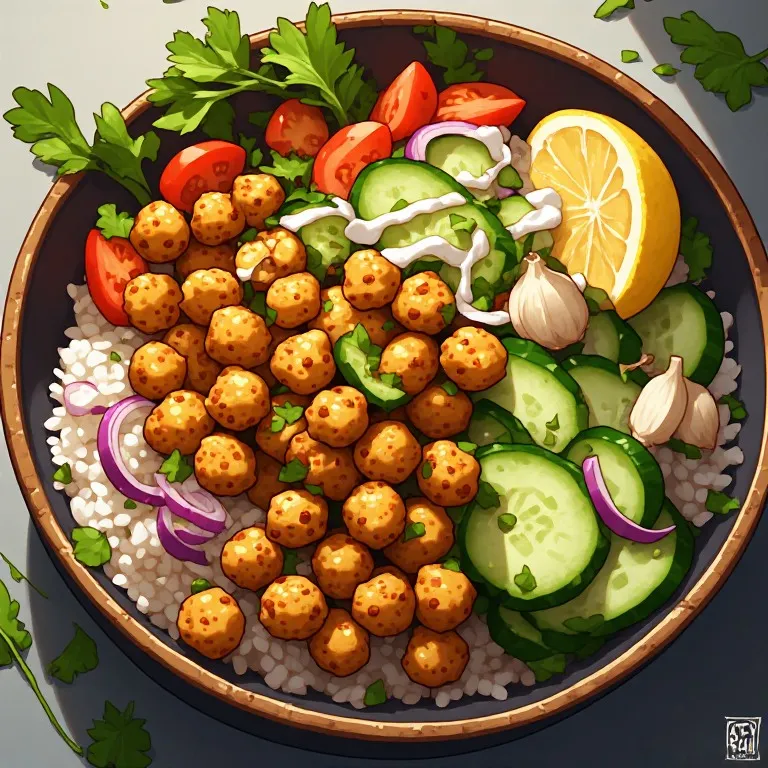


Chickpea Shawarma Bowl — Restaurant-Level Flavor From a Can
Shawarma — the spiced, spit-roasted meat popular across the Middle East and now beloved globally — gets its distinctive flavor from a specific blend of warm spices: cumin, paprika, turmeric, coriander, a hint of cayenne. The revelation that spread across TikTok’s food community: those same spices on a can of chickpeas, roasted hot and fast until crispy, produces something that scratches the same itch for a fraction of the price and effort.
The Canned Chickpea Transformation
A can of chickpeas costs about $0.90 and has always been considered a budget protein — the thing you add to salads or soups when you want to stretch a meal. The chickpea shawarma bowl reframes them entirely. Roasted at high heat with good spicing and enough surface dryness to crisp properly, chickpeas develop a crunchy exterior and a slightly creamy interior. They become the protein of the meal, not the afterthought.
TikTok’s food creator community spent a lot of time in 2023–2024 exploring plant-based budget meals, and the chickpea shawarma bowl kept emerging as a top performer — not because of ideological plant-based positioning, but because it genuinely tasted excellent and cost less than $2 a serving.
The Crispy Chickpea Formula
Three variables control whether your chickpeas come out crispy or disappointingly soft:
1. Dryness. This is the biggest one. Canned chickpeas are wet from the brine. Every drop of moisture on their surface will convert to steam in the oven, effectively steaming the exterior instead of crisping it. Pat them dry, spread on a towel, and wait 5 minutes. The drier they go in, the crispier they come out.
2. Temperature. 425°F (220°C) or higher. Lower temperatures cook the chickpea through but don’t drive off surface moisture fast enough to crisp. High heat is the secret.
3. Space. Single layer, no crowding. Piled chickpeas steam each other. Spread across a baking sheet with space between them, they crisp individually.
The Shawarma Spice Profile
The spice combination is what makes this taste like shawarma rather than just seasoned chickpeas. Cumin is the base note — earthy, warm, slightly grassy. Smoked paprika adds color and a subtle char flavor that references the spit-roasting technique. Turmeric provides warmth and a deep golden color. Coriander is citrusy and floral. Cayenne brings the edge. Together they create the unmistakable shawarma flavor without any meat required.
Building the Bowl
The components each matter:
Rice: Plain cooked rice is the base. A squeeze of lemon juice and a bit of olive oil stirred in after cooking elevates it.
Garlic sauce: The yogurt-garlic-lemon sauce is inspired by toum, the Lebanese garlic aioli. Even a simplified version (just yogurt, raw garlic, lemon) adds a cooling richness that balances the warm spiced chickpeas.
Fresh vegetables: Diced cucumber, tomato, and thinly sliced red onion provide crunch, freshness, and acid. Season the vegetables separately with lemon and salt — they taste noticeably better than plain raw vegetables.
Assembly order matters: Rice first, then chickpeas (so they stay crispy on top, not steamed by the rice), then vegetables, then sauce.
This bowl demonstrates the core principle of budget cooking at its best: understand what makes expensive ingredients taste good, and apply those techniques to cheap ones.