Copycat Chipotle Sofritas
Chipotle introduced Sofritas in January 2013, starting in Bay Area locations before rolling it out nationally in March 2014. The name comes from the Spanish “sofreir” — to lightly fry — which describes the first step of the technique: crumbled tofu goes into a hot, oiled pan and browns before any sauce is added.
The recipe was developed with Minh Tsai, founder of Hodo Soy Beanery in Oakland. Chipotle founder Steve Ells encountered Hodo’s super-firm tofu at a farmers market and worked with Tsai to develop the braised preparation that became the menu item. The core technique — brown the tofu first, then braise in a three-pepper sauce — is what separates it from generic “tofu in tomato sauce.”
Most home copycat versions miss two things. First, the tofu texture: fresh extra-firm tofu pressed for 15 minutes is still mostly water and browns poorly. Frozen and thawed tofu presses much drier and develops a fibrous, absorbent texture that is noticeably closer to the restaurant version. Second, the browning step: the recipe name says “lightly fry” and it means it — the tofu needs real color before the sauce goes in. Gray tofu in red sauce is bland. Brown tofu in red sauce has depth.
The Freeze-and-Thaw Technique
Extra-firm tofu is about 85 percent water. Freezing a block causes that water to expand into ice crystals that break through the protein network and leave open channels throughout. When you thaw and press the frozen tofu, those channels stay open — the block becomes porous and absorbent rather than dense and water-repelling.
The texture change is visible and significant. Fresh tofu crumbles into smooth, dense pieces. Frozen-and-thawed tofu crumbles into rougher, slightly fibrous pieces with a more yielding interior — closer to cooked ground meat in character. That difference matters in a braise: the absorbent texture soaks up the chipotle-tomato sauce during the simmer instead of repelling it.
How to do it: Freeze the unopened tofu package (most grocery-store blocks freeze fine in the original packaging). Transfer to the refrigerator the night before cooking — it takes about 8 hours to thaw completely. Drain the liquid from the package, press as directed, then crumble.
If you do not have time to freeze: press extra-firm tofu under a weighted cutting board for 45 minutes. The result will not be quite as meaty, but the technique still works well.
Why Browning the Tofu Is Not Optional
“Sofritas” means lightly fried, and the browning step earns that name. Tofu contains protein and water; when it is pressed dry and hit with a hot, oiled pan, the surface proteins develop color through the same Maillard reaction that browns meat. The flavor difference between pale-gray unbrowned tofu and golden-brown crumbles is not subtle.
Pale tofu in tomato sauce tastes like tofu in tomato sauce. Browned tofu in that same sauce tastes savory, structured, and satisfying in a way that makes the plant-based protein a real choice rather than a compromise.
Use cast iron or stainless steel, not nonstick. Nonstick pans are not rated for the temperatures needed for browning on most residential burners. Cast iron retains heat when the cold tofu hits it; stainless conducts it quickly. Either works. Nonstick will steam the tofu rather than brown it.
Do not crowd the pan. Tofu releases water during the first two minutes of cooking. If the pieces touch, that water traps between them and they steam instead of brown. Cook in batches on a large pan if needed.
The Three-Pepper Sauce
Chipotle’s Sofritas uses three distinct pepper forms, each contributing something different:
| Pepper | Form | Flavor Contribution |
|---|---|---|
| Chipotle | Dried smoked jalapeño in adobo | Smoke, heat, tangy vinegar edge |
| Ancho | Dried poblano (powder) | Mild earthiness, slight sweetness, dark color |
| Poblano | Roasted fresh | Charred depth, vegetal backbone |
At home, a can of chipotle peppers in adobo covers the first two adequately — the adobo sauce contains tomato, vinegar, and spices that fill in some of the ancho complexity. Ancho chili powder adds another layer if you have it. The roasted fresh poblano is the ingredient most home recipes skip because it requires 10–12 minutes of active attention. It is also the ingredient that makes the biggest difference to authenticity.
Roasting a poblano takes one pan and about 12 minutes total: char the skin over a gas flame or under a broiler, steam in a covered bowl for 10 minutes to loosen the skin, then peel and seed. The flesh underneath is smoky, mildly sweet, and ready to blend into the sauce.
How Thick Should the Sauce Be?
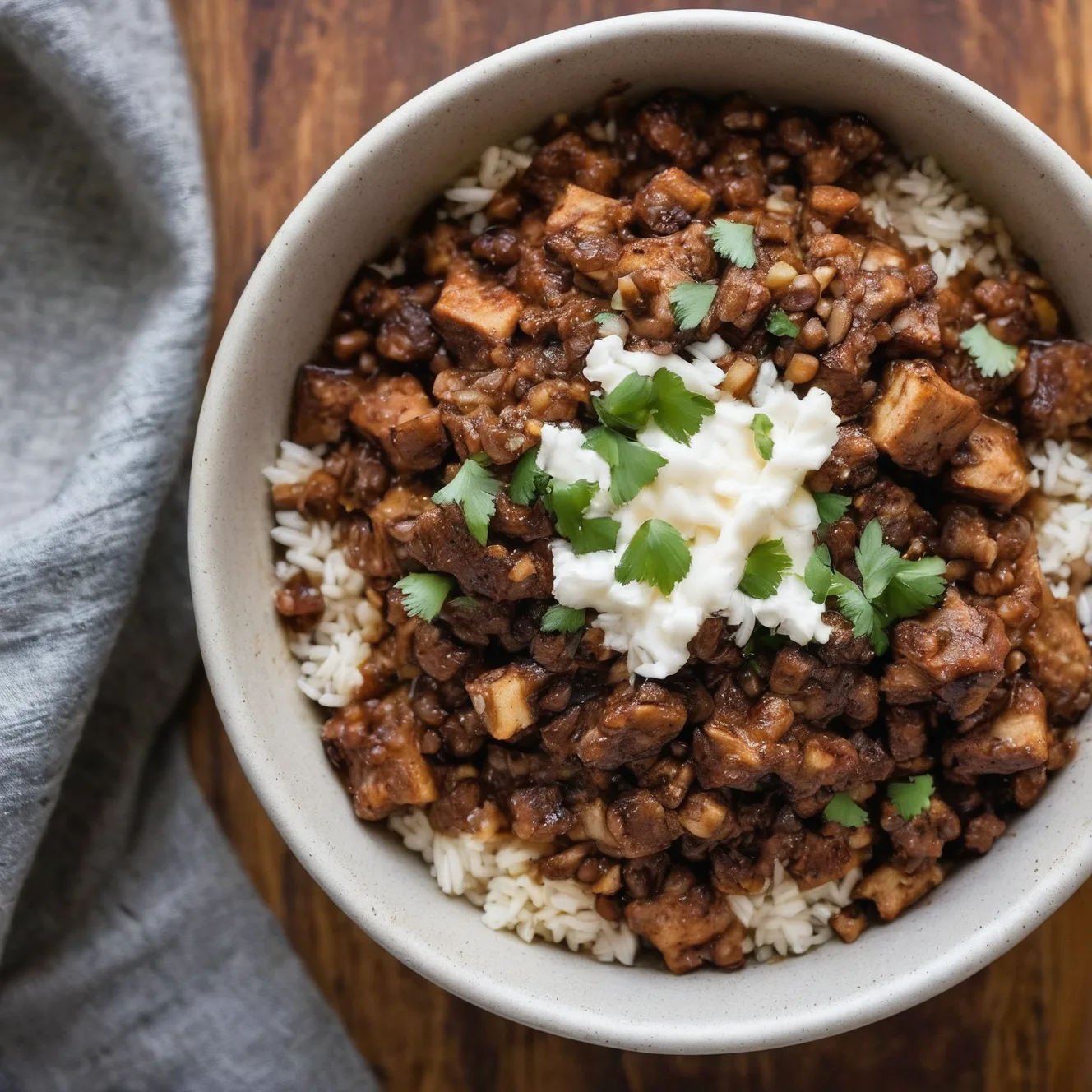
Chipotle Sofritas is not saucy — the sauce clings to the tofu rather than pooling at the bottom of the pan. Think of finished chili, not soup.
This matters most in a bowl or burrito. Wet Sofritas makes everything else in the bowl watery — the rice absorbs it, the guacamole loosens, the salsa gets diluted. Properly thickened Sofritas holds together and gives you a balanced bite.
If the sauce reduces too fast during braising, add water a tablespoon at a time. If it is not reducing fast enough, raise the heat slightly and stir more often. Target: the sauce coats the back of a spoon and does not drip when the pan tilts.
Building the Complete Bowl
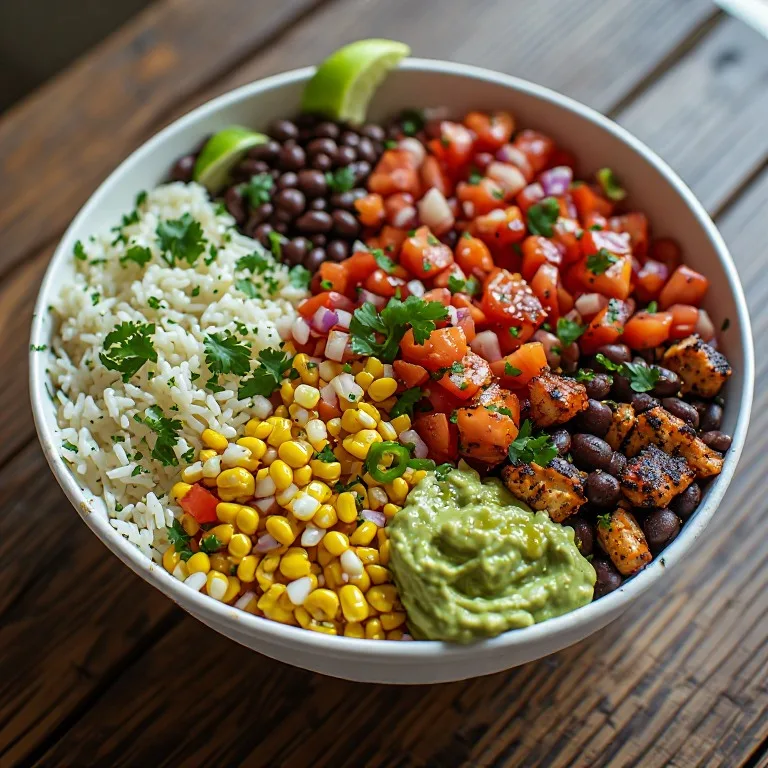
Sofritas works in a bowl, burrito, or tacos. For a complete bowl:
- Cilantro-lime rice as the base — the rice-bran oil and fresh-lime technique makes a real difference
- Black beans or pinto beans (from a can with a pinch of cumin is fine; warm before serving)
- Sofritas over the beans
- Corn salsa — the roasted poblano in both the Sofritas sauce and the corn salsa creates a flavor bridge across the bowl
- Guacamole and sour cream
- Queso blanco
- Fresh cilantro and a squeeze of lime
The corn salsa pairing is particularly effective — roasted poblano appears in both preparations, so the smoky-vegetal note ties the bowl together in a way a plain salsa does not.
How Sofritas Compares to Chipotle’s Other Proteins
Sofritas is the most aggressively seasoned protein on Chipotle’s menu per calorie. If you are deciding between options:
| Protein | Flavor | Texture | Calories |
|---|---|---|---|
| Sofritas | Smoky, spicy, tangy | Soft with browned edges | 150 |
| Chicken | Clean, lime-forward, mild | Firm slices | 180 |
| Steak | Cumin-forward, savory | Tender chunks | 150 |
| Carnitas | Rich, piney, charred edges | Shredded, crispy bits | 210 |
| Barbacoa | Deep smoke, cumin, slight heat | Very tender pulled beef | 170 |
Sofritas is not a bland “safe option for vegetarians.” The chipotle-ancho-poblano sauce is spicier and more complex than the chicken marinade, and the sauce concentration is higher per bite than what you get from carnitas or barbacoa, where the protein has more inherent fat to carry flavor. For people who want bold flavor with lower calories, it competes on equal footing with the meat options.
Variations
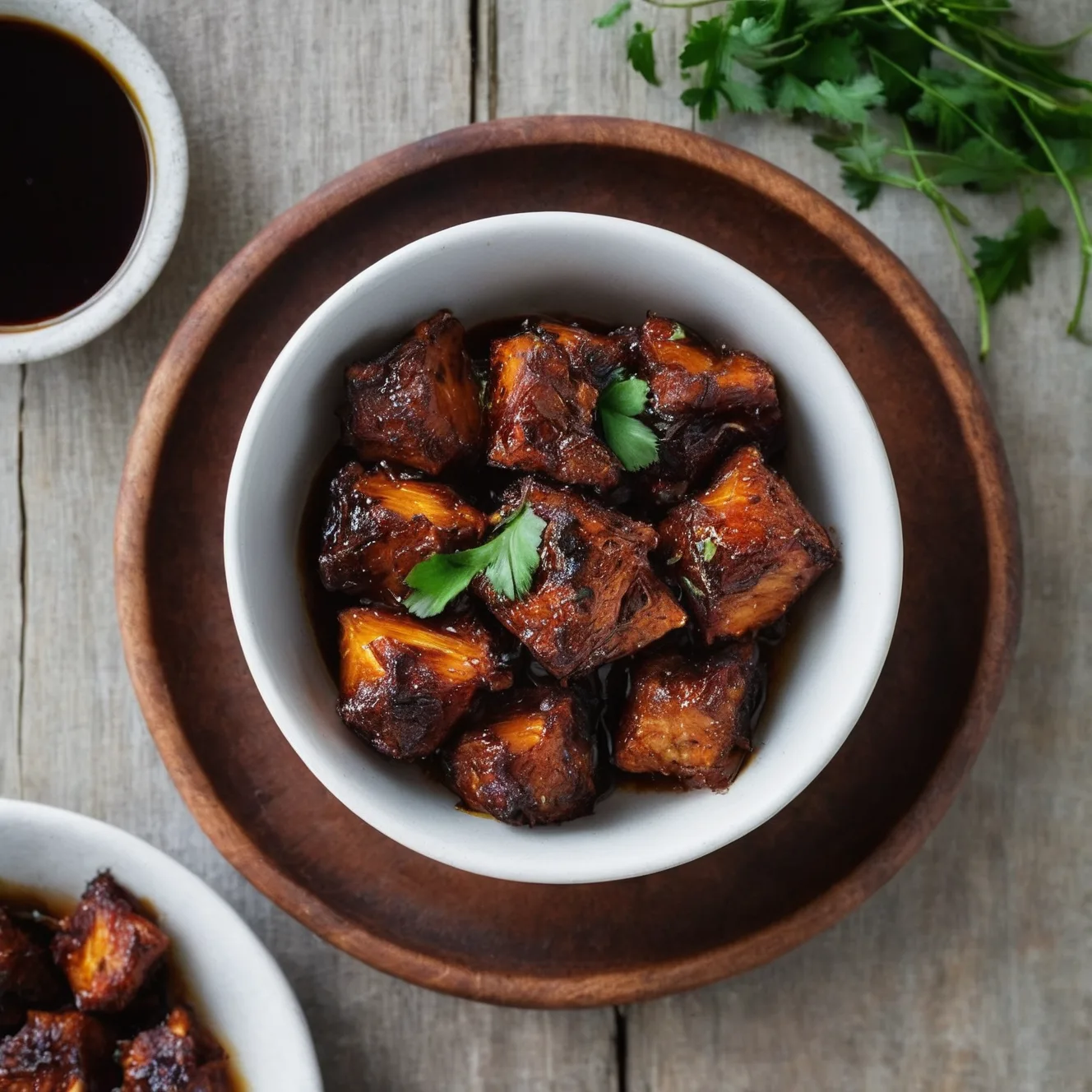
Extra crispy edges: After the braise is done, spread the finished Sofritas on a sheet pan and broil 3–4 minutes until some pieces develop char. The contrast between crispy tips and tender centers is very close to what you get at the bottom of a Chipotle steam tray at the end of a busy lunch shift.
Mild version: Use 1 chipotle pepper and no additional chili powder. The poblano and adobo sauce still give smoke and depth without the heat.
Sofritas tacos: Warm corn tortillas in a dry skillet until soft and slightly charred. Fill with Sofritas, pickled red onion, and a drizzle of Chipotle’s honey vinaigrette. The vinegar in the pickled onion cuts through the richness of the braise.
Grain bowl: Skip the burrito format and serve over cilantro-lime rice with a full batch of corn salsa stirred in. Lighter than a full burrito, faster to assemble.
Cost Comparison
Sofritas bowl at Chipotle: $10.50–$11.50 depending on location and toppings.
This recipe (4 servings, with rice and beans): $6.00–$7.00 total, or about $1.50–$1.75 per serving.
A 14 oz block of extra-firm organic tofu costs $2.00–$3.50 at most grocery stores — less than one restaurant serving of Sofritas. The sauce ingredients (one can of chipotle peppers in adobo, one poblano, half a can of crushed tomatoes) cost roughly $2.00–$3.00 and make a full batch.
For the complete Chipotle burrito bowl at home, swap in this Sofritas for the chicken and you have a fully vegan bowl for a fraction of the restaurant cost.