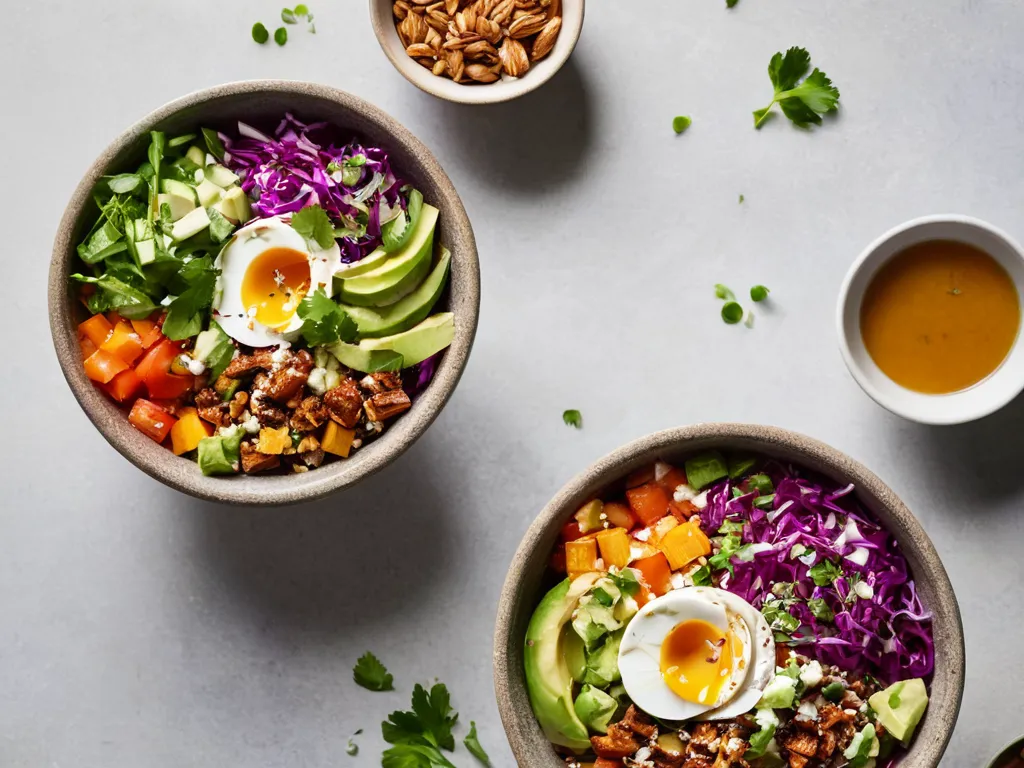
Chipotle’s Lifestyle Bowls are pre-configured menu combinations you can order through the app or website, each designed around a specific diet or fitness goal. They launched in January 2019 and have grown into a lineup of eight bowls covering keto, Whole30, Paleo, high-protein, high-fiber, low-calorie, balanced-macro, vegetarian, and vegan eating. The most recent additions — the High Protein-High Fiber Bowl and the High Protein-Low Calorie Salad — joined the lineup in December 2025. Chipotle updates the lineup periodically and the bowls live only in the app and on chipotle.com, so the app is always the source of truth for the current configuration. Here is what’s in each bowl, the approximate nutrition, and how to make them at home.
TL;DR
Chipotle’s Lifestyle Bowls, available only in the app and on chipotle.com: Wholesome Bowl (Paleo + Whole30 + Keto, no dairy, guac-based fat), Keto Salad Bowl (dairy keto with sour cream + cheese), High Protein Bowl (double chicken, ~82g protein, ~850 cal), Balanced Macros Bowl (light rice + beans, most rounded macros), Veggie Full Bowl (meatless — black beans + corn salsa + guac), Plant-Powered Vegan Bowl (Sofritas-based, Chipotle’s labeled vegan option), High Protein-High Fiber Bowl (~46g protein, 14g fiber, ~540 cal — added December 2025), and High Protein-Low Calorie Salad (~36g protein, ~470 cal — added December 2025). None include chips or a drink — they’re the bowl only, starting from a diet-specific configuration you can then customize.
What Chipotle Lifestyle Bowls Actually Are
Lifestyle Bowls are not a separate menu category in-restaurant — they’re digital-only presets. When you order one through the Chipotle app or chipotle.com, you’re selecting a pre-configured ingredient combination optimized for a specific dietary goal. You can then modify it like any other order.
The practical implication: walk up to the counter and ask for “the Wholesome Bowl,” and the staff won’t know what you mean. The names are specific to the digital menu. You’d need to either order through the app for pickup, or describe the ingredients yourself: “Supergreens, chicken, fajita veggies, fresh tomato salsa, guacamole.”
Chipotle introduced Lifestyle Bowls in January 2019, partnering with Whole30 co-founder Melissa Hartwig Urban to verify the Whole30-compliant configuration. Two months later it added meatless Plant-Powered options. The line has since grown to include the High Protein Bowl, Balanced Macros Bowl, Veggie Full Bowl, and the Plant-Powered Vegan Bowl — and, with the December 2025 launch of Chipotle’s dedicated High Protein Menu, the High Protein-High Fiber Bowl and High Protein-Low Calorie Salad, bringing the lineup to eight.
Every Lifestyle Bowl at a Glance
| Bowl | Base | Protein | Key Toppings | Diet Labels | ~Calories | ~Protein | ~Net Carbs |
|---|---|---|---|---|---|---|---|
| Wholesome | Supergreens | Chicken | Fajita Veggies, Fresh Tomato Salsa, Guac | Paleo, Whole30, Keto, GF, Grain-Free | ~470 | ~35g | ~7g |
| Keto Salad | Supergreens | Chicken | Red Chili Salsa, Fresh Tomato Salsa, Sour Cream, Cheese | Keto, GF, Grain-Free | ~470 | ~41g | ~8g |
| High Protein | White Rice | Double Chicken | Red Chili Salsa, Romaine, Cheese | High Protein | ~850 | ~82g | ~52g |
| Balanced Macros | Light Rice | Chicken | Fajita Veggies, Fresh Tomato Salsa, Guac, Extra Romaine | Balanced, GF | ~805 | ~45g | ~48g |
| Veggie Full | None | Black beans | Fajita Veggies, Roasted Chili-Corn Salsa, Guac | Vegetarian (eats vegan), GF | ~460 | ~18g | ~35g |
| Plant-Powered Vegan | Cilantro-Lime Rice | Sofritas | Black Beans, Fajita Veggies, Salsas | Vegan, GF | ~500–600 | ~20g | ~varies |
| High Protein-High Fiber | Light Brown Rice | Chicken | Black Beans, Fajita Veggies, Corn Salsa, Tomato Salsa, Romaine | High Protein, High Fiber, GF | ~540 | ~46g | ~36g |
| High Protein-Low Calorie Salad | Supergreens | Chicken | Fajita Veggies, Fresh Tomato Salsa, Guac | High Protein, Low Calorie, GF | ~470 | ~36g | ~7g |
Nutrition figures are approximate, drawn from Chipotle’s published nutrition data and the app’s bowl builder; net carbs = total carbs minus fiber. Chipotle updates Lifestyle Bowls periodically — confirm the current build in the app before ordering.
The Wholesome Bowl
Ingredients: Supergreens, Chicken, Fajita Veggies, Fresh Tomato Salsa, Guacamole
The most versatile Lifestyle Bowl — it qualifies for Paleo, Whole30, Keto, Grain-Free, and Gluten-Free simultaneously because it uses no grains, no dairy, and no legumes. The fat content comes almost entirely from the guacamole (avocado fat), making it the cleanest macronutrient profile of any Chipotle bowl.
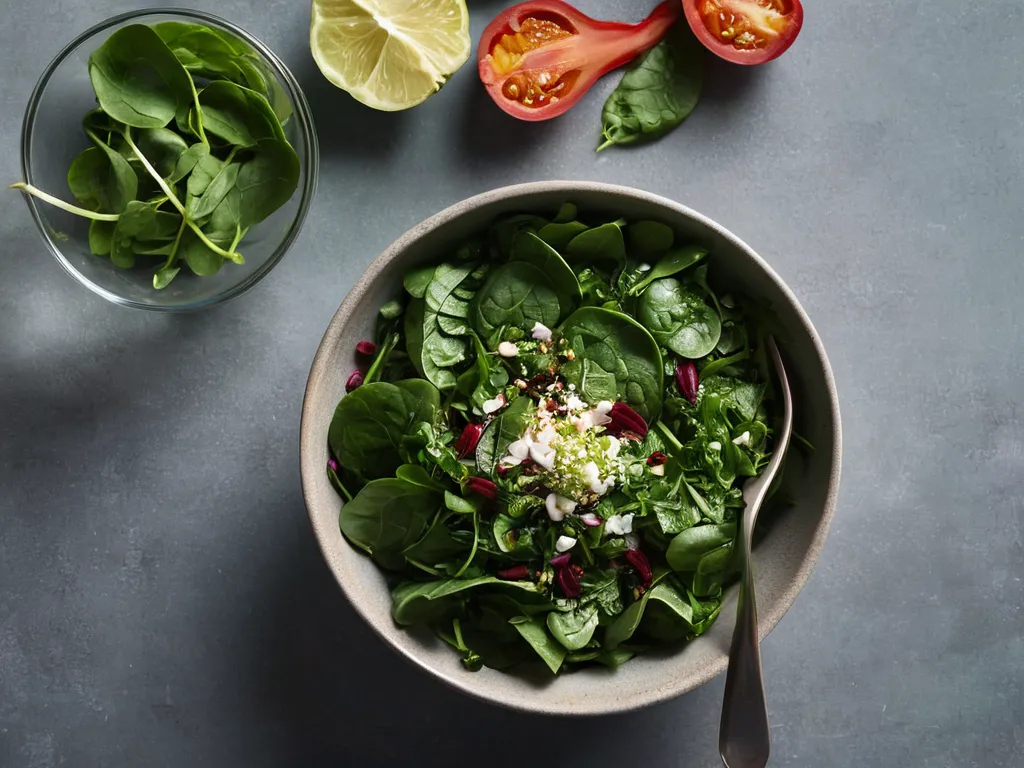
Why the Supergreens base matters: The original Chipotle salad base was romaine only. Supergreens mixes romaine with baby kale and baby spinach. The spinach adds iron and folate; the baby kale adds vitamin K and C plus a mild earthiness that cuts through the richness of the guacamole. If you order the Wholesome Bowl and want more substance, you can add extra Supergreens at no charge.
Protein options within this bowl’s diet constraints: The default is chicken, which is Paleo, Whole30, and Keto-compliant. Carnitas and barbacoa are also Whole30 and Paleo-compliant at Chipotle — if you’re bored with chicken, swapping to carnitas or barbacoa stays within the diet framework. Steak works for Paleo and Keto. Sofritas (tofu) is not Whole30-compliant. Cheese and sour cream are not Whole30-compliant, so skip those if strict Whole30 is the goal.
The guacamole question: Guacamole adds $2–3 at the restaurant. In the Wholesome Bowl, it’s included at no charge — one of the few instances where Chipotle includes guac for free as part of a configured bowl. This is a meaningful value: a 3.5-oz portion of guacamole is about $2.95 when ordered separately.
The Keto Salad Bowl
Ingredients: Supergreens, Chicken, Tomatillo-Red Chili Salsa, Fresh Tomato Salsa, Sour Cream, Cheese
Where the Wholesome Bowl gets its fat from avocado, the Keto Salad Bowl uses dairy fat: sour cream and shredded cheese instead of guacamole. This makes it explicitly dairy-keto — appropriate for ketogenic eating but not Whole30 or Paleo. Net carbs are approximately 8g, nearly identical to the Wholesome Bowl.
Tomatillo-Red Chili Salsa is Chipotle’s hot salsa — roasted tomatillos, dried red chili, and spices, with a bright, smoky heat. It’s the most carb-efficient salsa on the menu (approximately 3–4g net carbs per serving versus 5g for the fresh tomato salsa) because it has more soluble solids and less water content.
Why sour cream works better than you might expect for keto: Chipotle’s sour cream portion (2 oz) provides about 115 calories, 9g fat, 2g protein, and only 2g net carbs. It’s one of the cleanest fat sources at Chipotle from a keto macro standpoint. Cheese adds another 100 calories, 7.5g fat, 6g protein, and less than 1g carbs. Together they provide substantial dietary fat with minimal carb impact.
When to choose Keto Salad Bowl vs. Wholesome Bowl: If you’re tracking ketones and prioritizing dietary fat over plant-fat versus dairy fat — choose based on preference. If you’re combining keto with Whole30 or Paleo constraints, choose the Wholesome Bowl. If you eat dairy and want to keep it simple with fewer ingredients, the Keto Salad Bowl is slightly simpler to assemble at home.
The High Protein Bowl
Ingredients: White Rice, Black Beans, Double Chicken, Red Chili Salsa, Romaine, Cheese
The High Protein Bowl is the outlier: it’s not low-carb (the rice and beans bring carbs to approximately 68g) and it doesn’t qualify for any specific elimination diet label. The goal is maximum protein, and it delivers approximately 82g — driven by a double portion of grilled chicken (two full servings at roughly 32g each) plus protein from the rice, beans, and cheese. If you prefer variety, you can swap one of the two chicken portions for a portion of steak and keep the protein total in the same range.
Who this is for: Athletes and lifters who need a high-protein, high-calorie meal around training. At approximately 850 calories, 82g protein, 68g carbs, and 28g fat, the carbohydrates from rice and beans make this appropriate as a post-workout meal rather than a rest-day option.
The double protein cost: Chipotle charges for each protein portion, so a double-chicken bowl runs roughly $4–5 more than a standard single-protein bowl at the counter. This is one area where making it at home provides the biggest savings: cooking a double batch of copycat Chipotle chicken and portioning it over rice and beans costs a fraction of the restaurant price.
The High Protein Menu (launched December 23, 2025): Alongside the existing High Protein Lifestyle Bowl, Chipotle launched a dedicated High Protein Menu in the app on December 23, 2025, adding several new configurations built around adobo chicken and steak:
- High Protein Cup — a 4 oz portion of grilled adobo chicken, ~32g protein, ~180 calories; Chipotle’s first snack-format item. Priced around $7–8 at most locations (varies by market). During the Chicken al Pastor limited-time window it could be ordered with al Pastor instead of adobo chicken.
- Double High Protein Bowl — double adobo chicken, light white rice, black beans, fajita veggies, fresh tomato salsa, Monterey Jack cheese, and extra romaine; ~81g protein, 11g fiber, ~760 calories, ~$14–15. This is the High Protein Menu’s headline entrée — close to the older High Protein Lifestyle Bowl but built on light rice with tomato salsa rather than the full white-rice, red-chili-salsa configuration.
- High Protein-High Fiber Bowl — single chicken, light brown rice, black beans, fajita veggies, roasted chili-corn salsa, fresh tomato salsa, romaine; ~46g protein, 14g fiber, ~540 calories. Distinct nutritional angle from the double-protein bowl above.
- High Protein-Low Calorie Salad — supergreens, chicken, fajita veggies, fresh tomato salsa, guacamole; ~36g protein, 10g fiber, ~470 calories.
- Double High Protein Burrito — double adobo chicken, fresh tomato salsa, fajita veggies, Monterey Jack cheese, and romaine in a flour tortilla; ~79g protein, 6g fiber, ~840 calories.
- Adobo Chicken Taco — a single soft-flour taco with adobo chicken, fajita veggies, fresh tomato salsa, Monterey Jack, and romaine; ~15g protein, ~190 calories — the lightest item on the menu.
The High Protein-High Fiber Bowl and High Protein-Low Calorie Salad are covered in their own sections below, as they each represent a meaningfully different nutritional target from the double-protein High Protein Bowl above.
The Balanced Macros Bowl
Ingredients: Light Rice (half portion), Black Beans, Chicken, Fajita Veggies, Fresh Tomato Salsa, Guacamole, Extra Romaine
The Balanced Macros Bowl is the most nutritionally complete of the lineup: carbohydrates from light rice and black beans, fat from guacamole, protein from chicken, fiber from fajita veggies, and extra romaine for volume. “Light rice” is a half portion of white rice, reducing carbohydrates while maintaining the rice base.
The macro split: Roughly 805 calories with about 45g protein and 48g net carbs per Chipotle’s nutrition data — carbohydrate from the light rice and beans, fat from the guacamole, and protein from the chicken, in fairly even proportions. It’s the most rounded of the Lifestyle Bowls and the closest to a balanced maintenance-calorie meal for an active day.
At home: Use cilantro-lime rice cooked to a standard portion, then serve 3/4 cup instead of the usual full serving. Black beans warmed with cumin add about 10g protein and 40g carbs (15g net) per cup. Combined with the chicken, veggies, and guac from the Wholesome Bowl recipe, this recreates the Balanced Macros Bowl closely.
The Veggie Full Bowl
Ingredients: Black Beans, Fajita Veggies, Roasted Chili-Corn Salsa, Guacamole
The simplest bowl in the lineup — no added protein beyond black beans, no salad base, no dairy. The protein comes from black beans (approximately 7g per 4-oz serving at Chipotle) and the fat from guacamole. As configured it contains no animal products, so it eats vegan, with roughly 18g of plant protein total.
To increase protein without adding meat: Add sofritas. Chipotle sofritas is braised spiced tofu — approximately 8g of additional plant protein per serving, and the only non-bean vegan protein at Chipotle. Adding sofritas to the Veggie Full Bowl brings total protein to approximately 26g. If you want Chipotle’s officially labeled vegan bowl rather than a meatless build, order the Plant-Powered Vegan Bowl below.
The Roasted Chili-Corn Salsa note: It adds approximately 80 calories and 4g net carbs per serving, plus natural sweetness that balances the earthy black beans and rich guac. To make it at home, the copycat roasted chili-corn salsa is a 15-minute recipe using corn, roasted poblano, red onion, jalapeño, cilantro, and lime.
The Plant-Powered (Vegan) Bowl
Ingredients: Cilantro-Lime Rice, Black Beans, Sofritas, Fajita Veggies, Fresh Tomato Salsa, Roasted Chili-Corn Salsa
This is Chipotle’s labeled vegan Lifestyle Bowl — the meatless counterpart to the High Protein Bowl. Where the Veggie Full Bowl leans on black beans and guacamole, the Plant-Powered Bowl adds sofritas (organic braised tofu in a smoky chipotle-pepper sauce) as a dedicated plant protein over cilantro-lime rice. Expect roughly 500–600 calories depending on rice portion, with about 20g of plant protein from the sofritas and beans together.
Because it’s built on rice rather than a salad base, it’s the most filling vegan option and the easiest to recreate at home: cook cilantro-lime rice, warm black beans, crumble tofu into the sofritas adobo, and finish with fajita veggies and both salsas.
The High Protein-High Fiber Bowl
Ingredients: Light Brown Rice, Black Beans, Adobo Chicken, Fajita Veggies, Roasted Chili-Corn Salsa, Fresh Tomato Salsa, Romaine
Added to the Chipotle app as part of the December 2025 High Protein Menu, the High Protein-High Fiber Bowl is the most balanced of all the protein-focused configurations. Where the existing High Protein Lifestyle Bowl doubles the chicken to hit ~82g protein, this bowl uses a single chicken portion and builds protein through variety: chicken plus black beans plus corn salsa plus fajita veggies, landing at approximately 46g protein, 14g fiber, and 540 calories. The double-chicken approach maximizes the protein number; this bowl maximizes protein-per-calorie efficiency and satiety.
Why 14g fiber matters: The fiber comes from multiple sources — black beans (~8g per serving), the corn salsa (~2g), fajita veggies (~2g), and the romaine. At 14g, it’s nearly half the recommended daily intake in a single bowl. This is one of the reasons the High Protein-High Fiber Bowl is frequently recommended for GLP-1 users — high fiber slows gastric emptying and supports the same satiety signals those medications enhance.
Light brown rice: Unlike the full white-rice base in the standard High Protein Bowl, this uses a lighter portion of brown rice. Brown rice adds a slightly nuttier depth and marginally more fiber than white, while keeping the bowl from being too heavy. The effect is subtle, but the fiber contribution is real.
At home: Cook brown cilantro-lime rice (use the cilantro-lime rice recipe but swap in brown rice and extend the cook time to 40–45 minutes). Warm black beans with cumin. Sear adobo chicken in a cast iron pan. Char fajita veggies over high heat. Assemble with roasted chili-corn salsa and fresh pico de gallo, top with shredded romaine. No guac, no cheese — the macro efficiency is the point.
The High Protein-Low Calorie Salad
Ingredients: Supergreens, Adobo Chicken, Fajita Veggies, Fresh Tomato Salsa, Guacamole
Also part of the December 2025 High Protein Menu, the High Protein-Low Calorie Salad lands at approximately 470 calories, 36g protein, and 10g fiber — a ratio that outperforms most fast-casual options. The composition is nearly identical to the Wholesome Bowl (Supergreens, chicken, fajita veggies, tomato salsa, guac) but the framing and target audience differ. The Wholesome Bowl is positioned for Paleo, Whole30, and Keto; this salad is positioned for caloric efficiency and protein density.
What makes it different from the Wholesome Bowl in practice: Very little. Both use Supergreens, chicken, fajita veggies, fresh tomato salsa, and guac. The Wholesome Bowl carries the Paleo + Whole30 + Keto labels explicitly; the High Protein-Low Calorie Salad is labeled for its macro efficiency. If you’re ordering at Chipotle and want to control calories while hitting a protein target, either preset gets you to the same bowl — choose based on which label your diet plan uses.
Guacamole included? Worth confirming in the app: the Wholesome Bowl has historically included guacamole at no extra charge as part of the preset. The High Protein-Low Calorie Salad may handle guac the same way — verify before placing your order if cost matters.
At home: This is the simplest Lifestyle Bowl to replicate. Use the Wholesome Bowl recipe above — same five-ingredient guacamole, same adobo chicken, same high-heat fajita veggies. Build on a supergreens base (romaine + baby spinach + baby kale) and you have the exact same result.
Making Chipotle Lifestyle Bowls at Home
All eight bowls can be replicated at home using components that are already available as standalone recipes. The building blocks:
Proteins (pick based on your bowl):
- Chicken — copycat Chipotle honey chicken or a simpler adobo-cumin-oregano seasoned thigh
- Steak — copycat Chipotle steak, skirt or flap steak in the same adobo marinade
- Carnitas — copycat Chipotle carnitas, slow-braised pork shoulder with juniper and oregano
- Barbacoa — copycat Chipotle barbacoa, beef braised with chipotle, garlic, and lime
- Sofritas — Chipotle sofritas, crumbled tofu in the adobo mixture
The fajita veggies technique: High heat is the single most important factor. Chipotle cooks their fajita veggies in a very hot flat-top grill, getting char marks without long cooking times. At home: cast iron skillet over maximum burner heat, thin-sliced bell pepper and red onion, tossed occasionally but not stirred constantly. Six to eight minutes until some edges are blackened and the vegetables are soft but not limp. Finish with dried oregano and a pinch of salt.
The supergreens base: Roughly half chopped romaine, with baby spinach and baby kale making up the rest. The baby kale provides the mild earthy depth that distinguishes Supergreens from plain romaine. If you can only find romaine and spinach, use those — the bowl works fine without the kale.
At-home bowl cost versus restaurant:
| Chipotle restaurant | Homemade | |
|---|---|---|
| Wholesome Bowl (with guac) | ~$12–14 | ~$5–6/serving |
| High Protein Bowl (double protein) | ~$14–16 | ~$7–8/serving |
| Balanced Macros Bowl (with guac) | ~$12–14 | ~$4–5/serving |
| High Protein-High Fiber Bowl | ~$11–13 | ~$4–5/serving |
| High Protein-Low Calorie Salad | ~$11–13 | ~$4–5/serving |
Guacamole is included in the Wholesome Bowl and Balanced Macros Bowl at the restaurant. At home, two avocados (the base for the guacamole recipe) cost $2–4 depending on season, making two servings of guac.
Customization Tips
Protein swaps within diet constraints:
- Whole30/Paleo only: chicken, carnitas, barbacoa (no steak, which may have soy-based sauce depending on preparation; no sofritas, which is soy-based; no cheese or sour cream)
- Keto + dairy: any protein works; add extra cheese and/or sour cream to increase fat
- High protein + lower carbs: double chicken, skip the rice and beans, add extra fajita veggies
- Chicken al Pastor is a periodic limited-time protein — it most recently returned on February 10, 2026 (a day early, February 9, for Chipotle Rewards members). When it’s in rotation it can replace the standard adobo chicken in any bowl: it uses morita peppers, achiote, lime, cilantro, and a splash of pineapple for a brighter, more acidic profile. Because it’s an LTO rather than a permanent option, it cycles on and off the menu through the year — check the app for current availability before planning a bowl around it.
Salsa heat levels and carb counts:
- Fresh Tomato Salsa (pico de gallo) — mild, ~5g net carbs per serving
- Tomatillo-Green Chili Salsa — medium heat, ~3–4g net carbs
- Tomatillo-Red Chili Salsa — hot, ~3–4g net carbs
- Roasted Chili-Corn Salsa — medium, ~8g net carbs (highest carbs due to corn)
For strict keto, the tomatillo salsas (green or red) are the lower-carb choice. Fresh tomato salsa sits in the middle.
Adding the Chipotle Honey Vinaigrette: Chipotle’s honey-chipotle dressing is not included in any of the standard Lifestyle Bowl configurations but can be added to any of them as a dressing. For the Wholesome Bowl or Keto bowl served as salads, a drizzle adds additional flavor and about 260 calories and 25g fat per 2 fl oz serving — significant, so use sparingly. At home, the copycat version uses rice bran oil, red wine vinegar, honey, dried chipotle, and oregano.
What to add if you want the Queso Blanco: Chipotle’s queso blanco is not part of any Lifestyle Bowl configuration (it’s high in carbs from the peppers and tomatoes in the base). If you want to add it, choose the High Protein Bowl or Balanced Macros Bowl where the carb budget is already higher — adding queso to a Keto or Wholesome Bowl pushes net carbs up significantly.
More Chipotle Recipes
Every component of these bowls has a dedicated copycat recipe on the site:
- Chipotle Chicken Burrito Bowl — the classic full bowl with cilantro-lime rice, adobo chicken, beans, and guac
- Copycat Chipotle Guacamole — five ingredients, the actual Chipotle formula
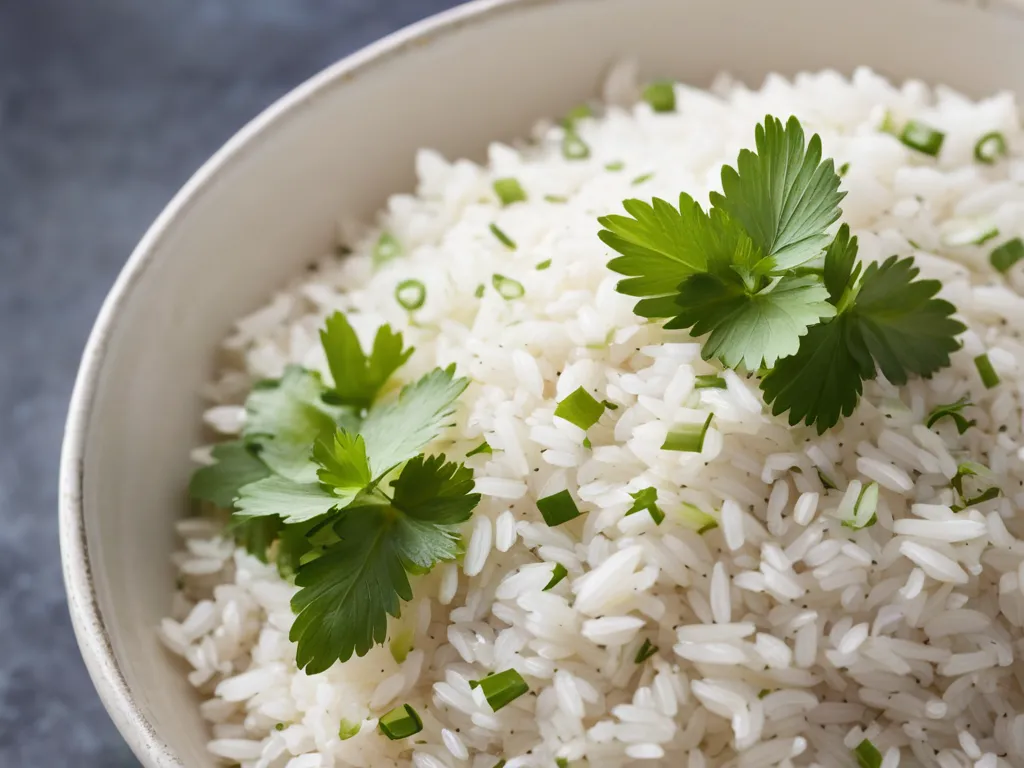
- Chipotle Cilantro-Lime Rice — the toasting technique and fresh-lime timing in detail
- Chipotle Corn Salsa — roasted poblano + corn for the Veggie Bowl
- Copycat Chipotle Honey Vinaigrette — the dressing, with verified official ingredient list
See all Chipotle copycat recipes →