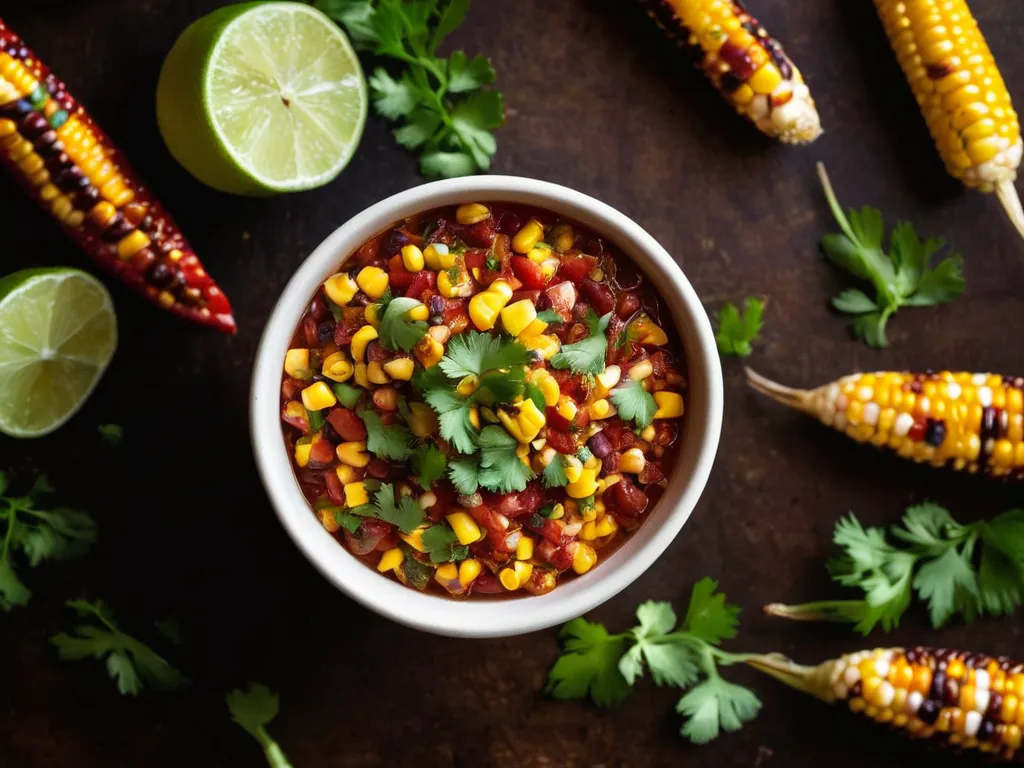
Chipotle Corn Salsa (Roasted Chili-Corn Salsa)
The name tells you exactly what’s in it: roasted chili, corn. But most copycat recipes miss the first half entirely — they make corn salsa with a little jalapeño and call it done. The actual Chipotle version has a roasted poblano pepper in addition to the jalapeño, and that poblano is what gives the salsa its depth. Charring changes the flavor of both the corn and the peppers in ways that simply warming them in an oven does not.
There’s also a citrus detail almost no copycat recipe catches: Chipotle uses both lemon juice and lime juice. They taste different. The lemon adds a slightly softer, more floral acidity; the lime adds the sharp citrus brightness. Used together, the result is a little more complex than either alone. Most home versions use only lime, which is fine, but the two-citrus version is what you’re buying at the restaurant.
TL;DR
Char the corn in a dry cast-iron skillet over high heat until genuinely black in spots. Fire-roast a poblano and jalapeño until blistered, steam 10 minutes, peel, and dice. Combine with red onion, cilantro, equal parts lemon and lime juice, and salt. Rest 15 minutes before serving. Stores refrigerated for 4–5 days.
The Charring Science
Most oven-based copycat recipes instruct you to roast corn at 400°F on a sheet pan, which produces warm, slightly dried-out corn with minimal browning and none of the smoky sweetness you’re trying to replicate. Here is why direct contact heat produces a fundamentally different result:
Maillard reaction: Proteins and reducing sugars at the corn kernel’s surface undergo a browning reaction starting around 280–300°F. This produces hundreds of flavor compounds — nutty, toasty, slightly bitter molecules that don’t exist in raw corn.
Caramelization: Corn kernels are naturally high in sugar. When the sugar on the kernel surface reaches around 320°F in contact with a hot pan, it caramelizes — producing sweet, complex, slightly dark flavor notes.
Both reactions require direct contact with a hot surface. Circulating hot air in a 400°F oven is not hot enough to reach the surface temperature needed for true browning before the moisture in the corn steams away. A dry cast-iron skillet over high heat reaches surface temperatures of 600°F+ before you add the corn — which is exactly the range where Maillard browning and caramelization happen fast.
The practical result: corn charred in a skillet develops genuinely dark spots within 3–4 minutes without stirring. That char is not burnt — it is a mix of Maillard and caramelized flavors sitting alongside the natural sweetness of the rest of the kernel.
The key rule: do not stir. Let the corn sit in contact with the hot pan long enough to develop color before moving it. Stirring constantly keeps the corn moving and prevents any single kernel from accumulating enough heat to char.
The “Roasted Chili” in the Name
The “roasted chili” refers specifically to roasted poblano pepper — a large, dark-green Mexican chili that is fire-roasted until charred, then steamed and peeled. Roasted jalapeño is also in the recipe; together they create the heat profile that raw jalapeño alone cannot produce.
Poblano (mild): 1,000–2,000 Scoville. The heat level is similar to a mild jalapeño, but the flavor of a roasted poblano is nothing like a raw one. Raw poblanos are slightly bitter and vegetal; fire-roasted poblanos become sweet, earthy, and smoky. That roasted character is what you taste in the background of Chipotle’s corn salsa — a depth that isn’t coming from the corn or the citrus.
Jalapeño (medium): 2,500–8,000 Scoville. The sharp, green, grassy heat of jalapeño cuts through the sweetness of the corn and rounds the salsa out. Roasted jalapeño is slightly less sharp than raw but still brings heat.
Both peppers improve by being charred. The charred skin traps steam when the pepper rests in a covered bowl, which softens the flesh and loosens the blackened exterior for easy peeling. Never skip this rest step — it’s what makes the peppers peel cleanly.
How to Choose Your Poblano
Fresh poblanos are standard at most grocery stores near the jalapeños and Anaheim chilis. They are large (5–6 inches), dark green, and slightly waxy. Look for firm ones with no soft spots. If you can’t find poblano, a roasted Anaheim (also called “California green chili”) is the closest substitute — slightly milder, slightly sweeter. Hatch green chiles (in season July–September) are an excellent seasonal substitute with more heat.
White Corn vs. Yellow Corn — and Fresh vs. Frozen
White sweet corn, not yellow: Chipotle uses white sweet corn, and this is the most commonly missed detail in copycat recipes. White sweet corn is sweeter, less starchy, and slightly more tender than yellow corn — a meaningful difference in a salsa where the corn is the primary ingredient. Look for white sweet corn ears at farmers markets and grocery stores July through September, or in the freezer section year-round (Birds Eye, Green Giant, and store-brand frozen white sweet corn are widely available).
If white sweet corn is unavailable, yellow sweet corn is a reasonable substitute. The flavor difference is real but not dramatic; the charring technique matters more.
Fresh corn (July–September): The best result. Char the whole cob on a gas grill or flame for maximum flavor, then cut kernels off. Or cut kernels first and char in a skillet — both work.
Frozen white corn (thawed, year-round): Chipotle’s actual method, and a perfectly good home approach. Frozen corn is blanched before freezing, which removes some field-fresh sweetness, but charring recovers much of the flavor. The critical step: thaw completely and pat bone-dry with paper towels. Surface moisture turns to steam in the skillet and prevents the char. Cook in two batches if necessary — an overcrowded skillet steams rather than chars.
Canned corn: Not recommended. The kernels are packed in liquid and cooked until soft; they lack the structural firmness to char properly and the texture is too yielding in the finished salsa. If canned corn is the only option, drain thoroughly, pat completely dry, and accept that it won’t char as nicely.
The Lemon-Lime Combination
Citrus is the brightest flavor note in this salsa, and most people associate Chipotle’s corn salsa with lime. But the actual recipe uses both lemon and lime juice in roughly equal amounts — about 1 tablespoon each for a 3-cup batch.
Why both? Lemon and lime juice have different flavoring compounds. Lime juice gets most of its character from key lime oil compounds (especially limonene) that read as sharp, tropical citrus. Lemon juice has a slightly softer profile with different aromatic compounds — more floral, more rounded. Together, the citrus character is more complex: bright from the lime, softer in the background from the lemon.
Practically: using only lime makes the salsa taste slightly one-note, acidic in a pointed way. The lemon rounds out the edge. Use fresh-squeezed for both — bottled juices don’t have the same aromatic complexity.
Serving Pairing Guide
The corn salsa is most commonly scooped with tortilla chips, but the real value is as a topping or component, where it functions as a brightness and texture contrast:
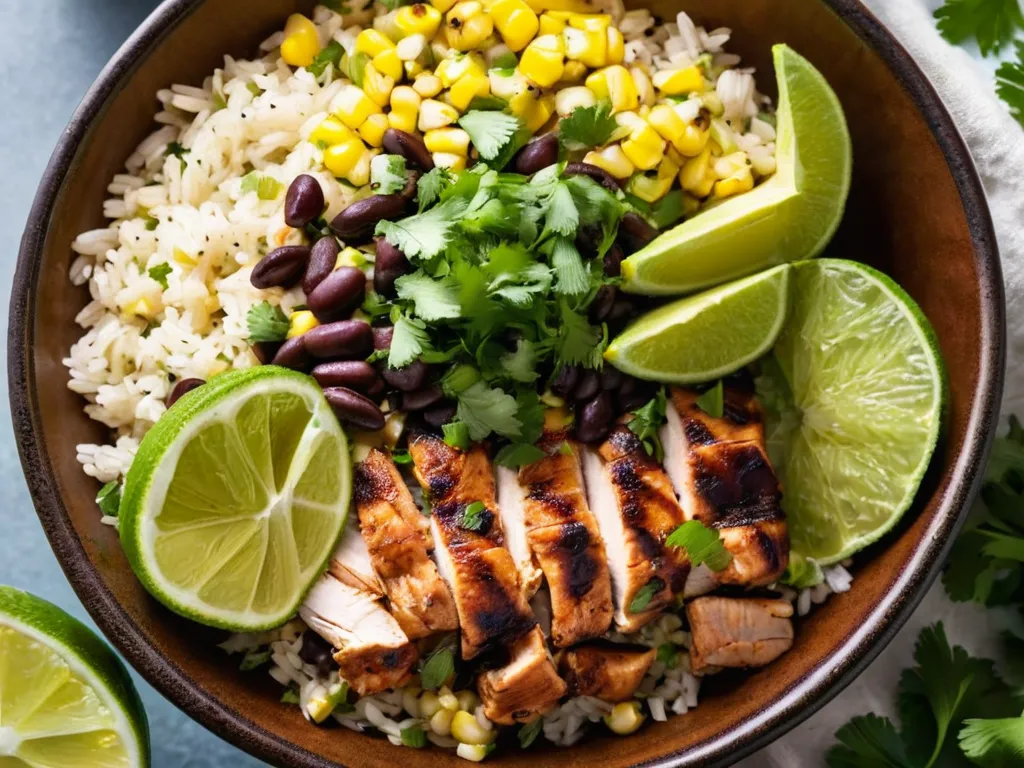
In a burrito bowl: piled directly on the rice alongside black beans, protein, and sour cream. The sweet-smoky-acidic corn cuts through the richness of carnitas, barbacoa, or chicken.
On tacos: a heaping spoonful over grilled chicken, fish, or shrimp tacos. The charred-corn sweetness contrasts spiced proteins and the texture adds crunch to soft taco shells.
On grilled chicken or salmon: a room-temperature salsa spooned over hot-off-the-grill protein is a technique for adding brightness without a sauce. Works especially well with grilled fish where heavy sauces feel too rich.
As a dip trio: corn salsa + guacamole + queso blanco in the center of a chip platter covers sweet, creamy, rich, and bright in one arrangement.
In scrambled eggs or huevos rancheros: a heaping spoonful adds character to a simple egg dish in a way that regular salsa doesn’t.
Variations
Spicier version: Keep all the jalapeño seeds in and add a second jalapeño. Can also increase the chipotle in adobo to 1 teaspoon for more smoky heat.
Hatch chile season version (July–September): Replace the poblano with 1–2 fresh Hatch green chiles (roasted the same way). Hatch chiles have a distinctive sweet-vegetal heat profile that’s worth trying when they’re in season.
Mango-corn salsa: Add 1/2 cup finely diced ripe mango. The mango sweetness plays off the roasted corn and the heat from the jalapeño in a way that makes the salsa good on fish tacos. Reduce the added salt slightly.
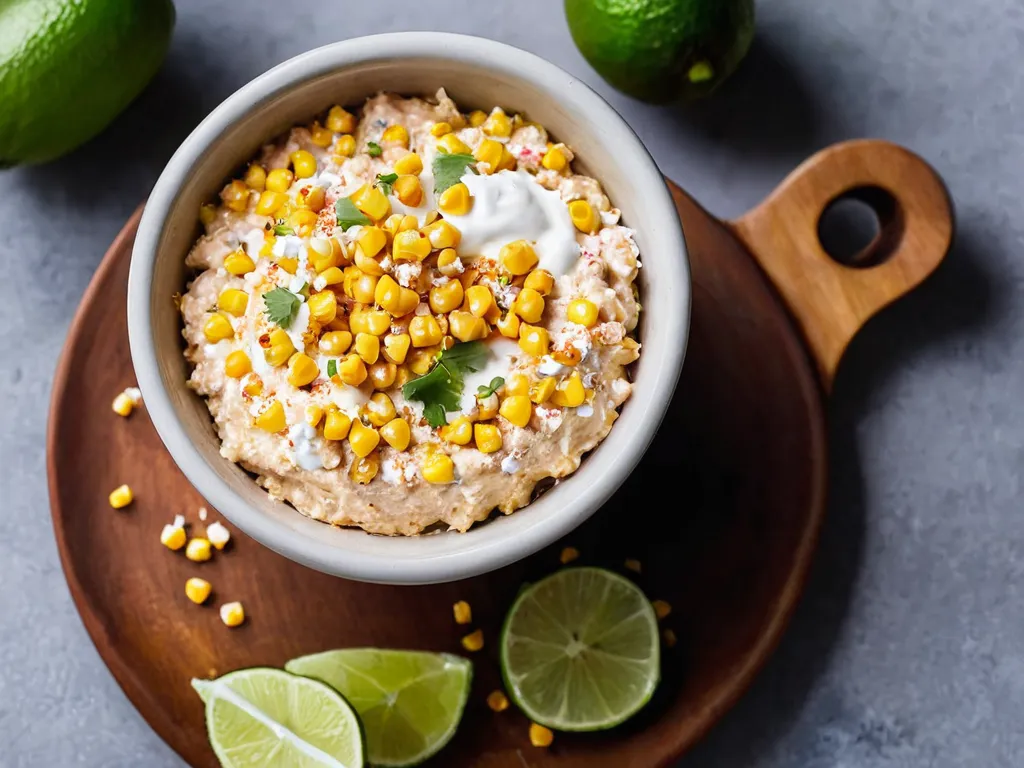
Elote-style (street corn): After combining, fold in 2 tablespoons of crumbled Cotija cheese and a pinch of ancho chile powder. Transforms the salsa into something closer to elote (Mexican street corn), which is excellent as a standalone side dish.
Cost Comparison
| Chipotle | Homemade | |
|---|---|---|
| Side of corn salsa (small portion, ~2 oz) | ~$2.50–$3.00 | ~$0.30 |
| Full batch (~3 cups = 8+ servings) | ~$20–$24 worth of portions | ~$4–6 total |
The cost savings are especially notable because Chipotle’s portions are small and the corn salsa goes with nearly everything.
Make the Full Chipotle Bowl at Home
This corn salsa is one component of a full Chipotle bowl — and each part is simple to make separately:
- Chipotle Chicken Burrito Bowl — the complete build: spiced chicken, rice, beans, guac, corn salsa, sour cream. The guide covers the seasoning blend, the rice cook, and assembly order.
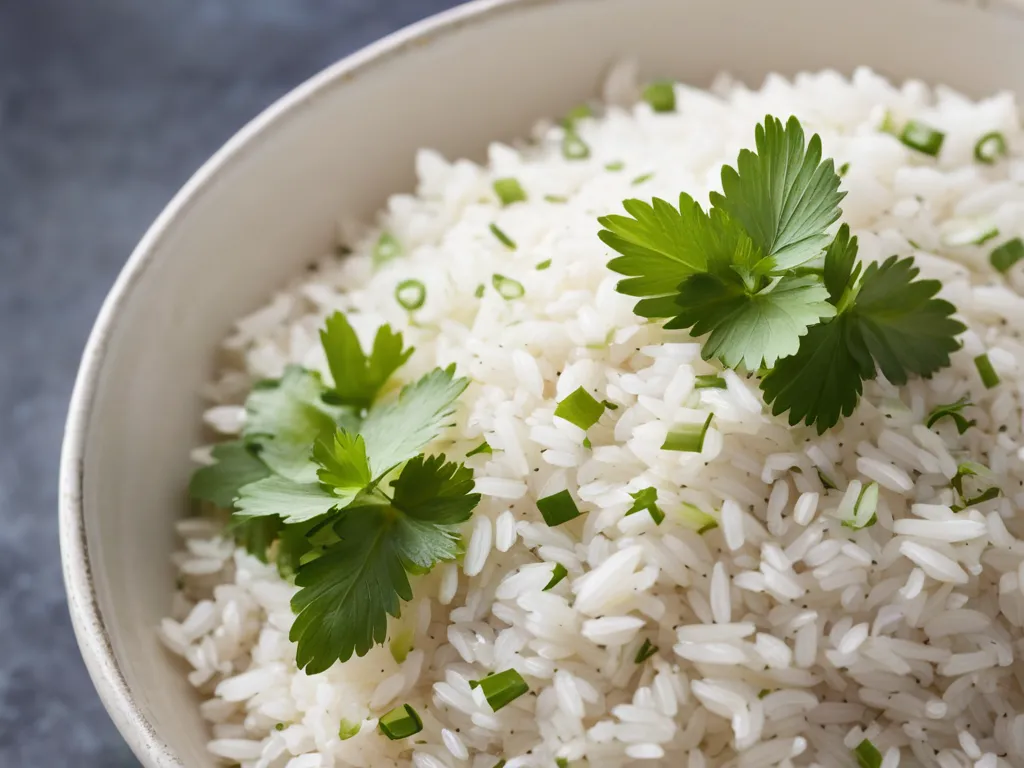
- Chipotle Cilantro-Lime Rice — the base: long-grain white rice cooked with bay leaf, finished with lime juice, cilantro, and a small amount of lemon juice (the same dual-citrus principle as this salsa).
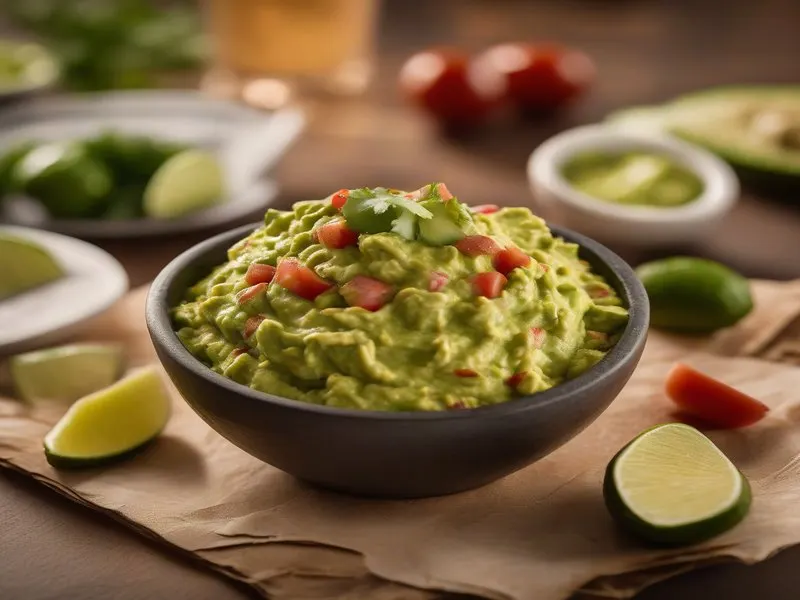
- Copycat Chipotle Guacamole — six ingredients confirmed: Hass avocado, lime juice, cilantro, red onion, jalapeño, salt. No garlic, no tomato. The guide includes the exact mash technique.
- Copycat Chipotle Queso Blanco — the creamy white queso for the chip-and-dip trio alongside this corn salsa and the guacamole.
- Copycat Chipotle Carnitas — the orange-and-bay-leaf braised pork that’s the best protein pairing for the corn salsa in a bowl or taco.
- Copycat Chipotle Steak — the cumin-oregano-chipotle marinated steak, seared high and sliced thin.
See all Chipotle copycat recipes →