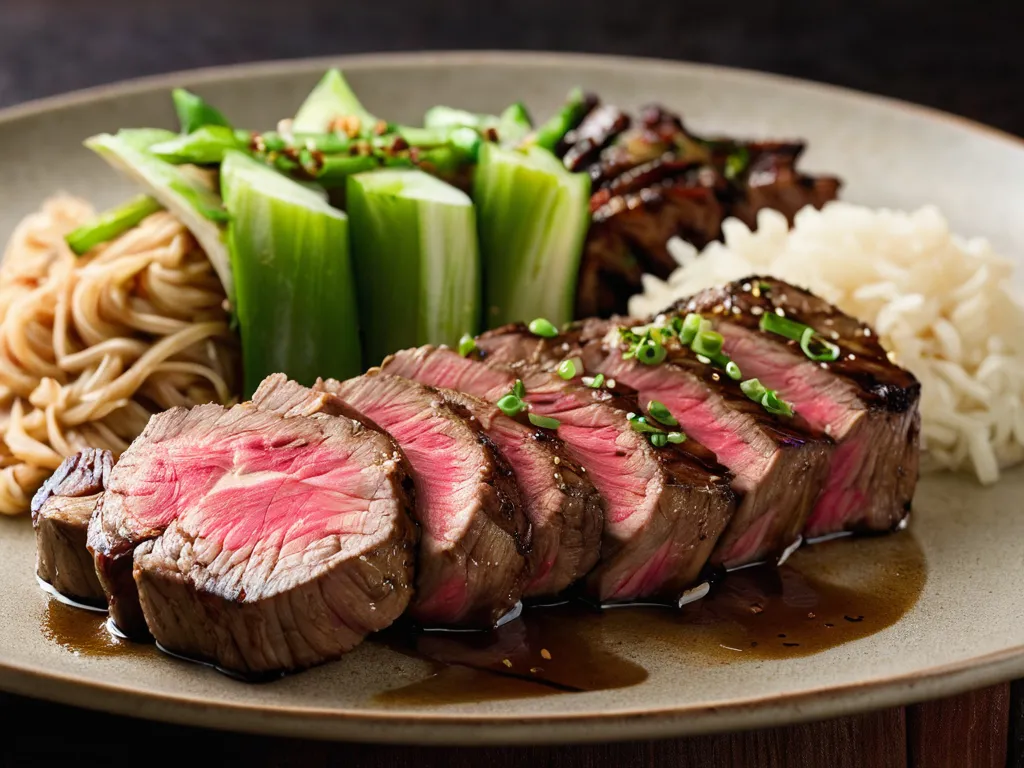
Copycat Benihana Hibachi Steak
Prep time: 10 min Cook time: 10 min Servings: 4
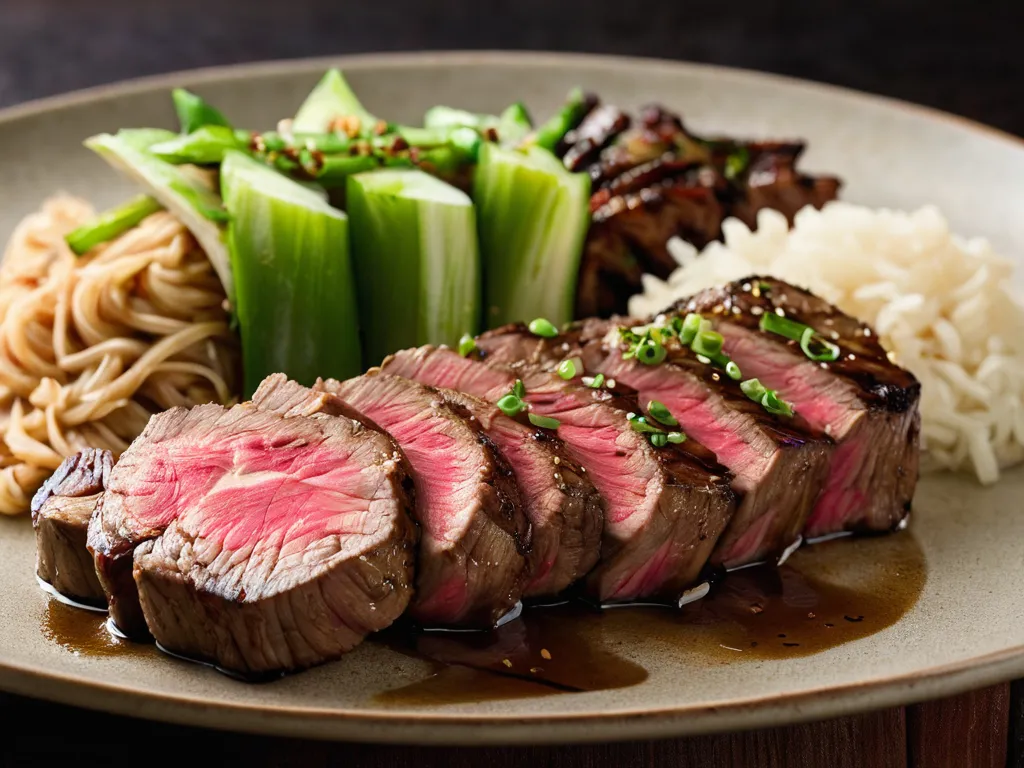
Benihana’s hibachi steak is the centerpiece of the teppanyaki experience. Cubes of beef hit the flat steel grill, sizzle violently, and get finished with garlic butter and soy sauce that caramelize into a dark, savory glaze. The steak comes off the griddle with a hard sear on the outside and a pink, juicy center — no steak sauce needed, no elaborate marinade, just beef, butter, garlic, and soy on the hottest surface in the building.
This recipe strips away the performance and focuses on the technique. You need a screaming hot cast iron skillet, decent sirloin, and the discipline to leave the meat alone while it sears. The entire cook takes 10 minutes. The flavor comes from the Maillard reaction — the chemical browning that happens when protein meets extreme heat — amplified by garlic butter and concentrated soy sauce. It is a lesson in how few ingredients you need when your technique is right.
Why Make It at Home?
A Benihana Hibachi Steak dinner costs $28-$38 per person depending on the cut, plus $8-$10 for soup, salad, and sides that come with the meal. Add tax and a 20% tip, and two people are spending $80-$100 for dinner. This recipe feeds four for roughly $24 in steak — about $6 per serving. Pair it with homemade fried rice and yum yum sauce, and the complete Benihana spread costs under $10 per person. That is a 70-75% savings.
The steak quality can also be better at home. Benihana uses a standard choice-grade sirloin. At your local butcher or grocery store, you can select USDA Choice or Prime sirloin for a comparable or slightly higher price per pound and get a noticeably better piece of meat. Or go with New York strip for a splurge that still costs less than a single Benihana dinner.
What Makes Benihana’s Hibachi Steak So Good
The surface temperature is the biggest factor. Teppanyaki grills operate at 500°F or higher. At that temperature, the Maillard reaction happens in seconds rather than minutes. The exterior of each steak cube develops a deep brown crust while the interior barely has time to move past medium-rare. This extreme contrast between a crispy, caramelized outside and a tender, juicy inside is what makes hibachi steak so satisfying.
Garlic butter is the finishing sauce, and it works because of timing. The butter goes onto the hot griddle after the steak has already seared, so it foams, browns slightly, and coats the exterior of the cubes without steaming the meat. The garlic cooks in the butter for just seconds — long enough to release its aroma but not long enough to turn bitter. The whole process happens fast, which keeps the garlic flavor bright and punchy.
Soy sauce applied directly to the hot griddle — not drizzled on the meat — is a critical technique. When soy sauce hits a 500°F surface, the water evaporates instantly and the sugars and amino acids caramelize into a concentrated glaze. If you pour soy sauce onto the meat, it dilutes across the surface and tastes thin. Pouring it onto the exposed griddle reduces it to a syrupy glaze in seconds, and then you toss the steak through it. This is how Benihana chefs get that dark, sticky coating that looks like it took hours but actually took 15 seconds.
Tips & Variations
- Get the pan as hot as possible. Preheat cast iron for a full 4 minutes over the highest flame your stove produces. If the oil does not smoke within 2 seconds of hitting the pan, wait longer. This is not the time to be cautious about heat.
- Work in batches if needed. Crowding the pan drops the temperature and causes the steak to steam rather than sear. If your skillet cannot hold all the cubes with space between them, cook in two batches.
- Cut the cubes uniformly. Steak cubes of different sizes cook at different rates, leaving you with some pieces overdone and others raw in the center. Take the extra minute to cut them evenly.
- Substitute New York strip. More marbling than sirloin, which adds flavor and tenderness. Cut into the same 1-inch cubes and cook identically.
- Add mushrooms and onions. Slice button mushrooms and yellow onion into thick pieces. Cook them on the griddle before the steak and set aside. Return them during the soy sauce step.
Storage & Reheating
Hibachi steak is best eaten immediately. Reheated steak will overcook past whatever doneness you originally achieved, and there is no way to reverse that. If you must store leftovers, refrigerate in an airtight container for up to 2 days.
Reheat in a hot skillet for 30-45 seconds per side — just enough to warm through without additional cooking. Alternatively, slice the cold steak thin and use it in a grain bowl, salad, or stir-fry where the additional cooking is brief. Do not microwave hibachi steak. The uneven heating turns some cubes rubbery while leaving others cold, and the garlic butter separates into a greasy puddle. This recipe is best made in the quantity you plan to eat in one sitting.
Complete the Benihana Spread
The classic combination order at Benihana is steak and chicken. If you want both proteins at home, cook steak first (it needs more heat), set aside to rest, then cook the chicken in the same pan. Deglaze both together at the end.
- Hibachi chicken: Copycat Benihana hibachi chicken — boneless breast, same technique, plus both dipping sauces (mustard and ginger)
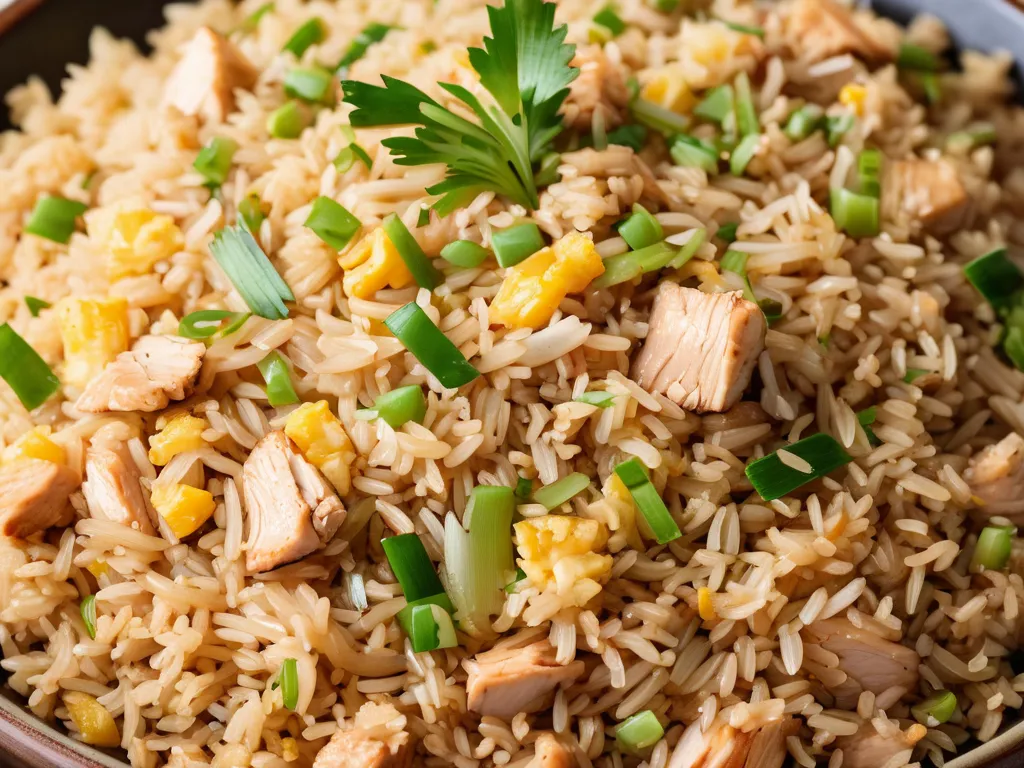
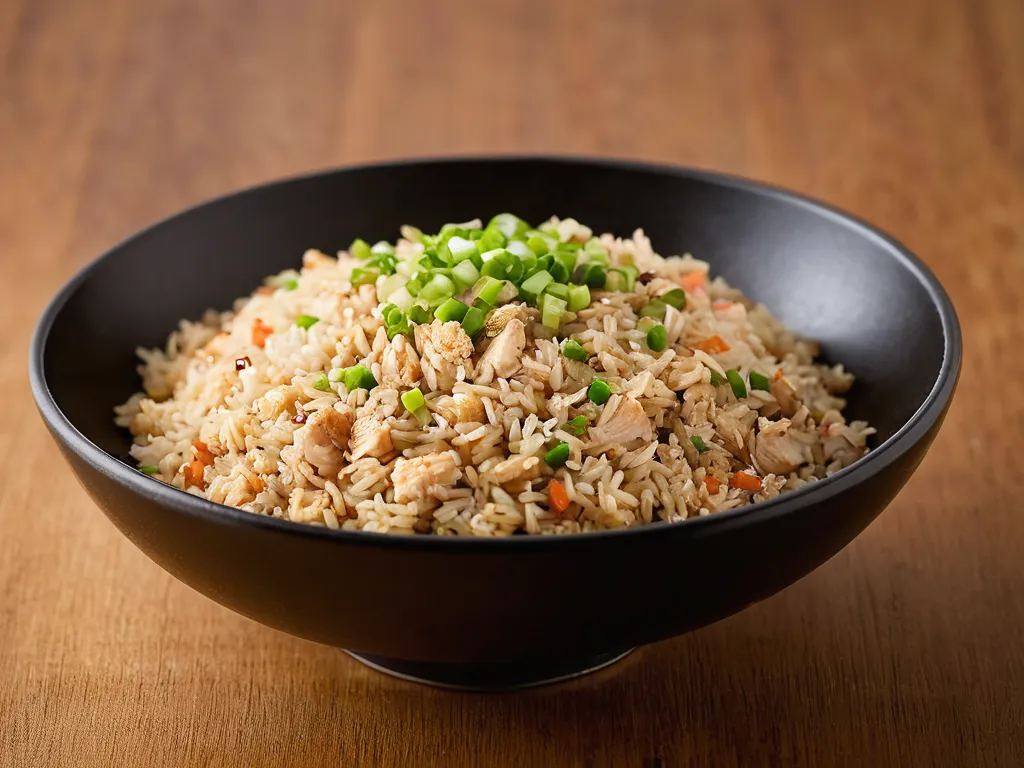
- Fried rice: Benihana-style fried rice — the butter technique, egg-well method, and all protein variations
- Yum yum sauce: Copycat Benihana yum yum sauce — the pink creamy dipping sauce
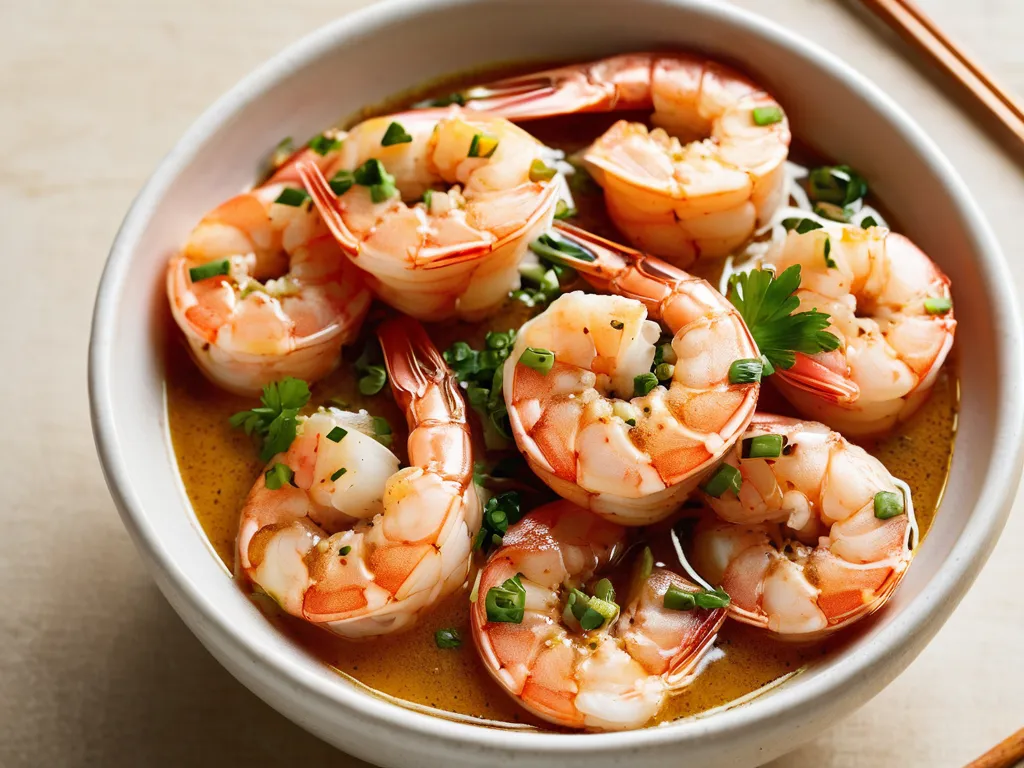
- Garlic butter shrimp: Benihana garlic butter shrimp — for the surf-and-turf plate