

Chick-fil-A’s Cherry Berry Lemonade comes back every August and disappears by November. It shows up on the menu with almost no fanfare — a small “Limited Time” badge next to the lemonade section — and then half the people who try it start Googling how to make it at home before the season ends.
The reason it’s hard to replicate at home is not the lemon juice and it’s not the technique. It’s the syrup. The syrup is where every copycat falls apart.
The Grenadine Problem
Search for “Chick-fil-A Cherry Berry Lemonade copycat” and you will find the same recipe, repeated on a dozen sites, with minor variations: cherry lemonade mix, pink lemonade, or — most commonly — fresh lemonade plus grenadine. The grenadine versions taste like a Shirley Temple. They’re fine. They don’t taste like Cherry Berry Lemonade.
Grenadine is made from pomegranate, not cherries. It has a pomegranate’s sweet, wine-like quality without the fresh-fruit tartness of actual cherries. When you add grenadine to lemon juice, you get sweetness layered on top of acidity — there’s no contrast, no brightness, no reason for the two flavors to exist in the same glass. It’s drinkable, but it’s not the drink.
Chick-fil-A’s cherry berry flavoring contains three fruits: cherry, blueberry, and cranberry. The cherry is the main note. The blueberry adds depth and the slightly purple color that makes the drink look richer than plain cherry lemonade. The cranberry is the piece everyone skips — and it is the piece that makes the drink work.
Cranberry is aggressively tart. By itself, a sip of unsweetened cranberry juice is nearly unpleasant. But in small proportions in a syrup, it functions as a flavor amplifier: it sharpens the cherry note, prevents the blueberry from making the syrup read as heavy, and — most importantly — it gives the combined syrup a tartness that meets the lemon juice as an equal rather than backing away from it. Cherry-only syrup and lemon juice produce one-dimensional sweetness. The three-fruit combination produces something that tastes like a real fruit drink.
What’s in the Official Version
Chick-fil-A’s cherry berry flavoring is a commercial syrup, not a fruit purée. The ingredient list from the Canadian menu listing (which is more transparent about additives) shows: glycerin, natural flavors (cherry, blueberry, cranberry), citric acid, and vegetable juice for color. The restaurant version uses artificial flavor compounds, not simmered fruit.
The home version gets there through simmered fruit. You won’t replicate the precise commercial flavor, but the simmered-fruit version produces something better in different ways: the cherry note is warmer, the blueberry is earthier, and the cranberry backbone is brighter than the artificial version. Multiple testers who tried both side-by-side preferred the homemade syrup, though it reads as slightly more complex and slightly less “candy” than the CFA original.
Making the Syrup
The syrup is a 20-minute project. The most important step is the cranberry juice add — wait until the fruit has already simmered and broken down for 15 minutes, then stir in the cranberry juice at the end. Adding it from the beginning causes it to reduce too much and turns tannic.
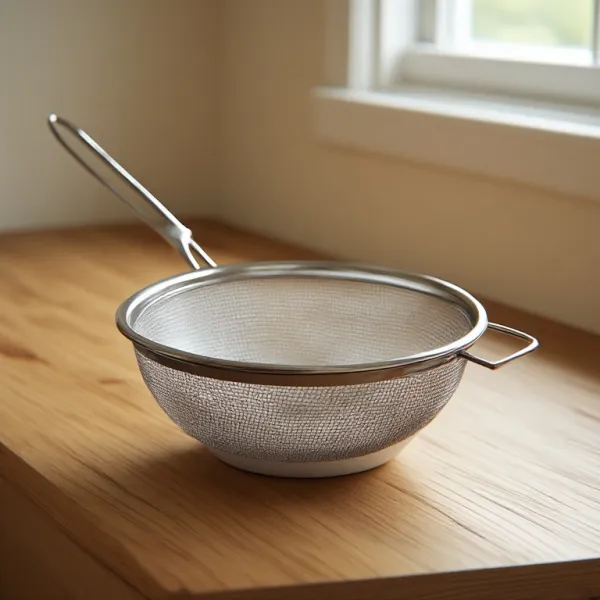
Strain firmly. The fruit solids look like they still have juice in them after the first pour-through, and they do. Press them with the back of a spoon until they’re nearly dry. The difference between a light press and a firm press is about 2–3 tablespoons of syrup per batch — that’s an extra drink.
Let the syrup cool completely before using it. The syrup is essentially simple syrup with fruit flavoring; hot simple syrup melts ice immediately and makes a diluted drink. A five-minute rush is never worth it here.
Building the Drink
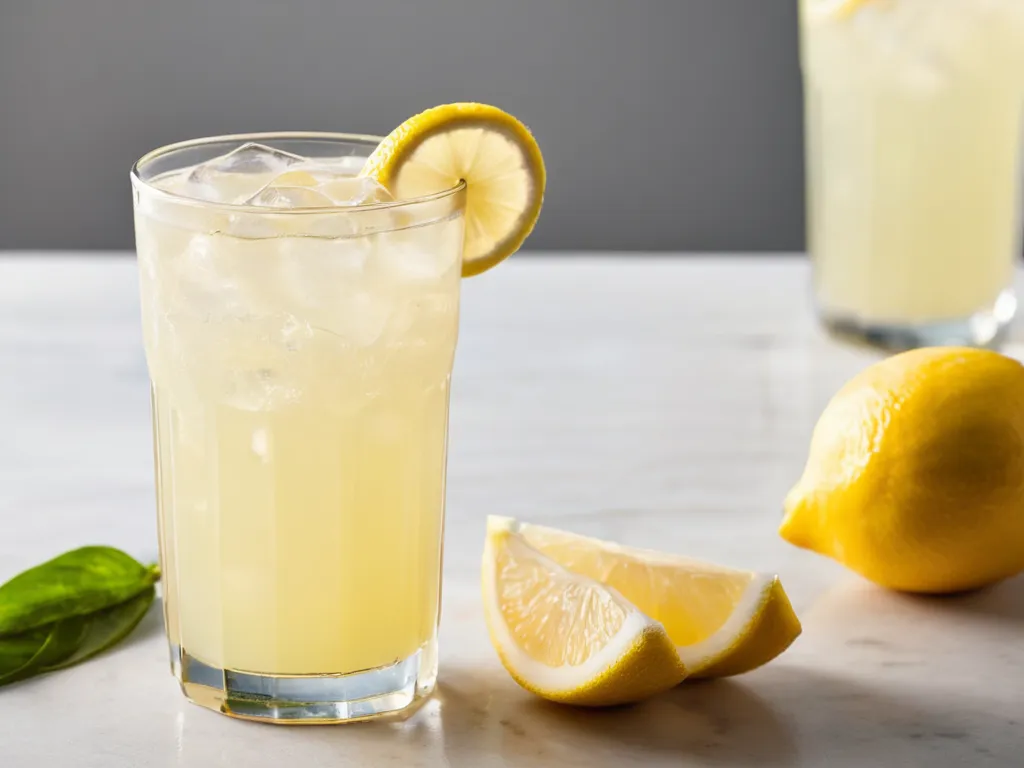
The ratio is 3–4 tablespoons of syrup per 16-ounce glass. Start at 3 tablespoons and taste. Chick-fil-A’s version tends toward the sweeter side, which is where 4 tablespoons lands. If you want the lemon to stay prominent — which is a legitimate preference — stay at 3.
Fill the glass with ice before adding anything. The lemonade should be cold before it goes in, and the syrup should be cold before it goes in. A warm syrup layered over cold lemonade creates an uneven thermal gradient that shows up as different sweetness levels at the top and bottom of the glass.
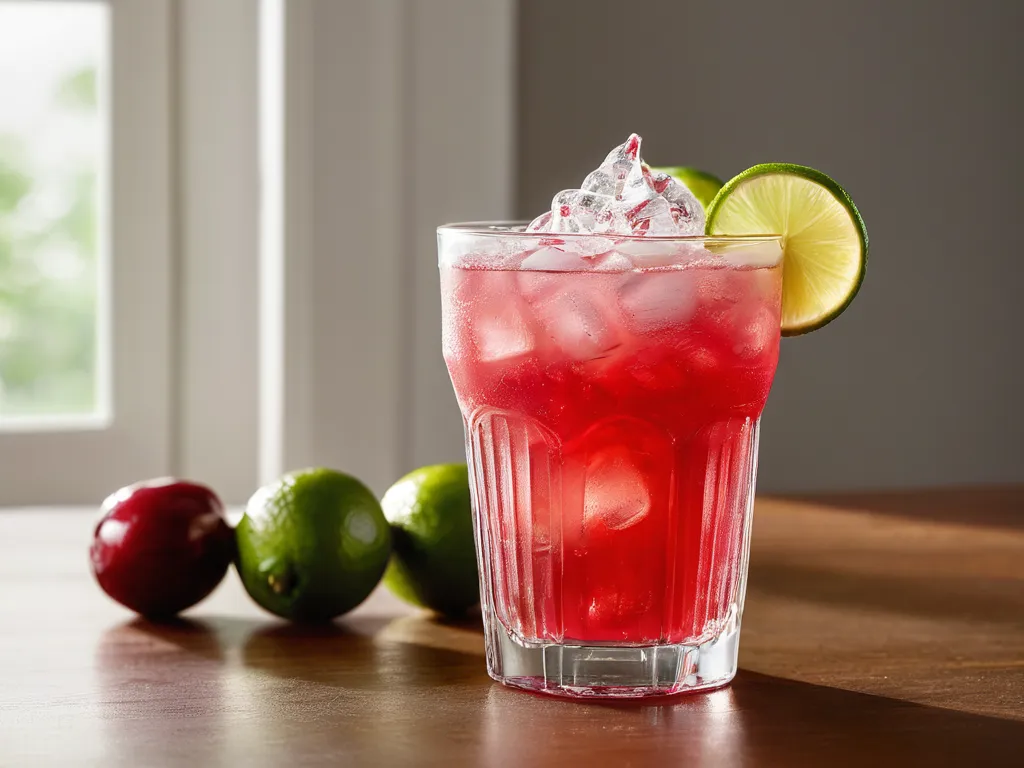
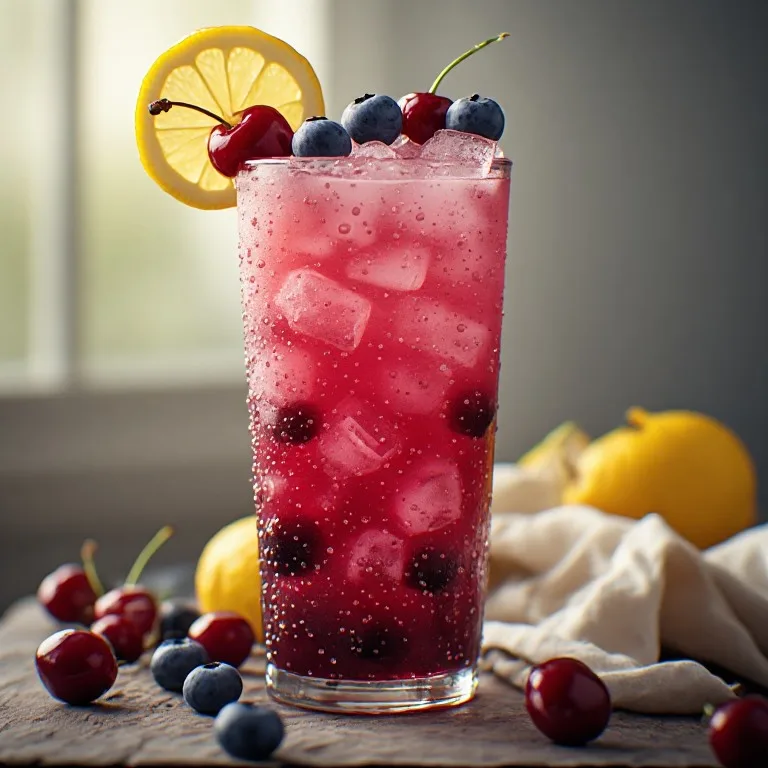
Stir gently. Two or three slow stirs is enough. The slight gradient of deep purple-pink at the top fading to a lighter yellow-pink at the bottom is worth preserving visually — it reads as “real fruit drink” in a way that a fully uniform pink drink doesn’t.
The Five Formats
CFA doesn’t just add cherry berry syrup to lemonade. The same syrup works across their whole beverage lineup for the fall season. The lemonade is the flagship, but the iced tea version is worth knowing about: the tannins in the black tea interact with the blueberry in the syrup and produce a more complex, slightly smoky fruit note than the lemonade version. It’s quieter but genuinely interesting. Use 3 tablespoons of the same syrup over sweetened iced tea.
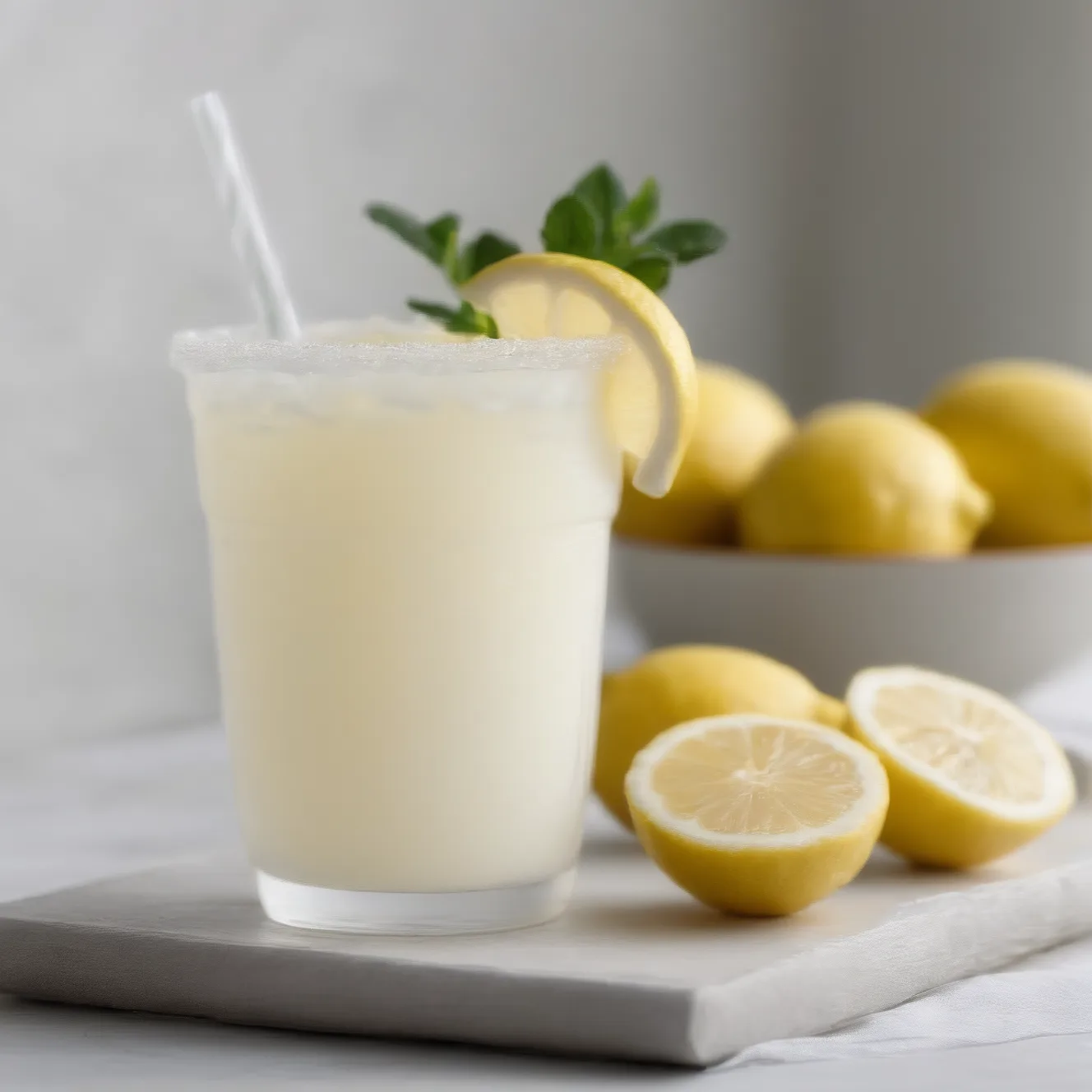
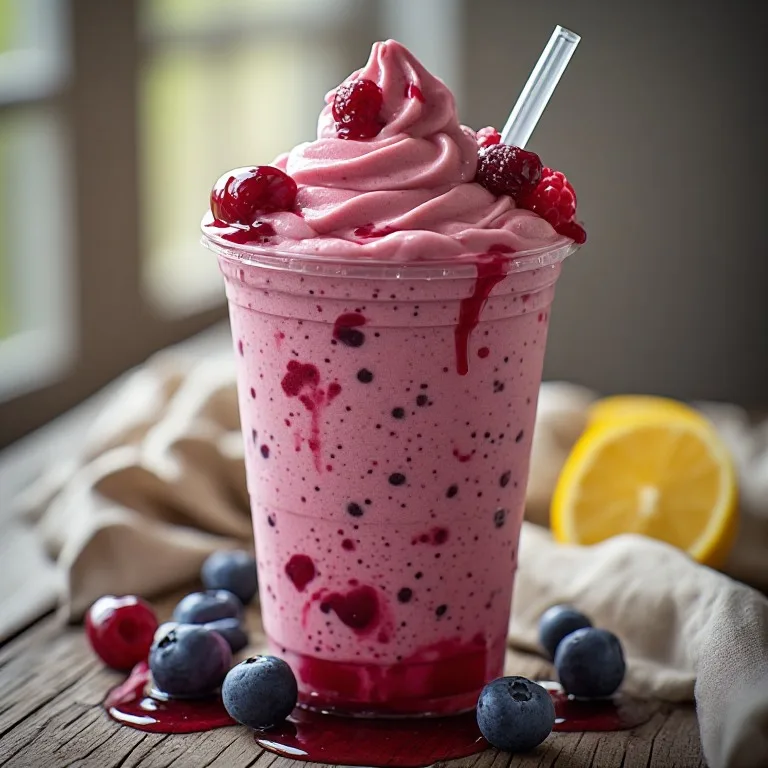
For the Frosted Lemonade, the syrup goes into the blender with the Icedream — not in after. Blending the syrup into the ice cream base rather than drizzling it on top distributes the fruit flavor throughout the drink instead of concentrating it in pockets. The frosted version changes the entire experience: it reads as a cherry-lemonade soft serve rather than a spiked lemonade, and at roughly 380 calories for a medium it crosses from “drink” into “treat” territory.
For a detailed guide to the Icedream blending technique and texture ratios, see the Chick-fil-A Frosted Lemonade copycat.
See all Chick-fil-A copycat recipes →