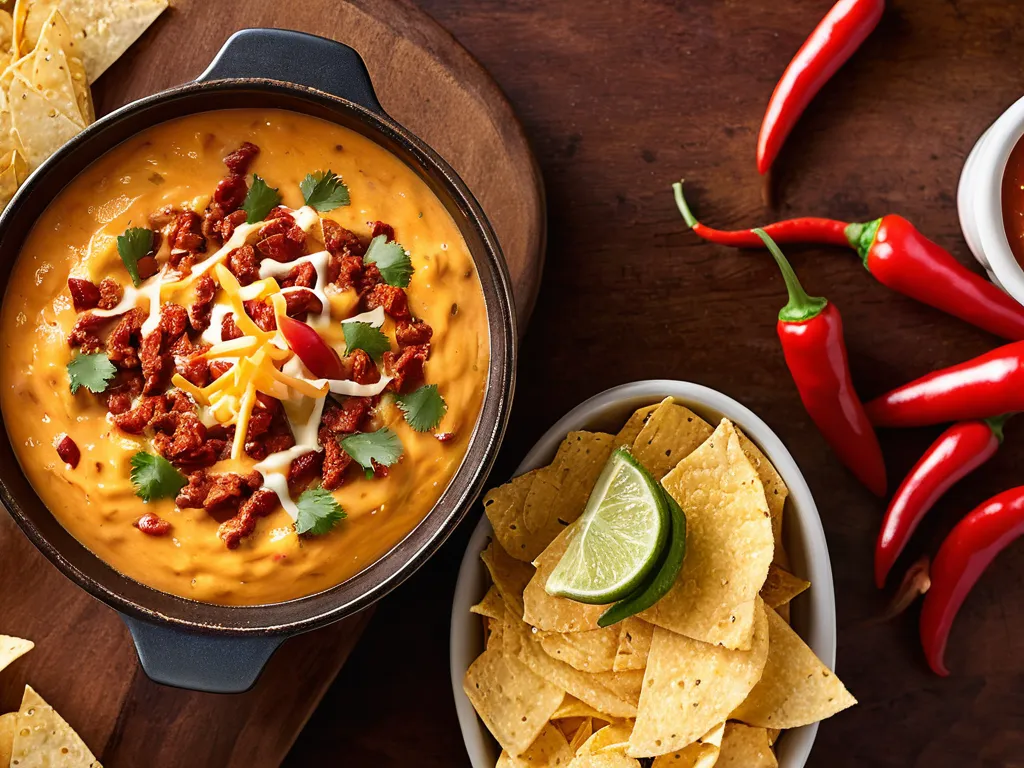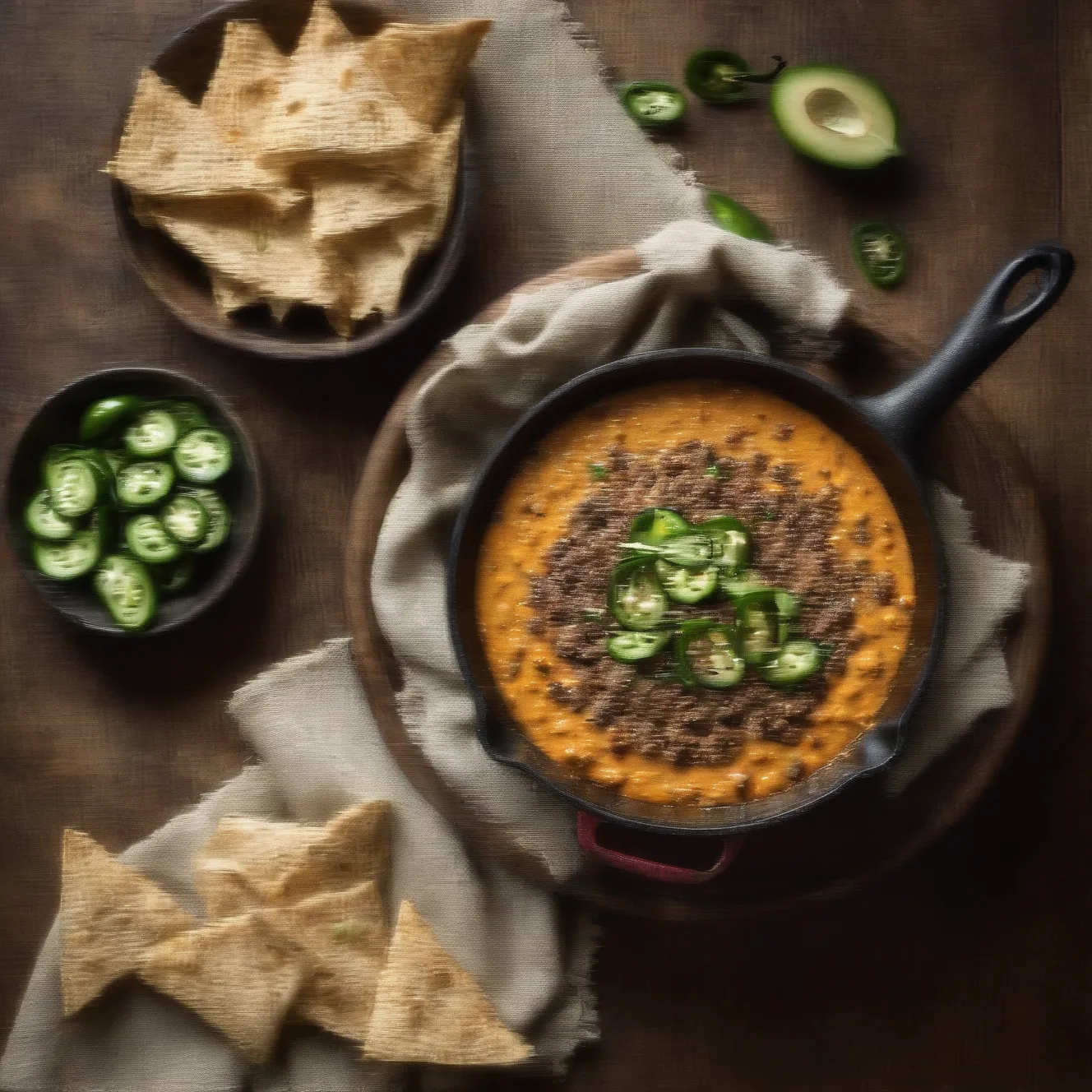
Chili’s Skillet Beef Queso is one of the most-ordered starters in American casual dining, and the reason is surprisingly simple: two shelf-stable ingredients, one pot, fifteen minutes. The restaurant has been running this queso since the 1990s with a formula that prioritizes consistency — the same smooth, meaty, chip-clinging texture at every table across thousands of locations. Once you know the actual method, the copycat is effortless.
The Unexpected Ingredient
Most home queso recipes call for browning fresh ground beef with Rotel tomatoes. Chili’s doesn’t. Every major copycat investigation — Recipe Critic, CopyKat, Country Cook — confirms the restaurant’s base is canned Hormel chili (no beans) melted directly into Velveeta. No browning step. No draining fat. The canned chili is already fully cooked and seasoned, which means it melts seamlessly into the cheese without any texture disruption.
This approach has three practical advantages. First, speed: the whole recipe takes under 20 minutes from fridge to skillet with almost no active work. Second, consistency: canned chili has the same fat content and seasoning every time, so the queso never breaks or tastes different batch to batch. Third, texture: the chili’s small ground-meat pieces distribute evenly through the melted cheese rather than sinking to the bottom the way fresh-cooked beef can.
If you want fresh beef, see the variation at the bottom — it works well, but it’s a home cook’s riff, not the restaurant method.
Why Velveeta (And Only Velveeta) Melts This Way
Real cheese — cheddar, Monterey Jack, any single variety — will curdle or seize when it hits high heat because calcium ions cause the casein proteins to bond and clump together. Velveeta contains sodium citrate, a food-grade emulsifying salt that binds to those calcium ions, keeping the casein proteins loose even under heat. The result is a completely stable emulsion: fat and liquid stay together and stay smooth at any dipping temperature.
This is also why restaurant queso seems indestructible — processed cheese bases won’t break even in a steam table. At home, the same property means you can walk away for a minute, come back, and find a smooth dip rather than an oil slick with cheese lumps.
The practical implication: do not use high heat. Velveeta doesn’t need it. Medium-low, constant stirring, and patience produce a glossy, fluid queso. High heat, even with Velveeta, can cause partial fat separation and a slightly grainy texture.
Consistency Control
Fresh Velveeta melts into a thick, fondue-style consistency. The canned chili thins it somewhat, but the right dipping texture depends on your preference and the moisture level of the specific chili brand.
Too thick: Add whole milk one tablespoon at a time, stirring fully between each addition. Two tablespoons usually does it. Water works but flattens the flavor; milk maintains richness.
Too thin: Reduce heat to the lowest setting and stir for an additional 2–3 minutes — the queso will tighten as excess steam escapes.
For a party: Transfer the finished queso to a slow cooker set to Warm. It will hold at dipping temperature for 2–3 hours without separating or forming a skin.
Cost at Home vs. Chili’s
| Home batch (8 servings) | Chili’s (1 order + chips) | |
|---|---|---|
| 1 lb Velveeta | ~$6.00 | — |
| 1 can Hormel chili | ~$2.50 | — |
| Milk, spices | ~$0.50 | — |
| Total | ~$9.00 | ~$11.00 |
| Per serving | ~$1.13 | ~$3.50–5.50 |
The home version is marginally cheaper per batch, but the real advantage is scale: $9 makes enough queso for 8–10 people, while a single restaurant order feeds 2–3.
Variations
Fresh beef version: Brown 1/2 lb 80/20 ground beef, breaking into very fine crumbles; drain the fat completely, season with 1 tsp chili powder, 1/2 tsp cumin, 1/4 tsp cayenne. Use this instead of (or alongside) the canned chili. Skip the Hormel or use half a can. This produces a slightly chunkier, beefier queso with more texture.
Chorizo version: Replace the Hormel chili with 1/2 lb crumbled cooked Mexican chorizo. The rendered fat from chorizo stays in the pan and emulsifies into the melted Velveeta — no additional milk needed. Spicier and smokier than the original.
Beer queso: Substitute 2–3 tablespoons of lager beer for the milk when thinning. The carbonation dissipates, leaving a subtle malt depth that rounds the saltiness without adding any noticeable beer flavor.
Rotel addition: Add half a can of undrained Rotel diced tomatoes with green chiles along with the canned chili for tomato brightness and extra chile heat. The juices thin the queso slightly — skip the milk entirely if using Rotel.
Spicier: Start with the “Hot” variety of Hormel chili and add 1/4 teaspoon cayenne. Fresh-sliced pickled jalapeños on top add heat without affecting the queso texture.
Storage and Reheating
Fridge: Queso keeps 4–5 days in a sealed container. It solidifies into a firm block when cold — that’s normal and recovers completely when reheated.
Reheat: Add 1–2 tablespoons of whole milk to the container and warm over low heat, stirring constantly. Or use a slow cooker on Low for 20–30 minutes. Avoid high microwave power — 30-second intervals at 50% power, stirring between each, prevents the fat from separating.
Freeze: Not recommended. The Velveeta emulsion breaks during freezing and reheating produces a grainy, separated texture that doesn’t recover.
More Chili’s Favorites to Make at Home
Queso is just the start of a full Chili’s spread. These are worth making alongside it:
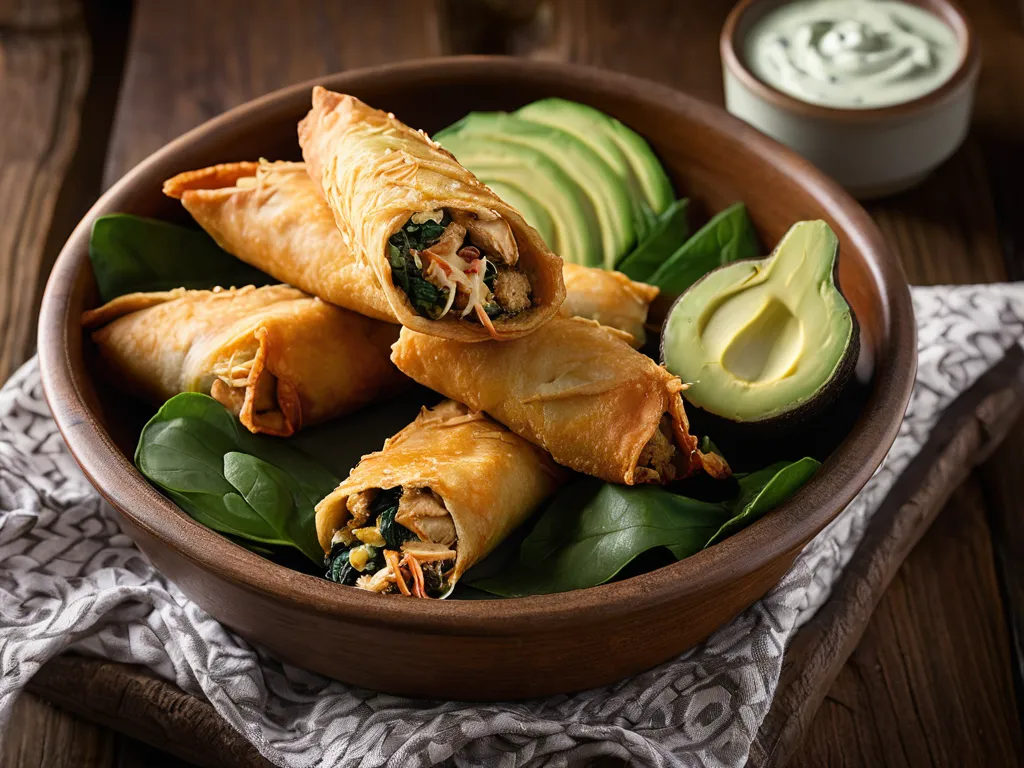
- Copycat Chili’s Southwest Egg Rolls — the crispy avocado-ranch-black bean rolls that pair with this queso as a table starter
- Copycat Chili’s Baby Back Ribs — the slow-cooked, fall-off-the-bone rack that built Chili’s reputation
- Chili’s Skillet Queso — Real Cheese Version — for those who want a béchamel-based queso made with freshly shredded cheddar and Monterey Jack instead of processed cheese