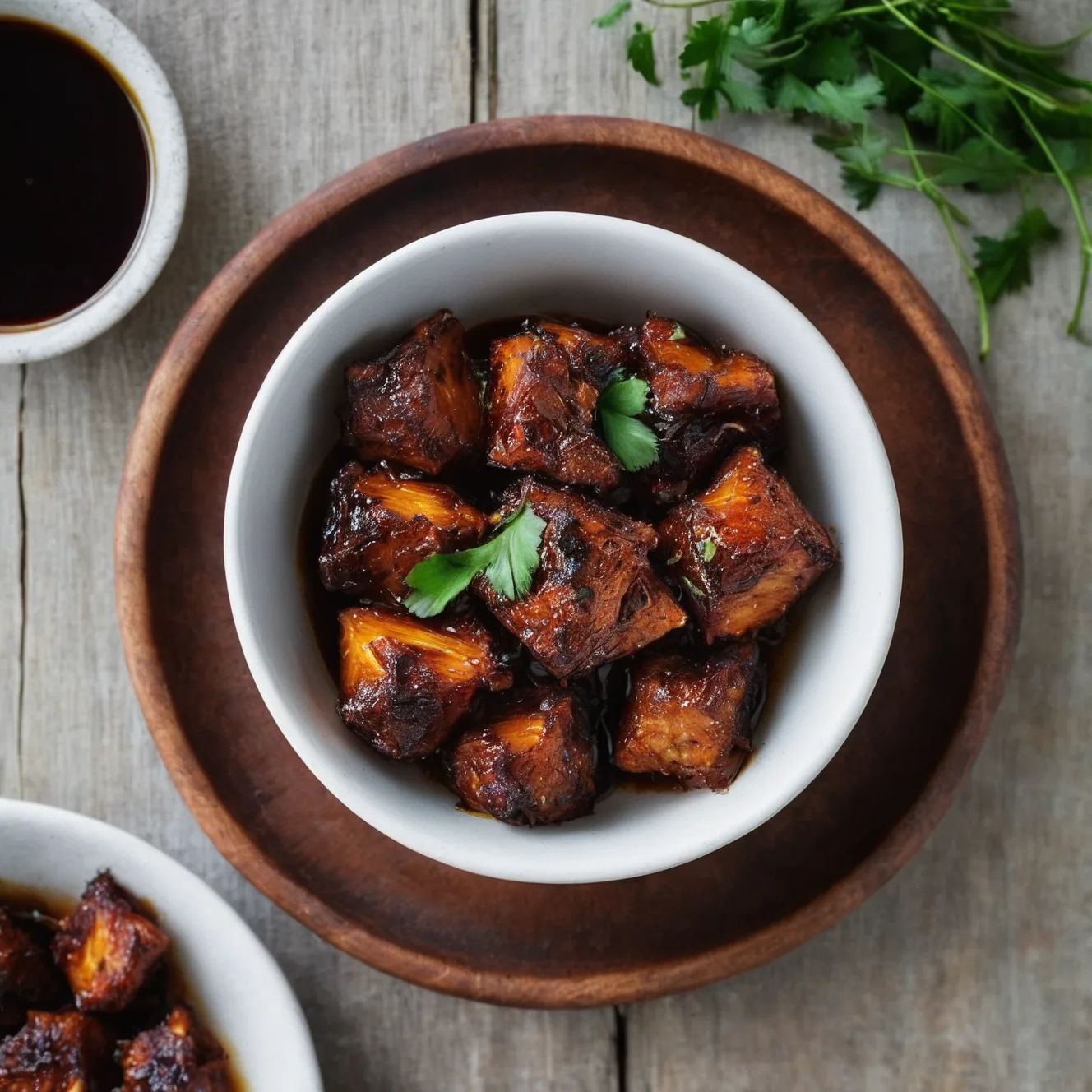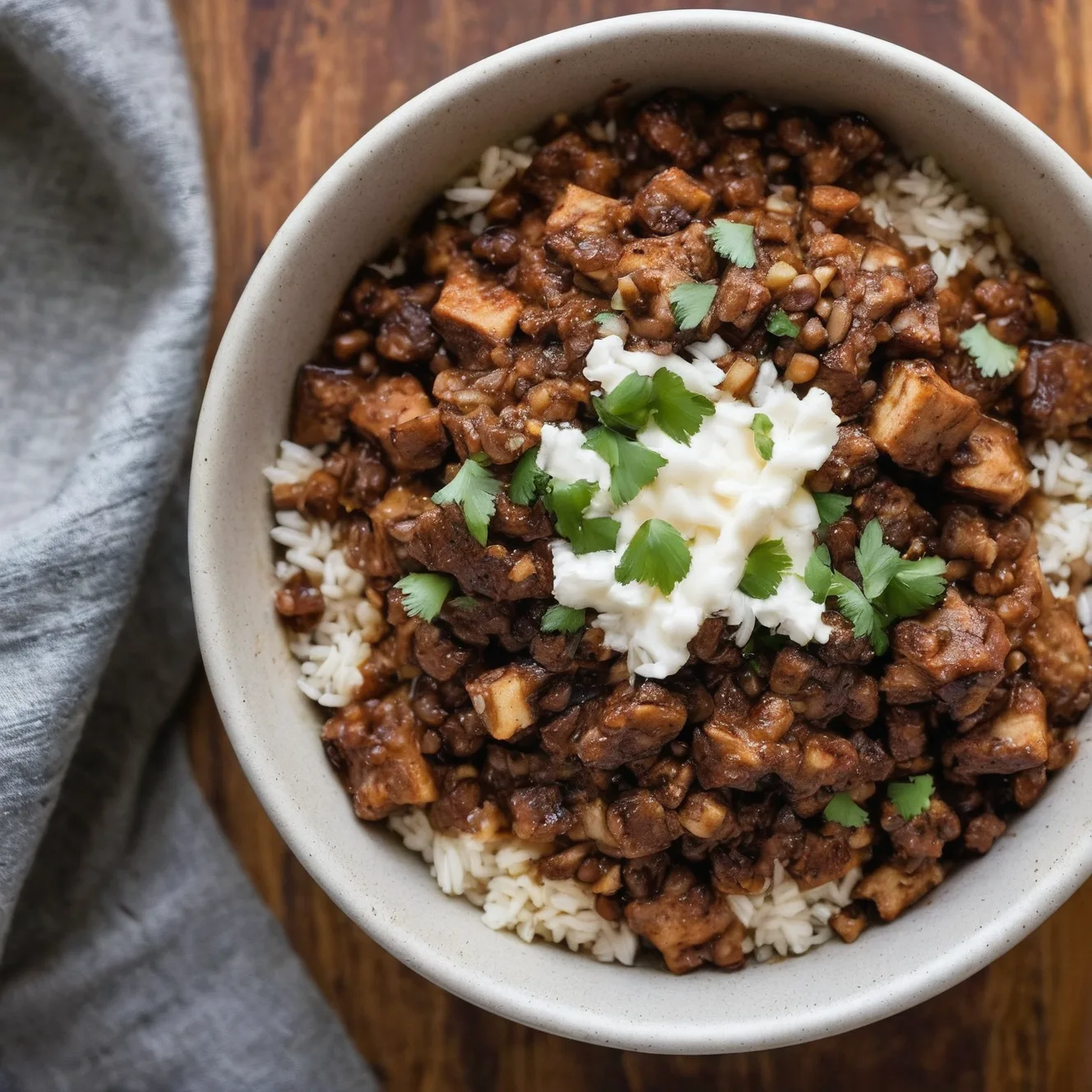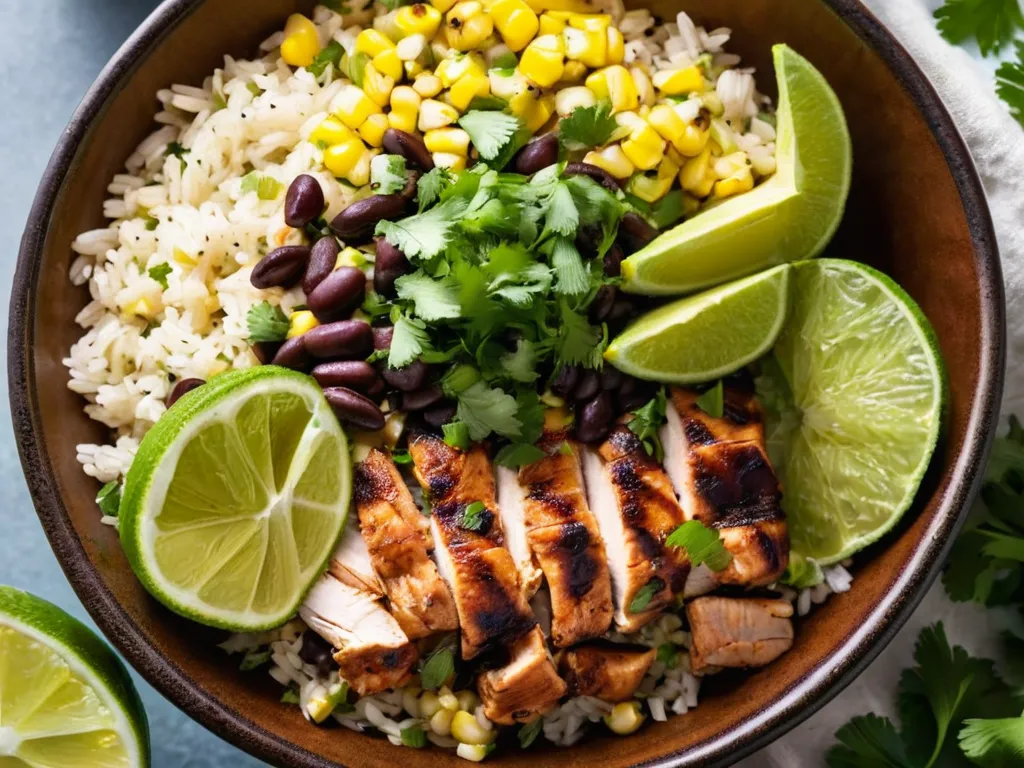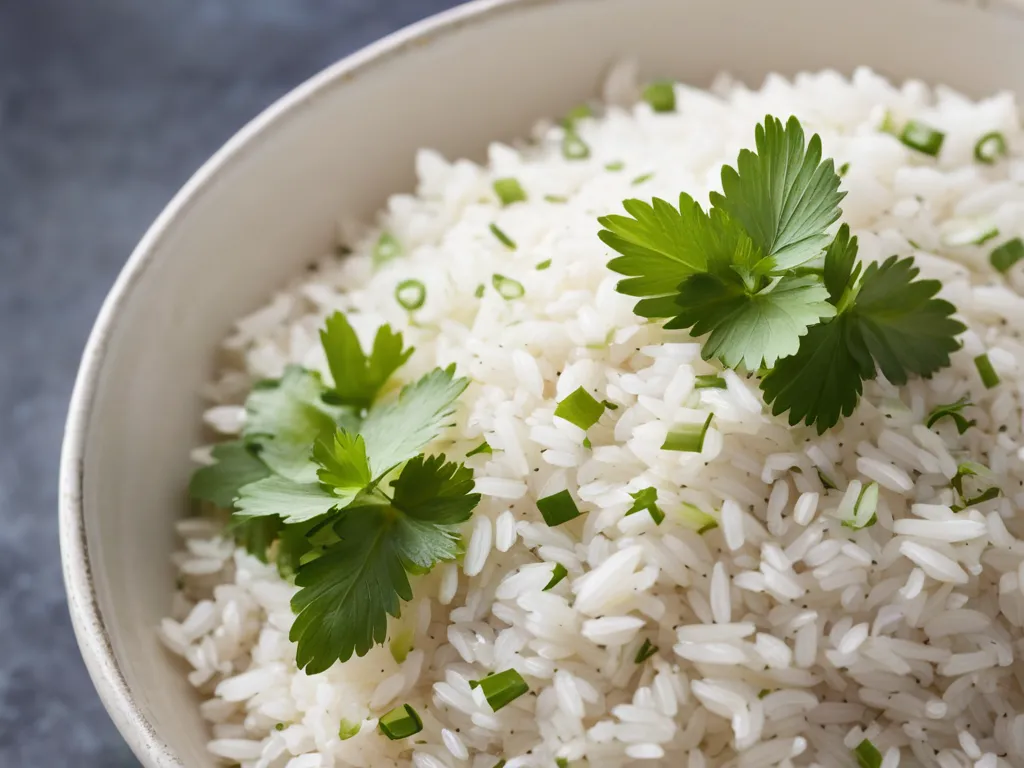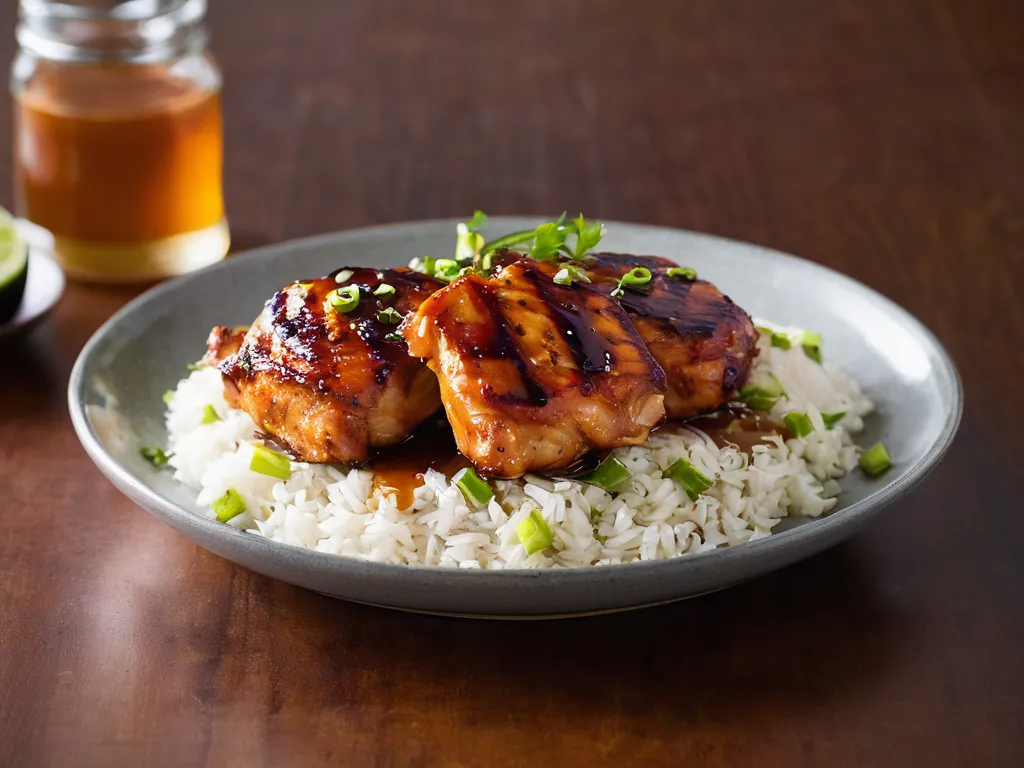
Chipotle Honey Chicken debuted March 7, 2025 (Rewards members got early access March 6) and immediately broke records — within weeks it was the best-selling limited-time item in the chain’s 32-year history, with the highest order rates of any LTO Chipotle has ever run. Demand drove a comeback on April 28, 2026, and it’s currently on the summer 2026 menu. Chipotle describes the protein as “fresh chicken seasoned with Mexican spices and marinated in seared, smoked chipotle peppers with pure wildflower honey.” That one word — seared — is the key. Chipotle doesn’t just blend chipotles in adobo with honey; they blister the peppers in a dry skillet first, concentrating the smoke and adding a light char note that plain canned chipotles can’t replicate. Combined with wildflower honey, the result is a “swicy” (sweet + spicy) protein that caramelizes on the plancha into a sticky amber crust. This recipe reverse-engineers both the sear step and the marinade so you can build it at home — for about half the restaurant price, and without waiting for the next seasonal window.
TL;DR
The step most copycats miss: sear the chipotle peppers in a dry skillet before blending. Chipotle’s own press release says “seared, smoked chipotle peppers” — 30–40 seconds per side in a hot pan adds charred depth you can’t get from blending straight from the can. Then blend with wildflower honey, garlic, cumin, oregano, and vinegar. Marinate chicken thighs at least 2 hours (overnight is better). Cook on a cast-iron pan over medium-high — not high; honey burns above 350°F — for 5–6 min per side to 165°F. Rest 5 min, chop. Total cost: about $8 for 4 servings.
Why It Works
Three things drive Chipotle Honey Chicken’s flavor: seared chipotle peppers, wildflower honey, and a supporting cast of Mexican spices.
Chipotle peppers are dried, smoked jalapeños — already flavorful from the can. But Chipotle’s preparation adds one extra step: searing them in a dry skillet before blending. This charring concentrates the smoke and adds a slightly bitter, roasted edge that plain canned chipotles lack. Their canning liquid (adobo) is a concentrated blend of vinegar, garlic, and tomato that acts as both marinade base and acid tenderizer; the vinegar partially unwinds muscle proteins before the meat ever sees heat, resulting in a more tender final texture.
The honey does double duty — it sweetens the spice, yes, but it also creates the caramelized crust. When high heat hits honey-coated chicken, the sugars rapidly brown through the Maillard reaction, building that sticky, lacquered exterior that’s immediately recognizable from the real thing. Chipotle specifically uses wildflower honey, which has a slightly more floral, complex sweetness than standard clover honey.
The spice supporting cast — cumin, oregano, chili powder — mirrors what Chipotle has publicly described about their standard chicken marinade. The honey and the sear step are the two primary additions that transform it into something distinct.
Choosing Your Chicken
Boneless skinless chicken thighs are the correct cut. Chipotle is widely reported to use thighs for their proteins (the higher fat content keeps them moist on a very hot plancha), and the flavor difference at home is noticeable: fat carries the chipotle and spice flavor compounds more efficiently than lean breast meat, so thighs taste more intensely marinated given identical marinade time.
Thighs are also forgiving: a minute or two past 165°F and they’re still juicy. Breast meat has no such margin — once past 165°F, breast dries out fast. If you substitute breast, pound to even 3/4-inch thickness first and pull from the heat the moment the thermometer reads 165°F.
Four Cooking Methods
Cast-Iron Skillet (Best Crust)
The restaurant-closest result. Preheat cast iron over medium-high heat for 2–3 minutes until a drop of water evaporates immediately. Lightly oil the surface. Add thighs and cook 5–6 minutes per side — undisturbed — until deep amber-brown. Do not press down on the chicken; that pushes out the juices. The honey will caramelize in the pan; some darkening is expected and desirable.
Outdoor Grill (Smoky Version)
Preheat gas or charcoal grill to medium-high (400–450°F). Clean and oil the grates. Grill thighs 5–6 minutes per side over direct heat. Watch for flare-ups — honey dripping onto coals or burners causes high flames quickly. If you see a flare, move the chicken to indirect heat for a minute before returning to direct. The grill adds a light char note that pairs well with the honey-smoke profile.
Air Fryer (Fast and Crispy)
Preheat to 400°F. Place thighs in a single layer — do not overlap. Cook 14–15 minutes total, flipping once at the 7-minute mark. The circulating hot air caramelizes the honey evenly without the burning risk of a too-hot pan, and the exterior comes out slightly crispier than the cast-iron version. Check internal temperature at 12 minutes; thigh thickness varies. If the coating is browning fast, drop to 375°F and add 2–3 minutes — lower-and-slower works better for honey marinades in air fryers that run hot.
Oven Broiler (No Special Equipment)
Preheat broiler to high. Place thighs on a foil-lined baking sheet. Broil on the top rack (6 inches from the element) for 6–7 minutes per side. Watch closely after the first flip — broiler heat is uneven across pans, and honey goes from caramel to burned in under a minute. An instant-read thermometer is non-negotiable here.
The Heat Management Problem
Honey burns. This is the single thing most home cooks get wrong on their first attempt. The urge is to crank the heat for a fast sear, but honey starts to burn — not caramelize, burn — above 350°F. The fix is medium-high heat on a properly preheated cast-iron pan. You want the final color to be deep amber, not black. If the first side finishes in under 4 minutes with black patches, the pan was too hot.
Excess marinade pooling in the pan also causes burning. Pat the thighs lightly with a paper towel before cooking to leave a thin, even coating rather than a thick puddle that scorches before the meat cooks.
Pro Tips
- Don’t rinse the marinade off before cooking — the adobo coating is what builds the crust.
- Rest the meat. Five minutes on a cutting board before chopping is not optional. Cut too early and the juices run out; rest them and the chicken stays moist through service.
- Chop against the grain into 1/2-inch pieces, just like Chipotle. This shortens the muscle fibers and makes every bite tender even if you cooked slightly past perfect.
- Batch cook and refrigerate. The chicken stores well for 4 days and reheats in a dry pan without losing the honey crust.
- Use the full adobo sauce. The liquid in the can is more valuable than the peppers alone — it carries a concentrated smoky-tangy flavor that seeds and skin don’t. A tablespoon of the sauce goes in along with the peppers themselves.
Storage and Reheating
Refrigerate cooked and chopped chicken in an airtight container for up to 4 days. The honey glaze helps retain moisture — it reheats better than plain grilled chicken.
Best method: a dry skillet over medium heat for 2–3 minutes, stirring occasionally. The residual sugars re-caramelize and the crust comes back. Microwave: works but softens the exterior; reheat in 30-second bursts covered loosely, and expect less crust. Freezer: freeze flat in a labeled zip-lock bag for up to 2 months. Thaw overnight in the refrigerator before pan-reheating. Do not thaw on the counter — the honey coating makes thaw-time contamination risk higher.
Variations
Spicier: Add a third chipotle pepper or a teaspoon of cayenne. The baseline recipe is mild enough for most palates; heat-seekers should double the chipotle.
Sweeter (Honey-Forward): Increase honey to 4 tablespoons and add 1 teaspoon of brown sugar. This pushes toward teriyaki territory — excellent for rice bowls but burns faster, so watch the heat carefully.
Smoky Without Extra Heat: Replace chili powder with an equal amount of smoked paprika. You get more smoke depth without raising the Scoville level.
Lime-Forward: Add the zest of one lime to the marinade and swap apple cider vinegar for fresh lime juice. This version works especially well in tacos with fresh mango salsa.
Sheet-Pan Version: Marinate thighs, then lay them on a sheet pan with sliced bell peppers and red onion. Roast at 425°F for 22–25 minutes. The vegetables caramelize in the honey drippings — a full burrito bowl in one pan.
Cost vs. Restaurant
At current Chipotle prices, a bowl with Honey Chicken runs approximately $13–$15 before tax depending on your market. At home, 2 lbs of chicken thighs plus pantry staples (honey, canned chipotles, oil, spices) comes to about $7–$9 total for four servings — roughly $2 per serving of protein. The canned chipotles (one can makes 3–4 batches) cost about $2 and keep in the refrigerator for weeks. The main cost is the chicken itself.
Nutrition: Homemade vs. Restaurant
A note on serving sizes before the numbers: Chipotle publishes its Honey Chicken nutrition per 4 oz of protein, while this recipe’s figures are per serving — about 6 oz of cooked chicken (2 lbs raw thighs feeds 4 generously). They are not the same portion, so compare them with that in mind rather than gram-for-gram.
| Homemade (per serving, ~6 oz) | Chipotle (per 4 oz protein) | |
|---|---|---|
| Calories | ~290 | 210 |
| Protein | 33g | 21g |
| Carbs | 13g | 13g |
| Fat | 11g | 8g |
| Sugar | 12g | 9g |
| Sodium | 540mg | 670mg |
Chipotle’s official figures are per 4 oz protein-only serving (Chipotle.com nutrition data, confirmed June 2026: 210 cal, 21g protein, 13g carbs, 8g fat, 9g sugar, 670mg sodium). The homemade portion is larger, which is why its calories and protein run higher. Even so, the restaurant version carries more sodium per ounce — Chipotle’s seasoning uses more salt than this recipe. To cut your homemade numbers further, reduce honey to 2 tablespoons and skip the added salt.
Honey Chicken vs. Regular Chicken vs. Chicken al Pastor
Three Chipotle proteins, three distinct flavor profiles. All three use chicken thighs; what separates them is the marinade:
| Honey Chicken | Regular Chicken | Chicken al Pastor | |
|---|---|---|---|
| Marinade base | Chipotle in adobo + honey | Chipotle in adobo only | Morita chiles + achiote paste |
| Sweetness | Yes — honey caramelizes on the plancha | None | Light (pineapple splash) |
| Spice level | Mild-medium | Mild-medium | Medium (morita chile heat) |
| Key flavor | Sweet-smoky (“swicy”) | Savory-smoky | Smoky-earthy-fruity |
| Signature color | Deep amber-brown crust | Dark brown | Deep red-orange (achiote) |
| Menu status (2026) | Active LTO (returned April 28, 2026) | Permanent | Off-menu LTO |
| Calories per 4 oz (restaurant) | 210 | 180 | 200 |
| Protein per 4 oz (restaurant) | 21g | 32g | 23g |
All figures above are Chipotle’s official per-4-oz nutrition numbers. One that surprises people: regular chicken shows 32g of protein per 4 oz, while Honey Chicken shows 21g and al Pastor 23g — even though all three start from the same chicken thigh. The reason is dilution, not different meat. The honey-and-adobo and morita-and-achiote marinades add sugar, moisture, and weight, so a 4 oz scoop of the marinated proteins contains proportionally less pure chicken than a 4 oz scoop of the lightly seasoned standard chicken. Per gram of actual chicken, the protein is the same.
The biggest nutritional difference: regular chicken runs no carbs (0g) while Honey Chicken carries 13g from the honey. The payoff is the caramelized crust and the “swicy” flavor that drove Honey Chicken to become Chipotle’s best-selling LTO in company history. al Pastor threads between them — slightly higher protein than Honey Chicken, with earthy-fruity complexity from the morita chiles that neither of the other two versions has.
For the Chicken al Pastor copycat recipe (the off-menu version worth making at home year-round), see: Copycat Chipotle Chicken al Pastor.
Build the Full Bowl
Honey Chicken is the protein; the rest is assembly. For the full Chipotle experience at home:
- Copycat Chipotle Chicken Burrito Bowl — the complete build with every component from rice to salsa.
- Chipotle Cilantro-Lime Rice — the foundational base that makes everything else work.
- Copycat Chipotle Guacamole — made with the actual published recipe Chipotle shared in 2020.
- Copycat Chipotle Barbacoa — the braised beef alternative if you want to do a protein comparison spread.
- Copycat Chipotle Chicken al Pastor — the off-menu LTO predecessor, with morita chiles and achiote paste for a smokier, earthier profile.
See all Chipotle copycat recipes →