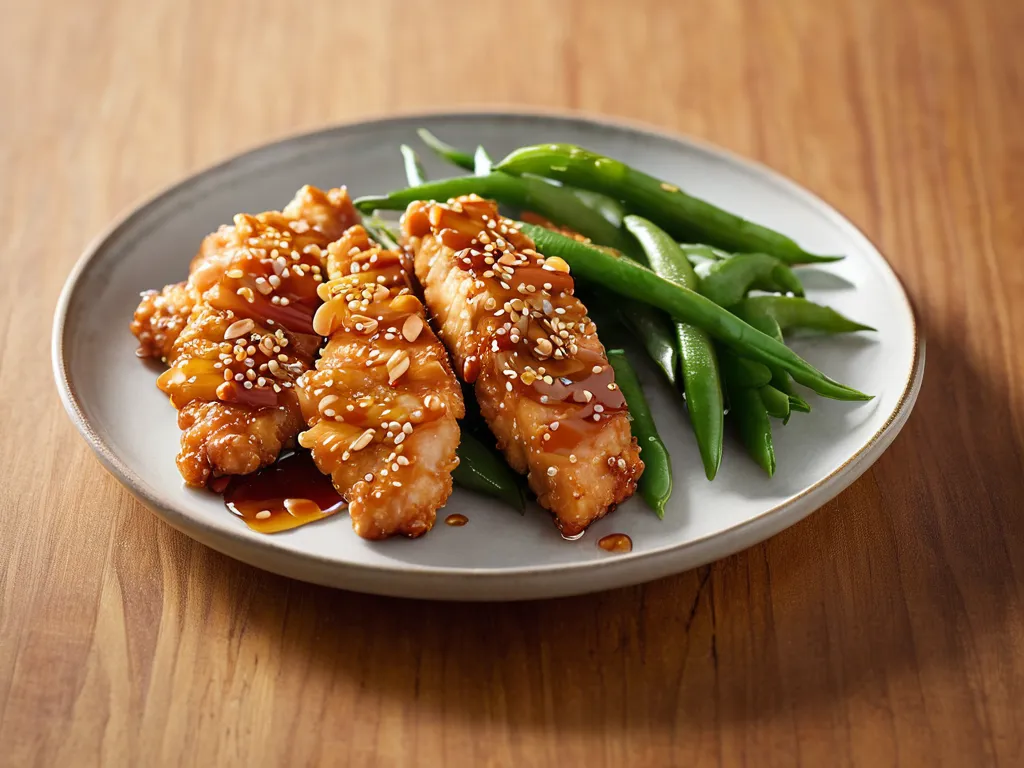
Copycat Panda Express Honey Sesame Chicken Breast
Prep: 15 minutes Cook: 15 minutes Servings: 4
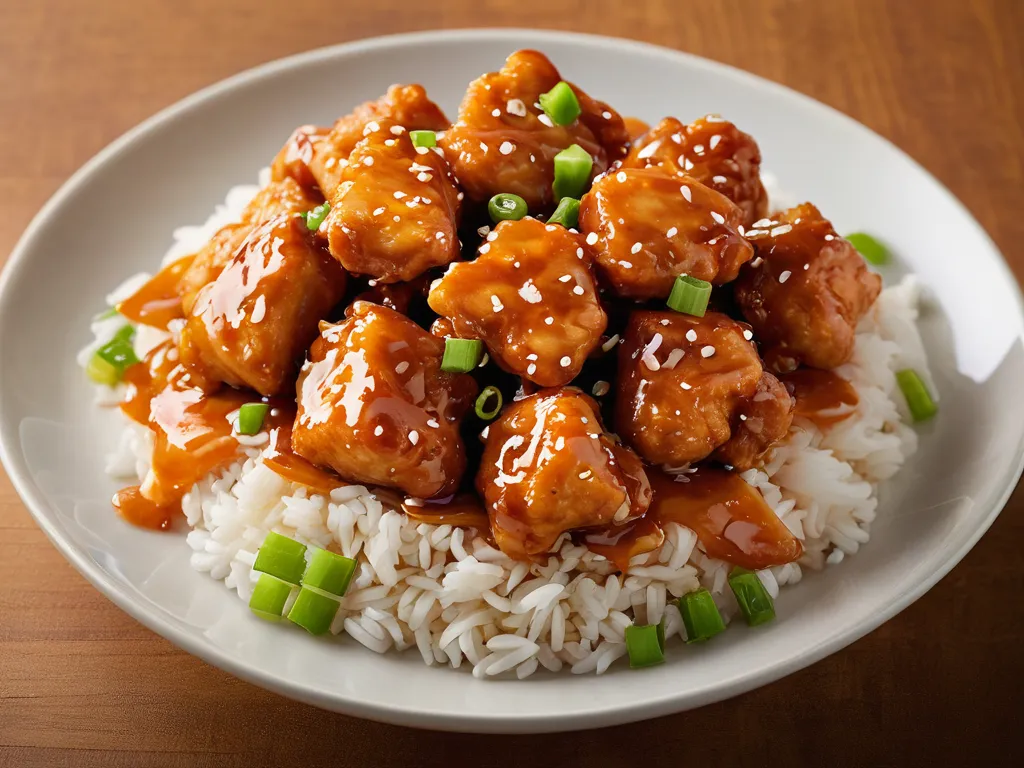
Honey Sesame Chicken Breast is what happens when Panda Express commits to a lighter dish. The orange chicken is crispy chunks drenched in a thick citrus glaze — satisfying in a bold, sticky way. The Honey Sesame Chicken is something different: strips of white meat with a thinner, glossier honey-soy coating, green beans and yellow bell pepper cooked into the dish (not optional sides), and no citrus, no heat, no distractions. It’s been on the menu permanently since around 2020.
At the restaurant, a single 5.3 oz serving is 340 calories and 16g protein — by Panda’s standards, a lighter entree. At home, a full batch makes four portions for roughly $14–16 in ingredients, or about $3.50–4 a serving versus the restaurant’s $11.50–13 two-entree plate price.
Strips, Not Chunks
The shape is the first thing that separates this from the Orange Chicken. Orange chicken is cut into bite-sized chunks — compact, with a thick coating that can handle the aggressive tossing in a sticky sauce. Honey Sesame Chicken is cut into strips: longer, flatter, with more surface area and a thinner coating.
The practical difference: strips need closer watching (3–4 minutes at 350°F, but they’re thinner so they cross from done to dry faster) and they present differently in the dish. The longer pieces fan out in the sauce and hold the glaze differently than chunks. When you cut the breast for this recipe, go against the grain into pieces about ½ inch thick and 2 inches long — the size of thick-cut deli meat, not dice.
The White Meat Problem
The “Breast” in the name is Panda’s deliberate marketing: this is their white-meat, leaner-option entree. For the home cook, that’s also a technical warning. Breast meat is lean and dense — it hits 165°F with less margin for error than thigh before it starts drying out.
The coating helps. The egg-cornstarch shell forms a barrier that holds in steam as the chicken fries. As long as you pull the strips at 165°F and not later (3–4 minutes at a stable 350°F), the inside stays juicy. Two habits close the margin:
Cut uniform strips. Irregular pieces finish at different times. A strip that’s ⅛ inch thick on one end and ¾ inch on the other will have one end overdone before the thick end is safe. Take your time with the knife.
Don’t crowd the pot. Add too many pieces at once and the oil temperature drops. The chicken starts to steam rather than fry and takes longer to cook through, which dries out the breast. Six to eight strips per batch in a 4-quart pot is the upper limit.
The Sauce
Panda Express’s disclosed ingredient list for this dish includes sesame oil, rice vinegar, ginger, garlic, and caramel color — but not honey specifically. The sweetness comes from an undisclosed sauce base. For home cooks, honey is the obvious and correct substitute: it gives the same sweet-mild flavor profile with a natural honey note that the dish is named for.
The ratio: 3 tablespoons honey to 2 tablespoons soy sauce to 2 tablespoons rice vinegar. This produces a sauce that reads as sweet first, then savory, then bright from the vinegar — in that order. Skip the vinegar and the honey cloys; double the vinegar and you lose the sweetness that defines the dish. The sesame oil is the aromatic backbone — 1 tablespoon gives the right depth without overwhelming.
Unlike the Orange Chicken sauce, there’s no citrus here, no red pepper flakes, no deep savory base from oyster sauce. The sauce is intentionally simpler and lighter. The cornstarch slurry (1 tablespoon cornstarch + 2 tablespoons cold water) thickens it to a thin glaze rather than the thicker, stickier coating of the orange chicken.
Green Beans: The Blanching Rule
Most restaurant sesame chicken recipes call for broccoli or snap peas as add-ins. The Panda Express version specifically uses green beans (string beans) and yellow bell pepper — green beans hold their shape and texture better in holding conditions than broccoli or snap peas, which go limp quickly.
At home, the challenge with green beans in a stir-fry is that they take longer to cook through than everything else in the wok. If you add them raw, you either undercook the beans (bitter and fibrous) or overcook the chicken. The solution is a 45-second blanch:
Bring salted water to a hard boil. Drop the green beans in for exactly 45 seconds — you want them 70% cooked, still slightly firm, with their color set to bright green. Pull them immediately into ice water to stop the cooking. Pat them dry. The wok step finishes them.
Dry green beans are critical for the stir-fry. Wet beans steam rather than sear in the wok, which means no color and a watery pan that dilutes the sauce.
How the Home Version Beats the Restaurant
One consistent complaint about the Panda Express Honey Sesame Chicken is that the batter is often soggy by the time it reaches you. The restaurant holds the dish in a warming station; the sauce soaks into the coating over time.
At home, you make the sauce, add the fried chicken, toss for 20–30 seconds, and serve. The coating is crispy going into the sauce and has almost no time to soften before it hits the plate. The home version will be noticeably crispier than what you’d get at the restaurant — which is the correct version of the dish.
The technique that matters most: toss the chicken in the sauce for no more than 30 seconds and serve immediately. Don’t let it sit in the sauce.
Orange Chicken vs. Honey Sesame: Choosing Your Plate
| Orange Chicken | Honey Sesame Chicken | |
|---|---|---|
| Chicken shape | Chunks | Strips |
| Protein cut | Thigh | Breast |
| Sauce base | Orange juice + citrus | Honey + rice vinegar |
| Vegetables | None | Green beans + bell pepper |
| Heat level | Mild zip | None |
| Sauce texture | Thick, sticky glaze | Thinner, lighter glaze |
| Calories (restaurant) | 420 cal / serving | 340 cal / serving |
The Orange Chicken is more indulgent; the Honey Sesame Chicken is the “feels lighter” option. Both are legitimately good. If you’re doing a two-entree plate at home, Orange Chicken + Honey Sesame gives you bold and mild, chunky and strips, no vegetable and vegetable — the contrast works well.
Air Fryer Version
The air fryer gets about 80% of the crispiness of deep-frying for significantly less oil:
- Coat the strips the same way (egg wash, then cornstarch, shake off excess)
- Spray both sides lightly with avocado oil spray — even coverage prevents dry spots
- Air fry at 400°F for 12 minutes, flipping halfway through
- The strips should be light golden and firm
Build the sauce on the stovetop and stir-fry the vegetables the same way. Toss everything together at the end. The coating won’t shatter the way deep-fried strips do, but it holds well under a light glaze, especially if you serve immediately.
Cost vs. the Restaurant
| Panda Express | Homemade | |
|---|---|---|
| 2-entree plate | $11.50–13 | — |
| 4 servings | ~$46–52 (4 plates) | ~$14–16 |
| Cost per serving | ~$11–13 per plate | ~$3.75 |
| Protein per serving | 16g | ~38g |
| Serving size | 5.3 oz (combined) | ~6 oz chicken + vegetables |
Storage and Reheating
Serve immediately. The chicken crust softens quickly in the sauce — this is best eaten right after it’s made.
Leftovers: Store in a sealed container for up to 3 days. The coating will soften as it sits, which is fine — the leftovers eat more like a sauced chicken than a crispy one.
Reheating: Reheat in a hot wok or skillet with 1–2 tablespoons of water to loosen the sauce. Microwave works but produces a softer result. Don’t expect the crust to restore after refrigeration.
Freezing: Not recommended. The cornstarch coating turns pasty after freezing and thawing. If you want to meal prep, freeze the cooked (unsauced) fried chicken strips separately and make fresh sauce when you serve.
More Panda Express Recipes
Build the full plate:
- Panda Express Orange Chicken — the flagship; crispy fried thigh chunks in a thick citrus glaze. The bold contrast to Honey Sesame’s milder profile.
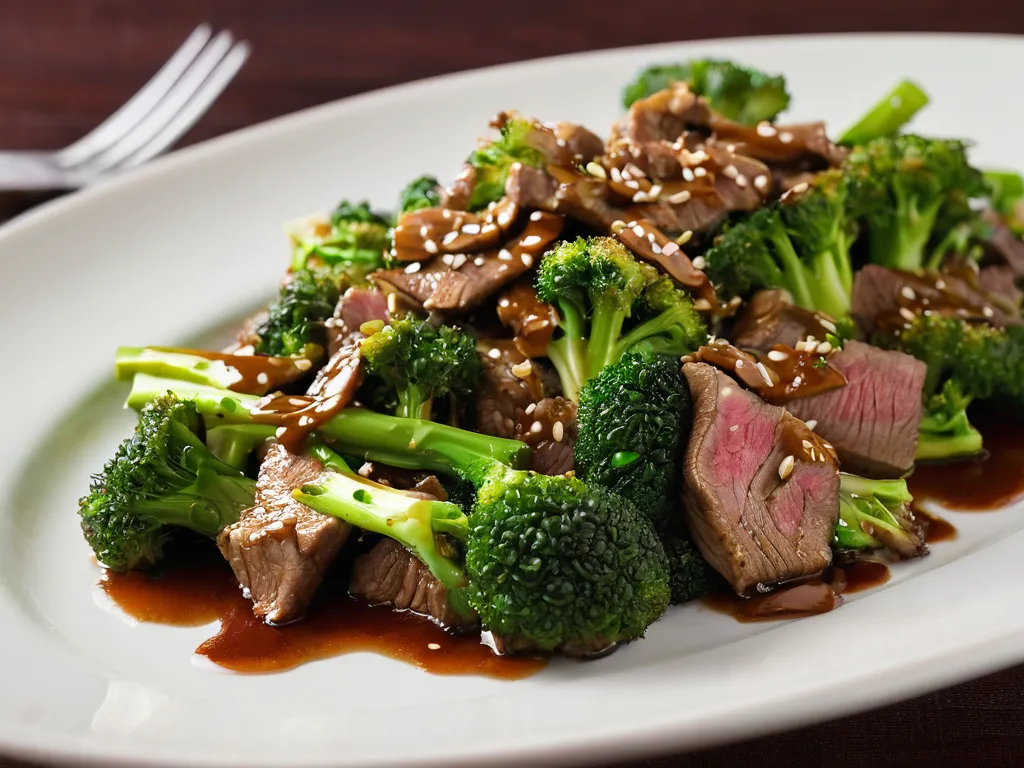
- Panda Express Broccoli Beef — velveted flank steak with broccoli in an oyster-soy glaze; 150 calories per restaurant serving and their lightest beef entree.
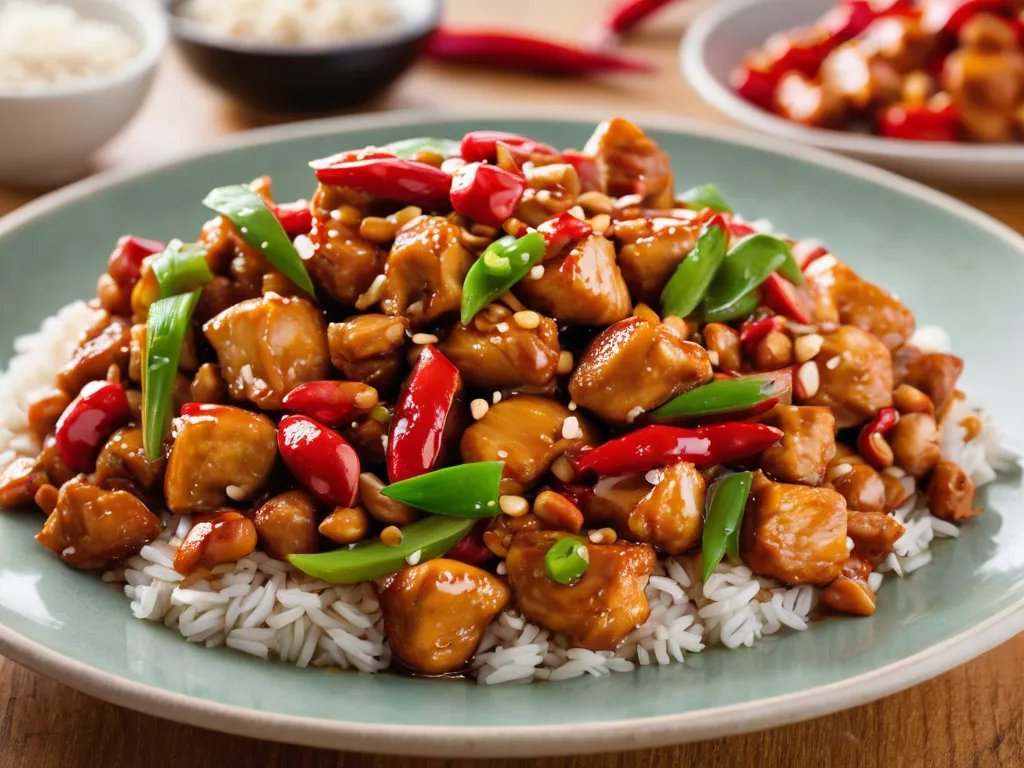
- Panda Express Kung Pao Chicken — diced chicken with peanuts, dried chilies, and Sichuan peppercorns; the spicy option versus Honey Sesame’s mildness.
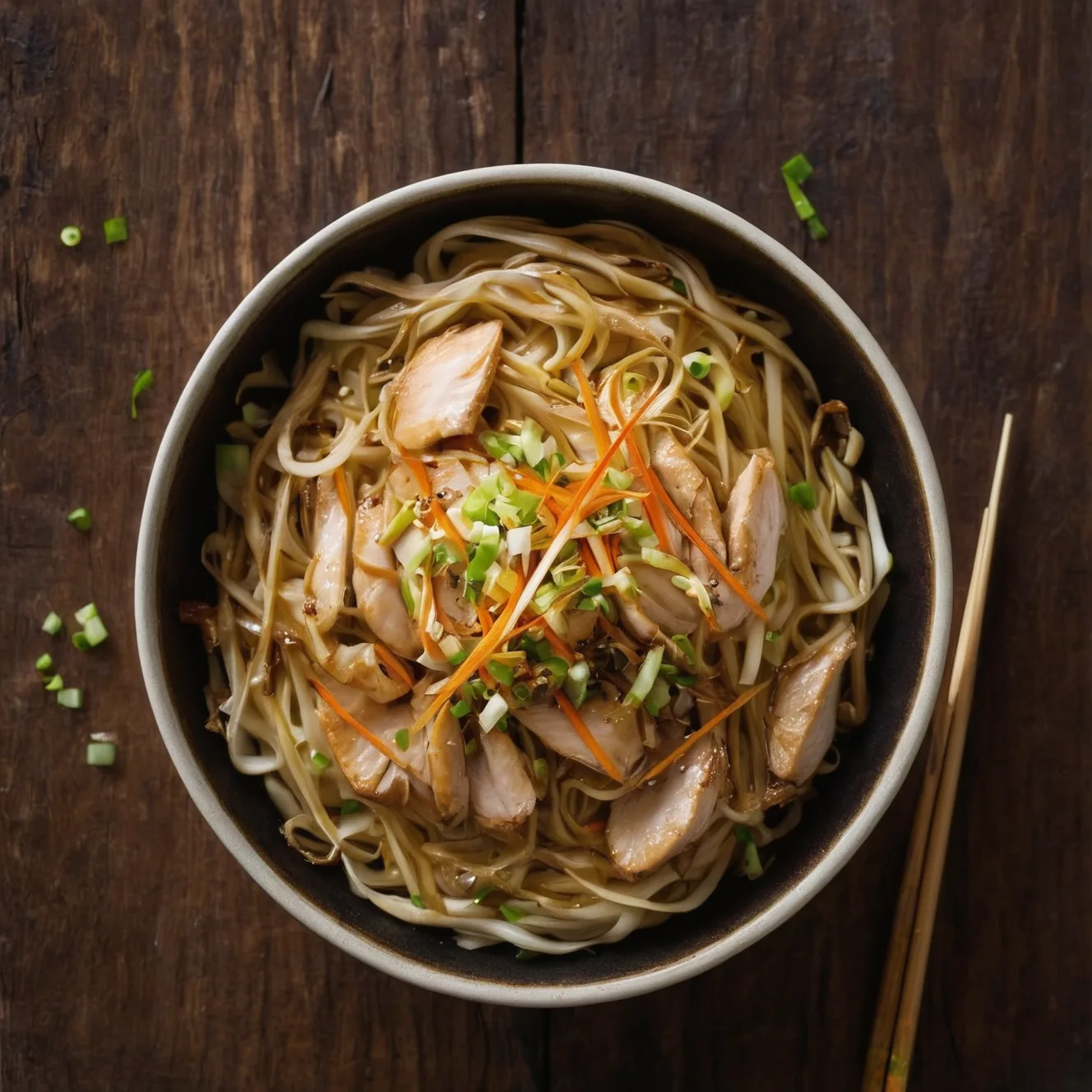
- Panda Express Chow Mein — yakisoba-style noodles with cabbage and celery; the classic side for any chicken entree.
See all Panda Express copycat recipes →