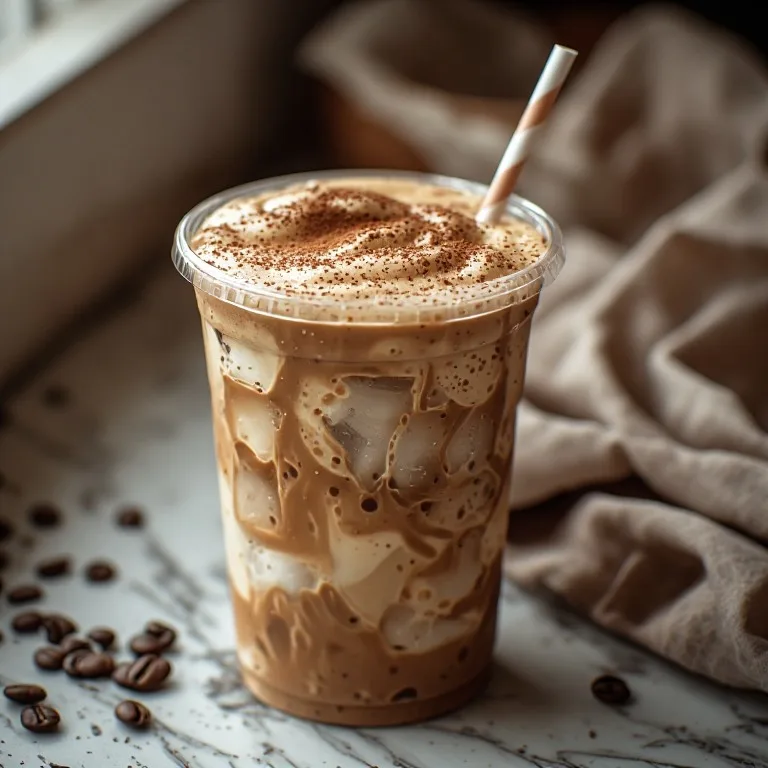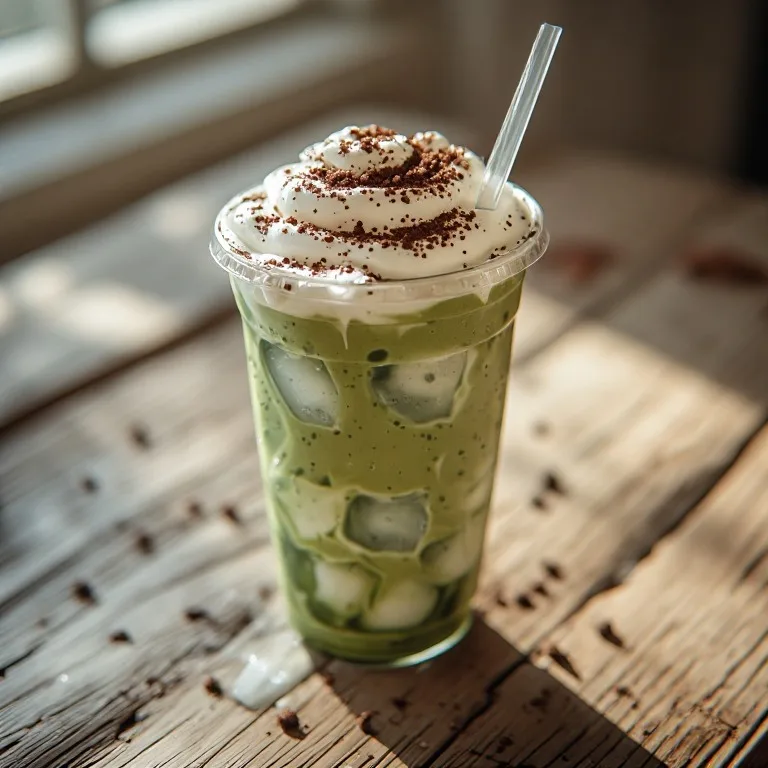
The Dunkin’ Tiramisu Marshmallow Matcha is the quiet standout of the chain’s fall 2026 tiramisu launch — not because it’s the most technically impressive drink, but because it is the only one in the lineup with no espresso. While the Tiramisu Cloud Latte and Tiramisu Shakin’ Espresso both lead with double espresso shots, the Marshmallow Matcha routes the same tiramisu swirl, marshmallow cold foam, and hot chocolate powder dusting through ceremonial matcha and whole milk instead. The result is a gentler, earthier base that carries the same visual drama (that pillowy white foam cap, that cocoa-dusted crown) with roughly a third of the caffeine.
At Dunkin’, the drink is simple: matcha base, tiramisu swirl, whole milk, iced (it is served cold only — there is no hot version), topped with marshmallow cold foam and hot chocolate powder. What the menu doesn’t tell you is that the default two-pump swirl overwhelms the matcha — reviewers who have tried it consistently recommend cutting to one pump so the green earthiness of the matcha stays in the picture. At two pumps, you essentially have a tiramisu drink that happens to be green. At one pump, you have a matcha drink with a compelling tiramisu accent. The home version lets you dial this precisely.
What’s Actually In Dunkin’s Tiramisu Swirl
Like every Dunkin’ swirl — the pumpkin spice swirl has no real pumpkin, the butter pecan swirl uses flavoring — the tiramisu swirl is a sweetened flavored syrup with no real mascarpone. The coffee note and cream character come from natural and artificial flavoring. This is why the home version tastes noticeably different: when you dissolve actual full-fat mascarpone into a warm coffee-sugar base, the fat content and the subtle tang of fresh cheese produce a richer, more rounded flavor than any commercial swirl can replicate. The tiramisu character reads as food rather than as flavoring.
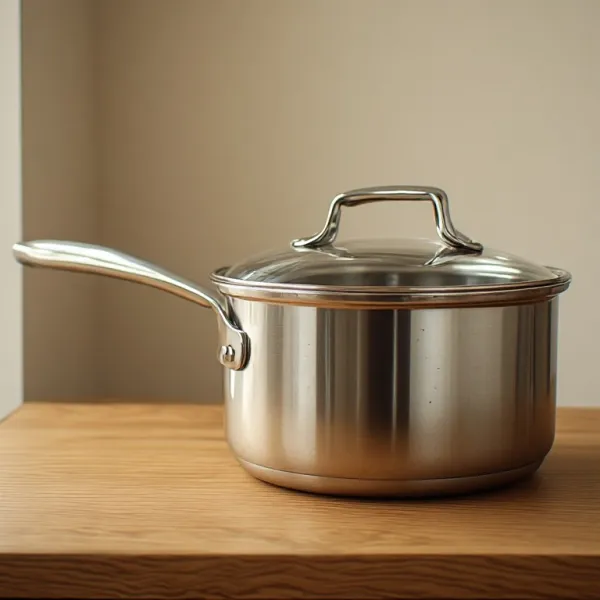
The syrup recipe below — the same one used in the Tiramisu Cloud Latte and Shakin’ Espresso recipes — takes about 5 minutes to make and yields enough for 6–8 drinks. Make it once on Sunday and you have the tiramisu building block for the entire lineup through the week.
The Matcha Question
Dunkin’ uses a sweetened, pre-mixed matcha powder across its matcha drinks. At home, you will get the closest result with ceremonial-grade matcha (from Japan, ideally stone-milled from first-harvest leaves) rather than culinary-grade. Culinary grade is designed for baking, where other flavors dominate; ceremonial grade is designed to drink, so the flavor is brighter and more complex. The price gap between them is real but not extreme — a 30g tin of ceremonial-grade matcha from a reputable brand (Jade Leaf, Ippodo, Matchabar) runs $15–$25 and covers 20+ drinks.
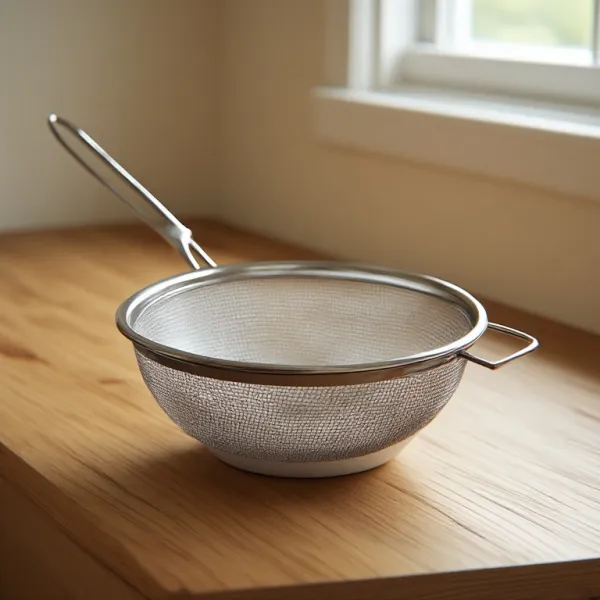
The single non-negotiable technique is the paste step: sift the matcha, add a small amount of hot (not boiling) water, and whisk to a smooth, lump-free paste before combining with milk. Every shortcut here leads to the same result — clumpy green powder sitting at the bottom of an otherwise good drink.
Marshmallow Cold Foam at Home
The marshmallow cold foam is the same across the Marshmallow Matcha and the Cloud Latte — if you’re making both in a session, whip one double batch. The key ingredient is marshmallow fluff: its sugar content and the trace gelatin from the marshmallow gelatin network stabilize the heavy cream so it holds its volume on top of an iced drink for a realistic serving window. Plain whipped cream collapses within a minute on an iced drink; this foam holds for 5–10 minutes.
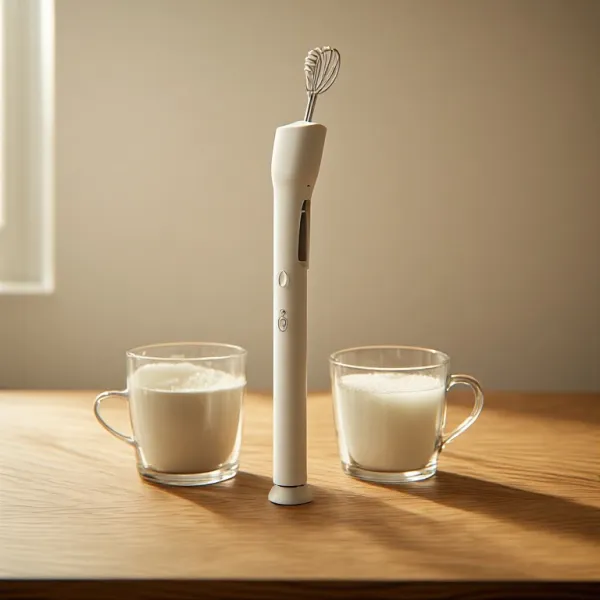
The technique is simple: combine heavy cream, whole milk, and marshmallow fluff in a small container and use a handheld frother for 20–25 seconds to soft peaks. Do not overwhip — once you pass soft peaks it becomes gummy and sticky rather than airy. Assemble and dust immediately; the foam starts to lose structure after a few minutes of sitting.
Getting the Hot Chocolate Powder Right
Dunkin’s dusting is hot chocolate powder — the sweetened, milky kind — not unsweetened cocoa. The distinction matters in this application: unsweetened cocoa powder is intensely bitter as a topping on a sweet drink, with the astringency reading as unpleasant rather than as chocolate. Hot chocolate powder has cocoa solids plus powdered milk and sugar, which rounds it out and lets it sit on foam without tasting harsh. Swiss Miss or any standard hot cocoa mix works. If you only have unsweetened cocoa, mix equal parts cocoa and powdered sugar before dusting.
Comparing the Four Tiramisu Drinks
| Drink | Base | Caffeine (medium, approx.) | Best for |
|---|---|---|---|
| Tiramisu Marshmallow Matcha | Matcha | ~70mg | Lower-caffeine option; visual drama without coffee |
| Tiramisu Cloud Latte | Espresso + whole milk | ~236mg | Richer, dessert-style; classic tiramisu |
| Tiramisu Shakin’ Espresso | Espresso + oat milk | ~236mg | Lighter, airier; most espresso-forward |
| Tiramisu Protein Latte | Espresso + protein milk | ~236mg | Higher-protein fitness version |
All four drinks use the same tiramisu swirl. What changes is the base and the topping format. The Marshmallow Matcha and Cloud Latte share the marshmallow cold foam + hot chocolate powder finish; the Shakin’ Espresso skips the foam entirely; the Protein Latte uses a separate protein milk base.
One Syrup, Four Drinks
The tiramisu mascarpone syrup in this recipe is identical to the version in the Tiramisu Cloud Latte and Shakin’ Espresso recipes. If you have that syrup already in your refrigerator, skip straight to the matcha paste step. One batch covers all four drink types across a week.
The syrup keeps refrigerated for 10 days. After that, the mascarpone begins to separate out — strain and discard if you see any separation or off smell.