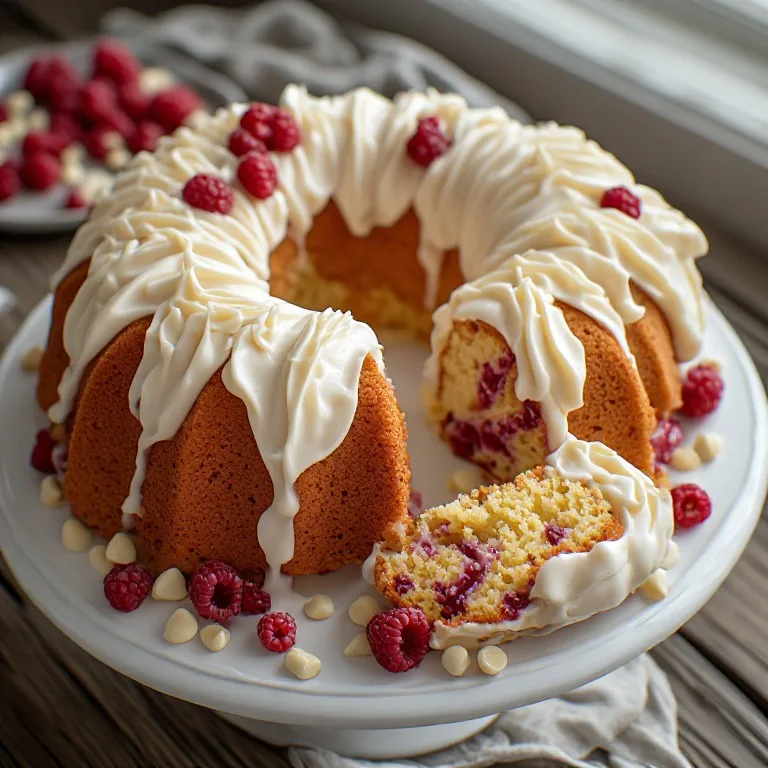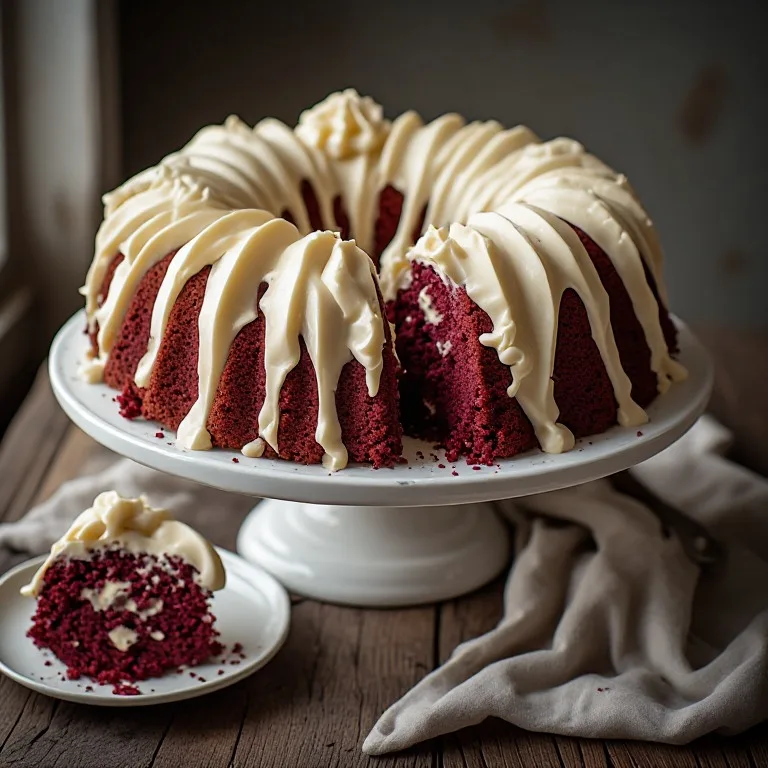

Copycat Nothing Bundt Cakes Carrot (The Famous Recipe, Made at Home)
Prep time: 20 min Cook time: 45 min Servings: 12
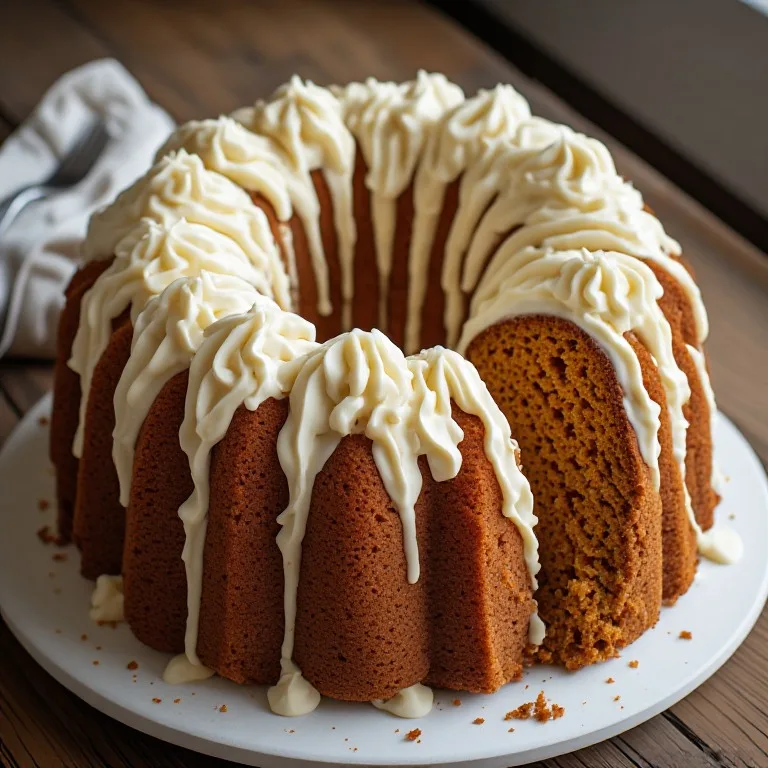
Nothing Bundt Cakes built its franchise on a deceptively simple formula: bundt cakes that are noticeably wetter, more tender, and longer-lasting than anything most home bakers could produce from a standard box mix recipe. Dena Tripp and Debbie Shelly cracked the formula in Las Vegas in 1997 — sour cream in place of water, instant pudding mix for moisture retention — and turned it into a 600-plus location chain that bakes fresh at each bakery daily. The Carrot is one of their classic year-round flavors: warm-spiced with cinnamon and nutmeg, with carrot and pineapple pieces baked in, finished with the same thick cream cheese frosting rope drapes that cover every NBC cake.
At $28 to $35 for an 8-inch cake, it is a premium price for what is ultimately a box-mix-based recipe. At home, the same cake runs about $12 in ingredients and takes under an hour including cooling.
The Same Two-Ingredient Secret — Plus Moisture Control
Every Nothing Bundt Cakes flavor shares the same base formula: box cake mix + instant pudding mix + sour cream. The sour cream replaces the water in the box mix directions. Its fat content (about 20 percent) inhibits gluten development, producing a more tender crumb; its acidity helps the cake stay soft the next day rather than drying out. The instant pudding mix adds cornstarch, which gelatinizes during baking and literally holds water molecules inside the crumb — the same reason pudding-based cakes stay moist in the refrigerator for days.
For the Carrot version, the two inclusions are carrots and crushed pineapple — exactly what NBC lists on its own menu. Both arrive loaded with water, so the one thing most copycat recipes get wrong is moisture management. Grate the carrots fine and squeeze them in a towel; drain the crushed pineapple hard in a sieve. Managed this way, both melt into the crumb and add flavor without diluting the sour cream base or forcing a longer bake that dries the edges. Skip it and the batter turns soupy and bakes unevenly.
Making It
Step 1: Prepare the carrots and pineapple (do not skip this)
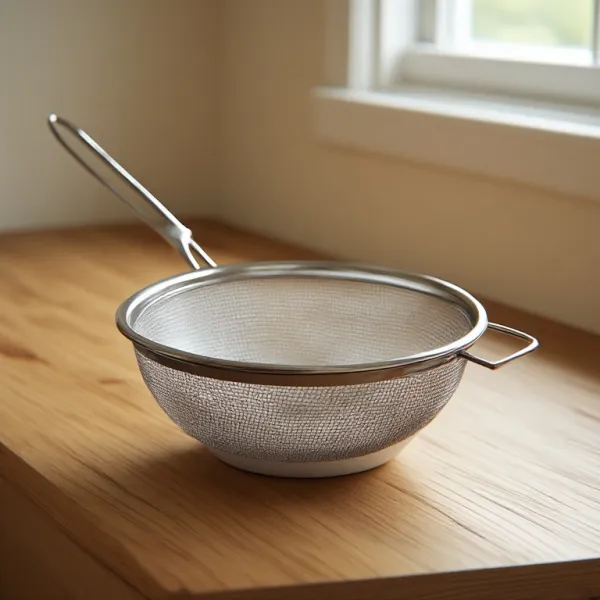
Grate 3 medium carrots on the fine side of a box grater until you have 1.5 cups. Scoop into the center of a clean kitchen towel, gather the corners, and squeeze firmly over the sink. You will expel a visible stream of liquid — this is what you want. Then drain 1/2 cup crushed pineapple in a fine-mesh sieve, pressing with the back of a spoon until it stops dripping. Both should be nearly dry before they go into the batter.
Step 2: Prepare the pan
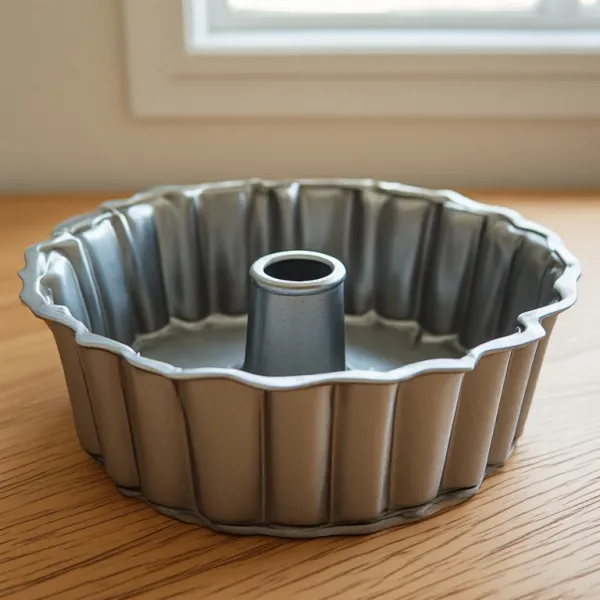
Bundt pans are unforgiving. Any spot you miss will tear the cake on release. Baker’s Joy spray — a flour-and-oil combination in a single can — is the most reliable approach. Spray every surface generously, including every ridge and the full center tube. If you do not have Baker’s Joy, brush the entire interior with softened butter and then dust with flour, tapping out the excess. Do not use plain cooking spray without flour; cakes stick in the complex ridges of a Bundt pan.
Step 3: The batter
Combine the spice cake mix, vanilla pudding mix, eggs, sour cream, oil, and milk. Beat on medium speed until completely smooth — no dry streaks, about 2 minutes. The batter will be noticeably thicker than standard box mix batter. Fold in the squeezed carrots and drained pineapple with a rubber spatula until evenly distributed. (If you want nuts — the bakery version has none — fold in 1/2 cup toasted chopped pecans or walnuts here.)
The spice cake mix already contains cinnamon, nutmeg, and related warm spices, which is why this recipe does not call for additional spices. If you want a more pronounced spice flavor, add 1 teaspoon of cinnamon and 1/4 teaspoon of ground ginger to the batter when you add the dry mixes.
Step 4: Bake without overbaking
The most common failure point in NBC carrot copycats is overbaking. The sour cream-based crumb is very moisture-sensitive: the correct endpoint is a toothpick with moist crumbs attached, not dry. Start checking at 38 minutes. At 42 to 45 minutes the cake is done in virtually every home oven; pushing to 50 minutes produces a dense, gummy result that tastes nothing like the bakery version.
Step 5: The cream cheese frosting rope drapes
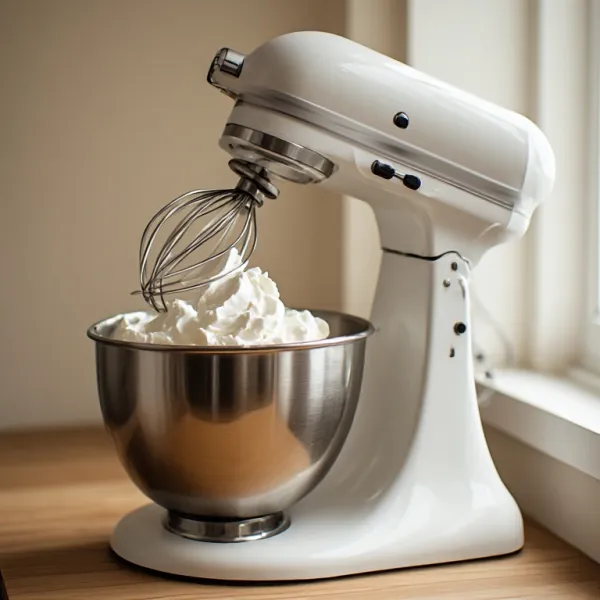
This is what makes a Nothing Bundt Cake look like a Nothing Bundt Cake. Beat softened cream cheese and softened butter together until completely fluffy — 3 full minutes, no shortcuts, or the frosting will be too dense. Add powdered sugar gradually. The finished frosting should be thick enough to hold a peak when you pull out the spatula; if it slumps, add more powdered sugar, a tablespoon at a time.
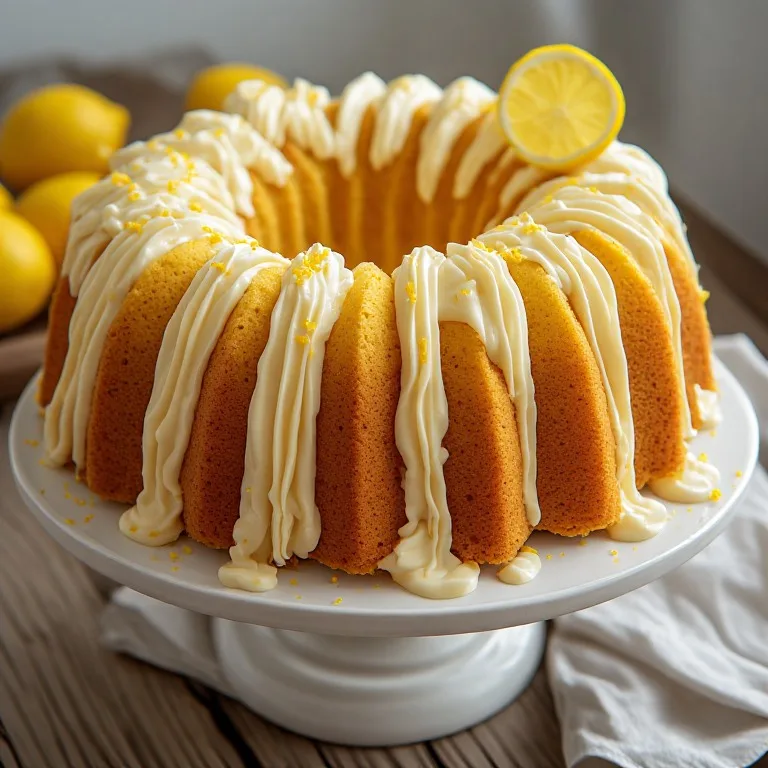
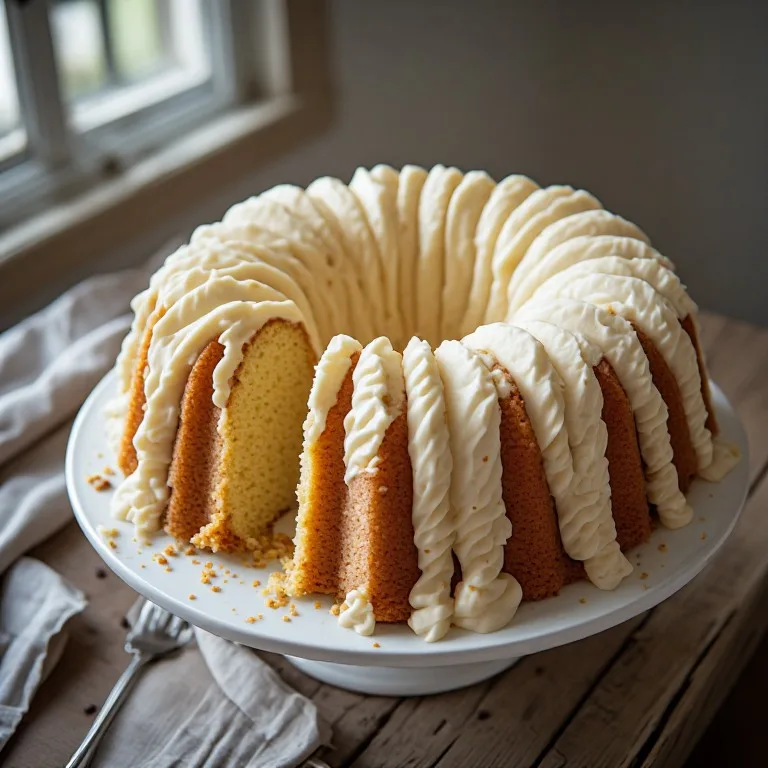
Wilton 1A is the tip to use — a large round tip with a 1/2-inch opening. Starting at the top of a ridge on the crown, pipe a thick rope that starts at the very edge and drapes down the outer side. You are covering the top third of the cake only: the crown and the upper outer curve. The bottom half of the cake is left unfrosted. Each rope should be an inch thick and about 2 to 3 inches long. This produces the distinctive cascade look rather than the uniform frost-the-whole-surface approach most home bakers default to.
Three Things Most Copycat Recipes Get Wrong
1. They skip the pineapple — or add nuts instead. NBC’s own menu describes “carrot and pineapple pieces baked in,” with no nuts. The drained crushed pineapple is a big part of why the bakery’s carrot cake tastes brighter and stays moist. Recipes that swap in pecans and drop the pineapple are making a different cake. If you love nuts, add them on top of the pineapple — but do not substitute.
2. They add cream cheese to the batter. Nothing Bundt Cakes puts cream cheese in the frosting only, not the cake itself. Recipes that add cream cheese to the batter produce a heavier, denser crumb that tastes like cream cheese rather than warm-spiced carrot cake.
3. They flood the batter with wet produce. Both the carrots and the pineapple are full of water. Squeeze the carrots in a towel and drain the pineapple in a sieve before they go in. Skip that and the batter turns soupy, bakes unevenly, and needs an overlong bake that dries the edges while the center stays gummy.