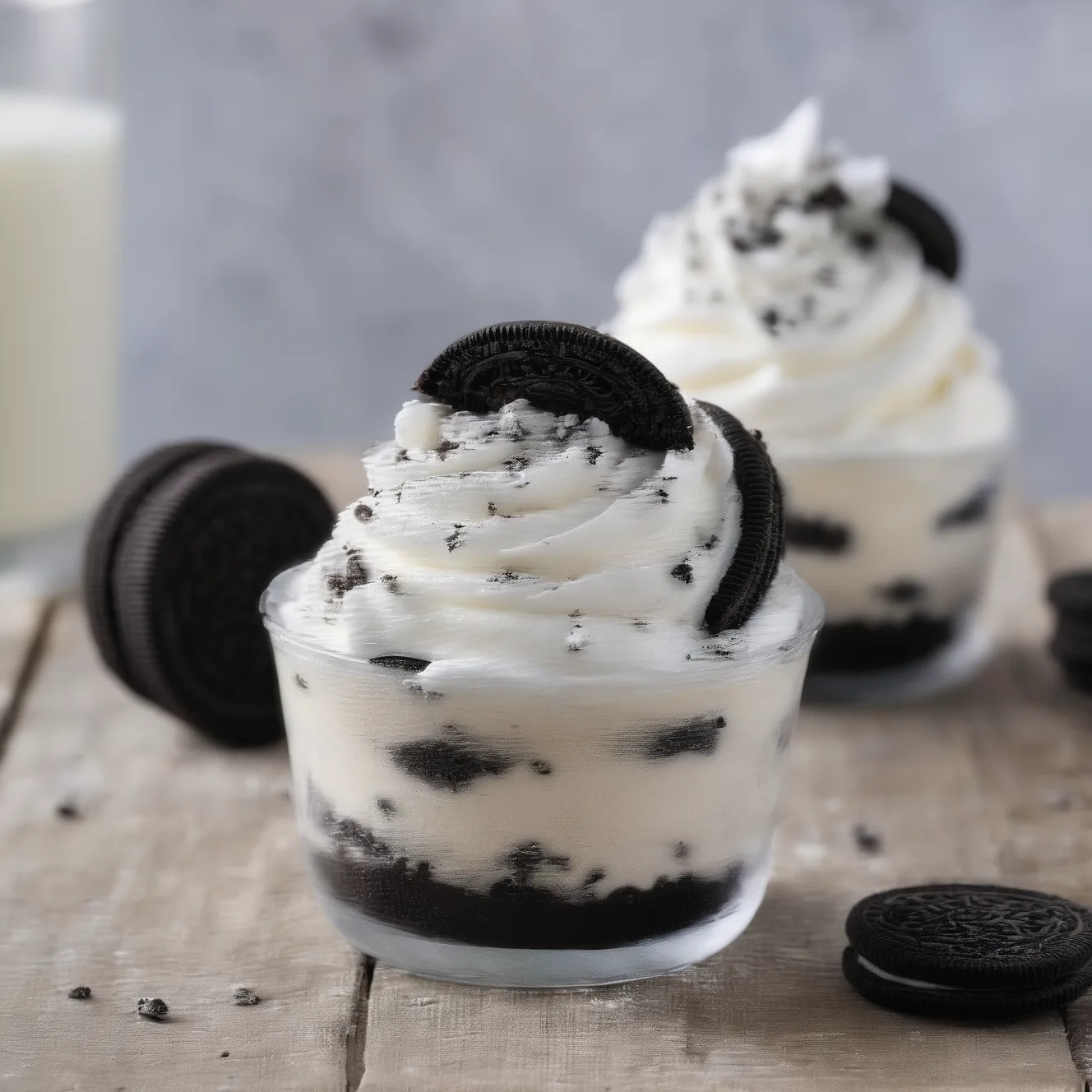
Copycat Sonic Blast
Prep time: 8 minutes Servings: 1 (equivalent to a Sonic medium)
A Sonic Blast is not a milkshake. Blending turns it into one — and that’s exactly what most copycat recipes get wrong.
The Blast is thick vanilla soft serve with chunky candy or cookie pieces hand-stirred through it. The mix-ins stay distinct. You eat it with a spoon. Sonic charges $4–6 for the privilege of this at a drive-through; the ingredients cost about $2.50 at home. The technique takes under 10 minutes and one bowl.
The guide below covers the OREO Blast as the primary recipe — it’s the most popular and a good demonstration of the technique — then covers every other major flavor variant.
TL;DR
- Soften ice cream at room temp for 8–10 minutes until it’s thick-frosting consistency, not liquid
- Add only 1 tablespoon of milk — more than that and you’ve made a shake
- Fold in chunky mix-ins (not uniformly crushed); fold, don’t stir vigorously
- Pre-chill your mixing bowl for 10 minutes to extend working time
- Eat within 10 minutes — this does not hold
What a Sonic Blast Actually Is
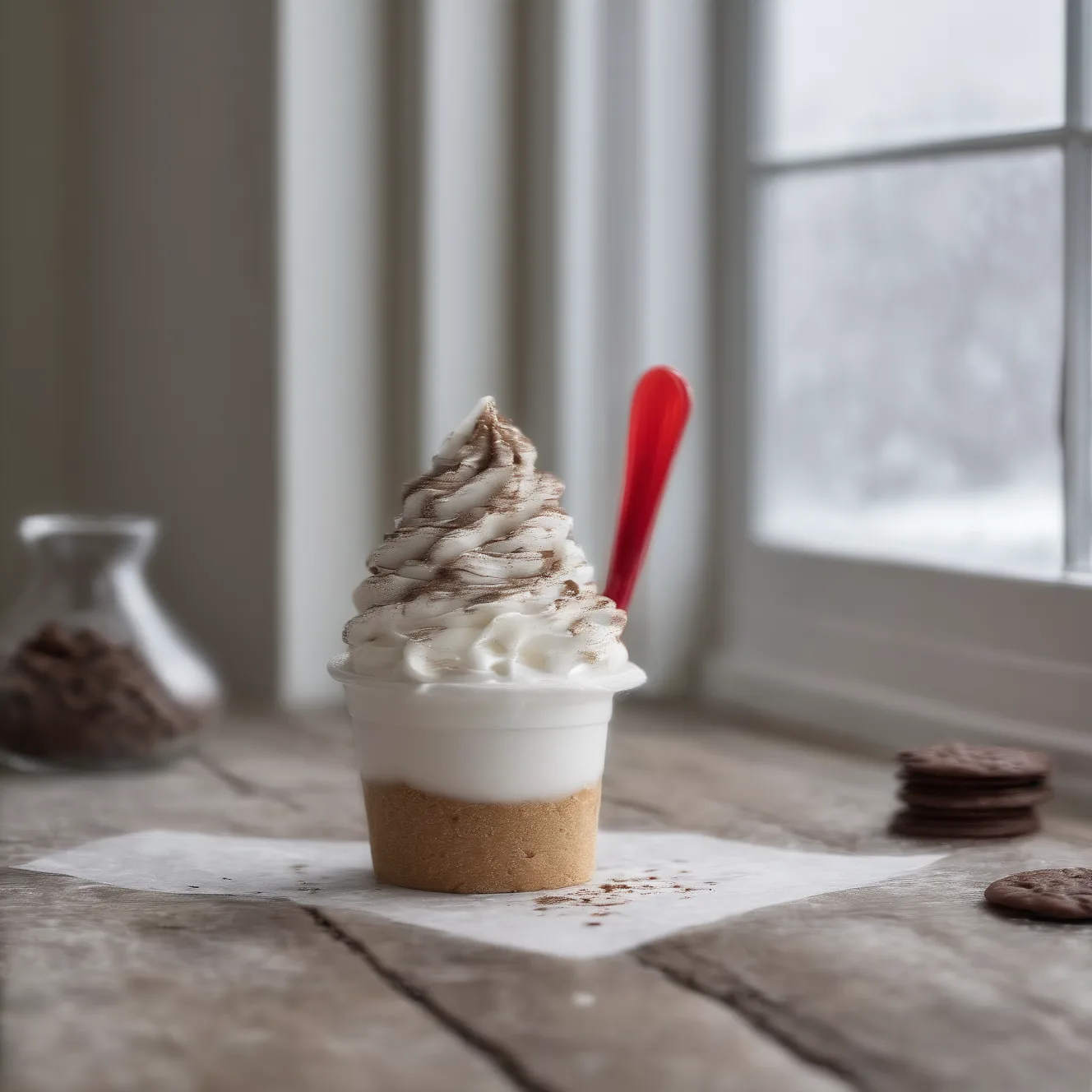
Sonic introduced the Blast in the 1990s as a thicker, chunkier alternative to their shake line. Where a shake is fully blended until smooth and drinkable through a straw, a Blast is assembled differently: thick soft serve is loaded into a cup and mix-ins — OREO pieces, Reese’s cups, M&M’s, cookie dough, brownie chunks, or candy bar shards — are hand-stirred through the base at the drive-in counter.
The result sits about halfway between a sundae and a shake: thicker than either, with chunks of mix-in distributed throughout the cold, dense ice cream. Sonic serves it in a cup, and customers eat it with a spoon.
The concept is similar to McDonald’s McFlurry, which uses the same principle of folding mix-ins into soft serve rather than blending them. The main practical differences are that Sonic’s version is hand-stirred while the McFlurry uses a mechanical mixer attachment on the soft serve machine, and Sonic tends to be more generous with the mix-in quantity.
The Soft Serve Problem
The most common failure point in homemade Sonic Blasts is ice cream temperature. Sonic uses a commercial soft serve machine that dispenses product at around -5°F to 0°F — colder than room temperature but considerably warmer than your home freezer, which runs at 0°F. Soft serve at that temperature is already semi-soft, spoonable, and incorporates mix-ins easily.
Hard-pack ice cream from your home freezer is around -10°F to -15°F. At that temperature, it resists the spoon, tears rather than folds, and produces an uneven, chunky result with icy pockets where the mix-ins didn’t fully incorporate.
The fix is to let the ice cream sit out and warm up until it reaches a soft-serve-like consistency: thick, spreadable, holds its shape when pressed but yields cleanly to a spoon. This takes 8–10 minutes for most premium ice creams. Watch for the right window — if it starts to look glossy and wet on the surface, it’s gone too far and will thin out fast when stirred.
Premium ice cream (Häagen-Dazs, Blue Bell, Tillamook, Breyers Natural) softens more evenly and holds its cold longer than standard ice cream because of higher butterfat content. Avoid light ice cream or frozen yogurt — the extra water content causes rapid melt-out during stirring.
The OREO Blast: The Classic
OREO is the most popular Sonic Blast flavor by a wide margin, and it’s the best starting point for the technique. The cookies behave predictably when broken — you get both fine crumbs that stain the ice cream a pale gray color (visually distinct, unmistakably OREO) and larger chunks with snap. The cream filling softens slightly in the cold ice cream and becomes fudgier than in a dry cookie.
Break your OREOs by hand into a bowl before you start mixing. You’re not aiming for uniform crumbs — uneven is correct. Some pieces should be nearly powdered (these flavor the base), and some should be close to quarter-cookie size (these give the satisfying crunch in the final product). Using a food processor or rolling them under a heavy glass produces a uniform fine crumb that reads as “flavored ice cream” rather than a Blast with real texture.
Six to eight cookies is the right range for 1.5 cups of ice cream. Six gives you noticeable mix-ins without overwhelming the dairy; eight pushes to the Sonic density where you’re getting cookie in most bites.
All the Main Flavors
OREO Cookie Pieces (the original): 6–8 OREOs broken into uneven chunks. The fine crumb colors the base; the chunks give texture. Classic ratio is roughly 2:1 cookie-to-cream-filling surface area per bite.
REESE’S Peanut Butter Cups: Quarter 4–5 regular-size Reese’s cups — don’t use the unwrapped minis for this because they’re too small to give the chunky texture. The peanut butter interior softens to a fudge-like consistency in the cold ice cream; the chocolate shell stays snappy. This is the richest-calorie flavor at roughly 890 calories in a Sonic medium (vs. about 860 for the OREO) due to the peanut butter fat.
M&M’s Chocolate Candies: Use ⅓ cup of M&M’s, whole or roughly crushed. Plain M&M’s melt slightly at the candy shell-ice cream boundary but retain a chocolate-snap crunch in the center. Peanut M&M’s are better for home versions because the peanut interior stays firm and adds texture contrast.
HEATH Toffee Bar Pieces: Crush 3 HEATH bars into irregular shards using a kitchen mallet or the bottom of a heavy pan — you want shards, not powder. HEATH in cold ice cream gives a crispy, buttery-toffee crunch that’s different from every other Blast variant. The almond notes in the candy amplify the vanilla in the ice cream well.
Chocolate Chip Cookie Dough: Use store-bought edible cookie dough (specifically labeled safe-to-eat, with heat-treated flour and pasteurized eggs) — ⅓ cup broken into teaspoon-sized pieces. The dough chunks stay firm in cold ice cream and provide a soft, dense chew against the smooth base.
Chocolate Chunk Brownie: Cube ½ of a 2×2-inch baked brownie (fudge-style, not cakey) into small pieces. The dense fudge brownie softens slowly in cold ice cream, giving a chocolate-fudge-ice-cream effect. Particularly good with a pinch of flaky sea salt over the top.
Sonic Blast vs. McFlurry: The Real Comparison
| Feature | Sonic Blast | McDonald’s McFlurry |
|---|---|---|
| How made | Hand-stirred at counter | Mechanical mixer attachment |
| Base | Vanilla soft serve | Vanilla soft serve |
| Mix-in texture | Chunky, hand-broken pieces | More uniformly mixed |
| Consistency | Very thick, spoon-only | Slightly thinner, some use straw |
| Size options | Mini, Small, Medium, Large | Small, Medium |
| Average price (medium) | $4.50–5.50 | $3.50–4.50 |
| Calories (medium OREO) | ~860 | ~510 |
The end result is functionally similar. Sonic tends to run thicker and more chunky; McFlurry is a little smoother from the mechanical mix. For home replication, this same recipe — soften ice cream, fold in mix-ins, don’t blend — works for both.
Nutrition: Sonic vs. Homemade
| Flavor | Sonic Medium | Homemade (this recipe) |
|---|---|---|
| OREO Blast | ~860 cal, 44g fat | ~730 cal, 28g fat |
| Reese’s Blast | ~890 cal, 39g fat | ~820 cal, 35g fat |
| M&M’s Blast | ~850 cal, 42g fat | ~710 cal, 26g fat |
| Heath Toffee Blast | ~820 cal, 40g fat | ~680 cal, 25g fat |
Figures for Sonic’s menu vary by source and location (published OREO Blast numbers span roughly 770–930 calories); the homemade column reflects this recipe as written with premium ice cream.
The homemade version is comparable in calories to Sonic’s medium but uses higher-quality dairy — premium ice cream has a shorter, cleaner ingredient list than Sonic’s commercial soft serve mix, which includes multiple gums and stabilizers.
Cost Comparison
| Source | Cost per Blast |
|---|---|
| Sonic Drive-In (medium) | $4.50–5.75 |
| Home (this recipe) | ~$2.20–2.80 |
A 1.5-cup scoop of premium vanilla ice cream from a half-gallon is roughly $1.20–1.50. A full pack of OREOs yields about 6 batches at ~$0.40–0.50 per batch. Total: under $2.50 for a serving that matches Sonic’s medium in volume.
Storage
There is no storage. The Sonic Blast does not keep. The mix-ins begin to soften, the ice cream melts into a thin liquid within 15–20 minutes, and you cannot refreeze the result without getting hard, icy, separated mess. Make it, eat it immediately. If you’re making for multiple people, stagger the batches rather than making one large batch ahead of time.
The Sonic Frozen Menu
The Blast is the densest and chunkiest item in Sonic’s frozen lineup. Other options for comparison:
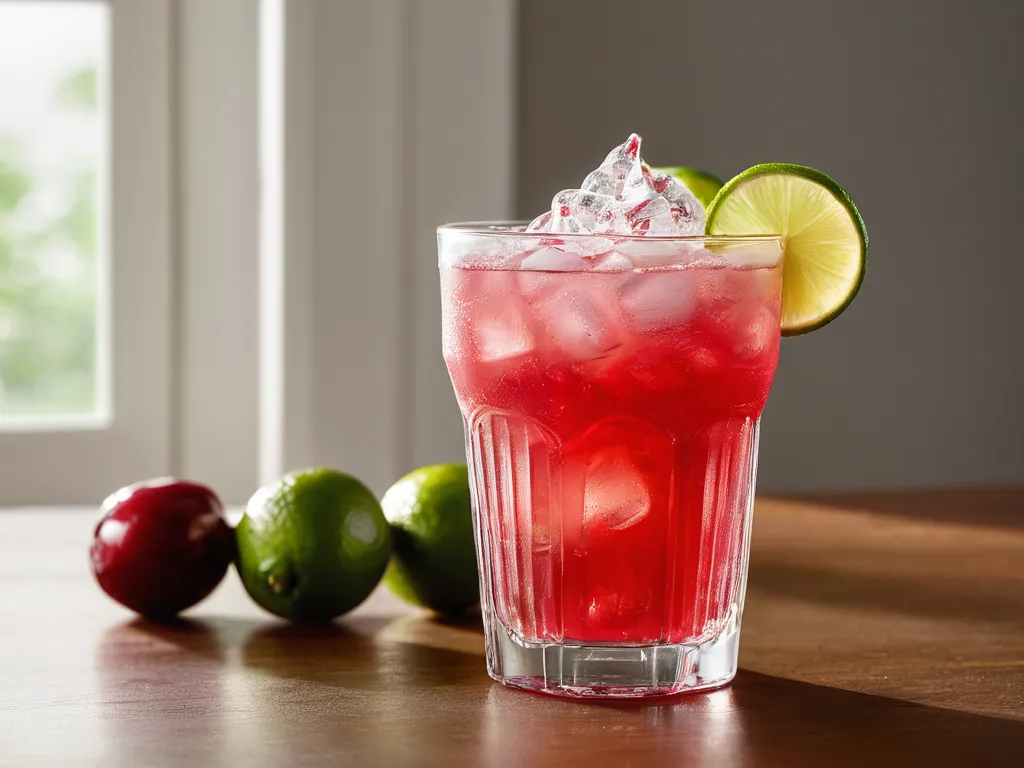
- Sonic Cherry Limeade — fresh lime juice, maraschino cherry, Sprite, nugget ice; the drink, not a frozen dessert
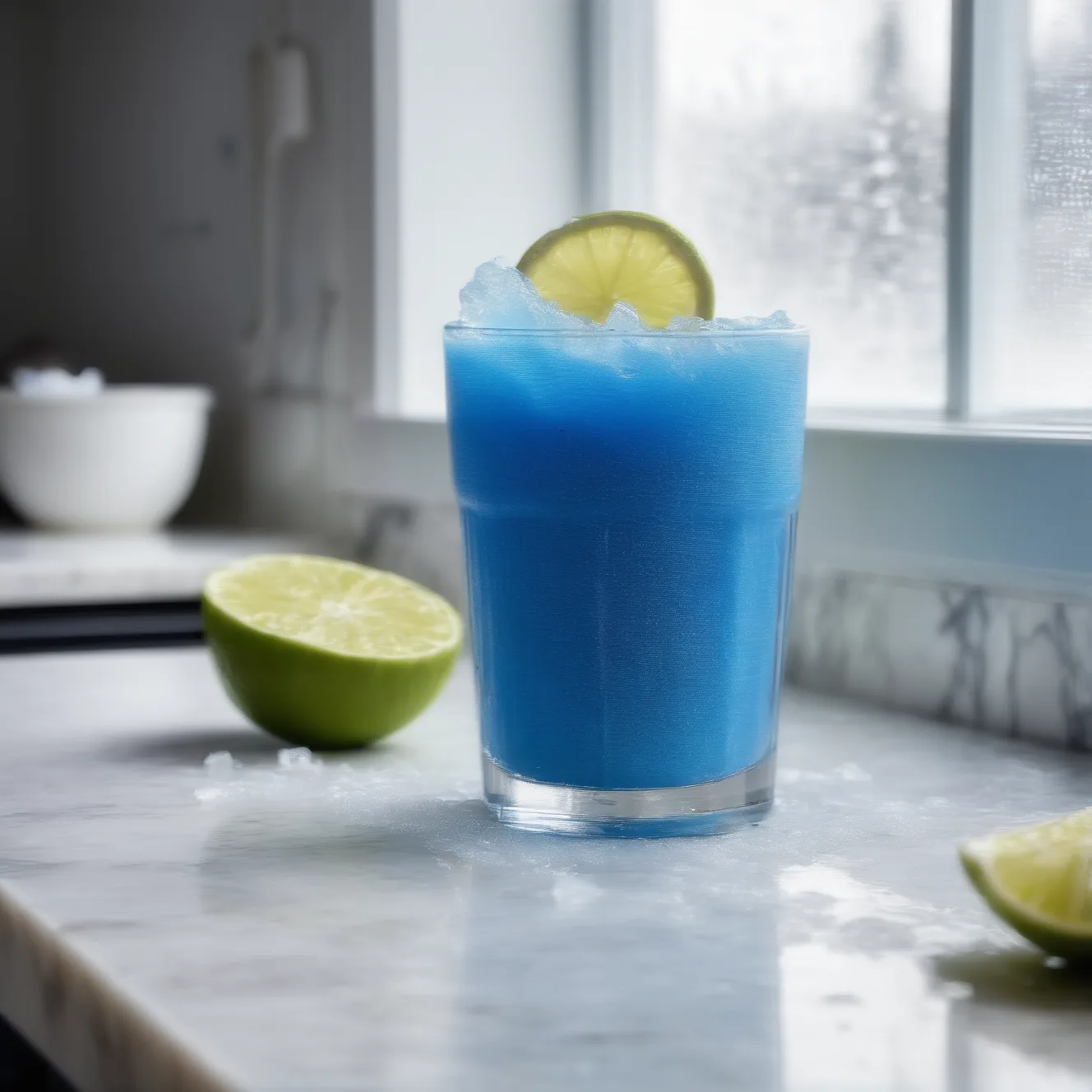
- Sonic Ocean Water — coconut-flavored blue Sprite; the soda side of the frozen menu
- Sonic Tater Tots with Cheese Sauce — the savory side
The Five Guys milkshake and In-N-Out Neapolitan Shake are both in the blended-shake category rather than the hand-stirred Blast category — useful comparison if you want to understand where the Blast sits in the frozen dessert spectrum.
See all Sonic Drive-In copycat recipes →