


Pin It

Starbucks Caramel Brulee Latte

Starbucks Caramel Brulee Latte
Jump to Recipe
Prep 15 min Cook 10 min Serves 1 drink (Grande / 16 oz)
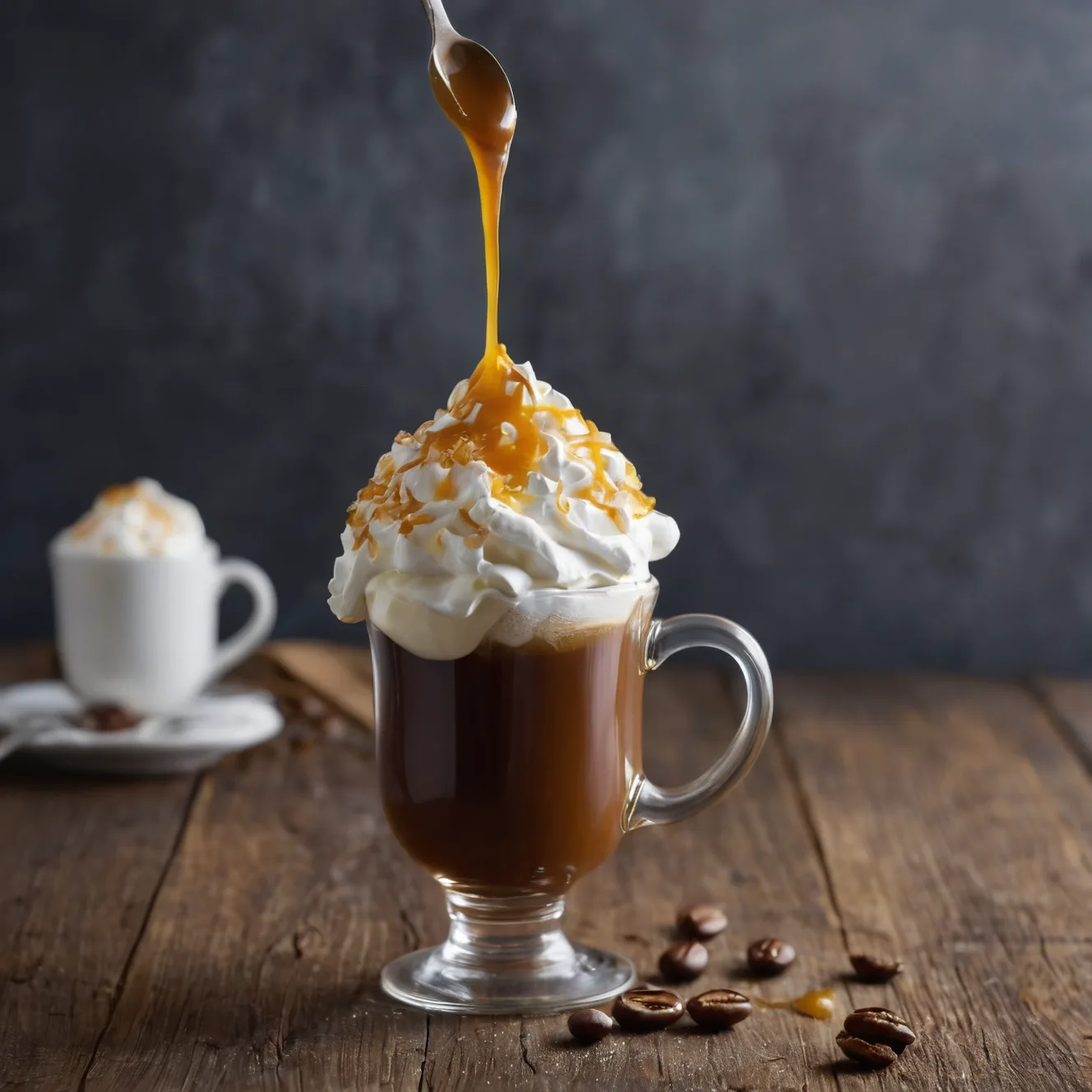
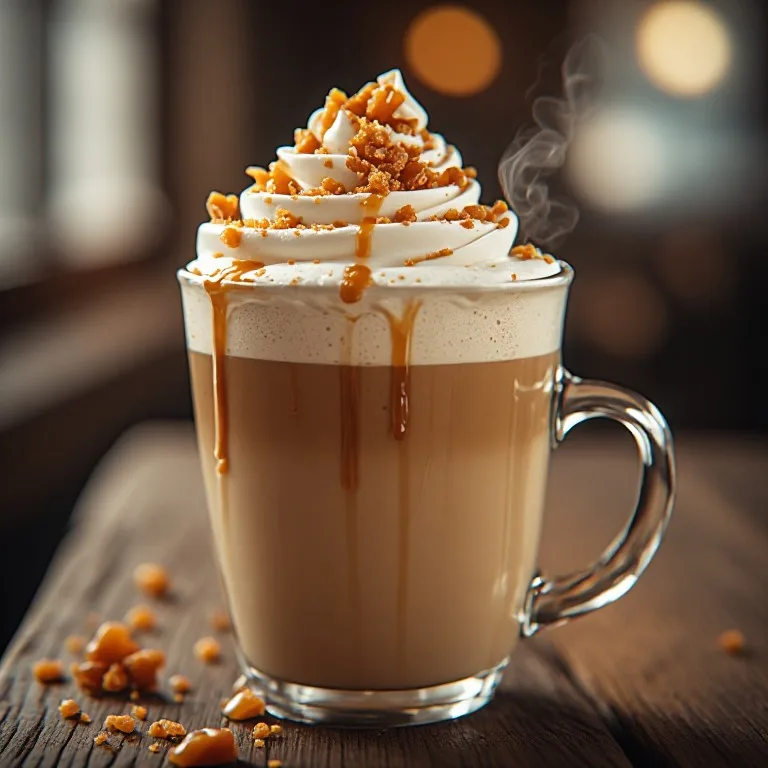
Quick answer: A Starbucks Caramel Brulee Latte is 2 espresso shots poured over 4 pumps (~2 tbsp) of caramel brulée sauce, steamed 2% milk, whipped cream, and a sprinkle of caramel brulee bits. Grande with 2% milk and whip: ~410 calories / 61g sugar / ~150mg caffeine. At home the drink costs under $1. The brulée distinction matters: the sauce goes darker than standard caramel (350°F / deep amber), giving it a pleasantly bitter, almost toffee-tinged edge you won't get from regular caramel sauce. Brulee bits = thin caramel poured onto parchment, chilled, then crumbled. It has been on the Starbucks holiday menu every year since 2009.

Starbucks Caramel Brulee Latte

Make the Starbucks Caramel Brulee Latte at home with a true brulée-stage caramel sauce and crunchy caramel bits topping. Full recipe, pump counts for every size, nutrition, and tips to nail the deep, slightly bitter caramel flavor that sets it apart from a plain caramel latte. Costs under $1 vs. $7 at Starbucks.

Easy Prep: 15 min Cook: 10 min Total: 25 min1 drink (Grande / 16 oz) servings ~$4.50/serving
Prep15 min
Cook10 min
Total25 min
Servings
1
At home~$4.50/serving
vs
Restaurant~$20.25/serving
You save ~78%

The Story Behind the Recipe

The Caramel Brulee Latte debuted on Starbucks' holiday menu in November 2009 alongside the Peppermint Mocha and quickly became the second most popular red cup drink. Where the Peppermint Mocha has mint chocolate, the Caramel Brulee Latte goes in a different direction: a caramel sauce pushed past the standard amber stage into a deeper, slightly bitter brulée territory — named for the French technique of torching sugar atop crème brûlée until it forms a hard amber shell. The crunchy caramel bits on top complete the reference: they taste and crunch exactly like the broken crust of a restaurant crème brûlée. At Starbucks, the drink runs $6.50–$7.25 for a Grande depending on location. The homemade version costs under a dollar.

The one technique that separates a genuine Caramel Brulee Latte from a plain caramel latte is the depth of the caramel cook. Standard caramel sauce stops at light amber (320°F), where the flavor is mild and sweet. Brulée sauce goes to true dark amber (350°F), where the sugar caramelizes further — breaking down into the bitter, nutty compounds that give deep caramel its complexity — and a faint bitterness develops, the same edge that makes crème brûlée so satisfying. It takes roughly two additional minutes on the stove and a thermometer to hit the target. Pull it at the right moment and the sauce has a complex, almost toffee-like depth that store-bought caramel syrup cannot replicate.

Nutrition Facts

Per serving (1 drink (Grande / 16 oz) servings)
Calories410
Total Fat15g
Total Carbs63g
Dietary Fiber0g
Sugars61g
Protein13g
Sodium170mg

* Estimated values based on standard recipe preparation. Actual values may vary.

Ingredients

  • Espresso
  • Caramel Brulée Sauce (4 pumps / ~2 tbsp for Grande)
  • For homemade caramel brulée sauce
  • Caramel Brulee Bits (topping)
  • Milk
  • Topping
  • For iced version

Instructions

💡
Pro tip: This recipe tastes even better the next day. The flavors need time to meld together in the fridge.
❄️
Storage: Keeps in an airtight container in the fridge for up to 2 weeks. Freezer-friendly for up to 3 months.
🎃 Free Halloween cookbook — download now The Copycat Halloween Cookbook A ready-made, photo-illustrated PDF of our best halloween copycat recipes — free to download, no building required. Pay what you want to support if you love it.

Free PDF — instant download. We'll also send new seasonal copycat recipes now and then; unsubscribe anytime. Or just download it →

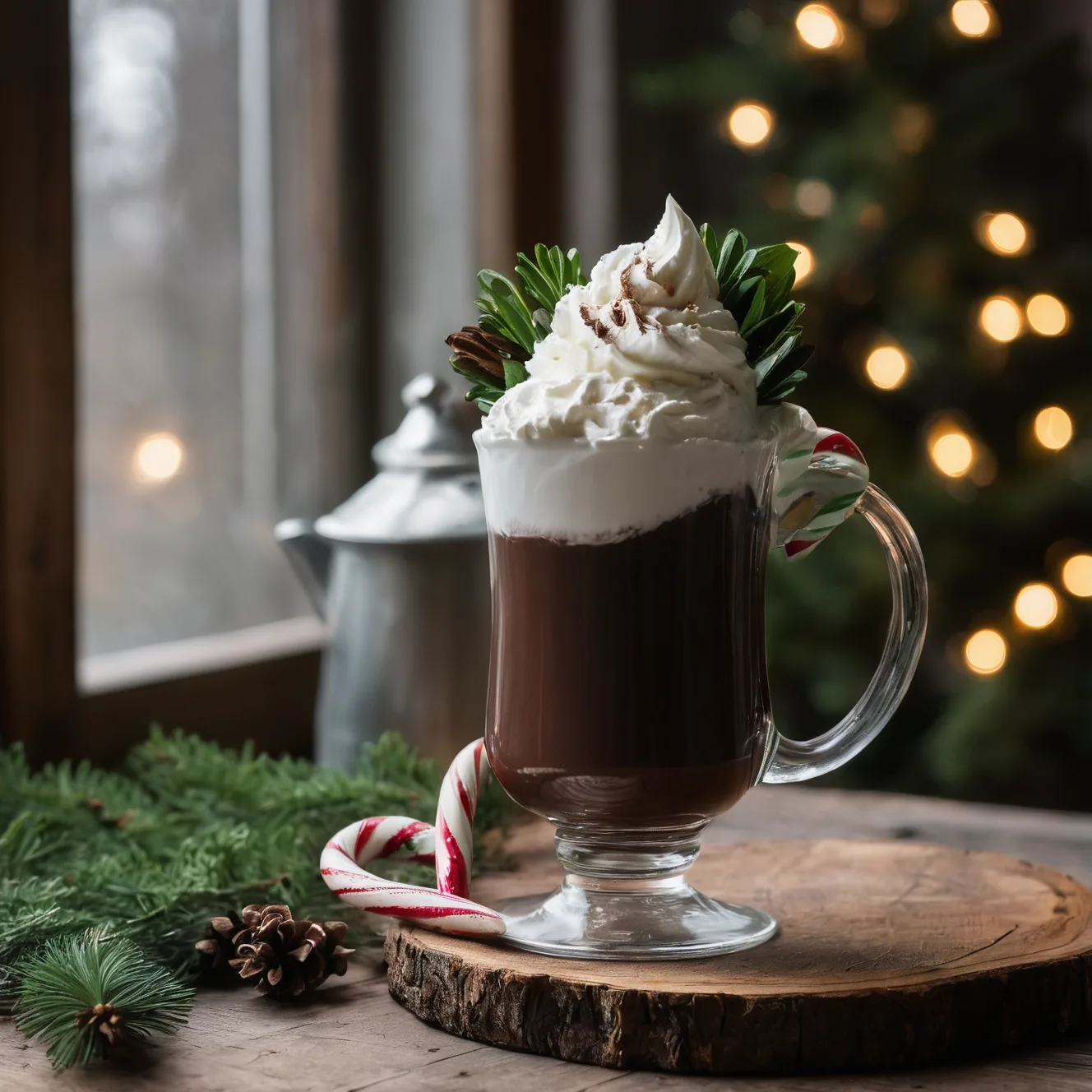
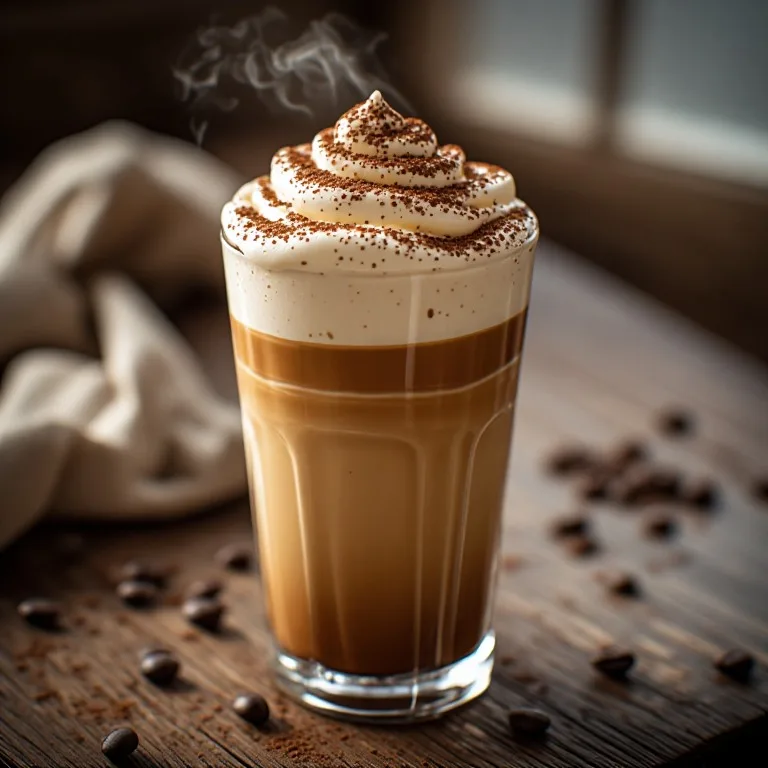
The Starbucks Caramel Brulee Latte has been one of the most anticipated holiday drinks since it landed on the red cup menu in 2009 — the one with the crunchy caramel bits on top and a caramel sauce that tastes slightly more complex, more bitter, and more interesting than a regular caramel latte. That difference comes from one thing: the caramel is cooked deeper, past the light-amber sweet stage into true brulée territory. At home the drink costs under $1 versus $6.50–$7.25 at Starbucks.

What makes it a Caramel Brulee latte (not just a caramel latte)

The name references crème brûlée — the French dessert where custard gets a crust of caramelized sugar torched to a hard amber shell. Two elements carry that reference into the drink:

The sauce. Standard caramel sauce is cooked to light amber, around 320°F. Brulée sauce goes to dark amber — 350°F — where more of the sugar has broken down and a faint, pleasant bitterness develops. That’s what gives the CBL its depth. Regular caramel sauce (Smucker’s, Hershey’s, the bottled Starbucks caramel) won’t replicate it.

The topping. The crunchy brulee bits sprinkled over the whipped cream are essentially a shattered version of that caramelized sugar crust — exactly what you’d crack through on a restaurant crème brûlée. They soften slightly as they sit, so serve the drink within a few minutes of assembling.

What you need

The homemade caramel brulée sauce keeps 3 weeks in the fridge, so one batch covers 6–8 drinks. You’ll use it for hot or iced versions alike. The only specialized tool that truly helps is a candy thermometer — without one, you’re reading color (dark amber, like strong iced tea), which is doable but less precise.

For the brulee bits, a kitchen torch is fastest; a broiler works too. At a pinch, Heath Bar toffee bits (crushed fine) approximate the crunch if you skip making the topping from scratch.

Sizing and pump reference
SizeEspressoCaramel Brulée SauceMilk
Short (8 oz)1 shot2 pumps (1 tbsp)6 oz
Tall (12 oz)1 shot3 pumps (1.5 tbsp)8 oz
Grande (16 oz)2 shots4 pumps (2 tbsp)10 oz
Venti hot (20 oz)2 shots5 pumps (2.5 tbsp)12 oz
Venti iced (24 oz)3 shots6 pumps (3 tbsp)14 oz

The recipe above is calibrated for a Grande — 2 shots and 2 tablespoons of sauce.

Caramel brulée sauce: the key step

The only place the recipe can go wrong is pulling the caramel too early (flat, sweet, no complexity) or too late (acrid, burnt). At 350°F the color should look like the darkest tea you’ve ever brewed — rich amber, not pale gold, not black-brown. Color is the most reliable cue here: by the time sugar reaches the brulée stage it is well past the hard-crack range, so lean on the shade and a thermometer rather than a cold-water test. Pull it the moment it hits deep amber; caramel keeps darkening from residual heat for several seconds after it leaves the burner, so a touch early beats a touch late.

Warm the cream before adding it to the hot caramel. Cold cream hitting 350°F caramel bubbles up violently (a major burn hazard). Thirty seconds in the microwave is enough.

Iced vs. hot

Both versions use the same sauce and bits. For iced, pour the hot espresso directly over the ice — it flash-chills the espresso and simultaneously dissolves the caramel sauce from the bottom of the glass. Stir once, add cold milk, top with cream and bits. The iced version is lighter than it sounds: the brulée flavor comes through clearly even over ice.

Building a holiday coffee lineup at home? The Caramel Brulée is the sweet, caramel end of Starbucks’ 2026 holiday menu; the new Tiramisu Velvet Latte is the drier, coffee-forward end, and the Sugar Cookie Latte sits in between.
🥗

Make It Healthier

Love Starbucks Caramel Brulee Latte but want a lighter version? Try these simple swaps:

  • ✓Skip the whipped cream — saves roughly 70–80 calories and cuts about 7g of fat without affecting the caramel or espresso flavor. The brulee bits still go on top for crunch and presentation.
  • ✓Cut to 2 pumps sauce (1 tablespoon) instead of 4 — reduces sugar by roughly 24–28g and drops the drink to approximately 290–310 calories. The caramel flavor is still very present at half-strength; this is the single highest-leverage swap.
  • ✓Use oat milk (Oatly Barista) instead of 2% milk — roughly equivalent calories but no cholesterol, and the oat milk's natural sweetness pairs surprisingly well with the bitter edge of the brulée caramel.
  • ✓Use nonfat milk and skip whip — approximately 300 calories (down from 410). The foam is lighter and airier; the flavor profile stays intact since the caramel sauce carries most of the richness.

Frequently Asked Questions

How many pumps of caramel brulee sauce does a Starbucks Caramel Brulee Latte have?

Starbucks uses 2 pumps for a Short (8 oz), 3 pumps for a Tall (12 oz), 4 pumps for a Grande (16 oz), and 5 pumps for a hot Venti (20 oz). Iced Venti (24 oz) typically gets 6 pumps. Each pump delivers approximately 0.5 tablespoons, so a Grande uses about 2 tablespoons total. At home, measure 2 tablespoons for the standard Grande-size recipe — or scale up or down to taste. Because the brulée sauce is more intensely flavored than regular caramel, some people prefer 3 pumps rather than 4.

When does the Starbucks Caramel Brulee Latte come back?

The Caramel Brulee Latte returns with the Starbucks holiday red cup menu every November — typically the first or second Thursday of November. It ran from November 6, 2025 through early January 2026. The 2026 holiday menu has not been announced as of late October 2026, but the pattern suggests a launch around November 6–13, 2026. At home there is no seasonal limitation — you can make it year-round once you have the sauce.

What are the caramel brulee bits on top of the Starbucks Caramel Brulee Latte?

The bits are Starbucks' proprietary caramel brulee topping — a crumbly, crunchy caramel candy that looks and tastes like the shattered crust of a crème brûlée. At home you can make an identical topping in 5 minutes by spreading a thin layer of sugar on parchment, torching or broiling it to amber, letting it harden, and crushing it. Heath Bar toffee bits (crushed fine) are a fast substitute with a slightly different but comparable flavor and crunch.

Is there a difference between the Caramel Brulee Latte and a regular caramel latte?

Yes, significantly. A plain caramel latte uses regular caramel sauce (light amber, sweet, mild). The Caramel Brulee Latte uses a sauce cooked to a darker, deeper stage — the brulée stage — that adds a slightly bitter, complex edge and a more intense caramel flavor. The crunchy brulee bits topping has no equivalent on a standard caramel latte. In short: the regular caramel latte is sweeter and milder; the Caramel Brulee Latte is richer and more complex.

Can I use store-bought caramel sauce to make this at home?

You can, but the flavor gap is real. Standard caramel sauces (Hershey's, Smucker's, Starbucks bottled caramel) are cooked to a lighter stage and taste sweeter and flatter than the Starbucks brulée sauce. Torani Dark Caramel Sauce and Monin Dark Caramel Syrup come closest commercially — both are cooked darker than standard caramel. For the most accurate result, make the homemade brulée sauce once; it takes 15 minutes and keeps for 3 weeks in the fridge.

What milk does Starbucks use in the Caramel Brulee Latte by default?

The default is 2% milk, steamed to around 150°F. You can customize at Starbucks or at home to whole milk (creamier, ~450 calories), nonfat milk (~310 calories without whip), oat milk (Starbucks uses Oatly), soy, coconut, or almond milk. Whole milk produces the thickest foam and richest mouthfeel; oat milk pairs particularly well with the caramel flavor.

Love this recipe? Share it!

Free PDF: our 12 most-wanted copycat recipes — instant download.

Made it? Buy us a coffee

Every recipe here is free, with no paywalls. If this one was a hit at your table, a small tip keeps new copycats coming.

$

Starbucks is a trademark of its owner, used here only to describe the dish this recipe recreates. This is an independent copycat written in our own words — Copycat Spices is not affiliated with, endorsed by or sponsored by Starbucks.

Ratings & Reviews

—
No ratings yet

Rate this recipe

Click a star to rate

Leave a Review

0/500

CS

Copycat Spices Editorial

Researched + fact-checked. Every recipe on Copycat Spices is built from published sources — official ingredient lists, brand-published recipes, interviews and food-science references — and fact-checked before it goes live, then written as clear, step-by-step instructions for home cooks of all skill levels.

Learn more about our mission →