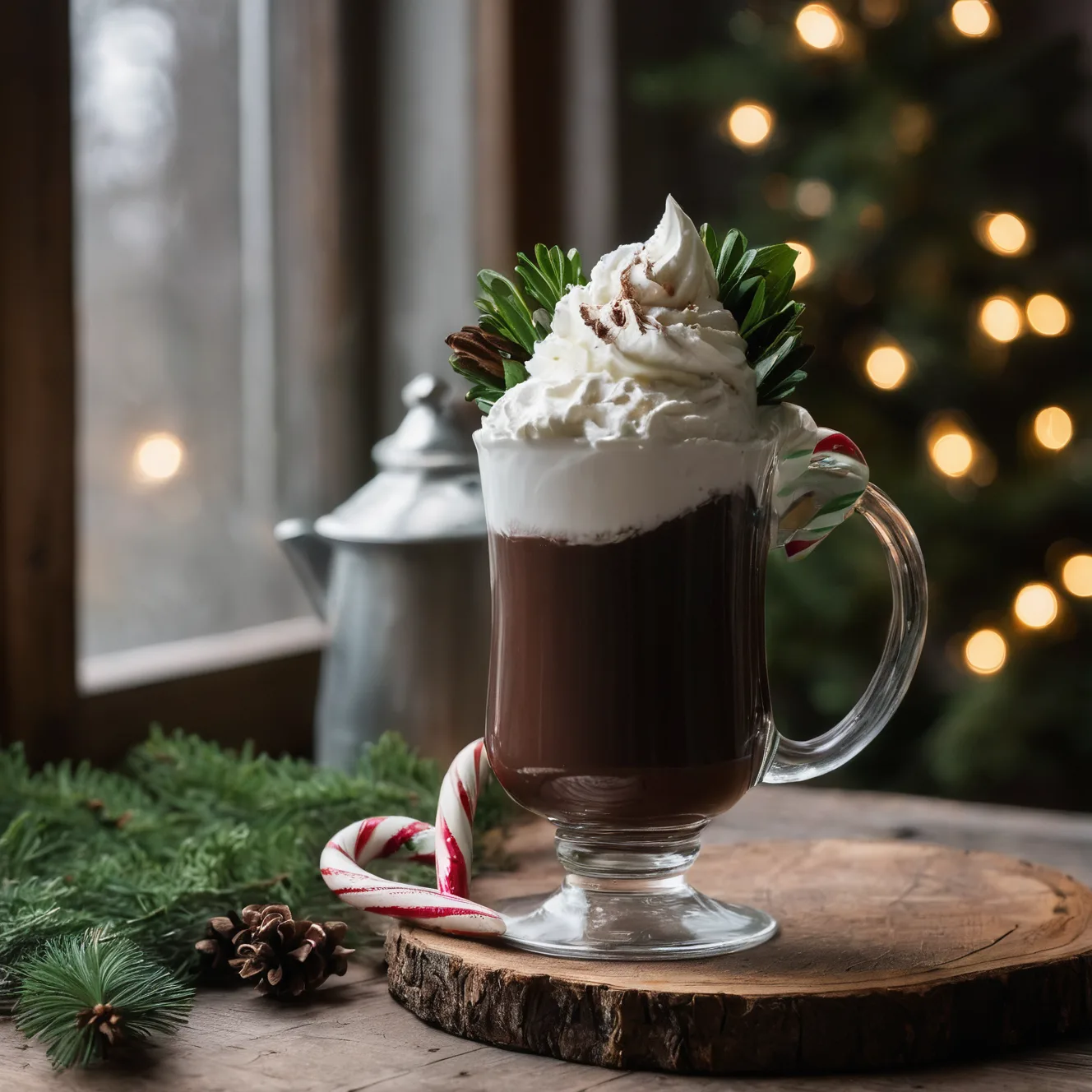
Copycat Starbucks Peppermint Mocha
The Starbucks Peppermint Mocha launched in the 2002 holiday season and quickly became the most popular holiday beverage in Starbucks history. It has returned every November since — one of the chain’s longest-running and most-ordered seasonal espresso drinks. The recipe has changed in small ways over the years: the milk became standardized to 2%, the red holiday sprinkles were replaced with dark chocolate curls. The core combination — mocha sauce, peppermint syrup, espresso, steamed milk — has remained exactly the same.
At Starbucks, a Grande runs around $6.25–6.75. At home: under $1, with sauces that take 5–8 minutes to make and produce enough for 10–12 drinks.
TL;DR
Add 2 tbsp mocha sauce and 2 tbsp peppermint syrup to your cup first. Pull 2 espresso shots directly over both sauces and stir for 5 seconds to dissolve them. Steam 10 oz of 2% milk to 150°F and pour over. Top with whipped cream and dark chocolate curls made by running a vegetable peeler along a room-temperature dark chocolate bar. For iced: pull espresso directly over the sauces and ice, add cold milk, stir, then whipped cream and curls on top.
The Mocha Sauce — Thick, Not Thin
The Peppermint Mocha uses mocha sauce, not chocolate syrup. Starbucks’ mocha sauce is a thick, pourable concentrate — ingredients: water, sugar, cocoa processed with alkali (Dutch-process), vanillin. The Dutch-process alkalization removes the sharpness from the cocoa, producing a smooth, mellow chocolate flavor that doesn’t compete with the peppermint.
At home, Dutch-process cocoa is essential. Standard natural cocoa (the kind used in most American baking) is sharper and more acidic. In this drink, it makes the chocolate note harsh. Ghirardelli Unsweetened Cocoa, Droste, or any cocoa labeled “Dutch-process” or “processed with alkali” is the right choice.
Homemade mocha sauce ratio: 2 tablespoons cocoa + 3 tablespoons sugar + 3 tablespoons water, simmered 2 minutes. This makes approximately 1/4 cup — enough for 2–3 drinks. It stores well in the fridge for 2 weeks.
Store-bought options: Starbucks sells its own mocha sauce at Target and Amazon (~$10 per bottle). Ghirardelli Chocolate Sauce is an excellent grocery-store alternative — richer, slightly sweeter than the Starbucks version but the same thick consistency. Hershey’s syrup is a fallback but is thinner and less rich.
The Peppermint Syrup — Extract, Not Oil
Starbucks’ peppermint syrup is a standard simple syrup scented with peppermint natural flavor. At home, the home equivalent is simple syrup (1:1 sugar to water) with pure peppermint extract.
Extract vs. oil: Pure peppermint extract is the right choice for home use. Peppermint oil is 15–20x more concentrated than extract and is extremely easy to overdo — a single drop can overwhelm an entire batch of syrup. Extract, at 1 teaspoon per cup of syrup, gives exactly the right intensity. If you’re using peppermint oil despite this warning, start at 1–2 drops per cup and taste carefully.
Intensity calibration: Starbucks’ peppermint syrup has a clean, medium-intensity mint note — distinct but not medicinal. The benchmark: you should be able to taste both the chocolate and the peppermint as separate flavors, with neither dominating. If your first sip tastes only like mint toothpaste, the peppermint is too strong relative to the mocha sauce; add more mocha sauce or reduce the peppermint.
Store-bought options: Torani Peppermint Syrup, Monin Peppermint Syrup, and DaVinci Peppermint Syrup are all widely available at Target, World Market, and Amazon for $8–13 per 750ml. Starbucks also sells its own peppermint syrup at Target and Amazon for around $10–12 per liter — the most faithful match.
The Chocolate Curls — What Changed from 2002
The original 2002 Peppermint Mocha was topped with red-and-white holiday sugar sprinkles. Starbucks updated the topping over the years to dark chocolate curls — a better-tasting, more elegant finish that adds a thin film of bittersweet chocolate to the first sip.
Making curls at home: Take a dark chocolate bar at room temperature — 60–70% cacao works best. Run a vegetable peeler along the long narrow edge of the bar with firm, steady pressure. Room-temperature chocolate curls cleanly. Cold chocolate (straight from the fridge) shatters into shards instead of curls — warm the bar in your hands for 30 seconds if needed. For shavings instead of curls, use the wide flat face of the bar and lighter pressure.
Why dark chocolate: The bitterness of dark chocolate is the counterweight to the sweetness of the peppermint syrup and mocha sauce. Milk chocolate curls are too sweet for this drink — they make the whole thing taste like a peppermint patty candy. Dark chocolate adds contrast.
Hot vs. Iced — Key Differences
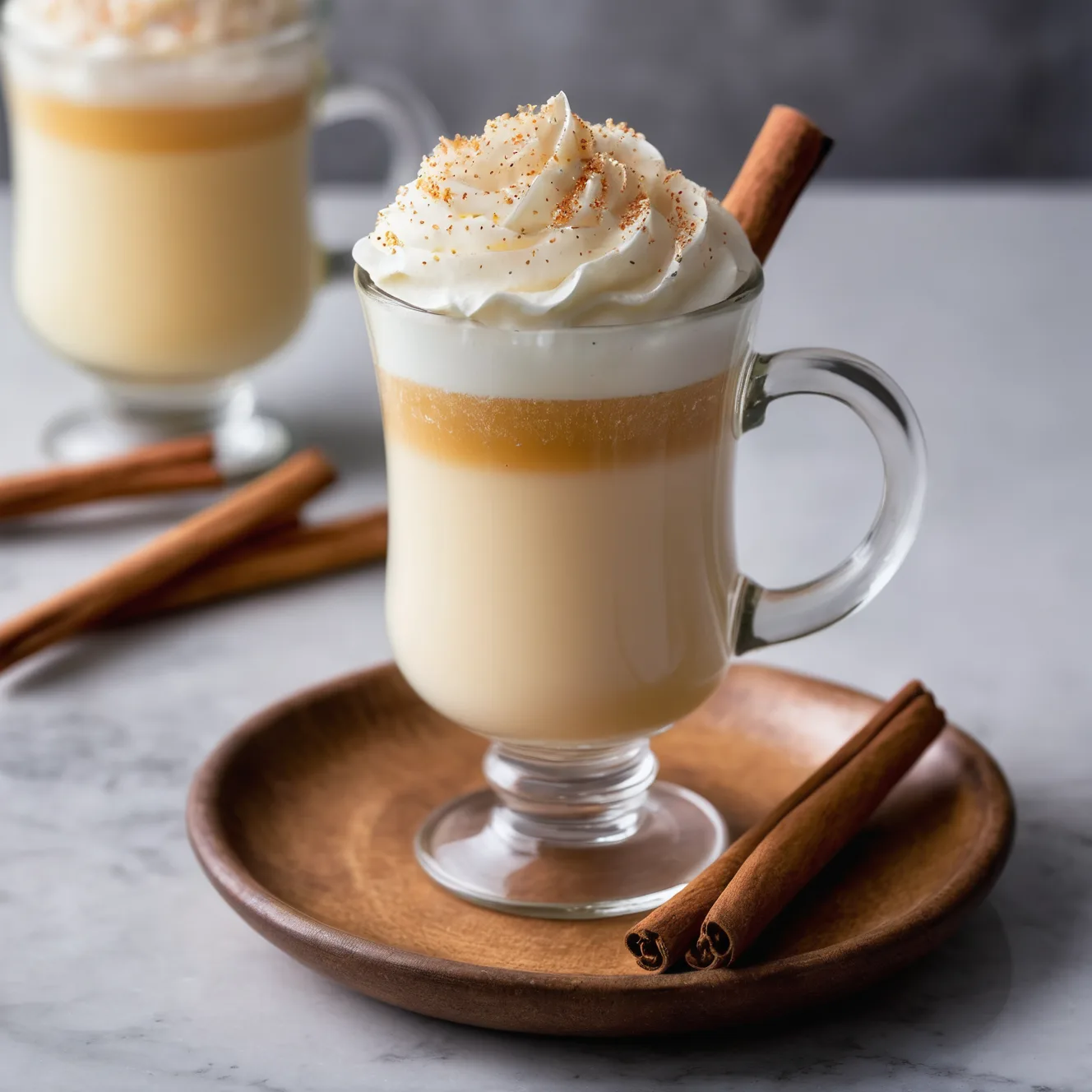
Hot Peppermint Mocha: Mocha sauce and peppermint syrup dissolve into hot espresso, steamed milk provides microfoam and warmth, chocolate curls melt slightly into the whip. Heat amplifies the chocolate and mint together — the drink reads richer and more warming.
Iced Peppermint Mocha: The same mocha sauce and peppermint syrup dissolve in hot espresso poured directly over ice. Cold milk fills the rest. The ice flash-chills everything instantly. Cold suppresses sweetness perception, so the iced version will taste slightly less sweet than the hot even with identical amounts — this is expected. The iced version is lighter and more refreshing; the chocolate and mint read more separately rather than merged.
Iced assembly tip: Pour the espresso over the sauces and ice first, stir briefly to dissolve, then add cold milk. Do not add the milk first — it dilutes the sauce before the espresso can dissolve it, leaving streaks of undissolved mocha at the bottom.
Sizing the Recipe
| Size | Espresso | Peppermint syrup | Mocha sauce | Milk |
|---|---|---|---|---|
| Short (8 oz) | 1 shot | 2 pumps / 1 tbsp | 2 pumps / 1 tbsp | 6 oz |
| Tall (12 oz) | 1 shot | 3 pumps / 1.5 tbsp | 3 pumps / 1.5 tbsp | 8 oz |
| Grande (16 oz) | 2 shots | 4 pumps / 2 tbsp | 4 pumps / 2 tbsp | 10 oz |
| Venti hot (20 oz) | 2 shots | 5 pumps / 2.5 tbsp | 5 pumps / 2.5 tbsp | 14 oz |
| Venti iced (24 oz) | 3 shots | ~5–6 pumps | ~5–6 pumps | 12 oz cold |
The 1:1 ratio of peppermint to mocha sauce holds at all sizes. The Venti iced pump count follows the standard Starbucks iced-Venti pattern of one additional pump versus the hot Venti, but exact counts can vary by barista.
Milk Options
2% milk (Starbucks default): The baseline for the nutrition figures on this page. Steams well, produces stable microfoam, holds up against the mocha sauce.
Whole milk: Richer foam, slightly more calories (~460 cal with whip vs. 440). The extra fat makes the chocolate and mint flavors feel rounder and more indulgent.
Oat milk (Oatly Barista or Califia Barista Blend): Popular dairy-free option. Oat milk’s natural sweetness pairs well with peppermint. Approximately 390–400 calories with whipped cream. Significantly lower in protein than dairy.
Almond milk: Lighter in calories, slight nuttiness. The almond note doesn’t clash with peppermint but is detectable. Produces almost no foam; the drink will be thinner in texture.
Nonfat milk: ~270 calories with no whip. Airier foam that dissipates faster. Flavor holds fine; texture is thinner.
The History: The Most Popular Holiday Drink Starbucks Ever Made
Starbucks introduced the Peppermint Mocha in the 2002 holiday season. Product manager Peter Dukes and Starbucks’ R&D group — the Liquid Lab, a roughly 10-person team that taste-tested new drink ideas — worked through several holiday flavor directions, including a white chocolate cranberry beverage, before landing on a peppermint twist on the classic Caffè Mocha inspired by traditional holiday candy. It quickly became the most popular holiday beverage in Starbucks history and has returned every year since. It was not, however, Starbucks’ first holiday espresso drink — the Eggnog Latte dates back to 1986.
The original version came with red-and-white holiday sprinkles. The drink gradually evolved: the milk was standardized to 2%, the topping changed to dark chocolate curls. The core combination has remained unchanged for over two decades.
Cost Breakdown
| Ingredient | Amount | Cost |
|---|---|---|
| Espresso (ground coffee) | 2 shots | $0.25 |
| 2% milk | 10 oz | $0.30 |
| Mocha sauce (homemade) | 2 tbsp | $0.10 |
| Peppermint syrup (homemade) | 2 tbsp | $0.08 |
| Heavy cream + dark chocolate curls | per serving | $0.18 |
| Total | $0.91 |
Compare to $6.25–6.75 at Starbucks — save about 85%
The peppermint syrup batch (1.5 cups) costs roughly $0.80–1.00 in ingredients and makes 10–12 drinks. The mocha sauce batch (1/4 cup) costs roughly $0.25–0.35 and makes 2–3 drinks.
See Also
- Starbucks Pumpkin Spice Latte — the other Starbucks holiday espresso anchor: pumpkin sauce + warming spices, returns late August/early September; seasonal but different lane than peppermint-chocolate
- Copycat Starbucks White Chocolate Mocha — the permanent year-round mocha sibling: white chocolate sauce instead of dark mocha, available every day, no espresso and peppermint tension
- Copycat Starbucks Salted Caramel Mocha — another discontinued holiday mocha (last on official menu fall 2020): dark mocha sauce + toffee nut syrup + caramel drizzle + sea salt; still orderable as a custom drink at most locations
- Copycat Starbucks Java Chip Frappuccino — the blended Frappuccino alternative when you want the peppermint-mocha flavors cold; sub in peppermint syrup for a DIY Peppermint Mocha Frappuccino
- Starbucks at Home — All Recipes