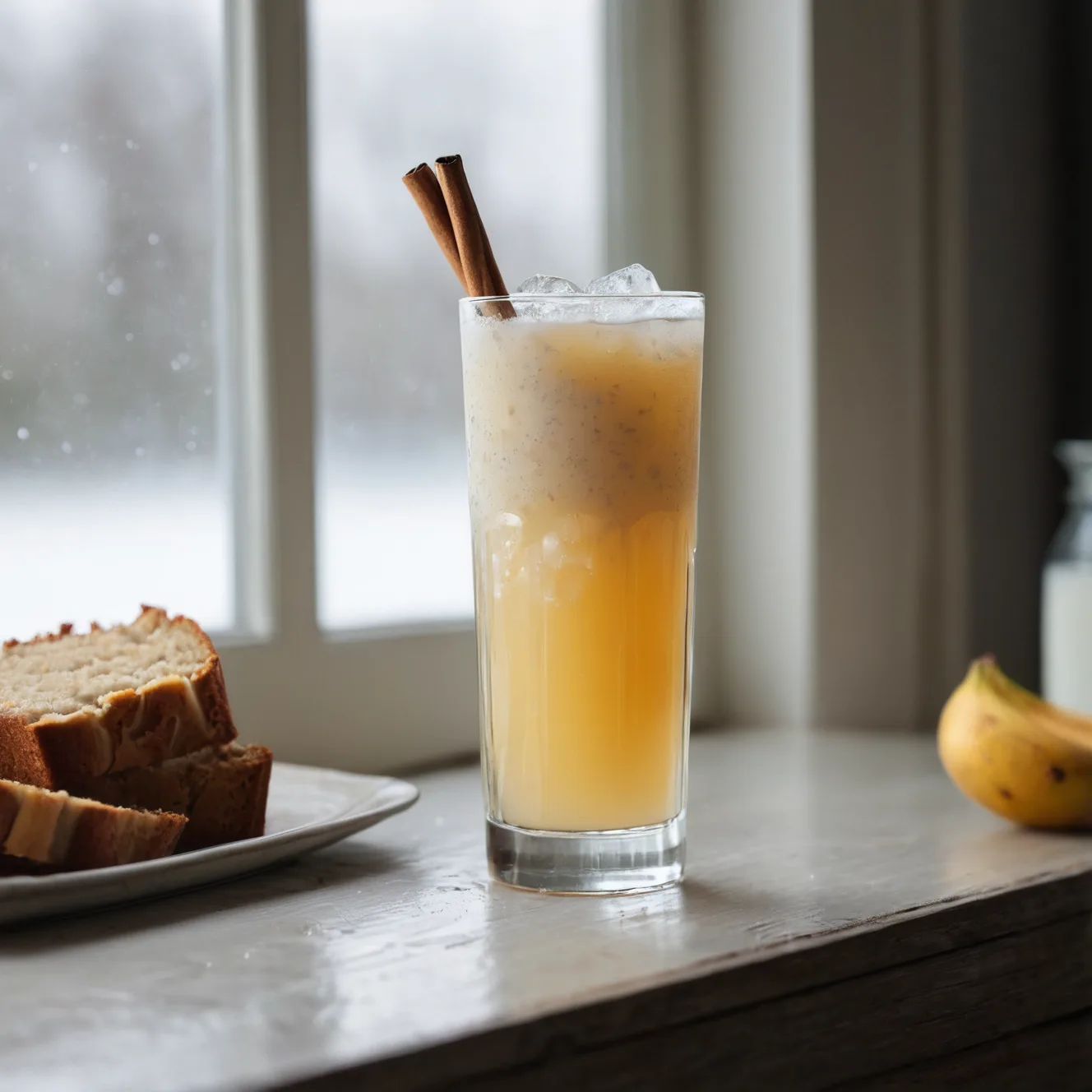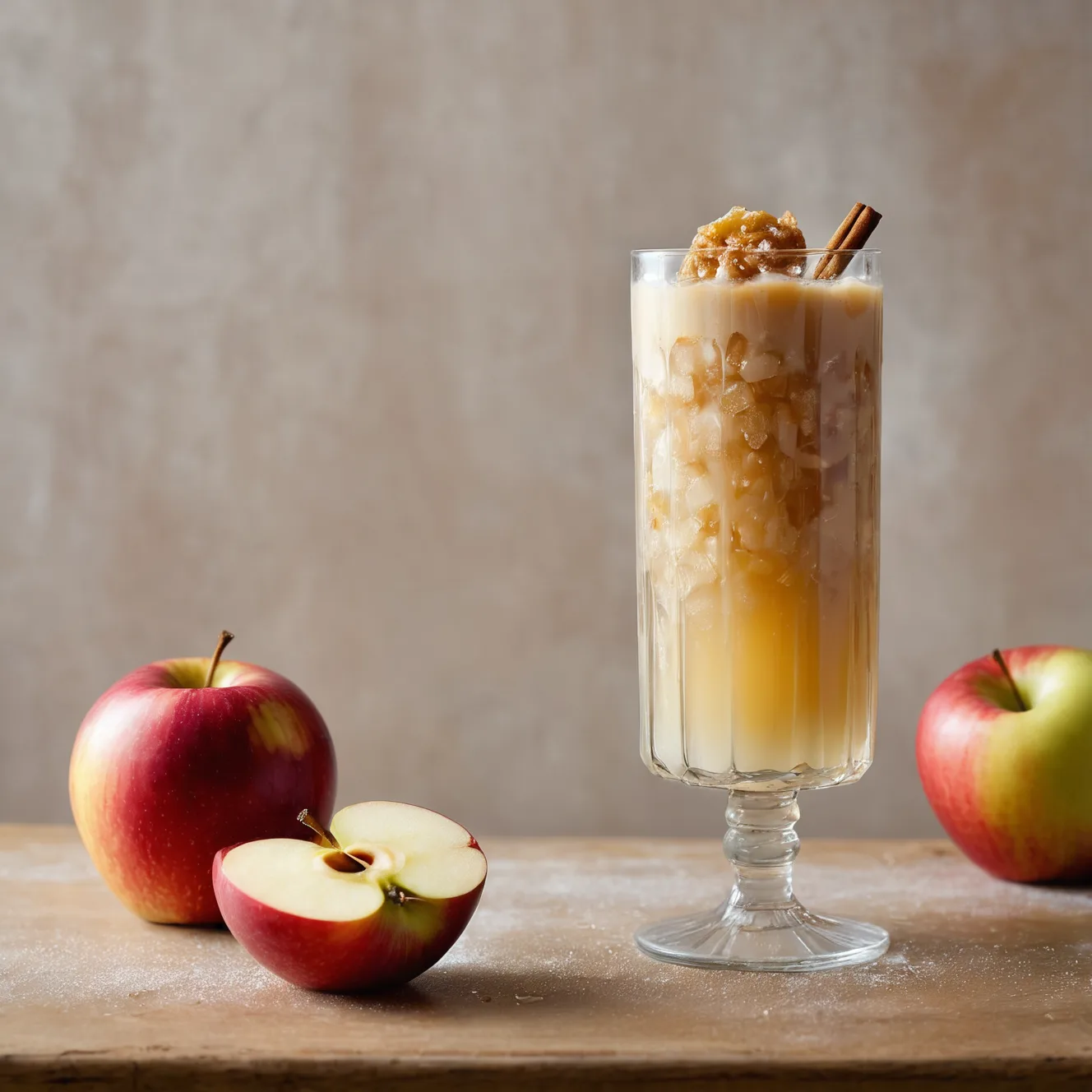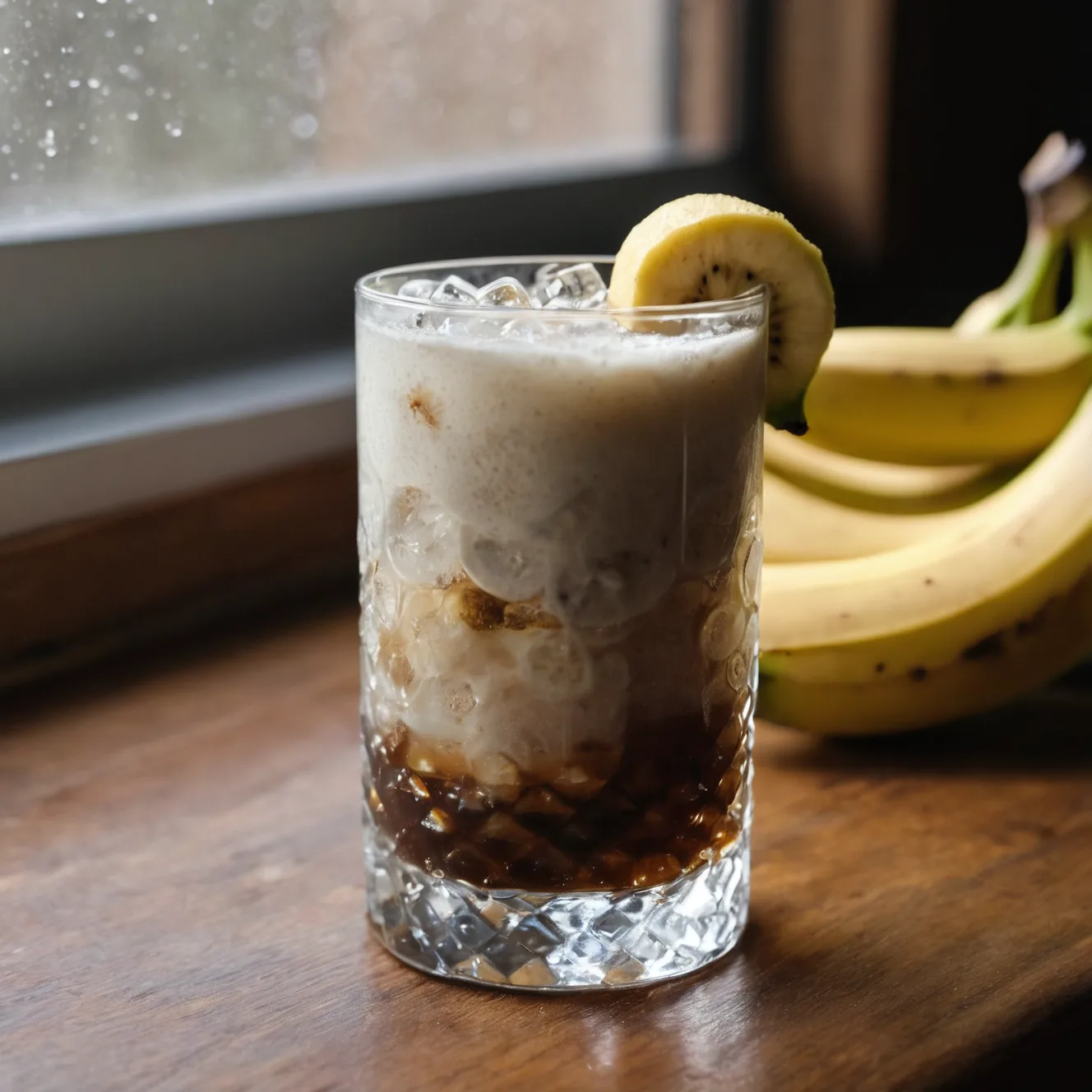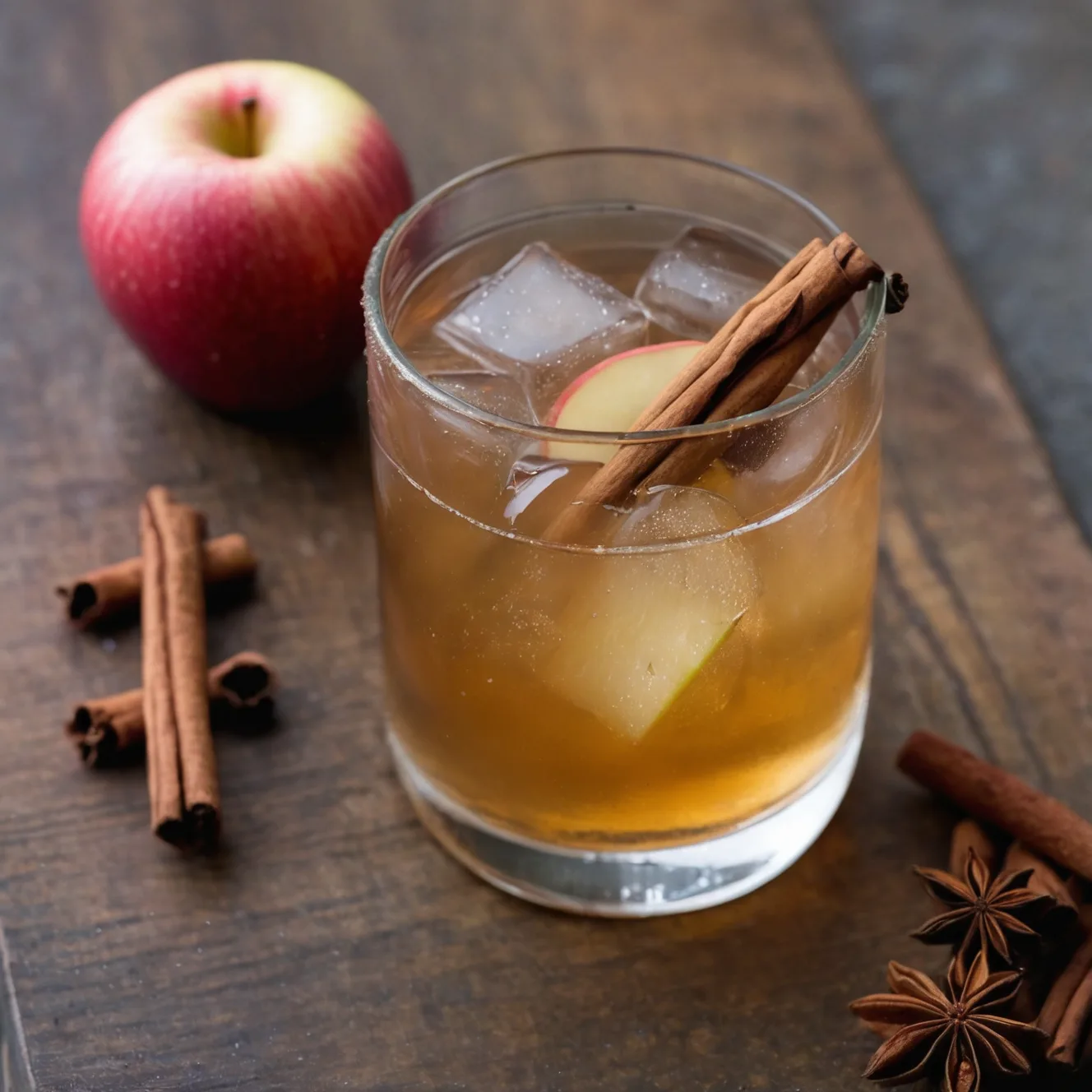
The Starbucks Chaider launches August 25, 2026 — the only new fall drink this year that isn’t built on espresso or pumpkin. The name is a portmanteau: CHAi + ciDER. No espresso. Starbucks describes it as a cider-inspired take on chai, carrying cinnamon and sweet spice, available hot or iced. The exact in-store build and nutrition aren’t published until launch day, so the home recipe below is based on the fan hack that inspired it.
The drink has been a TikTok secret menu order since at least 2019. Baristas showed how to do it — steamed apple juice with pumps of chai concentrate — and the order spread because it solved a specific problem: what do you get from Starbucks in fall if you find the PSL too heavy and want something fruit-forward? The Chaider. It tastes like a spiced apple cider that got upgraded by a chai tea bag. Starbucks making it official for fall 2026 is an acknowledgment that the idea works.
The home recipe below is based on the fan approach that inspired the official version: Tazo chai concentrate + heated unfiltered apple cider. It’s dairy-free by default. If Starbucks’ official build differs (the ingredient list goes live August 25), update your Starbucks order accordingly — but the home recipe stands on its own.
TL;DR
| Hot Grande | Iced Grande | |
|---|---|---|
| Chai concentrate | 4 oz (~1/3 cup) | 4 oz (~1/3 cup) |
| Apple cider/juice | 12 oz, heated 155–165°F | 12 oz cold, over ice |
| Milk | None | None |
| Espresso | None | None |
| Calories (estimated) | ~250 | ~240 |
| Sugar (estimated) | ~58g | ~56g |
| Caffeine (estimated) | ~70–95 mg | ~70–95 mg |
| Dairy-free? | Yes (home recipe) | Yes (home recipe) |
| Price (2026) | ~$5.75–6.25 | ~$5.75–6.25 |
Note: Starbucks’ official nutrition numbers go live August 25. These are estimates based on comparable ingredient weights.
Why apple cider, not apple juice
Most grocery-store apple juice is pressed, filtered until clear, and reconstituted from concentrate — it’s sweet and one-dimensional. Unfiltered apple cider (the cloudy kind from farm stands or the refrigerated section) is pressed but not filtered, so it keeps the tannins from apple skins, which give it a slightly dry, complex back note. That’s the note that makes the Chaider taste like something you’d drink from a mug next to a fire rather than a children’s juice box.
The difference matters at home more than it matters at Starbucks, because Starbucks uses commercial apple juice that’s been selected and tested for the drink. At home, the cider choice is your main quality lever.
Use unfiltered apple cider if you can find it. Martinelli’s Sparkling Cider (flat before opening) works, farm-stand cider works, and most grocery chains sell a refrigerated cloudy cider in fall. If you can only find clear apple juice, use it — the drink is still good — but it will be sweeter and thinner.
The chai-to-cider ratio
The ratio that most closely matches the Starbucks version, based on the standard 4-pump Grande spec:
| Size | Chai concentrate | Apple cider/juice |
|---|---|---|
| Tall (12 oz) | 3 oz (6 tbsp) | 9 oz |
| Grande (16 oz) | 4 oz (½ cup) | 12 oz |
| Venti hot (20 oz) | 5 oz (~⅔ cup) | 15 oz |
| Venti iced (24 oz) | 5 oz (~⅔ cup) | 12 oz cold + ice |
This is roughly a 1:3 chai-to-cider ratio. The apple is the star; the chai is the supporting warmth. If you want a spicier, more chai-forward version, push toward 1:2. If you want it lighter and more refreshing iced, go 1:3.5.
The temperature problem with the hot version
The most common mistake with the hot Chaider at home is boiling the apple juice. Boiling drives off the aromatic volatile compounds that give apple cider its bright, fresh smell — and those aromatics are a significant part of why the hot Chaider smells and tastes like fall. What’s left after boiling is concentrated sweet, a little flat, and slightly bitter.
Starbucks heats apple juice with a steam wand set to the same temperature range as steamed milk: 155–165°F. At home, a saucepan over medium-low heat works fine — heat until you see a steady column of steam rising from the surface and the edges of the liquid begin to show tiny pinprick bubbles. That’s the 155–160°F zone. Pull it immediately. If you overshoot into full bubbling, let it cool for 30 seconds before pouring.
The iced version sidesteps this entirely and is genuinely easier to make than almost any Starbucks copycat — cold concentrate + cold cider + ice, stir, done in 90 seconds.
Making the chai at home
Tazo Classic Chai Latte Concentrate is the most accurate home substitute for Starbucks chai. The ingredient list is similar — black tea, cinnamon, cardamom, ginger, black pepper, cloves, star anise, sugar, honey — and the sweetness level is calibrated to the same ratio as Starbucks’.
Oregon Chai is the other common brand; it’s slightly spicier and less sweet, which actually works well in the Chaider where the apple juice provides the sweetness base.
If you want to make your own:
- Steep 2 chai teabags (or a sachet of loose-leaf chai spices + black tea) in 1 cup of 200°F water for 5 minutes — strong, not weak.
- Remove the bags and add ¾ cup sugar and 1 tbsp honey while still hot, stirring until dissolved.
- Add 1 tsp vanilla extract. Cool completely.
- Use 3 tbsp homemade syrup + 1 tbsp of the brewed tea in place of the Tazo concentrate serving.
The homemade version is more adjustable (go heavy on cardamom, add a pinch of cayenne, reduce sugar) and stores for 3 weeks refrigerated.