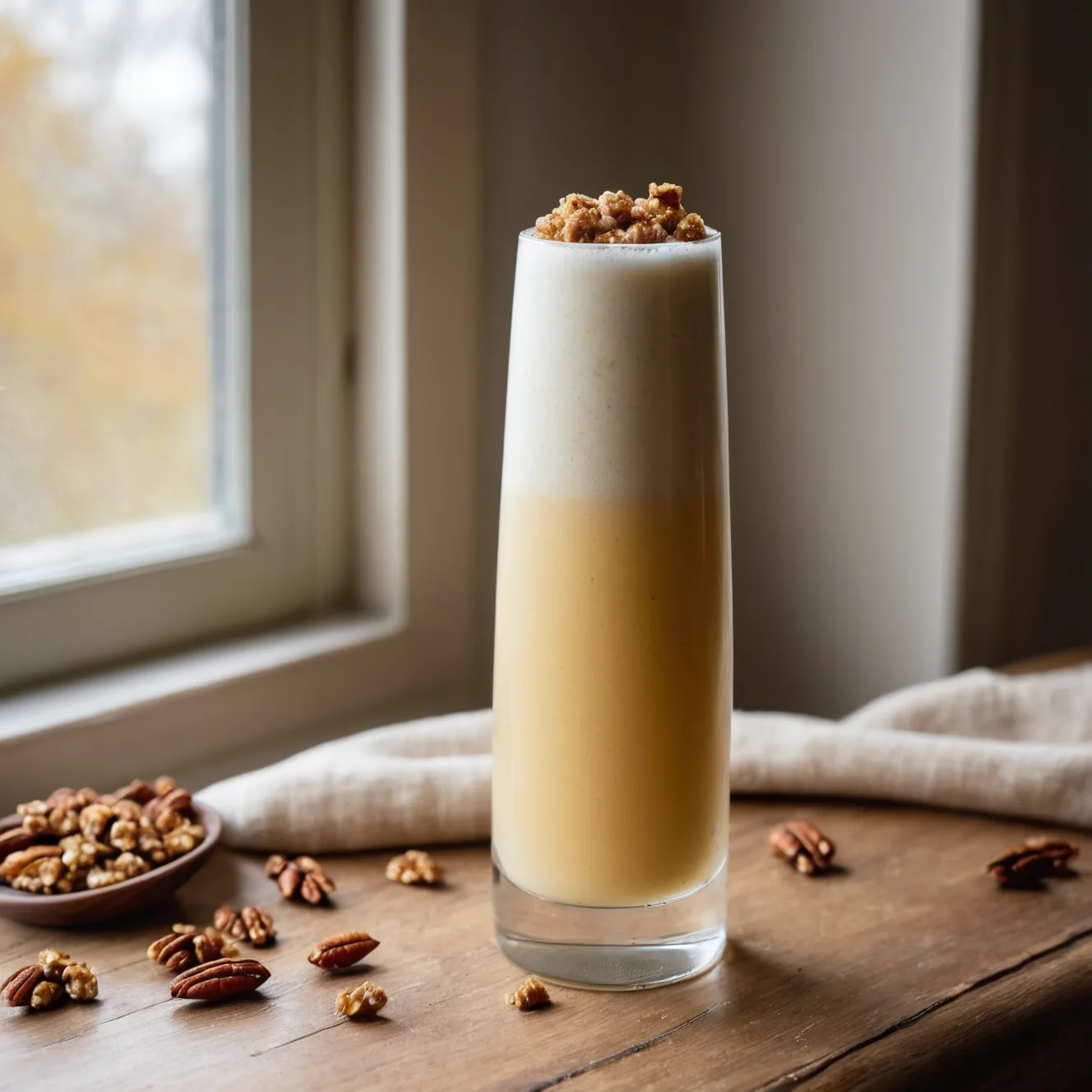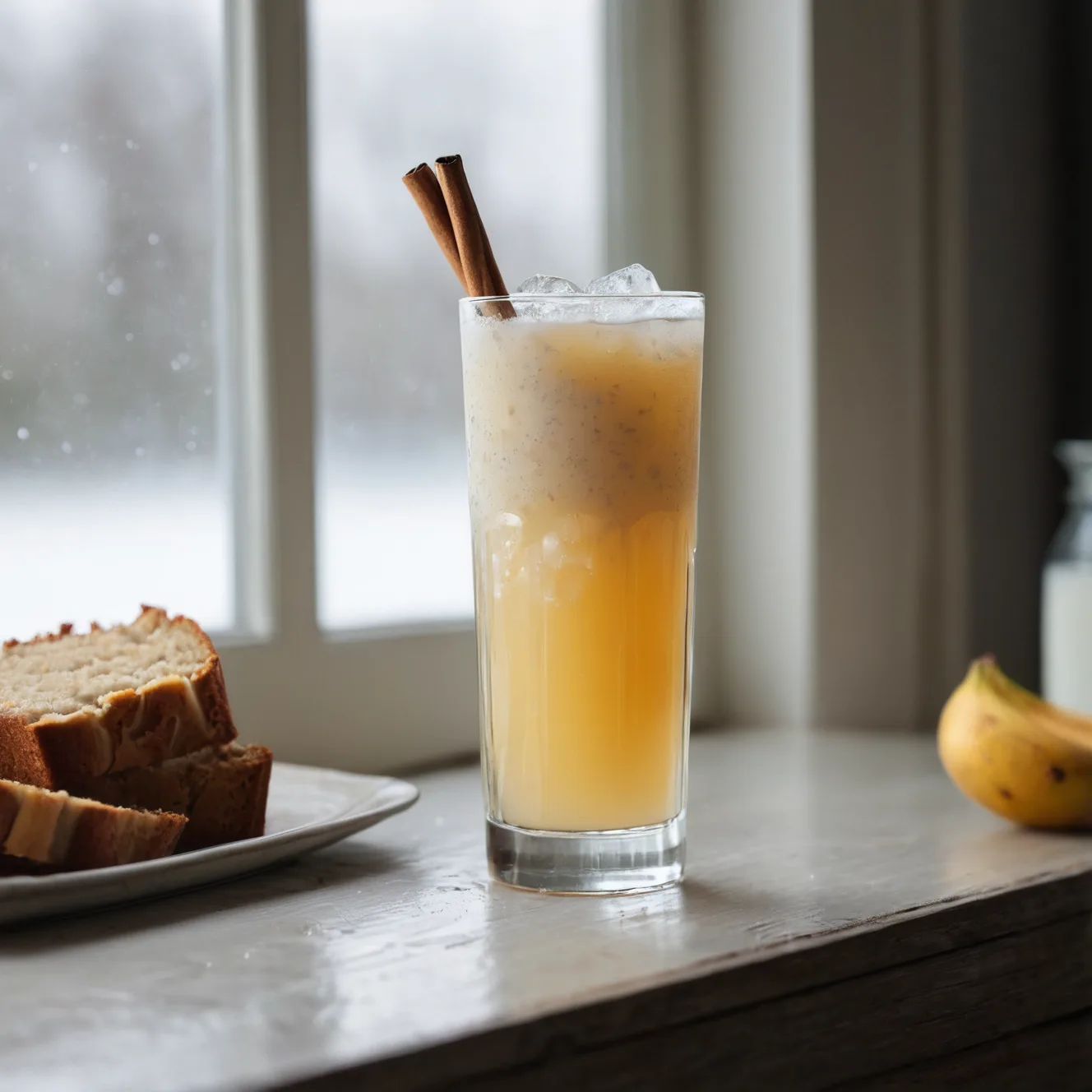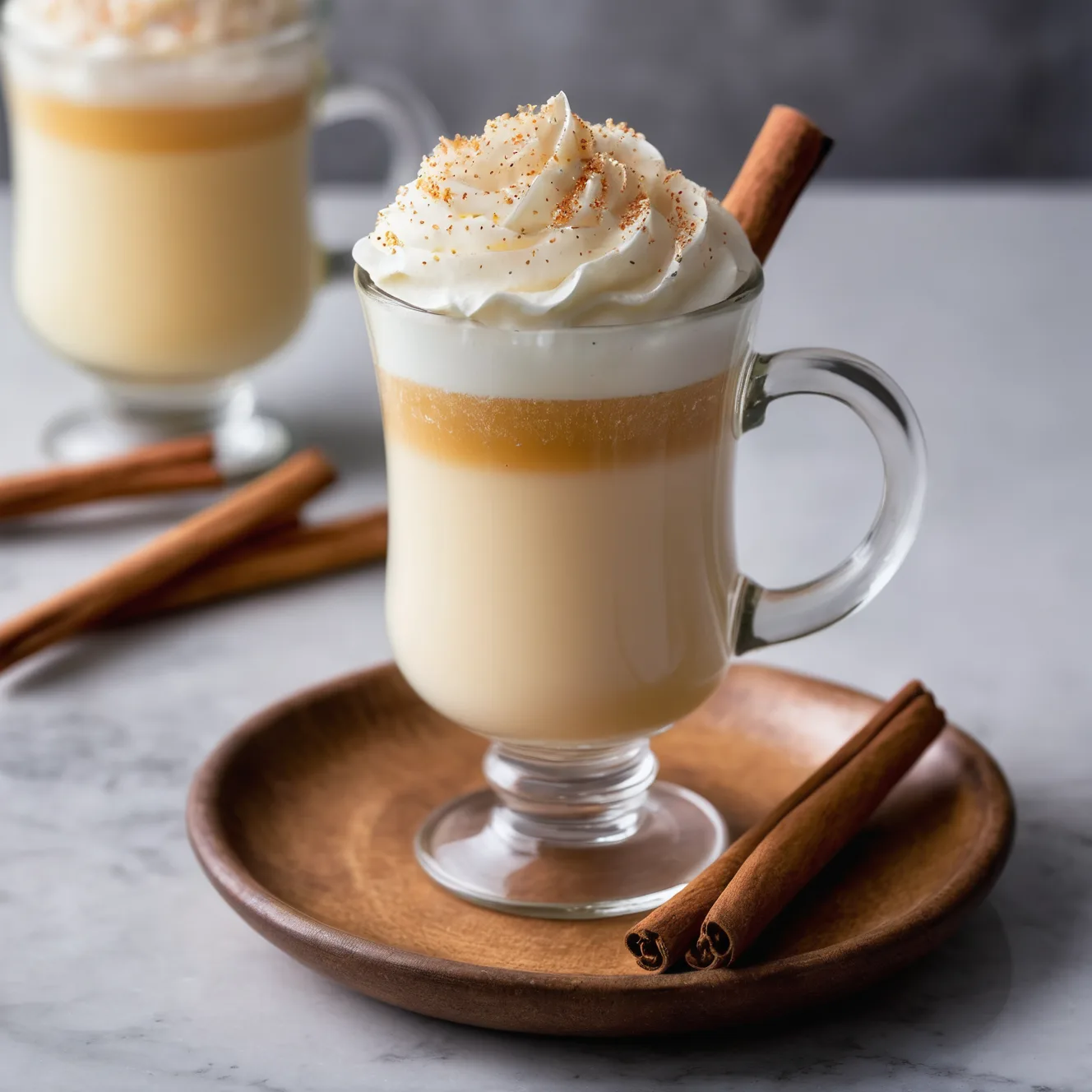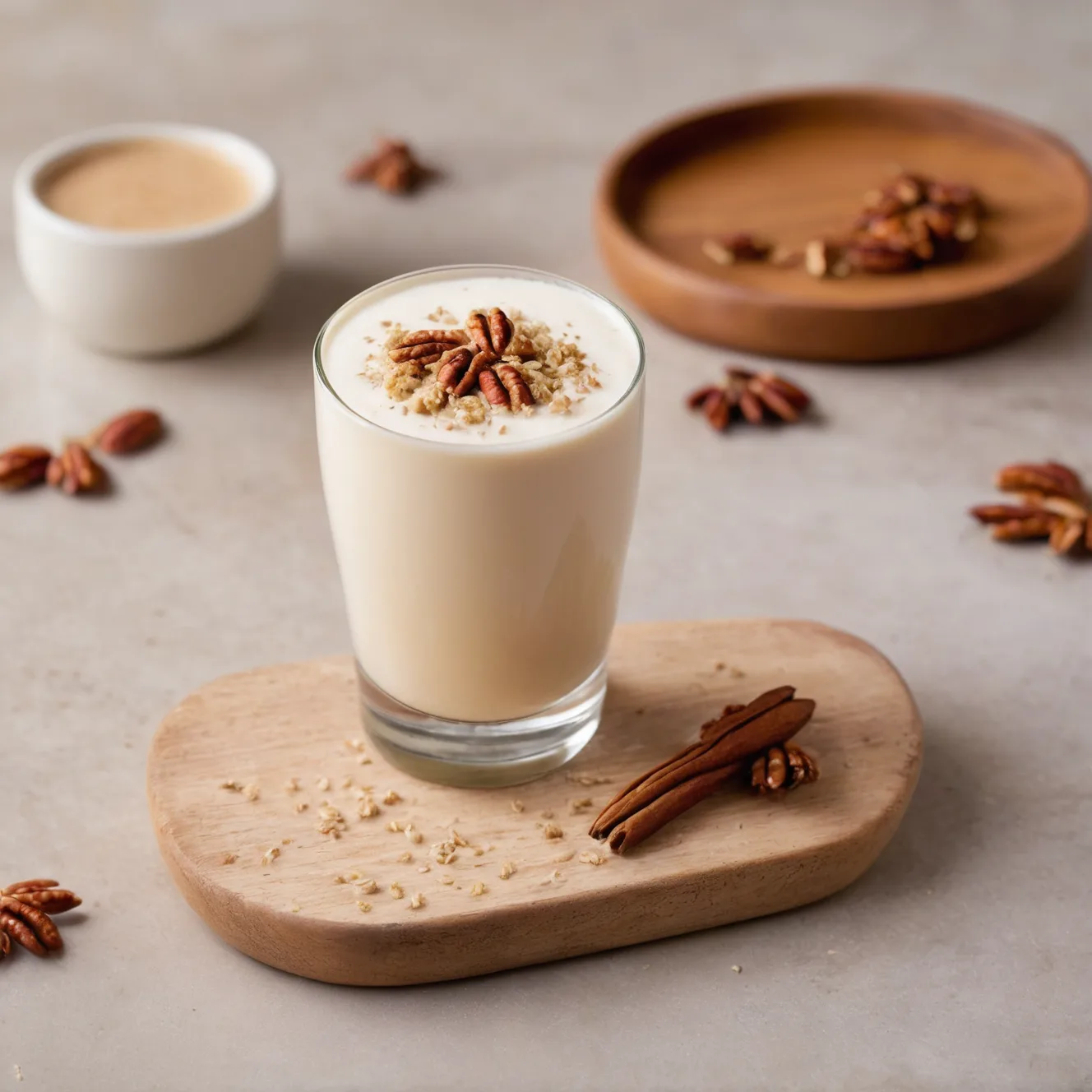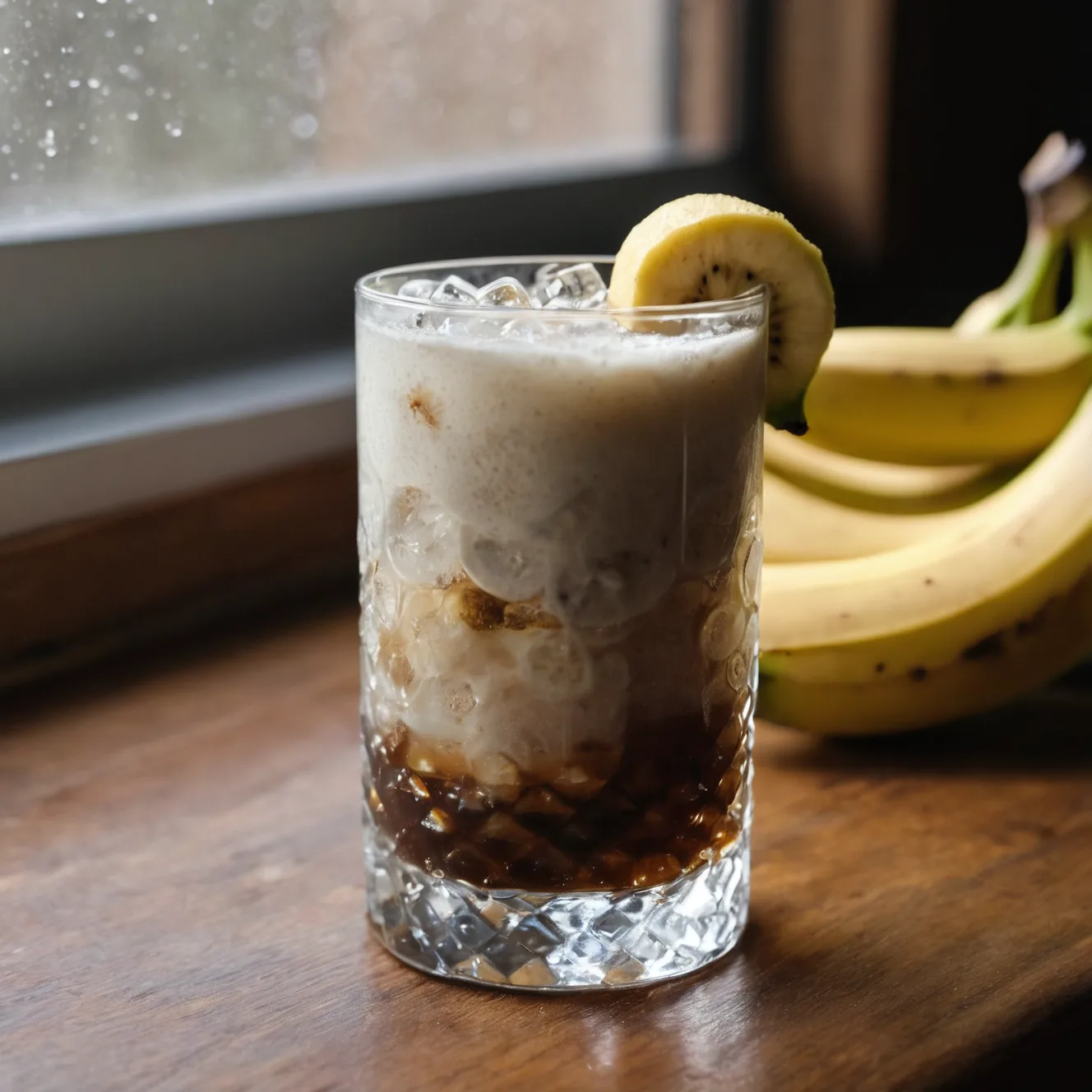
The Starbucks Iced Banana Bread Latte launched August 25, 2026, and will stay on the menu beyond the fall season — it is not a fall-only limited drink like the Pumpkin Spice Latte. It combines Blonde Espresso with banana, cinnamon and brown sugar flavors, served over ice with milk, brown sugar cream cold foam, and a cinnamon dolce topping. The name is literal: it is designed to taste like banana bread in coffee form.
The home version below is built around a banana-brown-sugar syrup made from a real ripe banana — not a flavored extract, not a bottled syrup, but an actual overripe banana cooked into a simple syrup with brown sugar and vanilla. The difference between this and any bottled banana syrup is noticeable: real banana brings the specific aromatic compounds that make banana bread smell the way it does, not the one-note banana-candy flavor of artificial extract.
The iced format is the only official Starbucks build — this one is cold-only by design.
TL;DR
| Iced Grande | |
|---|---|
| Espresso | 2 shots (150mg caffeine) |
| Banana brown sugar syrup | 2 tbsp (approx. 4 pumps) |
| Milk | 6–8 oz, cold |
| Cold foam | Brown sugar cream cold foam |
| Topping | Cinnamon dolce |
| Calories (home recipe, estimated) | ~320 |
| Sugar (estimated) | ~37g |
| Dairy-free option | Yes (oat milk + oat foam) |
| On menu beyond fall? | Yes (per Starbucks) |
Official Starbucks nutrition at starbucks.com.
Why the banana syrup matters
Most copycat banana latte recipes reach for Torani Banana Syrup, which is perfectly fine — but it tastes like banana candy, not banana bread. The difference matters in an espresso drink because coffee’s bitter roast notes don’t pair as naturally with artificial banana extract as they do with the more complex flavor of an actual cooked banana.
The key to banana bread’s flavor isn’t just banana — it’s the Maillard reaction between the ripe banana’s natural sugars and the other ingredients as it bakes. You can approximate that at home by cooking the banana into the syrup rather than just blending it cold. Simmering a spotty-ripe banana in brown sugar and water for 4–5 minutes develops the same caramelized, deep-fruit character that makes banana bread smell the way it does, rather than the flat sweetness of a raw banana puree.
Brown-spotted or black bananas are the only ones worth using for this syrup. A barely-ripe yellow banana has roughly 25% of the aromatic compound concentration of a fully ripe one — the extra few days on the counter make a real difference in the syrup’s depth.
The banana-brown-sugar combination
The brown sugar in this recipe isn’t just a sweetener — it’s part of the flavor architecture. Brown sugar contains molasses, which adds a caramel-toasted depth that complements the banana without competing with it. This is the same reason banana bread recipes specify brown sugar rather than white: the molasses notes are part of what makes the baked good taste like itself rather than plain banana cake.
In the syrup, the brown sugar also acts as a preservative, giving the strained syrup a 2-week refrigerator shelf life. White sugar would preserve similarly, but the flavor contribution is significantly different.
The brown sugar cream cold foam and cinnamon dolce topping
Starbucks lists cinnamon as one of the drink’s three flavor notes (banana, cinnamon, brown sugar), and it lands in two places: the brown sugar cream cold foam and a cinnamon dolce powder sprinkled on top — the same treatment used on the earlier Iced Banana Bread Matcha. The foam carries the brown sugar warmth; the cinnamon dolce topping adds the spice aroma right at the nose.
This creates an aromatic bridge: you smell cinnamon first (the nose hits the foam and topping before the straw reaches the liquid), then taste banana-espresso-brown sugar, and the combination reads as banana bread rather than just a banana-flavored coffee.
The technique: cold heavy cream + cold milk + brown sugar syrup, frothed without heat. The cold-frothed foam floats on iced drinks in a way that heated foam cannot — it stays at the top rather than slowly sinking into the liquid. Froth cold, froth briefly, use immediately. Then sprinkle the cinnamon dolce topping (at home: a tiny pinch of ground cinnamon mixed with a pinch of granulated sugar) over the foam surface.
Do not substitute cinnamon whipped cream. Whipped cream is stiffer and heavier, and it will sink into the drink rather than floating.
Sizing the syrup
| Size | Syrup (estimated) | Espresso | Milk |
|---|---|---|---|
| Tall (12 oz) | 1.5 tbsp (~3 pumps) | 1 shot | 5 oz |
| Grande (16 oz) | 2 tbsp (~4 pumps) | 2 shots | 7 oz |
| Venti (24 oz) | 3 tbsp (~6 pumps) | 3 shots | 10 oz |
Pump counts are estimates based on standard Starbucks syrup-per-size patterns. Official Starbucks build details at starbucks.com.
Iced Banana Bread Chai Tea Latte: the companion drink
Starbucks launched two Banana Bread drinks simultaneously: this espresso-based latte and the Iced Banana Bread Chai Tea Latte, which substitutes chai concentrate for espresso shots. The chai version uses the same banana-brown-sugar flavor concept but pairs it with the spiced chai base (cinnamon, cardamom, ginger, black pepper, star anise) rather than coffee.
If you want the banana bread flavor with less caffeine and no coffee taste, the chai version (~70–95mg caffeine vs. ~150mg for the latte) is the option. At home, make the same banana-brown-sugar syrup and substitute Tazo Classic Chai Latte Concentrate for the espresso — 4 oz of concentrate in place of the 2 espresso shots, then fill with milk and ice and top with the brown sugar cream cold foam and a cinnamon dolce topping.