

Pin It

Texas Roadhouse Peach Cobbler (The One They Took Off the Menu)

Texas Roadhouse Peach Cobbler (The One They Took Off the Menu)
Jump to Recipe
Prep 15 min (plus 10 min maceration) Cook 45 min Serves 8
Quick answer: Texas Roadhouse Peach Cobbler used pour-over batter — butter melted in the dish, thin batter poured over, spiced peaches spooned on top, batter rises around the fruit as it bakes. The restaurant's signature move: drain the canned peaches instead of using the canning syrup, then macerate them with brown sugar, cinnamon, nutmeg, and lemon juice. Those macerating juices become the sauce that seeps down into the batter as it bakes. Served warm with vanilla ice cream. Bakes at 350°F for 40–45 minutes.

Shop the tools

Gear matched to this recipe. These are Amazon affiliate links — we may earn a small commission if you buy, at no extra cost to you.

As an Amazon Associate, Copycat Spices earns from qualifying purchases. Product images are generic illustrations, not the exact item listed.

Texas Roadhouse Peach Cobbler (The One They Took Off the Menu)

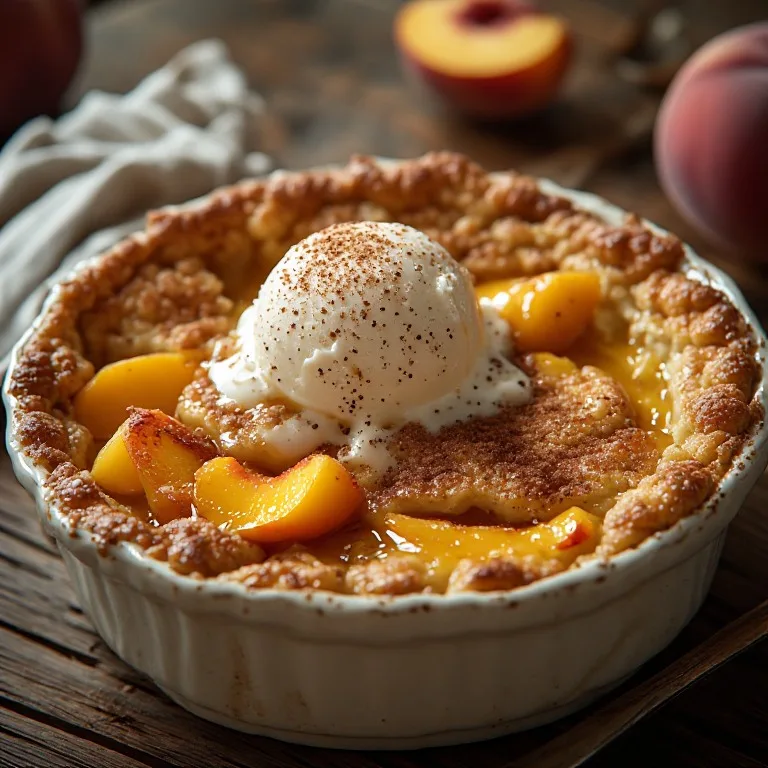
Texas Roadhouse removed their peach cobbler from the menu — here's the homemade version. The key: draining the peaches and macerating them with brown sugar and cinnamon before baking, not using the canning syrup.

Easy Prep: 15 min (plus 10 min maceration) Cook: 45 min Total: 1h 0m8 servings ~$4.50/serving
Prep15 min (plus 10 min maceration)
Cook45 min
Total1h 0m
Servings
8
At home~$4.50/serving
vs
Restaurant~$20.25/serving
You save ~78%

The Story Behind the Recipe

Texas Roadhouse removed their peach cobbler from the menu — here's the homemade version. The key: draining the peaches and macerating them with brown sugar and cinnamon before baking, not using the canning syrup.

Nutrition Facts

Per serving (8 servings)
Calories340
Total Fat12g
Total Carbs56g
Protein3g
Sodium220mg

* Estimated values based on standard recipe preparation. Actual values may vary.

Ingredients

  • Spiced Peach Filling
  • Batter
  • Topping
  • To serve

Instructions

💡
Pro tip: This recipe tastes even better the next day. The flavors need time to meld together in the fridge.
❄️
Storage: Keeps in an airtight container in the fridge for up to 2 weeks. Freezer-friendly for up to 3 months.
🎃 Free Halloween cookbook — download now The Copycat Halloween Cookbook A ready-made, photo-illustrated PDF of our best halloween copycat recipes — free to download, no building required. Pay what you want to support if you love it.

Free PDF — instant download. We'll also send new seasonal copycat recipes now and then; unsubscribe anytime. Or just download it →

Texas Roadhouse removed their peach cobbler from the menu. It’s no longer listed alongside Granny’s Apple Classic and the Big Ol’ Brownie. If you go looking for it now, you won’t find it.

This recipe is for the people who miss it.

What Made the Texas Roadhouse Version Different

Peach cobbler is a category, not a single recipe. There are five distinct cobbler styles — pour-over batter, biscuit-drop, streusel crumble, pastry-crust, and dump cake — and each produces a completely different result.

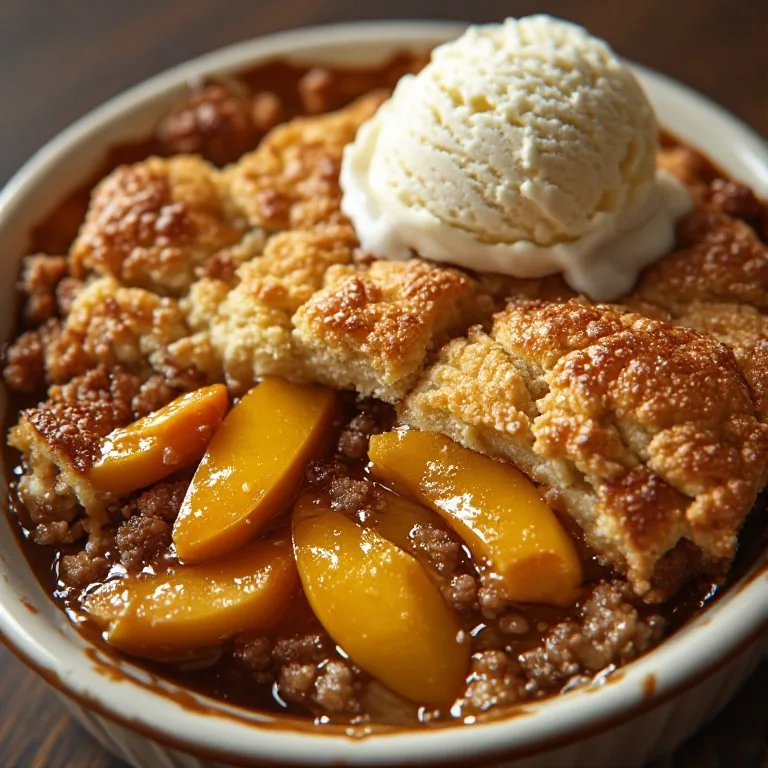
Texas Roadhouse used the pour-over batter method, also called Texas-style cobbler: butter melts in the dish first, a thin batter is poured over it without stirring, the fruit goes on top, and as everything bakes, the batter rises up through and around the fruit while the butter creates a caramelized crust along the bottom and edges.

But the detail that separated the Texas Roadhouse version from every other pour-over cobbler was what they did with the peaches before they went in the dish.

They drained the canned peaches. Then they seasoned them.

Most recipes pour canned peaches straight from the can — syrup and all. The canning syrup is sweet but flat: high-fructose corn syrup and water, no spice, no complexity. Texas Roadhouse’s version spiced the drained peaches with brown sugar, cinnamon, and nutmeg and let them macerate for 10 minutes. The sugar pulled moisture from the peaches themselves, creating a spiced peach syrup that was nothing like the canning liquid.

When that macerating liquid soaked into the rising batter below, it produced the result the restaurant version was known for: batter that tasted like it had been baked inside a peach rather than alongside one.

The No-Stir Rule

This recipe requires two “do not stir” moments, and both are non-negotiable.

The first: after pouring the batter over the melted butter, don’t touch it. The butter and batter need to stay in separate layers. The batter floats on the butter and rises up through it as it bakes. Stirring them together creates a single greasy layer that bakes flat and dense instead of rising into a cakey, airy crumb.

The second: after spooning the peaches over the batter, don’t stir again. The batter is underneath a layer of peaches and syrup and this looks wrong — like it will never bake correctly. It will. The batter rises through the fruit, trapping peach juice in pockets as it sets. Stirring everything together before baking gives you a uniform, undifferentiated mass instead of the layered result: caramelized edges, soft cake interior, jammy peach filling on top.

Trust the technique. It looks like a mess for the first 15 minutes of baking. By minute 35, it’s a cobbler.

Canned vs. Fresh Peaches

The restaurant used canned peaches, and the recipe is calibrated around them. Here’s why that’s not a compromise.

Canned yellow cling peaches are picked at peak ripeness and processed immediately. They’re consistent year-round in sugar content, texture, and size. The drained peaches from a good can (Dole or Del Monte yellow cling) are genuinely better for cobbler than out-of-season fresh peaches — which are mealy, low-sugar, and produce a bland, dry result.

In peak summer (late July through mid-August), fresh ripe peaches are better. Outside that window, use canned and don’t feel bad about it.

Serving It Right

The cobbler needs to rest 10 minutes after it comes out of the oven. The interior is still liquid at pull time and sets as it cools. Serving it immediately produces a soupy bowl; waiting 10 minutes gives you a cobbler that holds its shape when scooped but is still warm through.

The vanilla ice cream is not optional. The warm-cold contrast — caramelized cobbler edges against the melting cold cream — is the whole dessert. A scoop of butter pecan also works well: the caramel and nut notes echo the brown sugar in the peach filling.
Frequently Asked Questions

Is Texas Roadhouse peach cobbler still on the menu?

No — Texas Roadhouse no longer lists peach cobbler on their standard 2026 dessert menu. Their current dessert lineup is Granny's Apple Classic, Strawberry Cheesecake, and Big Ol' Brownie. The peach cobbler was removed at some point after 2024. If you want it, this homemade version is the only way to get it.

Why drain the peaches instead of using the canning syrup?

The canning syrup is very sweet — mostly high-fructose corn syrup and water — and adds a flat, artificially sweet note to the finished cobbler. Draining the peaches removes that, and the maceration step creates a far better replacement: the brown sugar pulls moisture from the peaches themselves, which mixes with the lemon juice and spices to form a natural, peach-flavored syrup. That spiced peach liquid is what soaks into the batter below, producing the jammy, intensely peach-flavored interior the restaurant version was known for. It takes 10 extra minutes and it's the whole reason the cobbler tastes the way it does.

What's the difference between this and Cracker Barrel Peach Cobbler?

Both use the same pour-over batter technique — melted butter in the dish, batter poured over, fruit on top, batter rises around it. The key differences: (1) Cracker Barrel uses canned peaches in syrup poured directly into the batter — the sweetness comes from the canning liquid; the Texas Roadhouse version drains the peaches and re-seasons them with brown sugar and cinnamon, producing a more intensely spiced, peach-forward filling. (2) This version adds cinnamon to the batter itself, not just the fruit layer, so the cinnamon runs through the entire cobbler. (3) The macerated peach juice in this recipe creates pockets of caramelized peach sauce throughout the baked batter; the Cracker Barrel version has a cleaner, simpler flavor. If you want the Southern classic, make the Cracker Barrel version. If you want something more aggressively spiced and peach-forward, this is it.

Can I use fresh peaches instead of canned?

Yes, with adjustments. Use 4–5 medium ripe peaches (about 4 cups sliced). Peel them (blanch for 30 seconds in boiling water, then ice bath — the skins slip right off), slice into ½-inch pieces, and proceed with the maceration step as written. Fresh ripe peaches in peak season (June–August) produce a more complex flavor than canned. In fall or winter, canned peaches are better — fresh out-of-season peaches are mealy and bland and produce a dry cobbler. For fresh peaches, add an extra tablespoon of brown sugar to the maceration mix since they typically have less sugar than canned.

Can I make Texas Roadhouse peach cobbler ahead of time?

Yes. Two options: (1) Assemble through the maceration step, make the batter, then bake fresh — the macerated peaches can sit in the refrigerator for up to 24 hours (the syrup deepens in flavor). (2) Bake it fully, cool to room temperature, cover, and refrigerate for up to 4 days. Reheat individual portions in a 325°F oven for 10–12 minutes or microwave 60–90 seconds. The edges lose some crispness after refrigerating but the peach filling actually intensifies. Make the ice cream fresh each time.

How many calories are in Texas Roadhouse Peach Cobbler?

The restaurant version was estimated at approximately 750–900 calories per serving with ice cream (no official TR nutrition data was published for this item before it was removed from the menu). This homemade version runs about 340 calories per serving for the cobbler alone (based on 8 servings from a 9×13 pan), or roughly 490–540 calories with a standard scoop of vanilla ice cream — considerably lighter than the restaurant portion, which was a full individual serving dish rather than a shared pan.

Why does the batter go under the peaches instead of on top?

This is the Texas-style cobbler technique, sometimes called a 'pour-over' or 'self-basting' cobbler. The butter melted in the dish creates a base that the thin batter floats on. As the oven heats, the batter rises up through and around the fruit, trapping peach juice in pockets as it sets. The butter creates a crispy, caramelized base and edge crust while the top stays soft. If you put the batter on top of the peaches instead, you get a thick doughy crust and the fruit steams below it — a completely different texture and result. The no-stir rule is what makes this work: mixing the butter, batter, and peaches together collapses the layering effect.

Love this recipe? Share it!

Free PDF: our 12 most-wanted copycat recipes — instant download.

Made it? Buy us a coffee

Every recipe here is free, with no paywalls. If this one was a hit at your table, a small tip keeps new copycats coming.

$

Texas Roadhouse is a trademark of its owner, used here only to describe the dish this recipe recreates. This is an independent copycat written in our own words — Copycat Spices is not affiliated with, endorsed by or sponsored by Texas Roadhouse.

Ratings & Reviews

—
No ratings yet

Rate this recipe

Click a star to rate

Leave a Review

0/500

CS

Copycat Spices Editorial

Researched + fact-checked. Every recipe on Copycat Spices is built from published sources — official ingredient lists, brand-published recipes, interviews and food-science references — and fact-checked before it goes live, then written as clear, step-by-step instructions for home cooks of all skill levels.

Learn more about our mission →