

Cracker Barrel Peach Cobbler
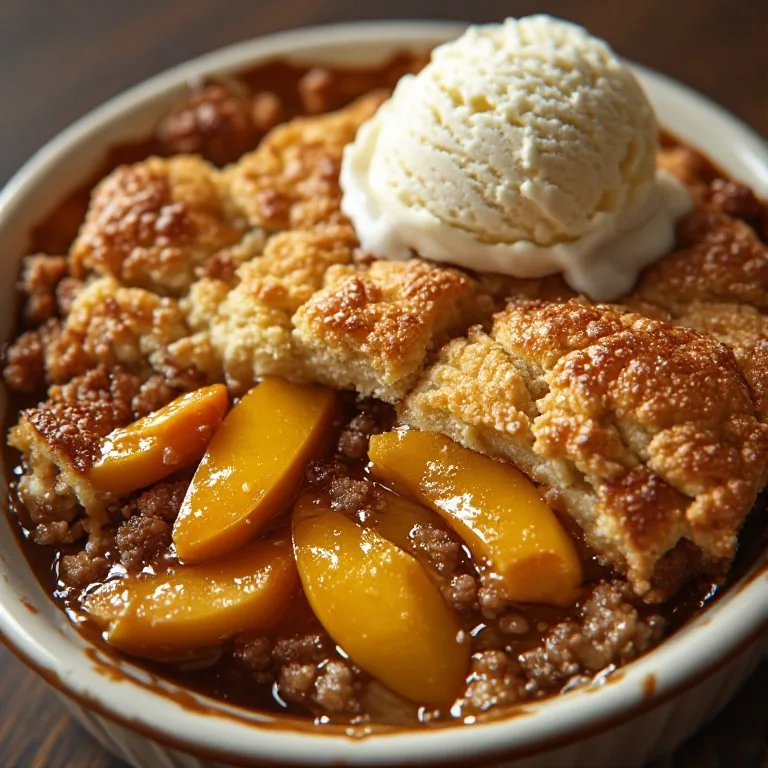
Cracker Barrel’s dessert menu rotates, but the peach cobbler is a fixture — warm, deeply golden, served in the baking dish with a scoop of vanilla ice cream melting into the crust. It looks like something that took effort. The actual recipe is one bowl, a can of peaches, and a no-stir method that the batter handles itself in the oven.
The technique is what makes it: the layering of melted butter, thin batter, and peach syrup — all unmixed — creates a self-sorting cobbler as it bakes. Getting that right is the whole recipe.
Why Canned Peaches, Not Fresh
The instinct when peaches are in season is to use fresh ones. For this recipe, canned is the correct choice — and not just for convenience.
Cracker Barrel uses canned yellow cling peaches in syrup year-round. The reasons are practical and culinary:
Consistency. Fresh peach ripeness varies dramatically. An underripe fresh peach baked into cobbler tastes starchy and sour; an overripe one turns to mush and releases too much water. Canned peaches are already at the right softness and sweetness every time.
The syrup is part of the recipe. The cobbler batter is thin and only slightly sweet on its own. The peach syrup — which you add undrained — soaks into the rising batter as it bakes, flavoring it from the inside. Without that syrup, you need to add liquid and sugar separately, and you lose the integrated peach flavor that makes the interior of the cobbler taste like it absorbed the fruit rather than just sitting near it.
Fresh peach adaptation: If you want to use fresh peaches at peak summer ripeness (late July through September), peel and slice 5 medium peaches, toss with 3 tablespoons granulated sugar and ¼ cup water, and let them macerate for 30 minutes before using. The sugar draws out the juices and approximates the syrup. The result is excellent but slightly less consistent than canned.
The Pour-Over Method: What It Is and Why It Works
This technique goes by several names — “impossible cobbler,” “self-crusting cobbler,” “dump cobbler” — and it appears across Southern baking in different forms. The principle is the same:
- Melt butter in the dish
- Pour batter over the butter without stirring
- Add fruit and its liquid on top without stirring
- Let the oven do the sorting
Here is what happens during baking:
The batter rises. As the oven heats the dish, the leavening in the batter activates and the batter begins to rise upward through the liquid peach syrup. The batter is less dense than the syrup, so it floats and rises around the peaches.
The butter creates a crust. The melted butter at the bottom and edges of the dish gets hotter than the center. The batter that makes contact with the butter crisps and browns, creating the crispy edge texture that is distinct to this style of cobbler — not like a biscuit topping, not like a pie crust, but its own thing.
The syrup soaks in. As the batter rises, the peach syrup soaks down into it from above and is absorbed. This is why the interior of a cobbler made this way tastes peachy all the way through, not just where the fruit is.
The peaches settle. The peach slices, being heavier and denser than the batter, stay near the top as the batter rises around them, but they also sink slightly into the batter as it sets. The finished cobbler has peaches distributed through the top two-thirds, with a cakey-crispy bottom.
The cardinal rule: do not stir
Stirring the batter and butter together, or folding in the peaches, collapses all of this separation. The result is a dense, uniform cake-like texture rather than the layered crisp-cakey-gooey cobbler the technique produces. “Do not stir” after you pour the batter is the single most important instruction in this recipe.
Flour Options: All-Purpose vs. Self-Rising
This recipe uses all-purpose flour with baking powder and salt added. You can substitute self-rising flour with identical results:
If using self-rising flour: Replace the 1 cup all-purpose flour and 1 teaspoon baking powder with 1 cup self-rising flour. Omit the salt (self-rising flour contains leavening and salt already). Everything else stays the same.
Self-rising flour is the traditional choice in Southern baking and likely what Cracker Barrel uses. It produces a slightly lighter, more evenly risen batter because the leavening is milled uniformly into the flour rather than added at the bowl. If you bake Southern desserts regularly, keeping self-rising flour on hand makes recipes like this one faster and simpler.
The Brown Sugar Finish
Two tablespoons of light brown sugar sprinkled over the peaches before baking is a small detail with a noticeable effect. As the cobbler bakes, the brown sugar caramelizes onto the surface of the peaches and the exposed cobbler top, creating:
- A slightly candied glaze on each peach slice
- Additional molasses depth that rounds the sweetness
- A more golden, more complex-looking crust
Skip it if you prefer a simpler dessert or are already working with sweetened peaches in heavy syrup. The cobbler is sweet without it. But the brown sugar finish is what gives the Cracker Barrel version that restaurant-style appearance.
Baking Pan and Timing Notes
Glass or ceramic dish: These are the best choice for this cobbler. Glass and ceramic conduct heat more gently than metal, so the edges brown at a pace the center can keep up with. The result is evenly baked cobbler with crispy edges rather than overdone edges with a wet center.
Metal pan: Works, but bakes 5 to 8 minutes faster. If using a metal 9x13, start checking at 35 minutes.
Smaller dishes: An 8x8-inch or 9x9-inch pan produces a thicker cobbler that takes longer in the center. Add 8 to 10 minutes to baking time and check with a toothpick.
How to tell when it’s done: The top should be deep golden — not pale, not tan, but properly browned. A toothpick inserted into the cakey portion (not into a peach) comes out clean or with a few moist crumbs. The edges will pull slightly from the pan sides. The center may still jiggle slightly from peach juice, but the batter portion should be fully set.
Variations
Spiced version. Stir ½ teaspoon cinnamon and ¼ teaspoon nutmeg into the batter before pouring. This is a popular variation and works particularly well in fall. For a more aromatic version, add a pinch (⅛ teaspoon) of cardamom — it has a natural affinity for peach.
Bourbon peach cobbler. Add 2 tablespoons of good bourbon to the peach syrup before spooning the peaches over the batter. The alcohol bakes off; what remains is a richer, more complex peachy flavor with a faint caramel note. This is the adult version.
Mixed stone fruit. Replace half the peaches with canned apricots in syrup, or use a combination of peaches and nectarines (fresh or canned). The flavor profile stays in the same register — sweet stone fruit — but with more complexity.
Peach-raspberry. Scatter ½ cup of fresh or frozen raspberries over the peaches before baking. The berries add tartness and a beautiful color streak through the cobbler top.
Serving and the Ice Cream Question
Cracker Barrel serves peach cobbler warm with vanilla ice cream, and this is genuinely the best way to eat it.
The contrast — warm cobbler at roughly 140°F against ice cream at 0 to 15°F — is part of the experience. The ice cream begins melting on contact, creating a sauce from vanilla ice cream and peach syrup that pools in the dish. Eating the cobbler with that pooled sauce mixed in is not an afterthought; it’s what the dessert is.
Vanilla ice cream is the right choice. The clean vanilla flavor does not compete with the peach. Butter pecan is a strong second — the caramel and nut notes play off the brown sugar and butter in the cobbler. Avoid fruit ice creams, which can make the dessert taste one-note.
If serving without ice cream: Rest the cobbler 15 minutes after pulling from the oven, not 10. The extra rest lets the interior set more firmly, so it holds a cleaner shape when scooped.
The Cracker Barrel Dessert Context
Cracker Barrel (founded 1969 in Lebanon, Tennessee, by Dan Evins) built its identity around Southern comfort food served in a setting that evokes roadside Americana — the rocking chairs on the porch, the general store with hard candy and cast-iron cookware, the menu that looks like your grandmother’s recipe box made commercial.
The peach cobbler sits in that context alongside their fried apples as a warm fruit dessert that bridges the sweet-side-dish and dessert categories. In the South, warm cooked fruit served with something rich (cream, ice cream, biscuits) is not specifically a dessert; it’s a course that works at breakfast or dinner. The cobbler fits that tradition.
For the full Cracker Barrel dessert-and-sides experience at home, the peach cobbler pairs with Cracker Barrel hashbrown casserole and Cracker Barrel biscuits at a weekend brunch, or finishes a dinner built around Cracker Barrel chicken and dumplings or Cracker Barrel chicken pot pie.