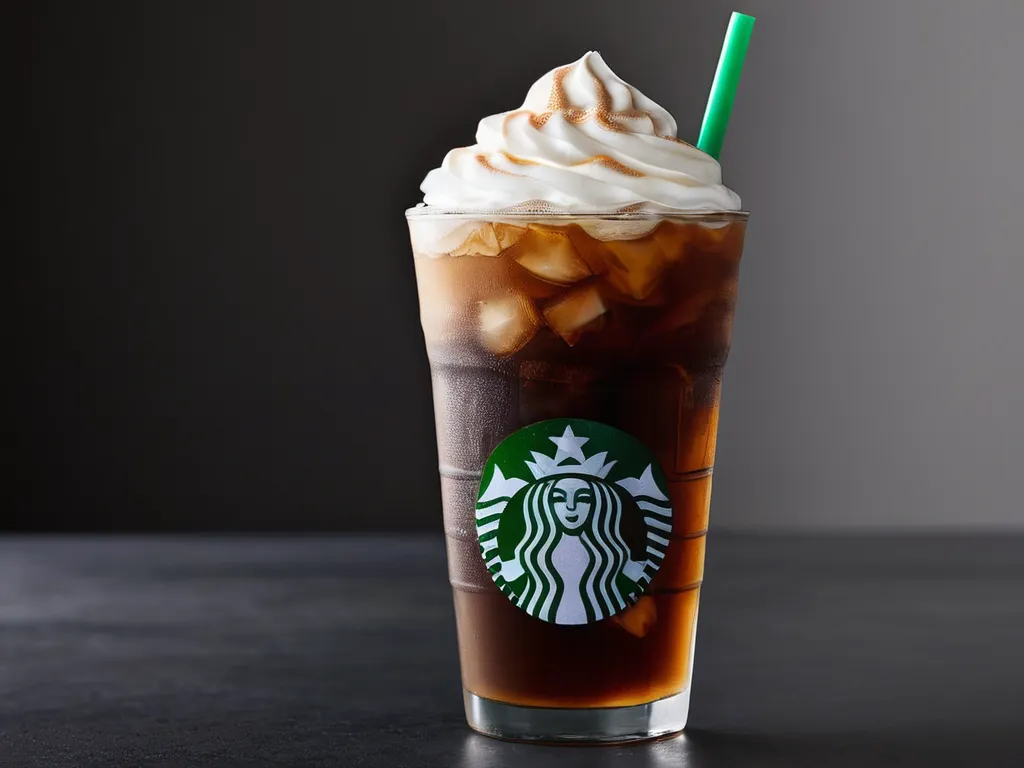
Why Cold Brew Tastes Different From Iced Coffee
Cold brew and iced coffee are not the same drink. Iced coffee is hot-brewed coffee poured over ice — which works fine, but the heat extraction pulls out more acidic and bitter compounds from the grounds. Cold brew skips heat entirely. Steeping ground coffee in cold water for 20 hours extracts the smooth, sweet, mellow flavor compounds while leaving most of the harsh acids and bitter oils behind. The result tastes naturally sweeter and less sharp than any hot-brewed coffee, even without added sugar. That’s the structural reason Starbucks cold brew (5 calories, no sugar) still manages to taste sweeter than a plain hot coffee of the same strength.
The Coffee That Matters
Starbucks makes its in-store cold brew from a custom blend called Nariño 70 — a medium roast that’s roughly 70% beans from the Nariño department of southern Colombia and 30% African coffee, developed specifically to be brewed cold. The good news for home brewers: it’s no longer store-only. Starbucks sells Nariño 70 Cold Brew as ground “Pitcher Packs” (2.15 oz pouches) at Kroger, Hy-Vee, and many grocery chains, so you can steep the exact in-store blend yourself.
If you’d rather use loose grounds or can’t find the Pitcher Packs, any medium-roast Colombian coffee is a close match — it has enough body and chocolaty depth to hold up through the long steep without turning astringent. Starbucks’ own Ethiopia single-origin (sold in bags at most Starbucks stores) is another solid option; its blueberry and citrus notes produce a lighter, fruitier cold brew that’s closer to a specialty-shop style.
Avoid French Roast or any dark roast with visible surface oils — the intense char compounds that work in a quick espresso become medicinal and bitter after 20 hours of extraction.
The Ratio: Concentrate vs. Ready-to-Drink
The recipe above produces a concentrate. That means you’re not drinking it straight — you’re diluting it 1:1 with water or milk when you pour. This is intentional. Concentrate keeps longer (up to 2 weeks), requires half the fridge space, and lets you customize strength per glass. At Starbucks, the cold brew you order is also a diluted version of a stronger concentrate.
If you prefer a lighter brew you can drink straight, use a 1:5 ratio (1 cup coffee + 5 cups water). The resulting brew is gentler — closer to 100–120mg caffeine per serving vs. roughly 155–205mg for the diluted 1:4 concentrate — and you skip the dilution step at serving time.
Straining: The Step People Rush
The double-strain makes a material difference. Running the steeped coffee through a French press plunger and then again through a coffee-filter-lined sieve catches the fine sediment that stays suspended in a single-strain. If you skip the second strain, you get a layer of coffee sludge at the bottom of every glass. It doesn’t affect flavor much, but the texture at the last third of the drink becomes gritty and unpleasant. Worth the extra 2 minutes.
Three Ways to Serve It
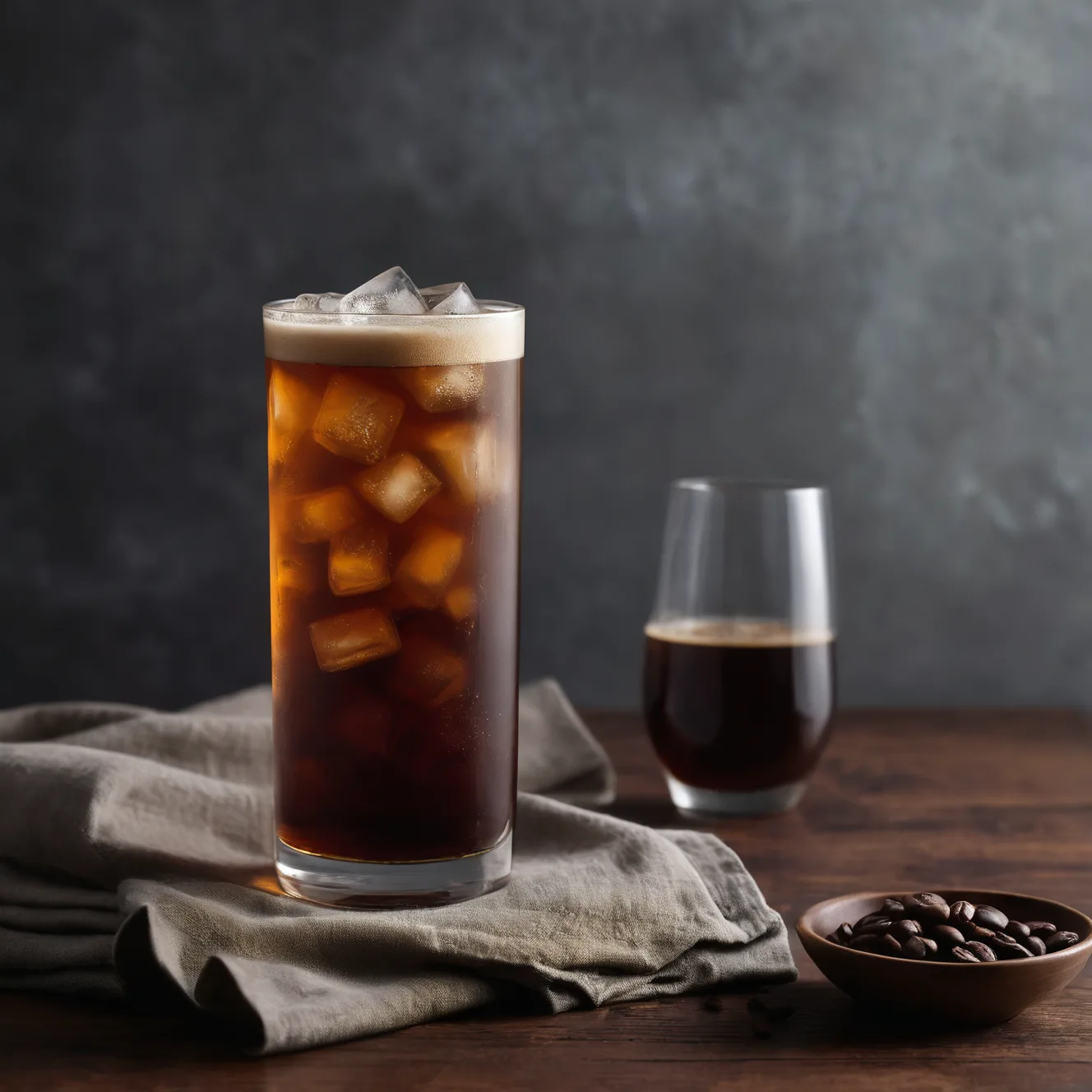
Plain cold brew over ice. The baseline. Fill a glass with ice, pour 3–4 oz of concentrate, add equal water. If you want the closest thing to what Starbucks sells as “Cold Brew,” this is it — 5 calories, no sugar, clean coffee flavor.
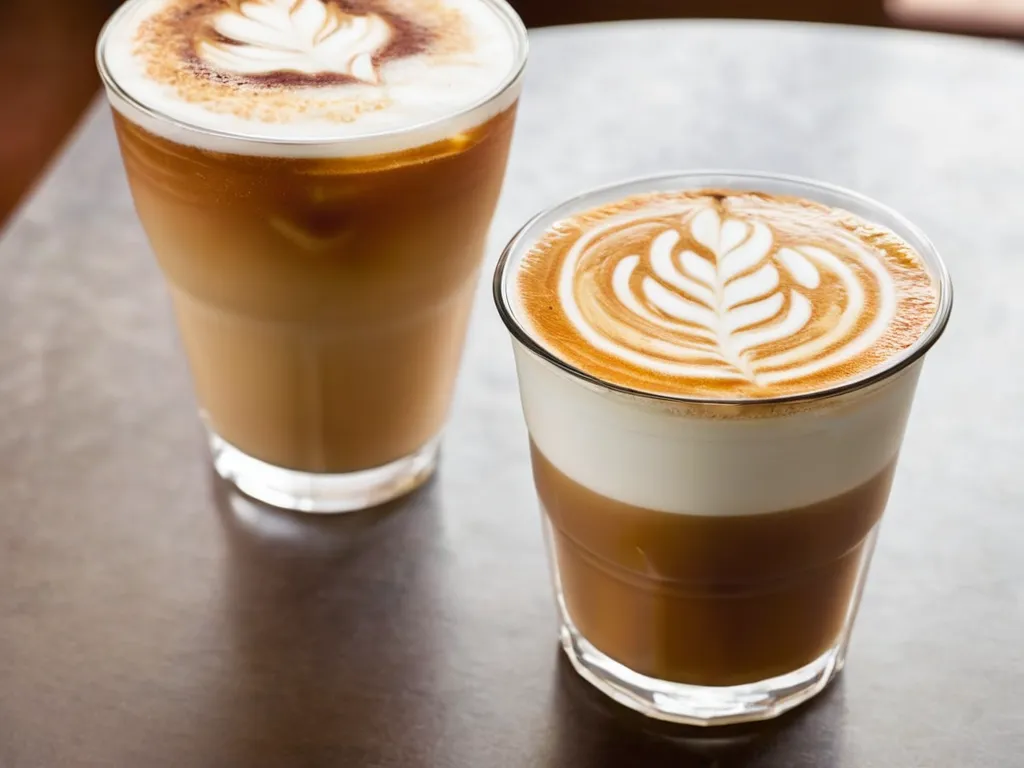
Vanilla Sweet Cream Cold Brew. Starbucks’ most-ordered cold brew variant. Make a vanilla sweet cream by whisking together 3 tablespoons heavy cream + 2 tablespoons 2% milk + 1 tablespoon vanilla syrup (or to taste). Pour your cold brew over ice, then slowly pour the sweet cream over the back of a spoon so it floats on top. The layered presentation is the signature look; stir before drinking or sip through a straw and let the cream fold in gradually. Full instructions in our Vanilla Sweet Cream Cold Brew recipe.
Brown Sugar Oat Milk Cold Brew. Stir 1–2 tablespoons of brown sugar simple syrup (equal parts brown sugar and hot water, dissolved and cooled) and a pinch of cinnamon into the concentrate before adding ice, then top with 2–3 oz of oat milk. This is a quieter version of the Brown Sugar Oat Milk Shaken Espresso — same flavor profile but gentler and less espresso-forward.
Nitro-style (whisk method). Starbucks’ Nitro Cold Brew uses pressurized nitrogen to create a creamy, cascading foam. You can approximate it at home: vigorously whisk 4 oz of cold brew concentrate + 4 oz water in a bowl for 30–45 seconds, then pour quickly into a chilled glass without ice (nitro is traditionally served cold but without ice, since the bubbles carry the chill). The result won’t match the nitrogen cascade but produces a noticeably creamier, fuller mouthfeel.
Cost Breakdown
| Cost | Caffeine (grande equiv.) | |
|---|---|---|
| Starbucks Cold Brew (grande, 16 oz) | ~$4.75–5.75 (varies by market) | ~205mg |
| This recipe (per serving, diluted) | ~$0.45–0.60 | ~150–190mg |
| Vanilla Sweet Cream addition | ~$0.35 more | — |
One cup of mid-shelf Colombian medium-dark roast runs about $12–14 per 12 oz bag. At a 1:4 ratio, 1 cup of grounds (about 1.75 oz) costs under $2 and makes 3.5 cups of concentrate — 7 servings when diluted. The full batch costs under $2.50 in coffee alone.
Storage
Cold brew concentrate keeps in a sealed jar or pitcher in the refrigerator for up to 2 weeks. Flavor peaks in the first week. Once diluted with milk or cream, drink within 3 days. Do not store in the freezer — the aroma compounds that give cold brew its smooth character are volatile and degrade significantly on freezing and thawing.
More Starbucks Drinks to Make at Home
- Vanilla Sweet Cream Cold Brew — the most-ordered Starbucks cold coffee drink; vanilla cream floats on the cold brew in a two-layer pour.
- Iced Brown Sugar Oat Milk Shaken Espresso — espresso-based with the same brown sugar and oat milk profile, shaken for a frothy finish.
- Caramel Macchiato — vanilla syrup, milk, espresso, and caramel drizzle; iced or hot.
- Iced Matcha Latte — the non-coffee cold drink; ceremonial matcha with oat milk and simple syrup.
See all Starbucks copycat recipes →