


Viral Charcuterie Cups — Because Everyone Deserves Their Own Board
The charcuterie board peaked. It was gorgeous, it was effortless, and by 2022 it had appeared on every surface in America: wooden boards, slates, baking sheets, window sills. Then someone realized: what if everyone got their own? The charcuterie cup was born, and TikTok has been obsessed with it ever since — because it solves an actual problem (no more hovering over the communal board) while looking even more impressive than its ancestor.
What Made Charcuterie Cups Explode
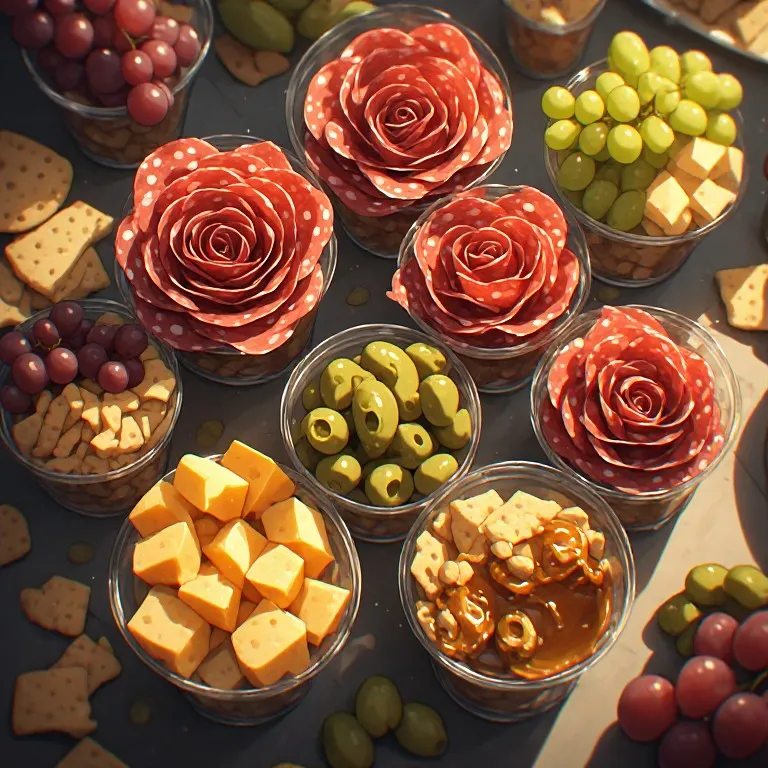
The key innovation was personalization. A single board is communal and beautiful but slightly chaotic — people hover, others can’t reach, the Brie gets demolished in the first five minutes. Individual cups give every guest their own perfectly composed mini-board. The creator content that drove the trend was satisfying assembly videos: cups filling up layer by layer, salami roses appearing from flat slices of meat, the finished row of identical cups ready to be distributed. The “making 12 at once” format also resonated — it scaled visually in a way that a single board doesn’t.
The Salami Rose: Easiest Party Trick
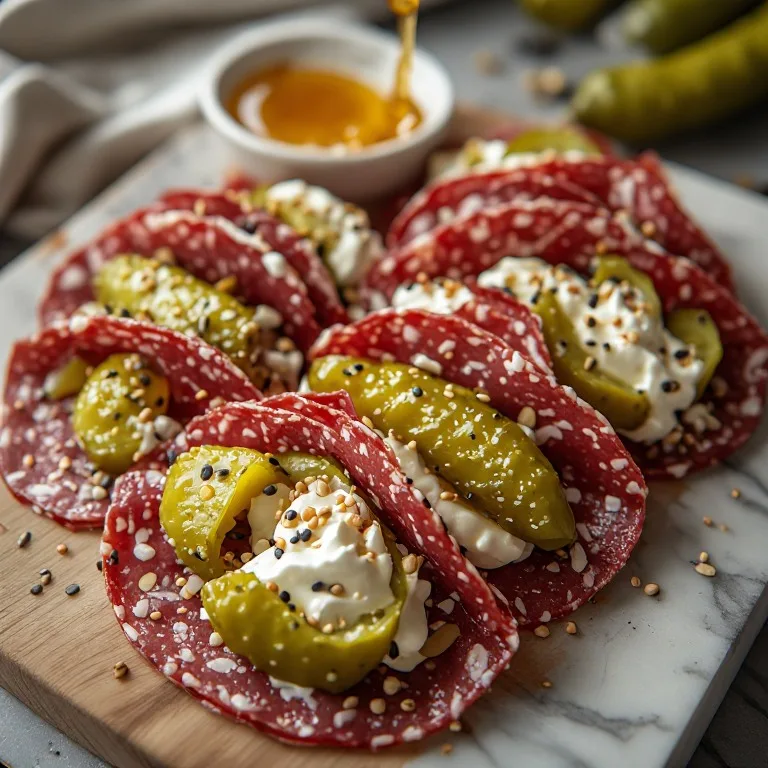
The salami rose is the signature element that makes these cups look professionally assembled, and it takes about 10 seconds per rose once you have the motion down. Fold a thin round slice in half. Fold in half again — you have a quarter-circle wedge. Take 3–4 of these wedges and overlap them slightly around your index finger, then pinch the bottom together and press it into the cup. The petals fan out naturally. The thinner the salami, the better the rose — thick-sliced deli meat won’t fold cleanly.
Assembly Strategy: Zone Thinking
The mistake most people make assembling charcuterie cups is distributing everything randomly. Instead, think in sections: one zone for meat, one zone for cheese, one zone for olives and pickles, one zone for crackers. Within each zone, vary height — stand crackers upright, stack cheese cubes, prop a cornichon at an angle. Visual interest comes from height variation, not from cramming everything flat.
The Crackers Problem
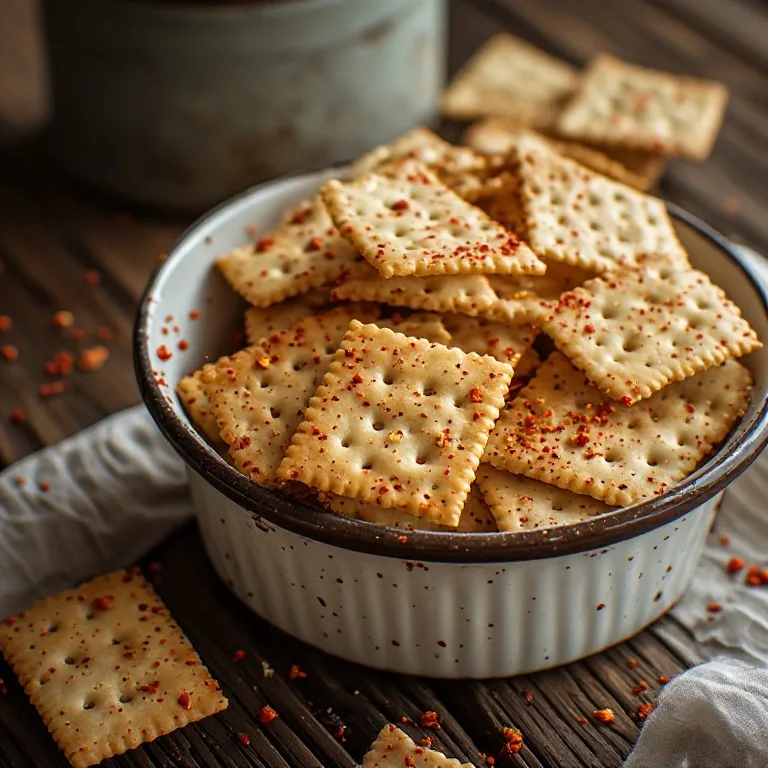
Crackers in cups get soggy. The solution is two-part: add crackers right before serving (not during assembly if making ahead), and prop some upright rather than laying them flat. An upright cracker stays crisper longer because its face isn’t touching anything wet. A cracker flat on the bottom of the cup will be soft within 30 minutes.
Scaling This for a Party
The cups are more straightforward to scale than a board because you’re essentially repeating the same process for each cup. Line up all 12 cups, then add items in passes — roses first, then cheese, then olives, then crackers — so you get consistency without making each cup individually from scratch. Assembly-line style gets 12 cups done in 20 minutes.
Variations
Mediterranean Cups: Swap cured meats for roasted red peppers, stuffed grape leaves, sun-dried tomatoes, and hummus in a small container. Add pita chips and feta.
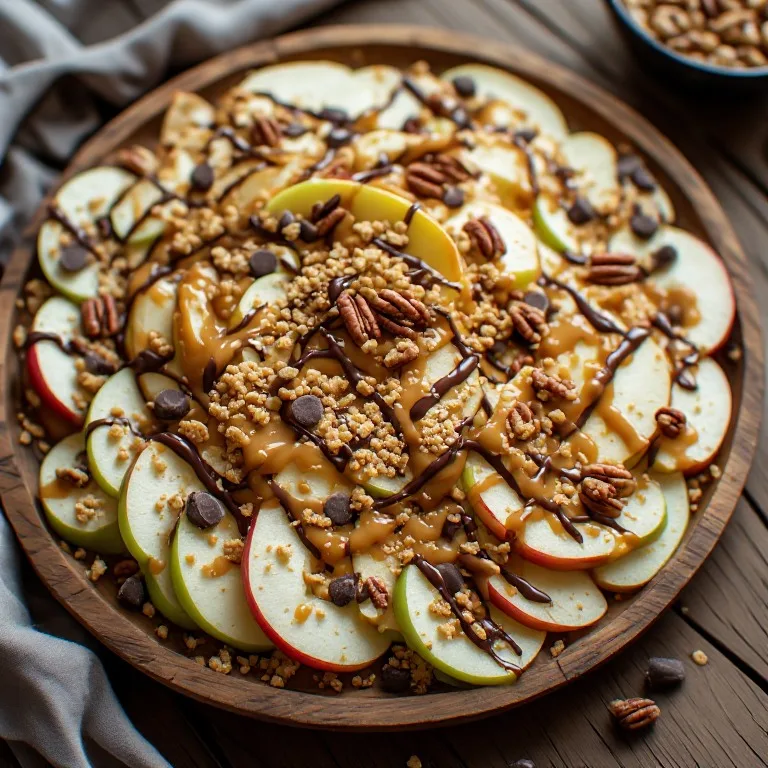
Dessert Charcuterie Cups: Mini cookies, chocolate squares, strawberries, dried mango, caramel dipping sauce, and a small brownie bite. Same assembly concept, completely different flavor world.
Kids’ Snack Cups: Ham cubes, mild cheddar, seedless grapes, goldfish crackers, baby carrots, and a small ranch dipping cup. Beloved by children and genuinely nutritious.