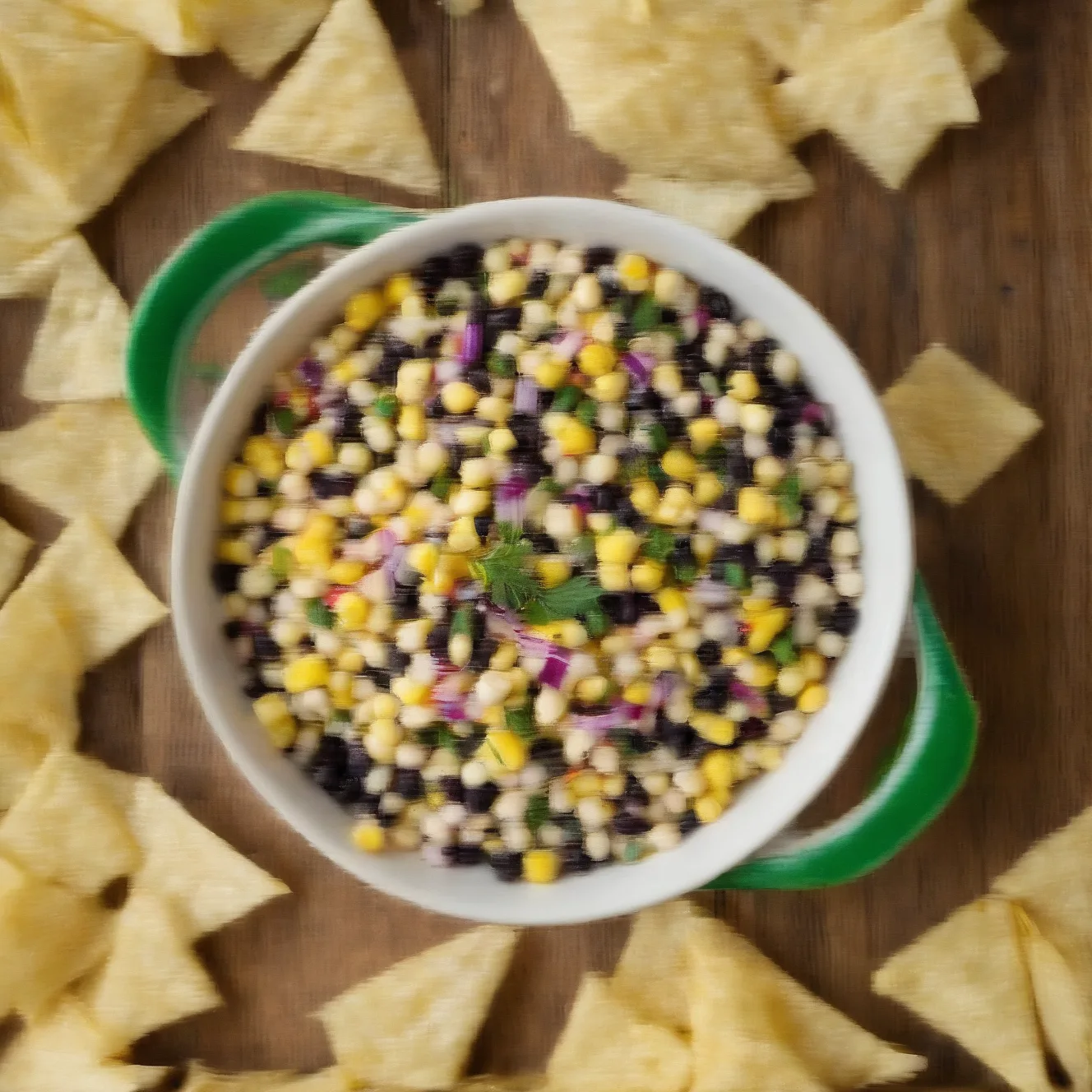
Cowboy caviar has been the best party dip in Texas since 1940, when a chef named Helen Corbitt invented the original at a New Year’s Eve party. TikTok rediscovered it around 2021, added avocado and a few more colors, and introduced it to everyone else. The result is the same: a bowl that hits the table and disappears within the hour.
The technique is genuinely simple — no cooking, no heat, no special equipment. But there are four things most recipes get wrong that turn a great cowboy caviar into a mediocre one. Fix those, and you’ll have people asking for the recipe every time you bring it.
TL;DR
Drain black beans and black-eyed peas completely (wet beans dilute the dressing). Toss the base with a lime-cumin-honey vinaigrette. Marinate 1-2 hours in the fridge. Add diced avocado only right before serving. Serve with Frito Scoops, not flat chips. The whole thing costs about $12 and feeds 10.
The Origin: Texas Caviar, 1940
Cowboy caviar starts as Texas caviar, and Texas caviar starts with Helen Corbitt. Corbitt was a New York–trained food director who went on to run the Zodiac Room, the celebrated restaurant inside Neiman Marcus in Dallas. Around 1940, asked to build a dinner using only Texas ingredients, she marinated humble black-eyed peas in an oil-and-vinegar dressing with garlic and onion and served them at a New Year’s Eve party. The name was a joke on the idea of “caviar for Texans” — dressed-up black-eyed peas standing in for the expensive sturgeon roe served at fancy parties up north.
The dish spread through Texas and across the South, with each family adding their own twist. Black beans got added alongside the black-eyed peas. Then corn. Then bell peppers, tomatoes, jalapeños, red onion. By the time it reached TikTok, the recipe had evolved into a full rainbow bowl with avocado — at which point it also became genuinely beautiful on camera, which is exactly why it racked up millions of views and turned into a summer-cookout staple.
The Four Mistakes Most Recipes Make
1. Not draining the beans enough. Canned black beans and black-eyed peas sit in a starchy, salty liquid. If you dump the can directly into the bowl, that liquid dilutes the dressing and makes the whole thing taste flat and watery. Rinse the beans under cold water until the water runs clear, then let them drain in the colander for at least 3 minutes before adding them to the bowl.
2. Skipping the marinating time. The magic of cowboy caviar isn’t in the assembly — it’s in the hour you leave it in the fridge before serving. During that time, the beans absorb the vinaigrette, the onion mellows from sharp to pleasantly savory, and the bell pepper releases a little sweetness into the dressing. Taste it before marinating and after marinating: they’re noticeably different. Give it at least an hour, ideally two.
3. Adding avocado too early. This is the most common visual disaster in cowboy caviar. Avocado browns fast — even with the lime juice in the dressing, you have about 20-30 minutes before the exposed flesh oxidizes and turns gray-green. Fold in diced avocado directly before you bring the bowl to the table. Store the base separately and add fresh avocado when you take it out. This gives you leftovers that actually stay good.
4. Using flat chips. Flat tortilla chips technically work, but you lose half the dip every time you scoop. The dip slides off, the chip breaks if you press down, and you end up fishing the best pieces out with a fork. Frito Scoops — the bowl-shaped corn chip — were essentially designed for this. The bowl holds a full serving without spillage. Tostitos Scoops work too.
The Vinaigrette: Why Each Ingredient Matters
The dressing has six components and all of them do something.
Lime juice is the acid that brightens everything and keeps the avocado from browning. Use fresh limes, not bottled lime juice — bottled lime juice has a preservative that tastes bitter in a cold preparation.
Apple cider vinegar adds a second layer of acid with a slight apple sweetness that lime alone doesn’t have. Using both makes the dressing more complex without tasting vinegary.
Olive oil carries the fat-soluble flavor compounds in the cumin and gives the dressing body. Without oil, the dressing tastes thin and bright but one-dimensional.
Honey does two things: it emulsifies the dressing (prevents the oil and vinegar from separating) and rounds out the sharpness of the vinegar. You can use sugar, but honey binds the emulsion better. The final dressing shouldn’t taste sweet — if it does, you used too much.
Cumin is the flavor that most people can’t name but would immediately notice if it were missing. It adds smokiness and depth that makes the dressing taste like a real vinaigrette rather than just lime juice and oil.
Garlic powder rather than fresh garlic — fresh garlic sharpens significantly when it marinates for an hour in acid. Garlic powder delivers the flavor without the harsh edge.
The Bean Question: Black Beans vs. Black-Eyed Peas vs. Both
The original Texas caviar uses only black-eyed peas. Modern cowboy caviar often substitutes black beans. Using both is the version most worth making.
Black-eyed peas have a slight earthiness and a creamier texture. Black beans are firmer and milder. Together, they give the dip textural variety — some creamy bites, some firm bites — and a more visually interesting bowl. Neither one is wrong to use alone, but the combination is better than either on its own.
If you can only find one: black beans are more widely available and the dip will still be excellent. If you’re making it for a Southern crowd who expect the original: use black-eyed peas.
Cutting Size Matters More Than People Think
Everything should be diced to approximately the same size — about ¼ inch. This isn’t just for aesthetics (though even cuts do photograph better). It’s for functionality: when all the components are the same size, you get a complete bite every time you scoop. Tomato that’s cut too large dominates. Onion that’s too chunky assaults. Bell pepper in large pieces doesn’t integrate with the beans.
Take your time with the knife work. It’s the one actual skill in this recipe, and it’s worth doing right.
Variations
Classic Texas Caviar (traditional): Use only black-eyed peas. Add 1 tablespoon of Italian dressing (Zesty Italian from a bottle is the original shortcut) to the vinaigrette. Skip the avocado — the traditional version doesn’t include it.
Extra-Spicy: Leave the jalapeño seeds in, add 1 serrano pepper (also seeded or not, your call), and add ¼ teaspoon cayenne to the vinaigrette. The heat builds slowly as it marinates.
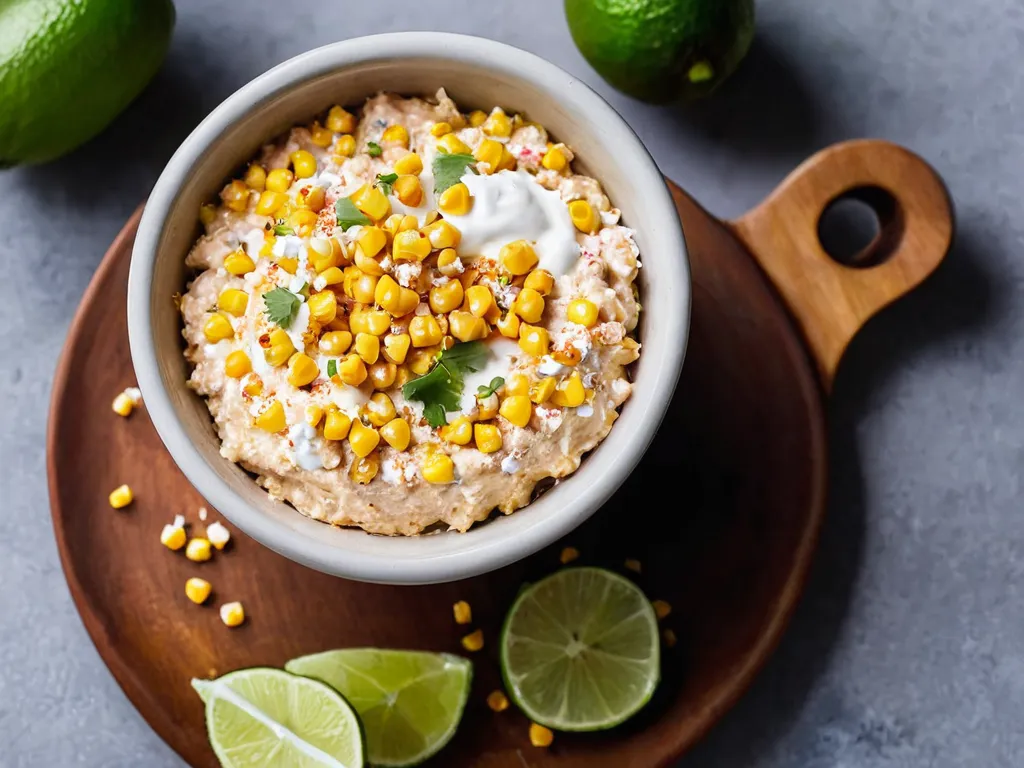
Roasted Corn Version: Instead of canned or thawed frozen corn, use charred corn cut from 2 ears. Heat a dry cast-iron skillet over high heat, add the corn kernels without oil, and let them sit undisturbed until charred in spots — about 3 minutes. The smoky char adds a grilled-outside note that the canned version can’t replicate. See the same technique in elote street corn dip if you want to go further with charred corn.
Peach Cowboy Caviar: Add 1 ripe peach, diced small. The sweetness of peach against the cumin-lime dressing is unexpected and genuinely good, especially in summer. Replace the honey in the vinaigrette with a teaspoon of brown sugar.
No Cilantro: Replace cilantro with 2 tablespoons of flat-leaf parsley and the zest of 1 lime. Same freshness, no controversy.
Serving Beyond the Chip Bowl
Cowboy caviar is good as a dip, but it’s even more useful as a side dish.
- Over grilled chicken or steak: A cup of cowboy caviar over a sliced chicken breast replaces a salad entirely. The lime dressing functions as a sauce.
- In breakfast tacos: Add a spoonful alongside scrambled eggs and cheddar in a flour tortilla. The beans and corn make it filling.
- As a burrito bowl topper: Alongside Chipotle cilantro-lime rice and sour cream, cowboy caviar works as the salsa, corn, and beans component in one.
- With Chipotle guacamole on the side: Two complementary dips that travel to the same potluck.
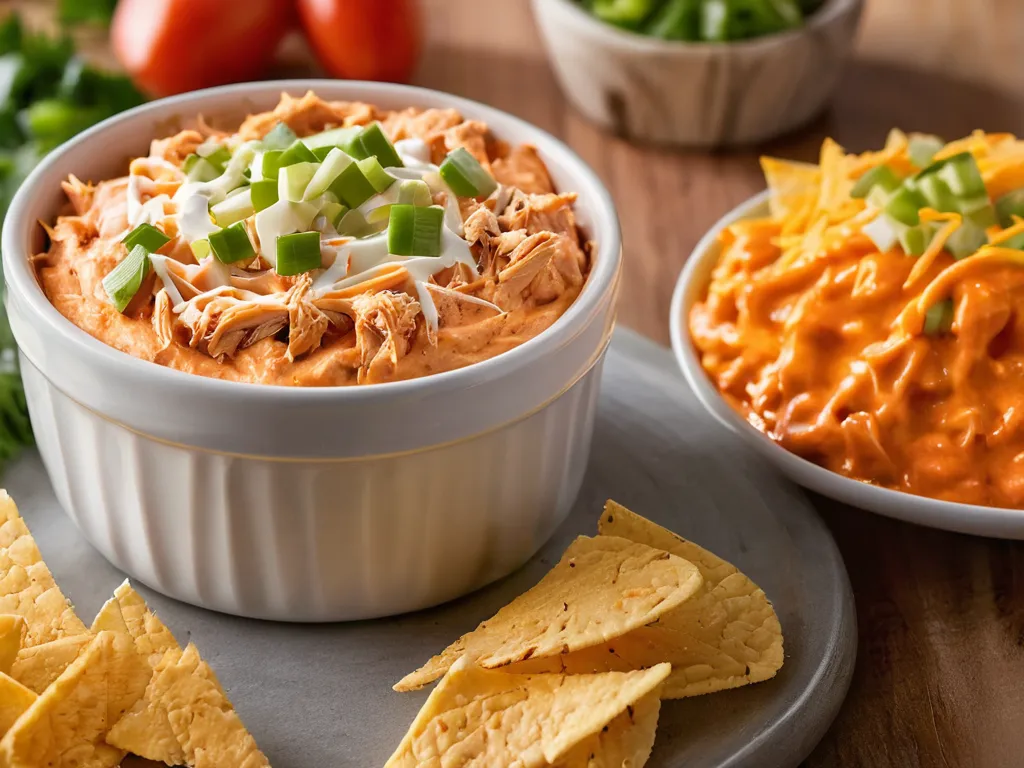
- Alongside buffalo chicken dip: The hot creamy vs. cold zesty contrast makes a party spread that covers all the bases.
Make-Ahead Strategy
Cowboy caviar is one of the better make-ahead party dishes because the flavor actually improves overnight.
- Day before the party: Make the entire base (beans, corn, peppers, onion, tomato, cilantro, dressing). Cover and refrigerate. Taste and adjust salt.
- Day of, 30 minutes before serving: Remove from the fridge to take the chill off. Taste again — you’ll likely want a squeeze more lime juice and a pinch of salt after a night in the fridge.
- Right before serving: Fold in the avocado.
If you’re transporting it, bring the avocado separately and fold it in at the destination.
Storage
| Without Avocado | With Avocado | |
|---|---|---|
| Refrigerator | 4-5 days | 1 day maximum |
| Room temp (serving) | Up to 2 hours | 30-45 minutes |
| Freezer | Not recommended | Not recommended |
The beans and vegetables don’t freeze well — the texture of bell pepper and tomato degrades significantly when frozen and thawed. Make only what you’ll use within the week.
Cost Breakdown
| Ingredient | Cost (approx.) |
|---|---|
| 2 cans beans | $2.50 |
| 1 can corn | $1.00 |
| Red bell pepper, red onion, jalapeño | $2.00 |
| 2 Roma tomatoes | $1.00 |
| 2 avocados | $3.00 |
| Cilantro | $0.75 |
| Limes, olive oil, pantry spices | $1.50 |
| Total | ~$11.75 |
Premade dips at the grocery store run $6–$10 for a container that serves 4. This batch serves 10 and costs about the same.