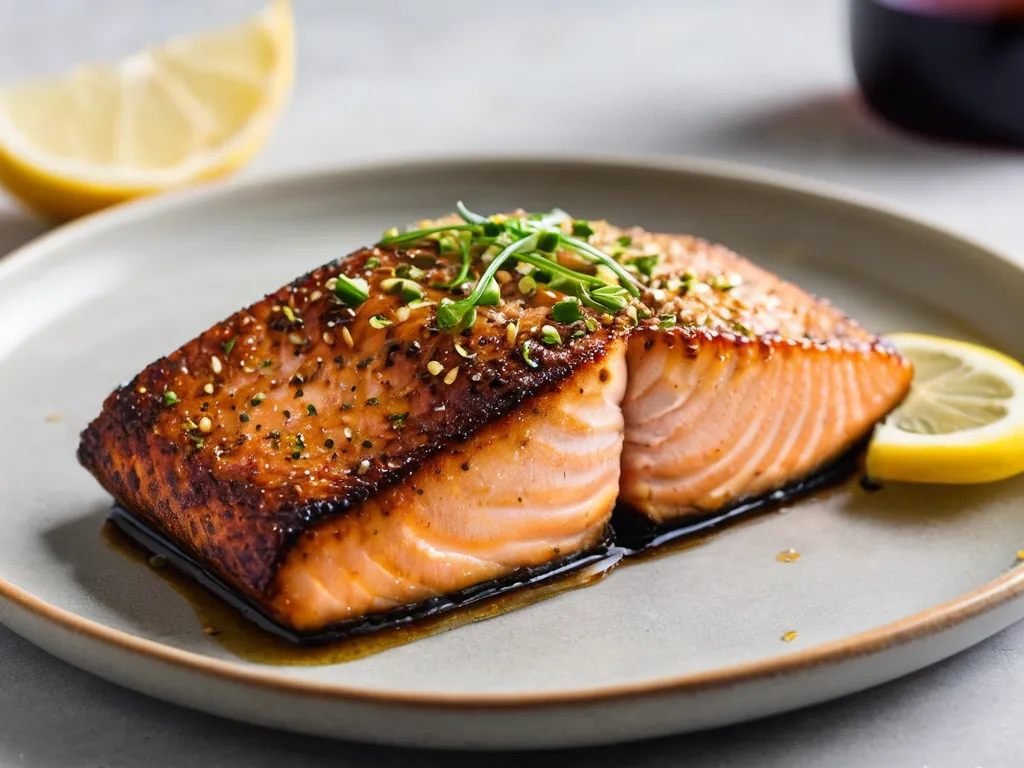
Viral TikTok Air Fryer Salmon
Prep time: 10 min Cook time: 12 min Servings: 4
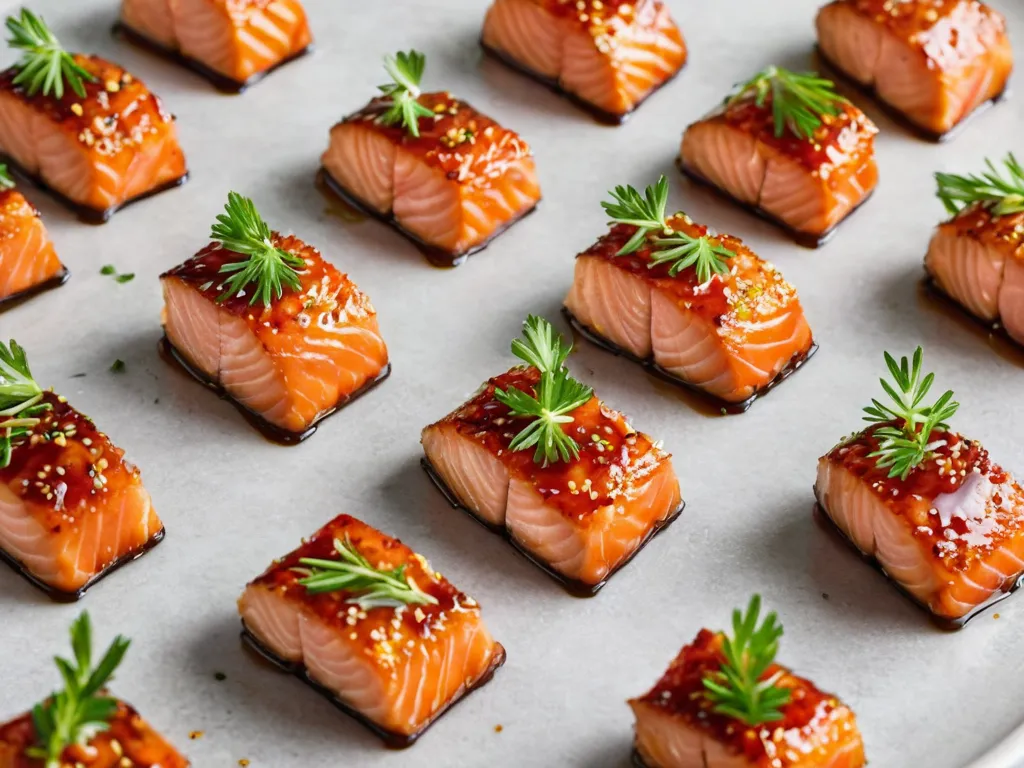
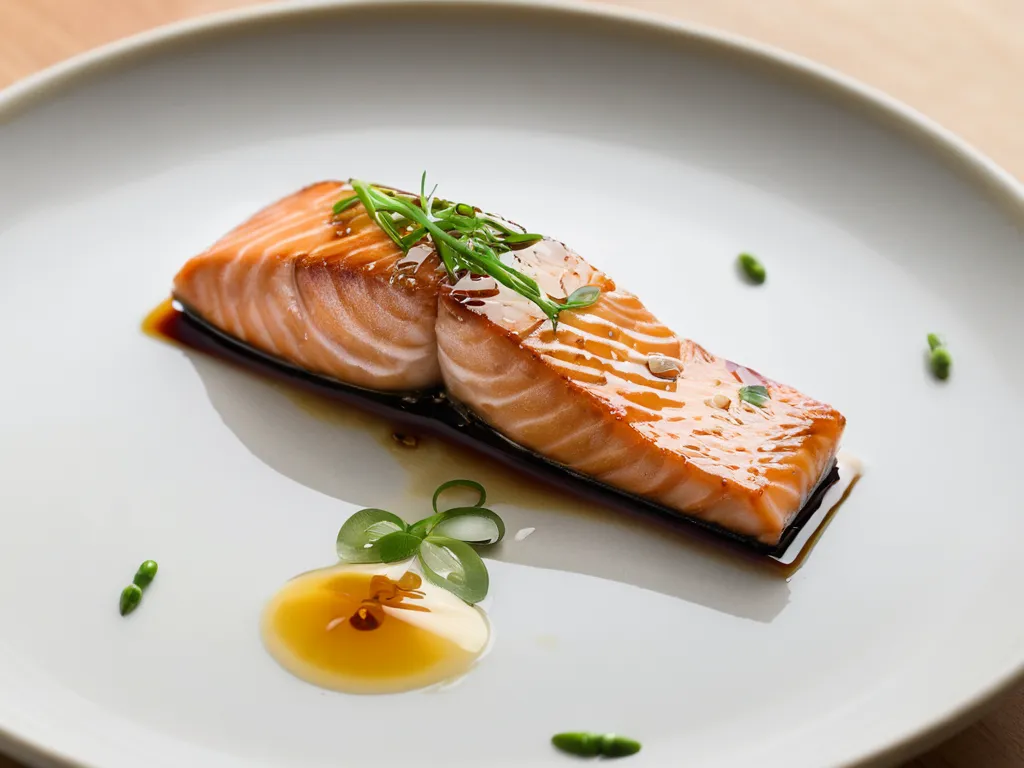
Air fryer salmon was already popular, but the version that broke TikTok combined a honey garlic soy glaze with the air fryer’s high heat to create something that looked like it came from a high-end kitchen. The glaze caramelizes into a sticky, lacquered crust while the inside stays buttery and barely set. It takes twelve minutes from the moment the salmon hits the basket to the moment it lands on a plate, and it tastes like you spent an hour on it.
The genius of this recipe is that the air fryer does all the work. The circulating hot air crisps the glaze the same way a restaurant salamander would, but without preheating a full oven or monitoring a broiler. You brush, set it, and walk away. When the timer goes off, you have restaurant-quality glazed salmon.
This is weeknight cooking at its best. A protein, a glaze, and 12 minutes. Serve it over rice with steamed vegetables and you have a complete meal that looks like you tried much harder than you did.
Why This Went Viral
Air fryer content was already dominating TikTok, so the algorithm was primed to push any new air fryer recipe that performed well. This one performed extremely well because the final result looked stunning. The caramelized glaze glistens under any lighting, and creators filmed it from every angle. Close-up shots of flaking the salmon apart to reveal the pink, perfectly cooked interior were especially effective.
The speed also mattered. Twelve minutes for a protein that looks and tastes this polished felt almost unbelievable, which drove people to the comments asking if it was real. That skepticism created engagement, which pushed the algorithm harder, which showed it to more people. The cycle fed itself.
It also helped that the ingredient list is short and familiar. No specialty items, no trips to an Asian grocery store. Soy sauce, honey, garlic, and salmon. People watched the video and immediately knew they could make it that night.
The Secret to Getting It Right
Dry the salmon thoroughly. This is the single most important step. Moisture on the surface of the fillet prevents the glaze from adhering and stops the Maillard reaction that creates the caramelized crust. Pat each fillet with paper towels on all sides, pressing firmly to draw out as much surface moisture as possible.
Preheat the air fryer. A cold start means the salmon spends its first few minutes coming up to temperature instead of cooking, which throws off the timing and can result in an overcooked interior before the glaze has a chance to caramelize. Three minutes of preheating at 400°F is enough.
The double-glaze technique is what separates this from a basic air fryer salmon. Brushing the glaze on before cooking creates the base layer. Brushing more on in the final 3-4 minutes builds the lacquered, sticky crust that caught everyone’s attention. Do not skip the second application.
Tips & Variations
- Spice it up. Add a teaspoon of gochujang or sambal oelek to the glaze for a version with real heat behind the sweetness.
- Go maple. Replace the honey with maple syrup and add a teaspoon of Dijon mustard. The result is a maple Dijon glaze that pairs beautifully with salmon.
- Crispy skin lovers. Start the salmon skin-side up for the first 4 minutes, then flip. This renders the skin and gets it crackling crispy.
- Add vegetables to the basket. Asparagus or green beans placed around the salmon for the last 6 minutes cook perfectly and absorb some of the dripping glaze.
- Try it on other fish. Arctic char, steelhead trout, and thick-cut cod all work with this glaze and the same cook time.
Pro Tips From the Comments Section
- Do not overcrowd the basket — Air fryers work by circulating air. If the fillets are touching, the air cannot reach all surfaces and you get steamed spots instead of caramelized ones.
- Line the basket with parchment — Air fryer parchment liners prevent the glaze from dripping through the grate and burning on the bottom. They also make cleanup effortless.
- Pull the salmon at 140°F internal — Carryover cooking brings it to 145°F while resting. Pulling at 145°F results in slightly overcooked salmon by the time you eat it.
- Use a fork to check doneness — If you do not have a thermometer, press a fork into the thickest part and twist gently. If it flakes with slight resistance, it is done. If it flakes freely, it is overdone.
Storage & Reheating
Leftover salmon keeps in the refrigerator for up to 2 days in an airtight container. Cold glazed salmon is surprisingly good. Try it on top of a salad or broken into large flakes over a rice bowl with avocado, cucumber, and a drizzle of sriracha mayo.
If you want to reheat it warm, the air fryer is your best bet. Set it to 300°F and heat for 3-4 minutes. The lower temperature warms the salmon without cooking it further. The oven works too, at 275°F for 8 minutes with a piece of foil loosely tented over the top to retain moisture. Avoid the microwave entirely. It dries the salmon out and makes the glaze tacky rather than sticky.