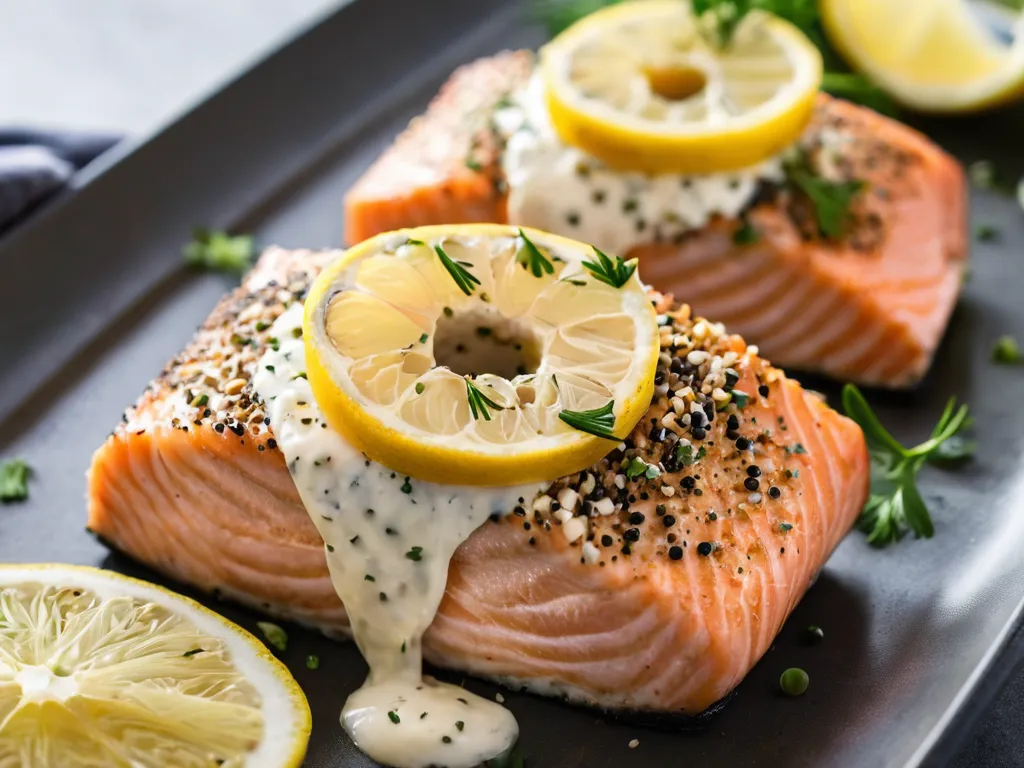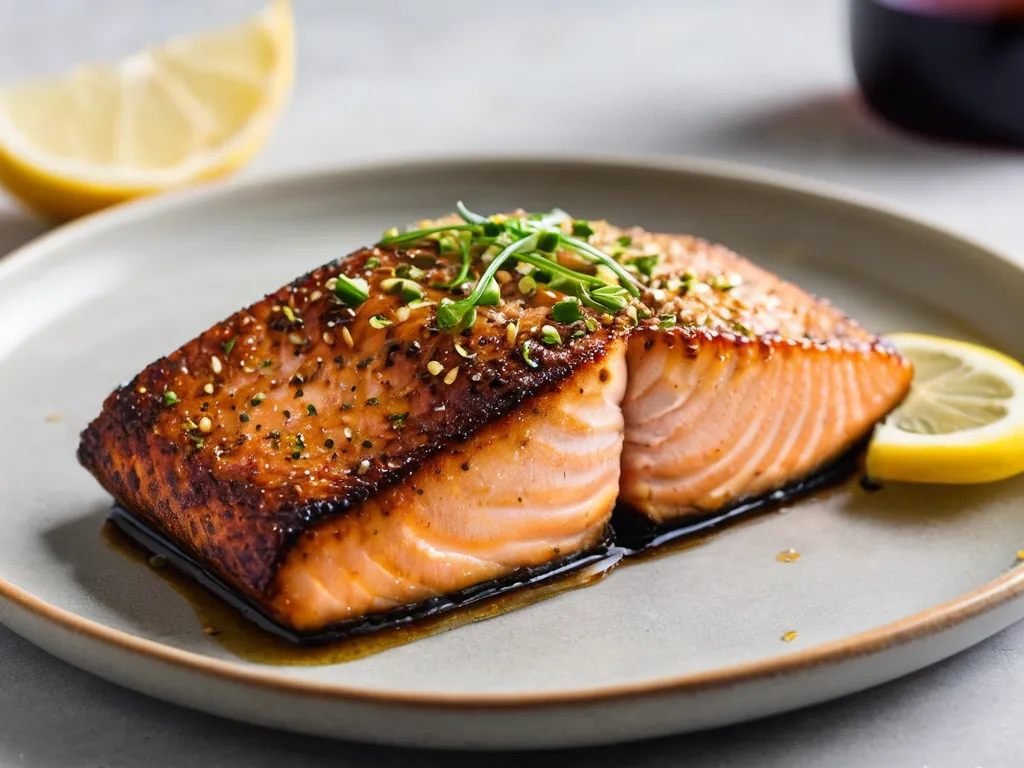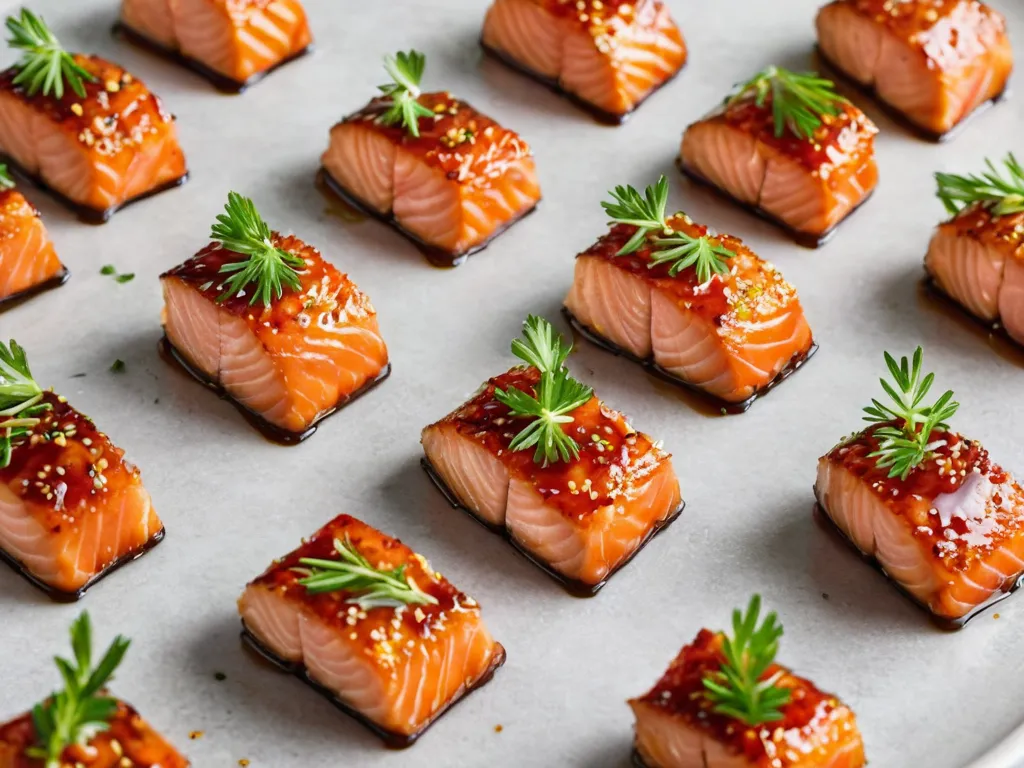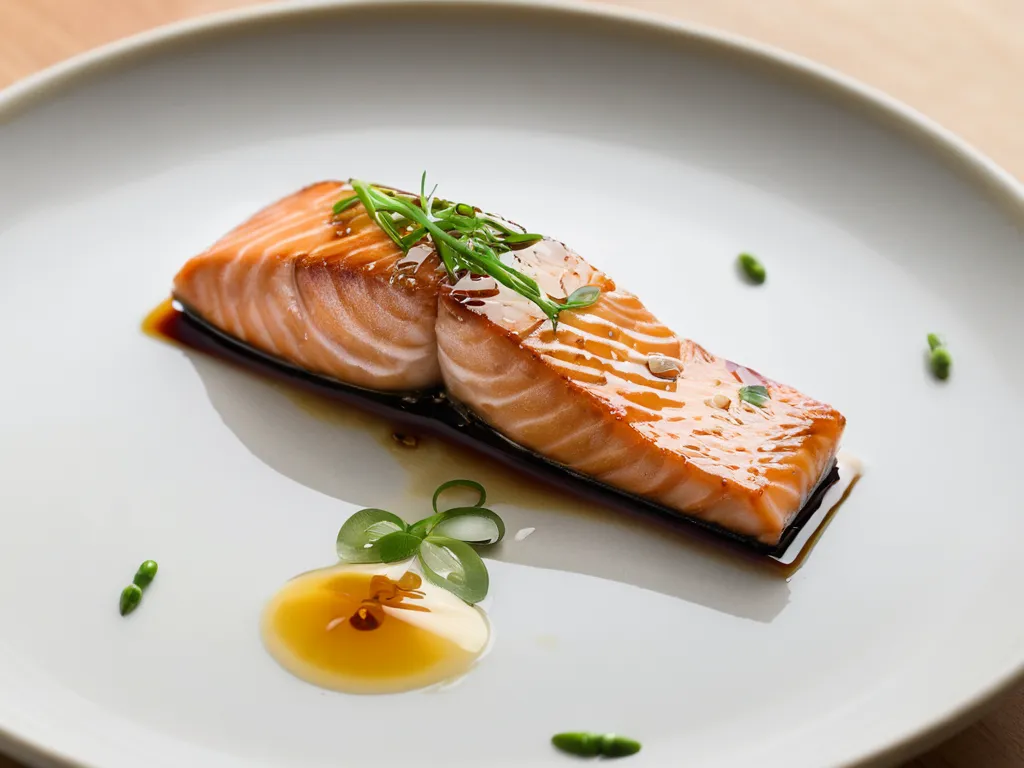
Miso glazed salmon is a five-ingredient recipe that produces something significantly better than its ingredient count suggests. It went viral on TikTok because creators showed that what looks like a restaurant dish — deeply caramelized, umami-forward, impossibly shiny — takes about 30 minutes and costs roughly $6–7 a serving to make at home.
The dish has a more distinguished origin than most viral food content. It’s a direct descendant of Nobu Matsuhisa’s Black Cod with Miso, one of the most replicated chef creations of the last 40 years. Understanding where it comes from explains why the technique works the way it does.
TL;DR
White miso + mirin + soy sauce + honey + sesame oil, brushed on salmon, broiled for 10 minutes. Marinate 30–60 minutes, not longer. White miso only — red miso is too salty and bitter. Middle rack, not the top: the glaze burns before the fish cooks through if you’re too close to the element.
The Nobu Connection
In the 1980s in Los Angeles, Nobu Matsuhisa created Black Cod with Miso — now one of the most famous chef dishes of the modern era. The original formula: thick, fatty black cod fillets marinated for 2–3 days in a paste of white miso, sake, mirin, and sugar. The extended marinade does two things to black cod: the salt osmotically seasons the fish deeply, and the koji enzymes in the miso (produced by Aspergillus oryzae, the mold culture used in fermentation) slowly break down the fish proteins into a silky, almost custard-like texture. Then the cod is broiled and grilled until the sugar-heavy glaze caramelizes into a lacquered shell.
TikTok’s miso salmon is a simplified home adaptation of this dish. The key changes:
- Salmon instead of black cod. Black cod (also called sablefish) is difficult to find and expensive. Salmon is widely available, cooks faster, and has a similar fatty, oily profile that holds up to the intense miso glaze.
- 30–60 minute marinade instead of 2–3 days. Salmon is thinner and more delicate than black cod. The same enzymatic action that creates silky black cod turns salmon mushy at extended marinating times. (See the marinating section below.)
- Five ingredients instead of Nobu’s full mise en place. The core technique — white miso, mirin, sweetener, broiler caramelization — is unchanged.
The dish went viral because the technique is genuinely surprising: five pantry ingredients, minimal prep, results that rival a $35 restaurant plate.
Which Miso to Use
Miso is fermented soybean paste. The differences between types come from fermentation duration and whether rice or barley is added as a secondary grain — shorter fermentation produces sweeter, milder paste; longer fermentation produces more salt, more acid, and more complexity.
White miso (shiro miso): Fermented 3–8 weeks. Mild, slightly sweet, ~5–7% salt content. The koji culture leaves significant residual sugars, which is why white miso caramelizes so beautifully under a broiler. This is the only miso for fish.
Yellow miso (shinshu miso): Fermented 4–6 months. More umami-forward and savory than white, with less sweetness. Works as a substitute in this recipe but gives a slightly less caramelized result. Use it if that’s what you have.
Red miso (aka miso): Fermented 1–3 years. Salt content reaches ~12%, and the flavor is strong, sharp, and assertive. Using red miso in this recipe makes the dish dramatically saltier and eliminates the sweetness that creates the caramelized glaze. Avoid it here.
The right brand is whatever you can find: Hikari, Miso Master, South River, and Marukome are all widely available at Asian grocery stores, Whole Foods, and many supermarkets.
Understanding Mirin
Mirin adds three things to the glaze: sweetness, gloss, and a faint alcoholic depth that rounds the flavor. Two versions are sold in most stores:
Hon-mirin (true mirin): The traditional version, produced by fermenting glutinous rice with koji and shochu. About 14% alcohol. Slightly more complex flavor. Found at Asian grocery stores.
Aji-mirin: A sweetened rice-based seasoning with less alcohol than hon-mirin, produced faster and sold at a much lower price point. Kikkoman’s “Aji-Mirin” is the version you’ll find in most American supermarkets’ international aisles. It works perfectly in this recipe — the flavor difference from hon-mirin is subtle at this application scale. (Note: “shin mirin,” a separate category with negligible alcohol, is also sold in some stores; it’s a reasonable substitute but not true mirin.)
If you have neither, substitute: 1 tablespoon dry sherry or sake + 1 teaspoon sugar. Do not use rice vinegar — it adds unwanted acidity.
The Marinating Window
Marinating time is the variable most home cooks get wrong. More is not better.
30–60 minutes: The sweet spot. Long enough for the glaze to season the surface of the fish and begin adhering. Short enough to prevent the problems below.
2 hours maximum: The upper limit for salmon fillets. Beyond this, two things happen: osmotic pressure from the salt draws moisture out of the fish (making it firmer and drier), and the enzymatic activity from the miso’s koji culture starts breaking down surface proteins. The result is a slightly mushier exterior texture — the opposite of what you want.
Overnight: Fine for Nobu’s black cod, which is thick and specifically benefits from enzymatic action. Not for salmon.
If you’re short on time, even 15 minutes with the glaze makes a noticeable difference over zero marinating — the miso sugars begin caramelizing on the surface, and the sesame oil starts coating the fish.
The Broiling Science
The caramelized, spotted glaze is what makes this dish. Here’s what happens under the broiler:
Maillard reaction begins around 280–330°F on the food surface — the proteins and sugars in the miso react to form hundreds of new flavor compounds. You see this as browning.
Caramelization of the miso’s residual sugars (primarily maltose from the koji fermentation) accelerates dramatically above 340°F, producing the darker, more complex notes and the slightly bitter edges.
A broiler running at HIGH produces radiant heat of 500–550°F at the element, which translates to roughly 400–450°F at the food surface on the middle rack. This means the glaze moves from caramelizing to charring quickly — which is why:
- Middle rack, not top. The top rack puts the fish 3–4 inches from the element; the glaze burns in 4–5 minutes before the interior is cooked. The middle rack (8–10 inches from the element) gives you more time.
- Watch it. The window between perfect caramelization and burnt sugar is 1–2 minutes. Start checking at 8 minutes.
- Foil-lined pan. The caramelizing glaze becomes aggressively sticky and will bond to an unlined pan at high heat. Foil is not optional.
Doneness: Two Standards
145°F (USDA recommended): Fully cooked, flesh is completely opaque, flakes in large pieces. Reliably safe. Some find this slightly dry.
125–130°F (restaurant standard for high-quality fish): The center remains slightly translucent and the texture is silky and moist. Appropriate for fresh, high-quality salmon from a reliable source. This is what most Japanese restaurants serve.
For a practical home approach, 130–135°F gives you a good balance: the fish is safely cooked through while retaining significant moisture.
The fastest way to check: a thin instant-read thermometer inserted horizontally into the thickest part of the fillet. The broiling time varies from 8–14 minutes depending on fillet thickness — a thermometer removes the guesswork.
Air Fryer Method
The air fryer produces excellent miso salmon with less cleanup. Preheat to 375°F. Line the basket with a small piece of foil or use a light coat of non-stick spray. Cook the glazed fillets for 8–10 minutes (no flipping) until the glaze is caramelized and the fish flakes. The hot circulating air creates good surface caramelization — slightly more even than a broiler but with less dramatic charring. Check at 8 minutes.
Variations
Spicy miso: Add 1–2 teaspoons of gochujang (Korean fermented chili paste) to the glaze. It blends seamlessly with the white miso and adds heat without overwhelming the fish.
Yuzu miso: Replace the honey with 1 tablespoon yuzu juice (or 2 teaspoons fresh lemon juice + 1 teaspoon lime juice, which approximates yuzu’s citrus profile). The citrus cuts the richness of the glaze and makes the dish lighter.
Brown butter miso finish: After broiling, melt 1 tablespoon butter in a small pan over medium-high heat until the milk solids turn golden and the butter smells nutty. Drizzle over the finished salmon. The toasted butter compounds complement the caramelized miso.
Nobu-style (if you have time): Make the glaze with sake instead of soy sauce (3 tablespoons white miso + 1 tablespoon mirin + 1 tablespoon sake + 2 teaspoons sugar). Marinate 8–12 hours in the refrigerator. The longer marinate and alcohol-based liquid produces a markedly different (more deeply penetrated, more complex) result — closer to the original dish.
What to Serve With It
The standard pairing in Japanese cuisine is short-grain white rice (Japanese-style sushi rice cooked plain, or steamed Koshihikari/Calrose rice) — the mild, slightly sticky rice absorbs the caramelized glaze that drips from the salmon.
For vegetables: bok choy stir-fried in a little sesame oil and garlic, edamame in the pod, blanched broccolini, or a simple salad with miso-ginger dressing. The dish is already strongly flavored, so simple sides work better than complex ones.
For a complete bowl: layer the miso salmon over rice, add pickled cucumber or daikon, a drizzle of spicy mayo, and an extra sprinkle of sesame seeds. This is essentially the salmon rice bowl format that went viral through Emily Mariko’s TikTok — the salmon rice bowl technique is covered in detail here.
Cost Comparison
| At a Japanese restaurant | At home | |
|---|---|---|
| Miso salmon (2 portions) | $35–45 (single plate) | $12–15 total |
| Per serving | $35–45 | $6–7.50 |
| Time to table | ~45 min (wait, order, serve) | ~30 min (including marinate) |
White miso paste ($3–5 for a tub that makes 15+ batches), mirin ($3–6 a bottle), soy sauce (pantry staple). The recurring ingredient is the salmon: farm-raised Atlantic salmon runs $7–10 per pound at most grocery stores; wild-caught sockeye or coho is $12–18 per pound. Either works well here.
For more ways to cook salmon quickly on a weeknight, the air fryer salmon technique covers direct high-heat cooking for plain fillets. If you want to use leftover miso salmon in a composed bowl, the salmon rice bowl is the format to use. For a raw salmon preparation that also uses the Japanese flavor profile, salmon tartare covers sushi-grade sourcing and knife technique in detail.