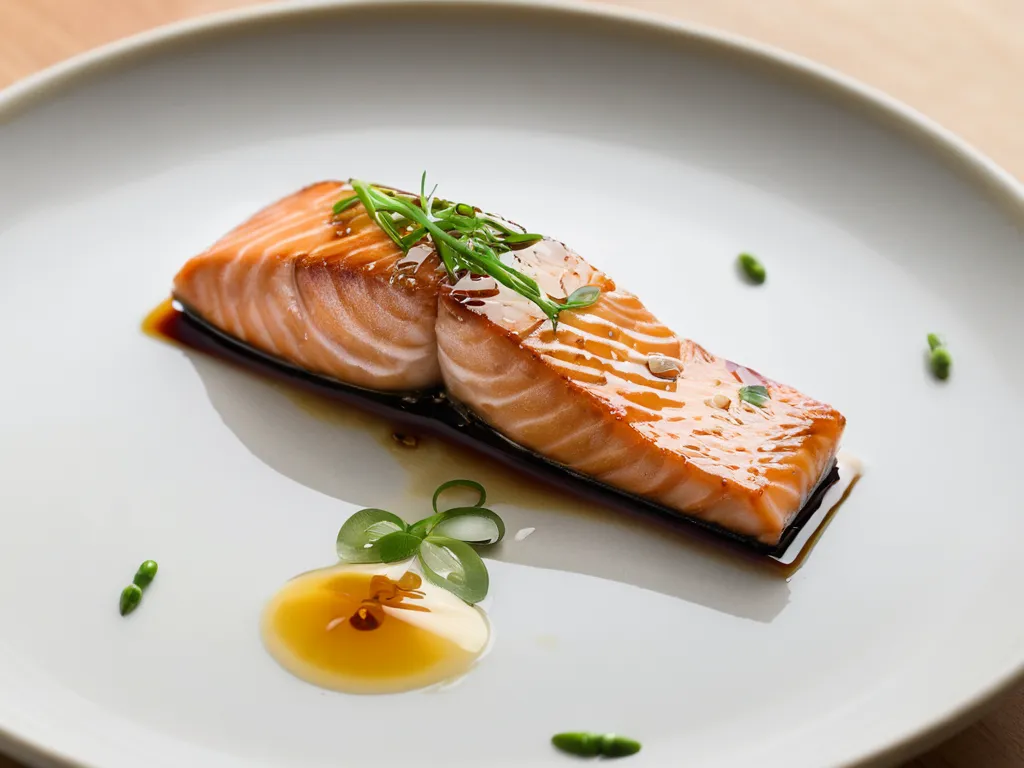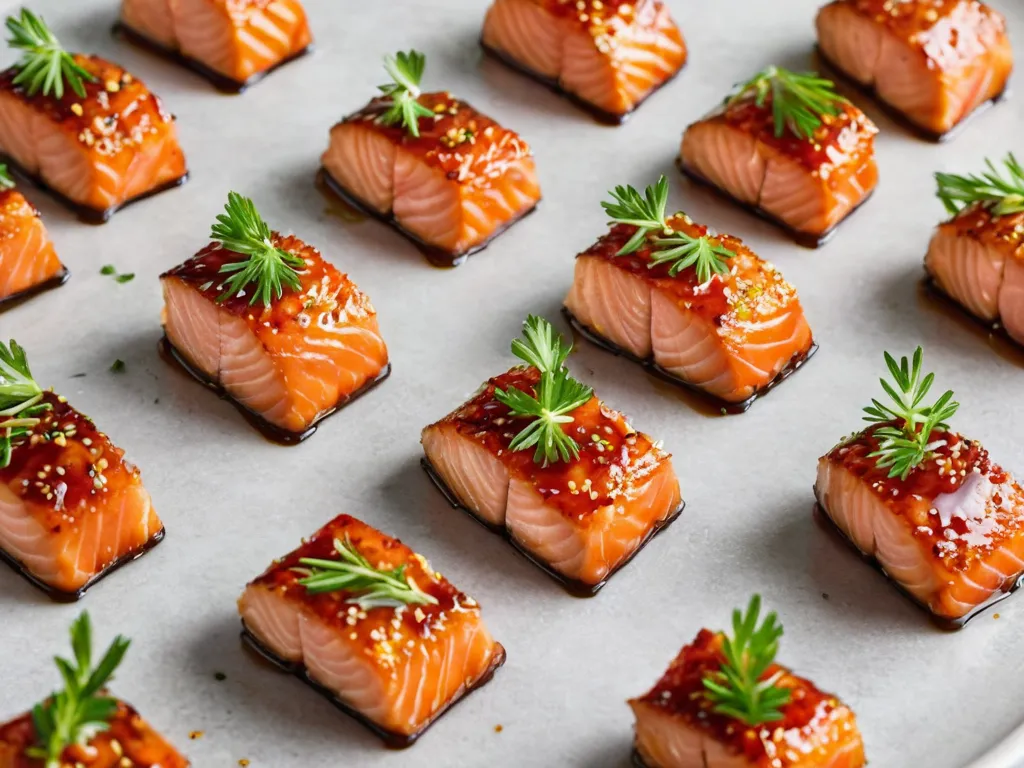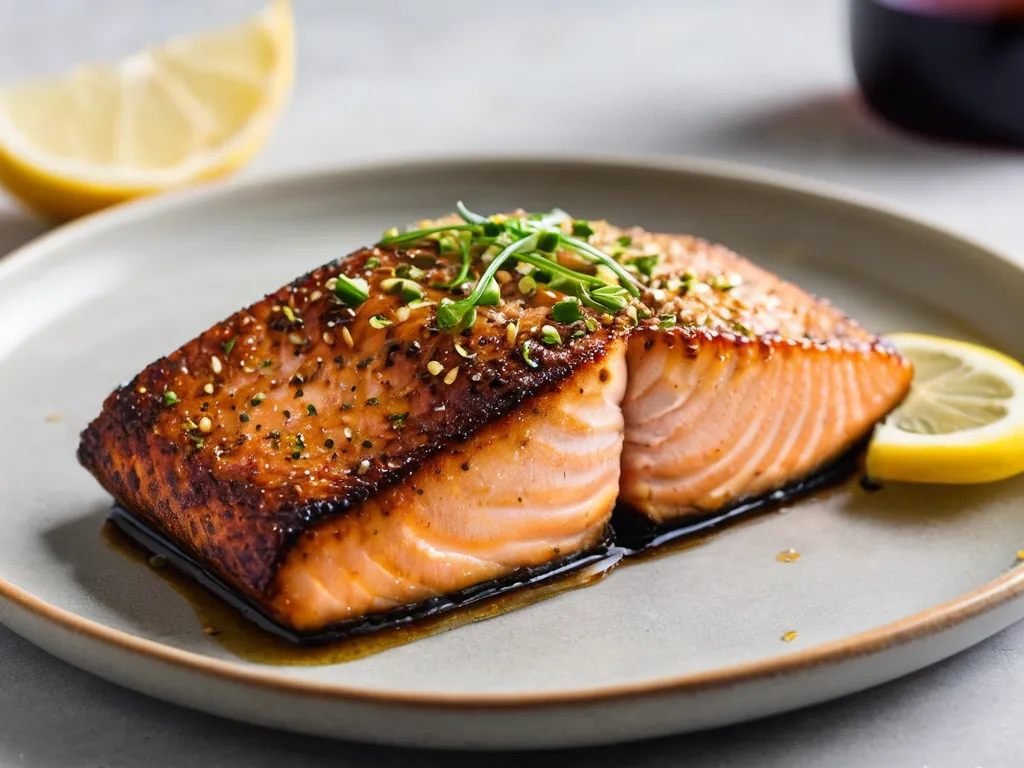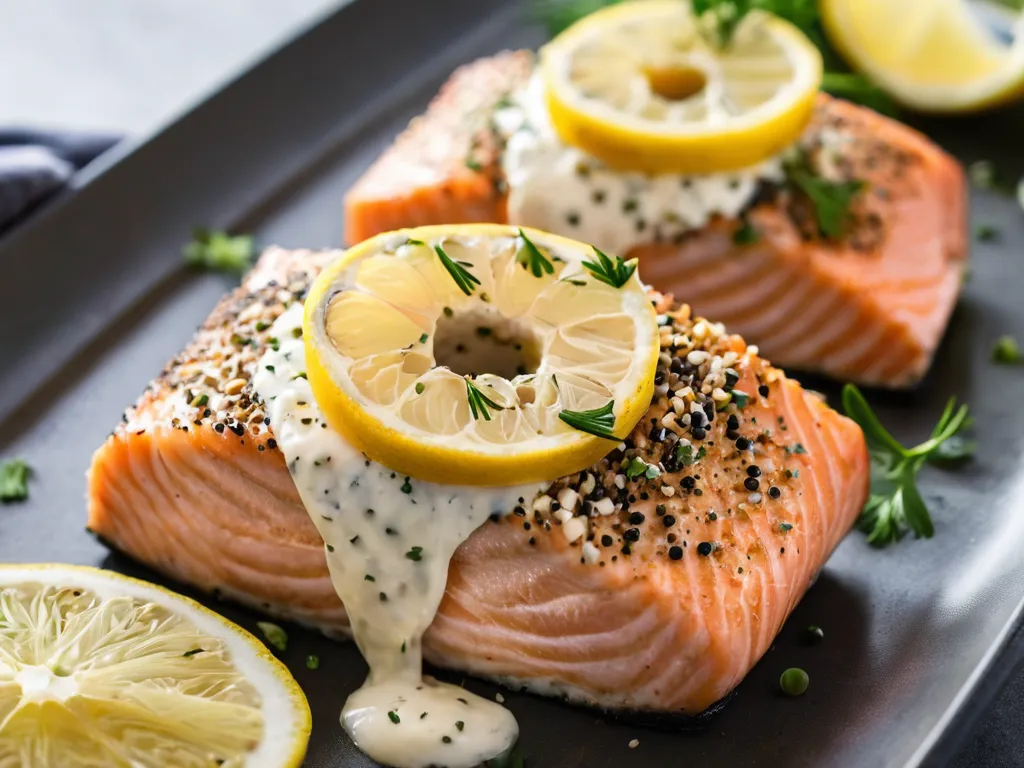
Everything bagel seasoning has been on grocery store shelves for years. But in 2021 and 2022, a specific application took over TikTok: pressing the seasoning onto a salmon fillet, baking it for 15 minutes, and drizzling cream cheese and honey over the top. The combination is absurdly good — the sesame seeds toast, the garlic blooms, the salmon cooks to silky perfection under a crunchy crust — and it requires almost no cooking skill to pull off.
The cream cheese drizzle is the touch that made the dish TikTok-ready: it’s a visual payoff (the white sauce against the dark, speckled crust), it makes flavor sense (cream cheese and everything bagel seasoning belong together), and it transforms a simple baked fish into something that looks like it came from a restaurant.
The Trader Joe’s Effect
The everything bagel seasoning trend and Trader Joe’s “Everything But the Bagel” seasoning are inseparable. Trader Joe’s introduced the blend in early 2017, and within two years it had become the store’s single most-requested item — the kind of thing shoppers stockpile out of fear it’ll be discontinued. The name “Everything But the Bagel” captures the logic: all six components of an everything bagel’s topping in one jar, no actual bagel required.
The seasoning’s viral food uses followed: on avocado toast, on roasted chickpeas, on scrambled eggs, on pasta. Salmon was the breakout application because the fat and density of the fish could handle the bold, salty blend in a way that lighter proteins can’t. A chicken breast crusted in everything bagel seasoning tastes like an overly salted, seedy chicken breast. A salmon fillet crusted in the same blend tastes like something a chef planned.
Most major grocery store brands (McCormick, Spice Islands, 365 Whole Foods, Badia) now carry their own versions. They all work for this recipe; the difference is salt level (Trader Joe’s is slightly saltier) and seed ratio.
Why Salmon and Everything Bagel Seasoning Work Together
The combination isn’t accidental. Three things make it work:
Fat on fat. Salmon is naturally high in fat — about 10–13 grams per 3-ounce serving. Sesame seeds are about 50% fat. Fat carries flavor and fat pairs with fat; the sesame oil inherent in the seeds bonds with the salmon’s lipids in a way that makes both taste richer. You’re not just coating the salmon — the seeds and fish fat meld during cooking.
Salt placement. Everything bagel seasoning delivers salt on the surface in the form of coarse crystals. This means the first thing your tongue hits is a punch of salt and sesame, which then gives way to the gentler flavor of the salmon. Contrast matters in food — the same amount of salt distributed evenly throughout would taste flat. The crust concentrates the impact.
The Maillard reaction on the seeds. When sesame seeds hit direct oven heat or hot oil, the amino acids and natural sugars in the seeds undergo browning at the surface. The toasted-sesame aroma is chemically different from raw sesame — more nutty, more complex, more restaurant-ish. That’s why patting the salmon dry matters: steam prevents browning.
DIY Everything Bagel Seasoning
If you don’t have a jar, making your own takes three minutes and gives you control over the salt level (useful if you’re salting the salmon separately or serving it over already-salted rice):
Combine 2 tablespoons white sesame seeds, 1 tablespoon black sesame seeds (or more white), 1 tablespoon poppy seeds, 1 tablespoon dried minced garlic, 1 tablespoon dried minced onion, and 1½ teaspoons coarse sea salt. Toast the sesame and poppy seeds first: dry skillet, medium heat, 3–4 minutes until fragrant. Cool before adding the dried garlic and onion (they can scorch if added to a hot pan). Store in an airtight jar for up to 3 months.
For this recipe, use 3 tablespoons total per two fillets, which is more than most recipes call for. The thickness of the crust is what makes the difference between a home version and a restaurant version.
Three Cooking Methods
Baked (Most Hands-Off)
Preheat your oven to 400°F. Line a rimmed baking sheet with parchment. Place fillets skin-side down, crust-side up. Bake 12–15 minutes. For a standard 1-inch-thick fillet, 13 minutes hits 125–130°F (medium) reliably. The oven method is the most forgiving: there’s no need to watch it, and the dry heat toasts the seeds evenly across the whole surface.
Air Fryer (Faster, Slightly Crispier Crust)
Preheat the air fryer basket to 400°F for 3 minutes before adding the salmon. Place fillets skin-side down with an inch of space between them — the circulating air needs clearance. Cook 8–10 minutes without flipping. The convective heat circulates around the crust more aggressively than a standard oven, browning the sesame seeds faster and producing a slightly crispier result. Check at 8 minutes with a thermometer; thinner fillets are done.
Pan-Seared (Best Crust, Requires Attention)
A cast-iron or stainless skillet on medium-high produces the most dramatic crust but requires you to watch it. Heat the dry pan until a drop of water beads and immediately evaporates — that’s the right temperature. Add a thin layer of oil. Place fillets skin-side down and press gently for 30 seconds with a spatula to flatten any curl. Cook undisturbed for 3–4 minutes; the skin should release cleanly and be crispy. Flip and cook the seasoning side for 2–3 minutes. The bottom heat gives the seeds contact browning that the oven can’t quite match.
Sauce Options
Honey cream cheese drizzle (the TikTok version): Stir 3 tablespoons softened block cream cheese with 1 tablespoon honey and 1–2 teaspoons fresh lemon juice. Thin with warm water to a drizzleable consistency. The combination works because cream cheese and everything bagel seasoning share a flavor language — this is essentially a deconstructed everything bagel.
Lemon-caper butter: Melt 2 tablespoons unsalted butter in a small pan, add 1 teaspoon capers and 1 tablespoon lemon juice. Spoon over the salmon. More classic and sharper than the cream cheese version.
Spicy sriracha honey: 2 tablespoons honey, 1 tablespoon sriracha, ½ teaspoon rice vinegar. Drizzle and add thinly sliced scallions. The heat cuts through the fat and the sweetness echoes the sesame.
Nothing (the pure version): The seasoning alone — especially on a well-cooked piece of salmon — needs nothing. A squeeze of lemon over the top and flaky salt finish is often the best call.
Cost Breakdown
| Item | Cost |
|---|---|
| 2 salmon fillets (12 oz farmed Atlantic) | $7–10 |
| Everything bagel seasoning (3 tbsp) | $0.50–1.00 |
| Cream cheese + honey (drizzle) | $1.50–2.00 |
| Olive oil, lemon | $0.50 |
| Total (2 servings) | $9.50–13.50 |
| Per serving | $4.75–6.75 |
| Restaurant equivalent (salmon entrée) | $28–40 |
Wild-caught salmon runs $14–20/lb and costs roughly double. For this recipe, farmed Atlantic salmon is excellent — the fat content is well-suited to the high-heat crust technique, and the flavor difference is minimal once the seasoning is on.
Storage and Meal Prep
Cooked everything bagel salmon keeps 3 days in an airtight container in the refrigerator. The crust softens overnight — it won’t be as crispy reheated, but it still tastes good. To reheat: air fryer at 325°F for 3–4 minutes (best), or microwave at 60% power for 90 seconds (acceptable). Do not overheat; salmon dries out quickly above 145°F internal.
For meal prep, the salmon works well over a grain bowl base (rice, farro, quinoa) with avocado, pickled red onion, cucumber, and the cream cheese drizzle used as dressing. Cook a batch on Sunday and portion into containers with your grain base for weekday lunches that look and taste considerably better than they were to prepare.
The seasoning mixture itself can be pre-pressed onto raw fillets and refrigerated (uncovered) on a parchment-lined plate for up to 4 hours before cooking — the dry seasoning clings better to slightly tacky cold salmon, and the brief rest helps it adhere.
Common Mistakes
Too little seasoning. A light dusting produces ordinary baked salmon. The viral version has a thick, visible crust that you press into the flesh. Use at least 1.5 tablespoons per fillet and press firmly.
Skipping the pat-dry step. Surface moisture is what prevents the crust from forming. Any water on the salmon creates steam between the fillet and the seasoning, which lifts the crust and turns it soft. Paper towels, pat dry, then oil.
High oven heat. 400°F is the sweet spot. Higher temperatures (425°F+) start burning the garlic flakes before the salmon cooks through — you get bitter, acrid notes from the charred garlic. Stick to 400°F.
Overcooking. At 145°F (fully cooked), salmon becomes firm and flakes apart dryly. At 125–130°F (medium), it has a silky, almost buttery texture that’s dramatically better. An instant-read thermometer costs $15 and removes all guesswork.
Cold cream cheese. Cold block cream cheese won’t drizzle — it’ll clump. Soften it at room temperature for 20 minutes or microwave for 15 seconds, then stir with honey and lemon before thinning with warm water.
More Salmon Recipes to Try
If you’re into quick salmon weeknight dinners, these are worth bookmarking:
- Viral TikTok Air Fryer Salmon — the fastest method, 8 minutes flat
- Emily Mariko Salmon Bowl — the leftover salmon rice bowl that launched a thousand rice-cooker purchases
- Viral TikTok Miso Salmon — a Japanese-inspired glaze that gives the same umami depth as the bagel seasoning but in a completely different direction
- Viral TikTok Salmon Rice Bowl — the bowl format that pairs perfectly with everything bagel salmon instead of baking it plain