

Via Carota is a 60-seat Italian restaurant on Grove Street in the West Village that regularly has people standing outside for two hours on a Tuesday night. The restaurant was opened in 2014 by Jody Williams and Rita Sodi — two partners who also run Buvette and I Sodi respectively, within a few blocks of each other. The menu is seasonal, the room feels like a farmhouse in Tuscany someone accidentally dropped into lower Manhattan, and the cacio e pepe has become one of the most-discussed plates in the city.
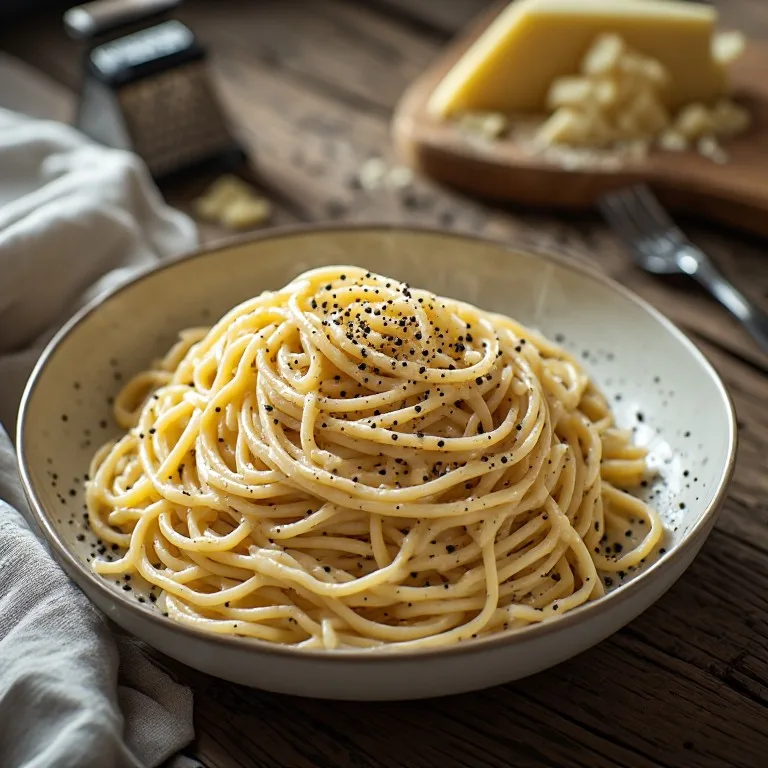
The dish does not look like much: a tangle of thick pasta, no sauce on top, no garnish except pepper. What makes people seek it out specifically — and then try to reconstruct it at home from the cookbook the chefs published in 2022 — is the texture. The sauce is genuinely creamy without containing any cream. It achieves this through three deliberate choices that separate the Via Carota version from the version you’d find at a Roman trattoria: butter cooked with the pepper before any liquid is added, pasta cooked in less water than usual to concentrate the starch, and Pecorino Romano added completely off the heat in stages.
The Three Things That Make This Version Different
Butter first. Traditional Roman cacio e pepe is made with no butter — just pasta, Pecorino Romano, black pepper, and pasta water. Via Carota adds half a stick of unsalted butter, which gets cooked with the cracked peppercorns before the pasta water goes in. The butter rounds out the Pecorino’s sharpness without muting it, and it makes the emulsion more forgiving to execute at home. This is not a shortcut — it’s a deliberate choice the chefs defend in the cookbook.
Concentrated pasta water. Cooking 1 pound of pasta in 2½ quarts of water instead of the usual 5 quadruples the starch content of the cooking liquid. That concentrated, visibly opaque water is the backbone of the emulsion — it’s the difference between a sauce that holds together and one that either breaks or clings to the pasta like glue.
Pecorino Romano only, off the heat. No Parmigiano Reggiano, no cream to soften the blow. Just sheep’s-milk cheese, aged hard, with a salinity that reads differently than any other cheese in the dish. And added only after the pan is off the burner, which is the only reliable way to prevent it from clumping.
Start-to-Finish Guide
Get the cheese grated and measured before anything else — once the pasta is in the water you’ll have to move fast. Finely grated means Microplane-fine: a fluffy, almost powdery heap, not shreds. Six ounces of good Pecorino Romano is roughly 1½ packed cups after fine-grating.
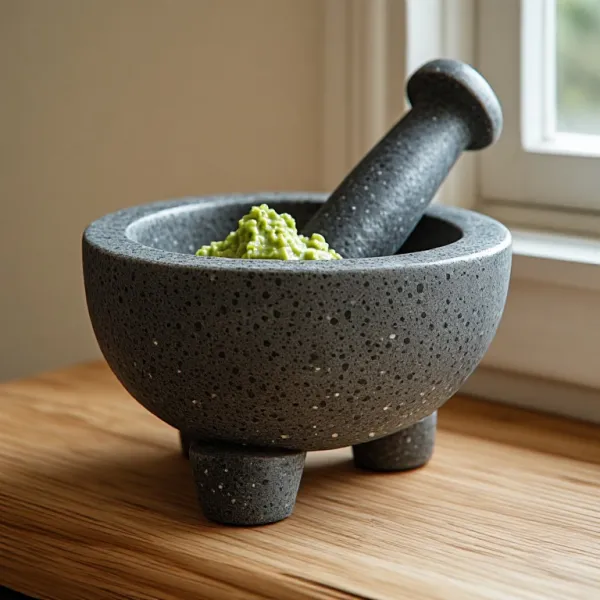
Toast the peppercorns until fragrant, crack them mixed-coarse in a mortar, then cook them in butter in the widest skillet you have. Add 1½ cups of the deliberately starchy pasta water to the pepper-butter and reduce by half — the sauce base is done when it looks thickened and opaque rather than thin and clear.
Cook the pasta in very salty, very starchy water until 2 minutes shy of done. Transfer it directly into the skillet with tongs, add more pasta water, and toss hard over high heat for 4 to 5 minutes. Then the pan comes off the burner. The Pecorino goes in. You toss until it disappears into the sauce rather than sitting on top of it. That’s it.
The dish takes 25 minutes and requires nothing you don’t already own. The technique — particularly the off-heat cheese addition — takes one or two attempts to dial in. The payoff is a plate of pasta that does the thing that makes cacio e pepe worth seeking out: creamy without cream, sharp without being harsh, and finished so quickly it eats like something that took hours.