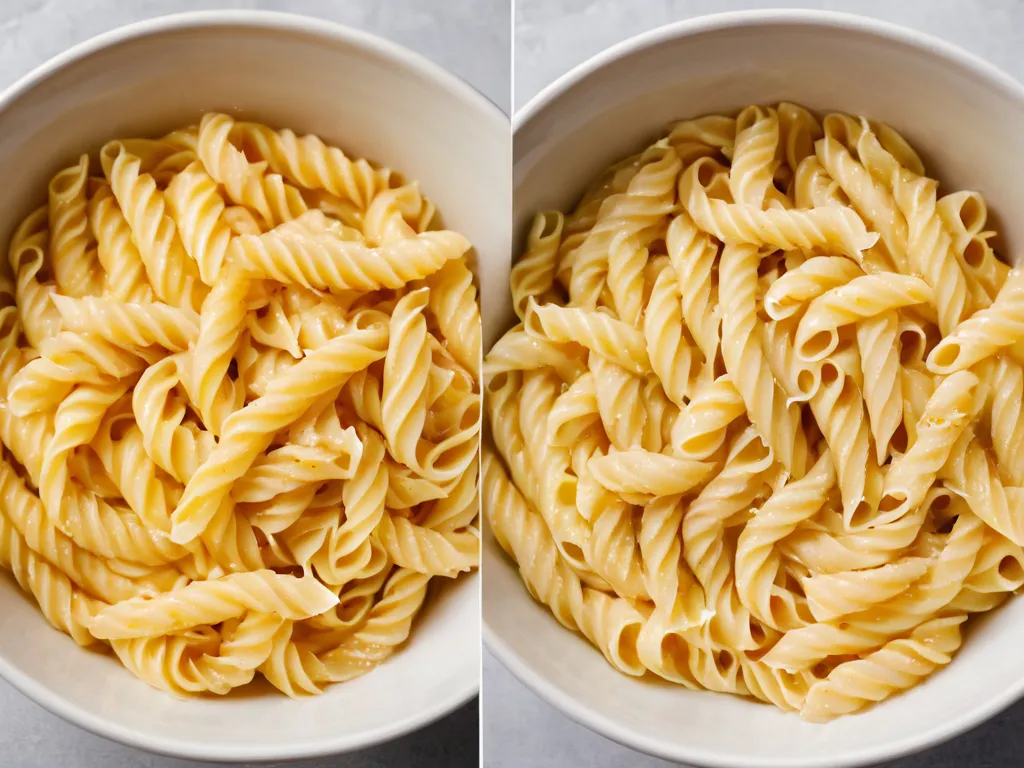
Three ingredients. Fifteen minutes. The result looks like something that costs $22 at an Italian restaurant and requires a decade of cooking experience.
The secret is a technique Italians call mantecatura — vigorous emulsification that transforms butter and starchy pasta water into a glossy sauce that coats every strand. TikTok’s butter pasta trend didn’t invent this. It rediscovered a dish that Roman cooks have been making since at least 1465.
TL;DR
Pull pasta 1 minute early. Reserve 1 cup pasta water — don’t skip this. Swirl cold butter into ½ cup pasta water over low heat until emulsified. Toss pasta in constantly. Add grated Parmesan off heat in two stages. The butter must be cold, the cheese must be freshly grated, and the heat must be low. These are the only three non-negotiable rules.
Where This Dish Actually Comes From
Pasta al burro — pasta with butter — is documented in Italian cooking since the 15th century. Maestro Martino da Como described a pasta prepared with butter and aged cheese in his Libro de Arte Coquinaria around 1465. The preparation has barely changed.
The famous modern version was created by Roman restaurateur Alfredo Di Lelio in 1908. His wife had lost her appetite during pregnancy and he made her a simple fettuccine with extra butter and Parmesan, tossed tableside until the sauce was impossibly creamy. The dish stayed on his Rome menu for nearly two decades before going international.
In 1927, American film stars Douglas Fairbanks and Mary Pickford — Hollywood’s most famous couple at the time — ate at Alfredo’s restaurant in Rome. They loved the dish so much they later gave him a gold fork and spoon engraved “To Alfredo, the King of the Noodles,” and they told everyone they knew back home. Fettuccine Alfredo arrived in America. American restaurants then added heavy cream in the mid-20th century — easier to hold, more stable at scale, but a different dish from the original.
TikTok’s butter pasta is a return to the three-ingredient source: butter, pasta, Parmesan.
The Science of Emulsification
Butter pasta fails in a specific, predictable way: the butter and water separate. Instead of a unified, glossy sauce, you get greasy noodles sitting in a film of butter with stray pasta water. Understanding why this happens makes it easy to prevent.
What pasta water actually does. Pasta water isn’t just hot water — it contains dissolved starch (amylose and amylopectin) that pasta releases during cooking. These starch molecules act as emulsifiers: they form a bridge between the fat molecules in the butter and the water molecules in the sauce, keeping everything in stable suspension. The result is a cream-like texture without any cream.
Why heat matters. Butter is an emulsion in itself — fat droplets suspended in water. Above roughly 150–160°F, that emulsion starts to break and the fat separates. So for butter pasta, you want the heat low enough to melt the butter gradually without exceeding that temperature. Cold butter cubes emulsify more smoothly than warm or melted butter because they release fat incrementally as they dissolve into the pasta water.
The mantecatura. The Italian word for the tableside pasta technique literally translates to something like “buttering” or “creaming.” Vigorous continuous movement — tossing with tongs, swirling the pan — keeps the fat droplets in motion and suspended. Stop moving and the sauce separates. This is why tongs beat a wooden spoon: you need to lift and fold the pasta through the sauce, not stir it.
Butter Selection
For a dish where butter is the flavor, the quality of the butter matters in a way it doesn’t for a bolognese.
American vs. European butter. American butter must contain a minimum of 80% butterfat by FDA regulation; most domestic brands (Land O’Lakes, Challenge, Organic Valley) run right at 80–80.5%. European-style butters are regulated at a minimum of 82% fat — less water content, richer flavor, and slightly better emulsification behavior. At the premium end: Kerrygold (82%, Irish, grass-fed), Plugrá (82%, neutral cultured), Vermont Creamery (86%, cultured), President (82%, French, mild tang). Any of these will produce a noticeably richer result than standard American butter.
Cultured vs. sweet cream. European butters are often cultured — made from cream that has been fermented with lactic acid bacteria before churning. The fermentation produces diacetyl and other compounds that give cultured butter a mild, buttery-forward tang. Sweet cream butter (standard American style, what most people buy) has a cleaner flavor. Both work in this recipe; cultured butter adds a subtle complexity that the minimalism of the dish actually showcases.
Unsalted only. You cannot control the seasoning if the butter is pre-salted. Add salt through the pasta water and at the end — not through the butter.
How to Build the Emulsion
The emulsion happens in the skillet before the pasta goes in. Get this right and the rest is easy:
- Start with a wide 12-inch skillet over low heat.
- Add cold butter cubes and ½ cup of pasta water.
- Swirl the pan — use the pan’s handle, not a tool — continuously as the butter melts.
- When the butter is fully melted and the liquid looks unified (glossy, lightly thickened, not separated), it’s ready.
The test: tilt the pan slightly. A broken emulsion looks like butter floating on water — two clearly separated layers. A proper emulsion looks like a single pale-gold liquid, slightly viscous. If it breaks, add a tablespoon of cold pasta water and swirl faster.
Pasta Shape and Timing
Long, thin shapes. Spaghetti is the most common. Fettuccine is the traditional Italian choice — wider surface area for sauce to cling to. Tagliatelle is excellent. Linguine works. Avoid short shapes for this recipe; butter sauce coats rather than clings, so rigatoni and penne make the sauce pool where you don’t want it.
Pull 1 minute early. The pasta finishes in the sauce. It absorbs liquid and softens slightly while you toss. Start with it genuinely underdone — a real bite of crunch in the center — and it comes out perfectly al dente by the time it hits the bowl.
Reserve water before you drain. Set a measuring cup next to the stove before you drain the pasta. You have roughly 10 seconds of steam-free visibility after lifting the pasta out. Once it’s gone, it’s gone.
Variations
Brown butter butter pasta. Continue cooking the butter after it melts until the milk solids turn golden and smell nutty — 3–4 minutes over medium-low heat. Remove from heat, add the pasta water, and proceed. The toasted milk solids add a deep, nutty, slightly caramel note that makes the dish significantly more complex. Finish with fresh sage leaves fried in the brown butter.
Garlic butter pasta. Slice 3 cloves of garlic thin and sauté them in 1 tablespoon of the butter over medium-low heat until golden and fragrant, 3–4 minutes. Remove the garlic (or leave it in). Add the remaining cold butter and the pasta water, then proceed. The garlic-infused butter permeates every strand.
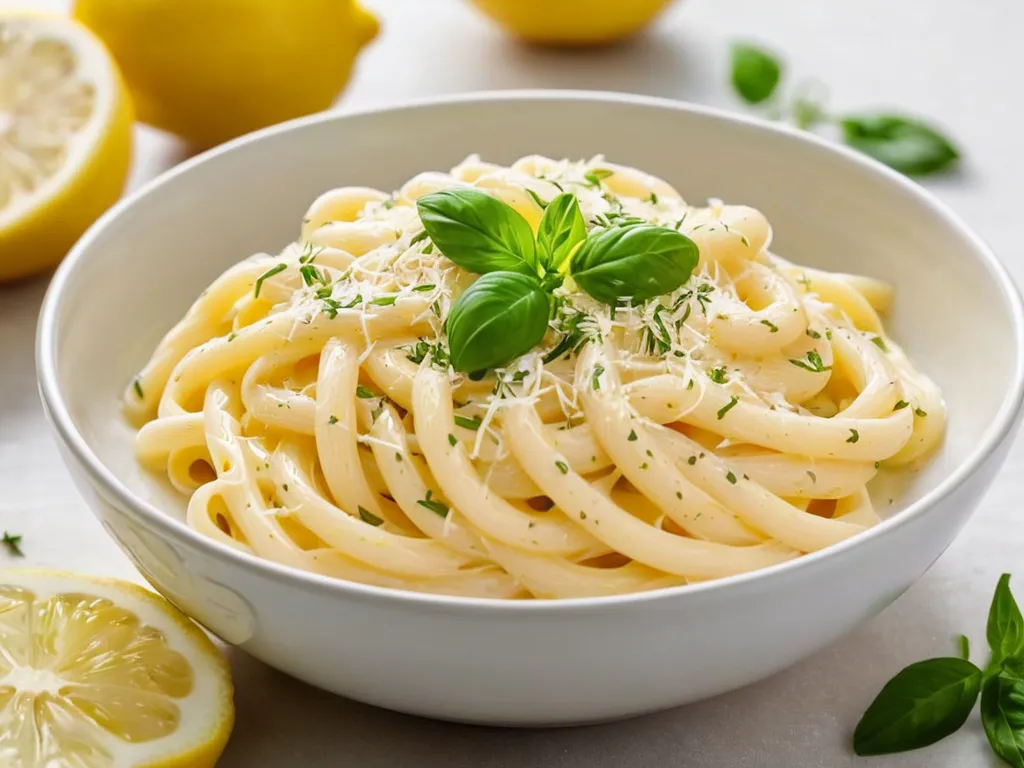
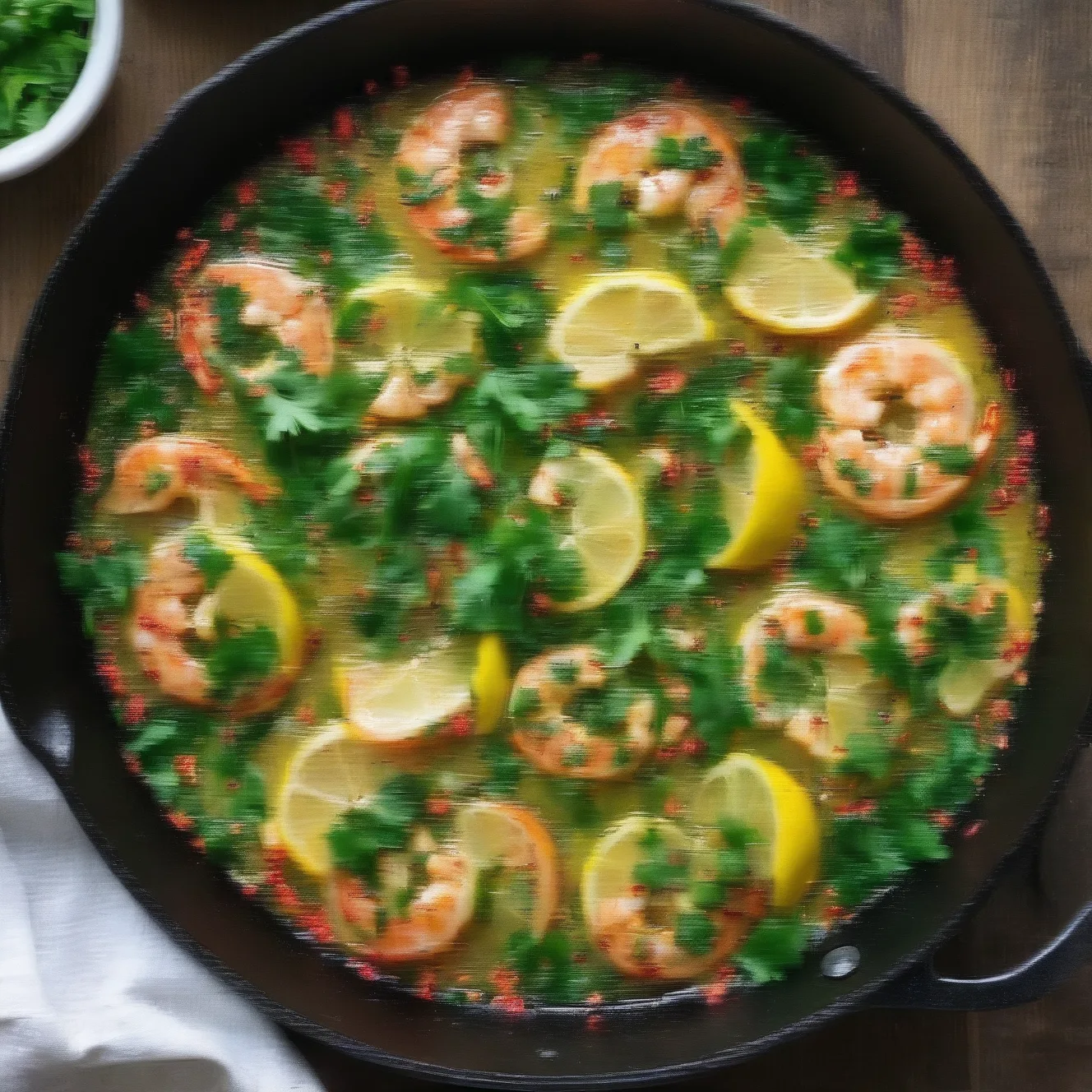
Lemon butter pasta. Add 1 teaspoon of lemon zest and 2 teaspoons of lemon juice to the finished pasta off heat. The acid cuts the richness and brightens the whole dish. Goes particularly well with sautéed shrimp added as a protein.
Miso butter pasta. Whisk ½ teaspoon of white miso paste into the butter before adding the pasta water. Miso is primarily glutamates — it amplifies the umami of the Parmesan without adding a detectable “miso” flavor. A genuinely useful technique for adding depth to a minimal dish.
White truffle butter. Replace 1 tablespoon of butter with 1 tablespoon of truffle butter (Urbani and La Rustichella are widely available and good). The technique is identical. Don’t add garlic or lemon — let the truffle do the work.
Cost and Time
| Restaurant | At home | |
|---|---|---|
| Butter pasta / fettuccine Alfredo | $18–26 | $3–5 total |
| Per serving | $18–26 | $1.50–2.50 |
| Time | ~45 min (wait + cook) | 15 min (start to plate) |
The per-serving cost varies with butter quality: $1.50 with standard American butter, $2.50 with Kerrygold. Either way, this is the rare dish where high-quality ingredients actually lower the total cost compared to a restaurant version.
What to Serve With It
Butter pasta wants a clean contrast. A sharp undressed arugula salad with lemon juice and good olive oil is the classic Italian pairing — the bitterness of the greens cuts the richness of the butter. Garlic bread works well on the side but adds fat on fat, so keep the servings small.
If you want to upgrade this dinner further, the Roman pasta next in complexity is cacio e pepe — the same pasta-water emulsification technique, with Pecorino Romano and black pepper instead of butter. Or go richer with Olive Garden’s fettuccine Alfredo, the cream-sauce American version that takes 20 minutes. For a creamy pasta that goes the other direction — bright, herby, tangy — boursin pasta uses a spreadable cheese instead of Parmesan and comes together even faster.