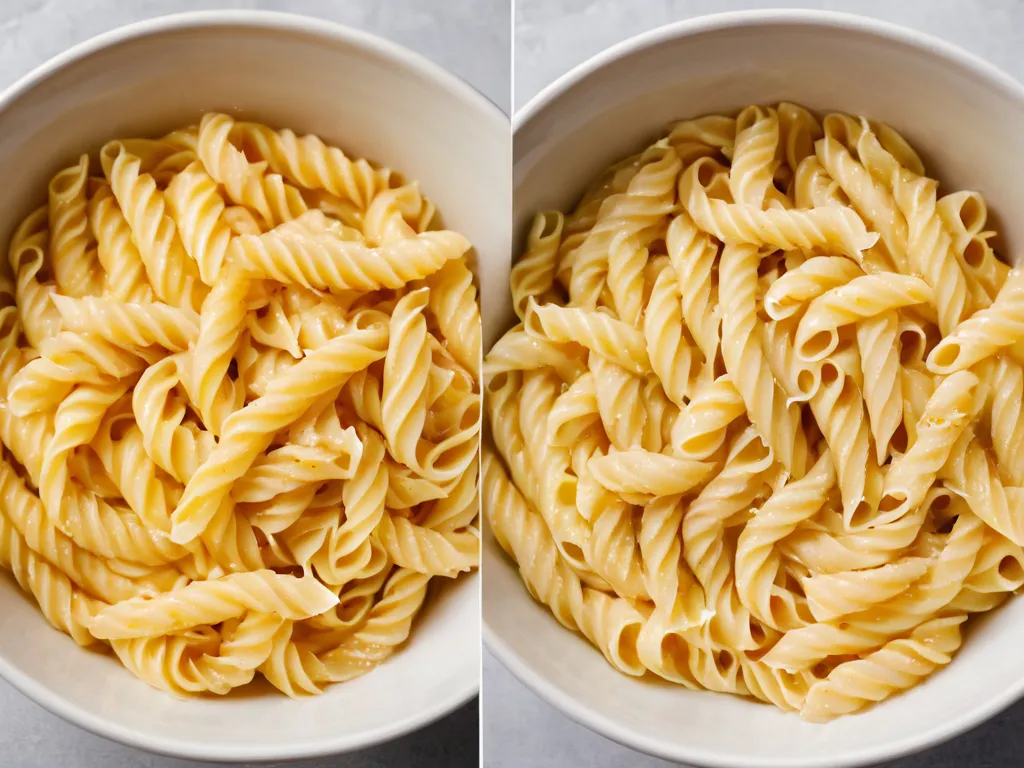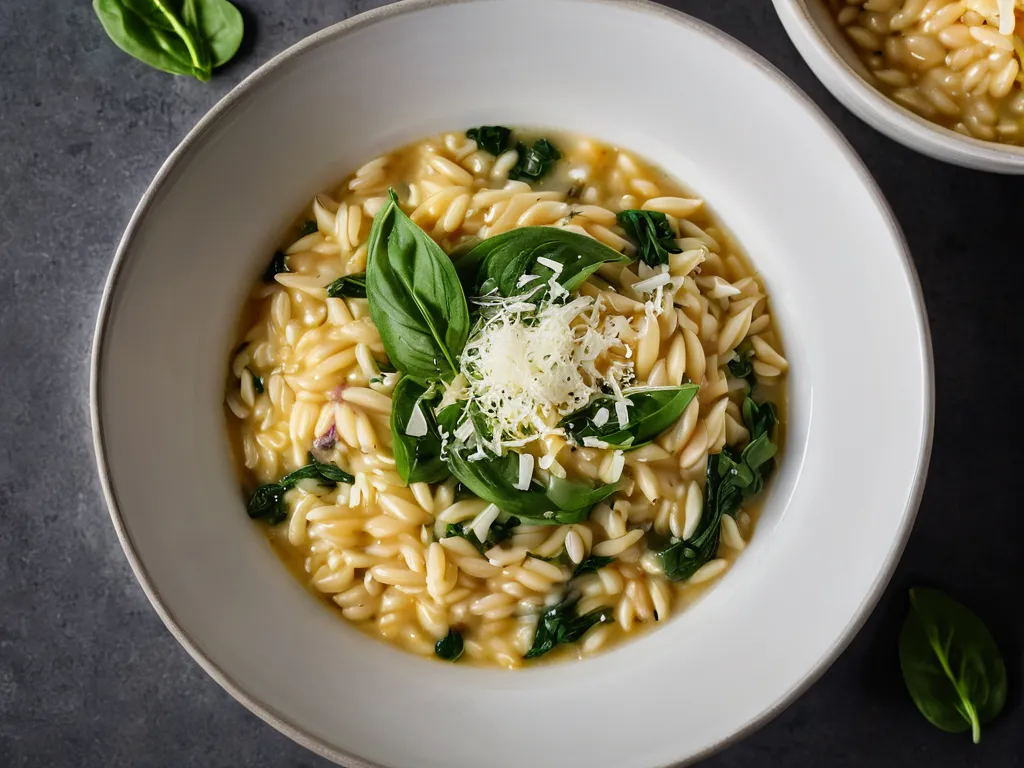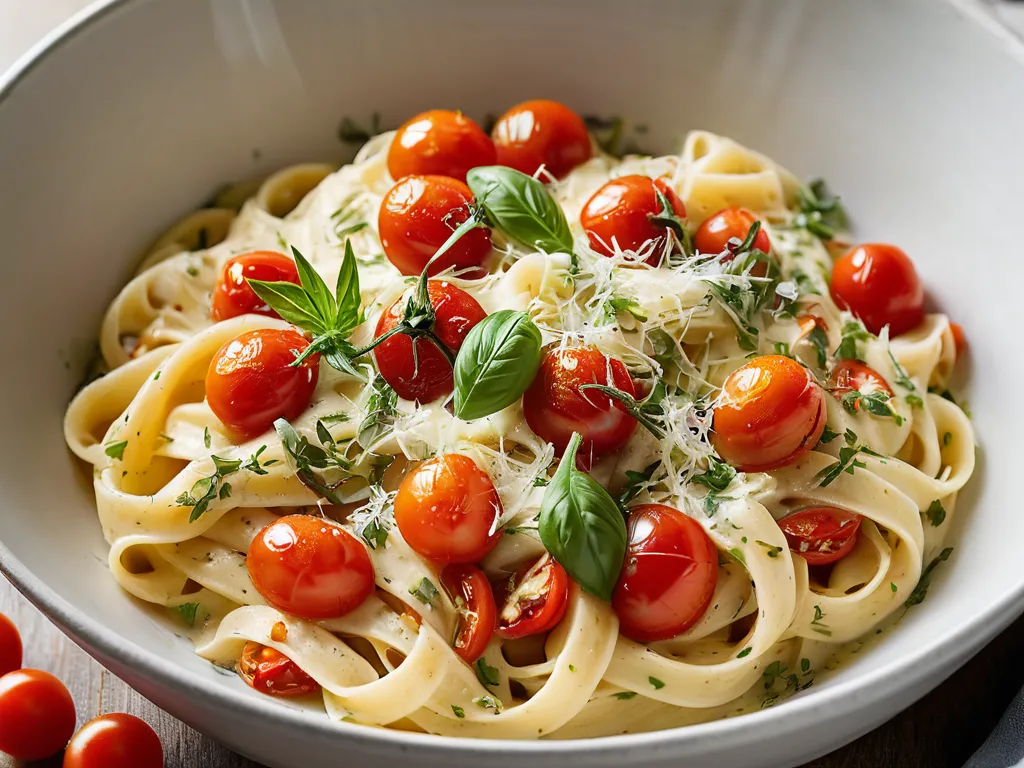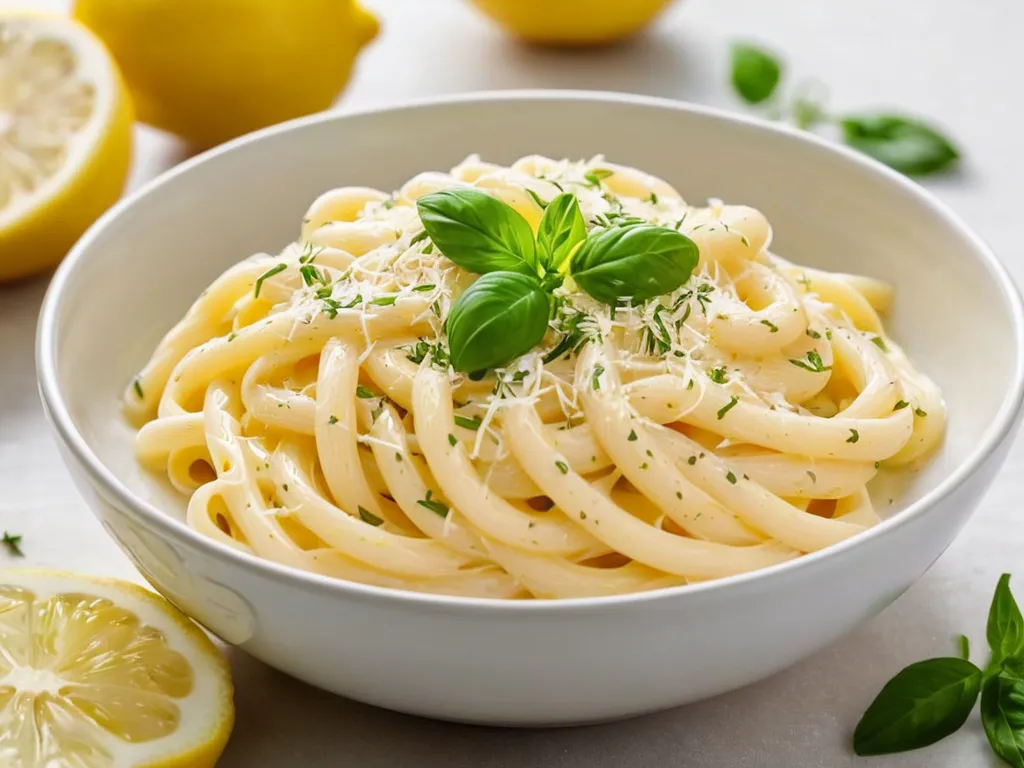
Lemon pasta is older than TikTok by several centuries — pasta al limone is a classic of the Amalfi Coast and Campania region of southern Italy, where lemons have been grown since at least the 11th century. But TikTok sent millions of people to their kitchens to try it, which is a different kind of influence.
The versions that went viral split into two camps: with cream and without. Understanding which is which explains why some home cooks get a silky, restaurant-quality result and others end up with curdled cream and bland noodles.
TL;DR
Add lemon zest early (heat-stable). Add lemon juice off the heat (heat kills brightness and curdles cream). Never rinse the pasta — surface starch is the emulsifier. Reserve a full cup of pasta water. If sauce breaks, cold butter or a splash of pasta water usually rescues it. Use a microplane for the Parmesan or it won’t melt.
Two Viral Versions
Frank Prisinzano’s cream-free version is the one people who know Italian cooking talk about. Prisinzano, the chef behind Lil’ Frankie’s, Frank, and Supper in New York City’s East Village, has been making spaghetti al limone this way for years. The recipe spread on TikTok via creators like @TheShaySpence and later America’s Test Kitchen. It uses only spaghetti, butter, lemon, and Parmesan — no garlic, no cream. The sauce is a pure butter-and-starchy-pasta-water emulsion, built entirely through motion (the spaghetti itself acts as the whisk in the pan) rather than through a cream base. It produces a delicate, almost translucent sauce that coats every strand without weighing the pasta down.
Mammaculinaria’s one-pan version — from Italian creator Claudia Arrabito, who lives in Germany — racked up around 11 million views and is also cream-free, despite looking creamy. Instead of boiling the pasta separately, she lays capellini (angel hair) in a wide skillet and ladles boiling salted water over it a little at a time, so the pasta cooks directly in its own starchy liquid while butter, olive oil, lemon juice, lemon zest, and red pepper flakes emulsify into a glossy sauce as the water reduces. It went viral partly as a “gentle correction” to Emily Mariko’s lemon pasta. Same emulsion principle as Prisinzano, different method.
The heavy-cream version is the popular home shortcut — not the invention of any single creator, but the form most weeknight cooks reach for. Heavy cream adds richness and, just as usefully, stability: it buffers the lemon juice against curdling, which makes the dish far more forgiving than a butter-and-water emulsion. The trade-off is a heavier, more indulgent plate.
All three are legitimate. This article uses the cream version as the primary recipe — it’s the most forgiving and consistent for a home kitchen — and covers Prisinzano’s butter-emulsion technique in its own section below.
The Lemon Science: Zest Versus Juice
This is the most important thing in the recipe.
Lemon zest contains aromatic oils in the outer yellow layer of the peel — primarily limonene and linalool, the compounds that produce the bright, floral citrus scent. These oils are heat-stable. Adding zest to hot butter or warm cream and cooking it briefly actually helps extract and distribute the oils throughout the fat, creating a deeper background lemon flavor. Add half the zest early, in the sauce.
Lemon juice contains citric acid plus volatile aromatic compounds that evaporate rapidly when heated. Cooking lemon juice for more than 30 seconds produces a flat, sour note without the brightness — you get the acid without the lift. Lemon juice added over heat also triggers the curdling problem: citric acid denatures milk proteins, especially at temperatures above 160°F.
Add lemon juice off the heat. Toss immediately so it emulsifies into the sauce rather than pooling and hitting the cream directly. Add the remaining zest at the same time for a double-citrus finish.
Why Pasta Water Is Not Optional
Pasta water contains dissolved starch from the cooking pasta. That starch acts as an emulsifier — it binds fat molecules (butter, cream) to water molecules, creating a stable, glossy sauce that clings to the noodles rather than sliding off or separating into a puddle of grease.
In practice: every time you add a splash of pasta water and toss, you’re introducing more starch and more kinetic energy, both of which strengthen the emulsion. A tablespoon at a time is the right cadence — you’re building sauce texture, not thinning it.
Reserve at least a cup before draining. You won’t use all of it, but running out mid-sauce is one of the more frustrating cooking experiences.
What happens if you rinse the pasta: the rinse water washes off the surface starch — the starch you’ve been building into the cooking water and that also coats every noodle. Rinsed pasta won’t emulsify with the sauce. It slides, pools grease, and tastes under-seasoned. Never rinse pasta you’re finishing in a sauce.
Why Cream Curdles (And How to Stop It)
Heavy cream is more stable than milk or half-and-half under acid because its higher fat content (36%+) physically buffers the protein molecules from the citric acid in lemon juice. But it still curdles if you add cold lemon juice directly to boiling cream, or if you cook the juice in the sauce for more than a few seconds.
Prevention:
- Use heavy cream, not light cream, half-and-half, or milk.
- Bring cream to a gentle simmer before adding pasta water, then reduce heat before adding lemon.
- Add lemon juice off the heat.
- Toss constantly — motion disperses the acid throughout the sauce rather than letting it pool and concentrate in one spot.
If slight curdling happens anyway: remove from heat, add a small piece of cold butter, and whisk or toss vigorously. The cold fat re-emulsifies the sauce in most cases.
The Cream-Free Version (Prisinzano Technique)
This is harder to execute but produces a lighter, more elegant result:
- Pull pasta from the boiling water 2 minutes before fully cooked using tongs — do not drain, and keep the pasta water at a simmer.
- In a wide skillet or large bowl over very low heat, add a generous ladle of hot, starchy pasta water.
- Add cold butter in small pieces and swirl the pan constantly. The butter should melt gradually into the water — not bubble and separate. The liquid should look slightly creamy, not clear.
- Drop in the pasta and toss continuously with tongs. The tossing builds the emulsion; stopping for even 30 seconds lets it break.
- Add lemon juice and half the zest. Continue tossing. Add more pasta water by the tablespoon as needed — the sauce should coat the pasta in a thin, glossy layer, not pool at the bottom.
- Add Parmesan finely grated on a microplane (coarse grate clumps). Toss to incorporate off the heat.
- Serve immediately on warmed plates. The sauce is temperature-sensitive: cold ceramic re-solidifies the butter emulsion within a minute.
The keys are: low heat, cold butter (it melts gradually instead of separating), constant motion, and pre-warmed plates.
The Parmesan Problem
Pre-grated Parmesan and anything coarsely grated will clump in a hot sauce rather than melting smoothly into it. Pre-grated cheese contains cellulose (an anti-caking agent) that interferes with melting. Coarsely grated cheese has too much mass to melt quickly, so it sits in the sauce as rubbery lumps.
A microplane is the right tool. The cheese comes off as fine, almost powdery shreds that melt almost instantly into the hot pasta. If you don’t have a microplane, the finest side of a box grater is the next best option.
Add Parmesan off the heat, always. Parmesan proteins start tightening and clumping above 160°F if added directly; the residual heat in pasta is sufficient to melt the fine-grated cheese without the problem.
Variations
Lemon shrimp pasta: The most popular TikTok spin-off. Cook shrimp (peeled, deveined, patted dry) in butter for 2 minutes per side before building the sauce in the same pan. Remove the shrimp, make the sauce, and add the shrimp back at the end so they don’t overcook. A full protein addition without changing the flavor profile.
With capers: Add 2 tablespoons of drained capers to the butter before the garlic. They add a briny, slightly funky dimension that pulls the dish closer to a puttanesca profile while keeping the lemon as the headline flavor.
Spring version: Blanch thin asparagus spears for 90 seconds in the same pasta water, remove, then cook the pasta. Add the asparagus back to the sauce just before plating — the lemon and asparagus is a classic pairing, and using the pasta water keeps cleanup to one pot.
One-pot version: The TikTok simplification. Cook pasta in a minimal amount of water so the starch concentrates heavily. Add butter, lemon zest, and a small amount of lemon juice directly to the nearly-drained pasta (leaving an inch of water in the pot), and toss over low heat. Less precise than the two-pot method but a genuine weeknight shortcut.
What to Serve With It
Lemon pasta is already richly flavored, so restraint is right for the sides.
Protein: Grilled or pan-seared salmon (the lemon affinity is direct), simple roast chicken, or shrimp cooked in the same pan. A fried egg on top works surprisingly well.
Vegetables: A simple arugula salad with just olive oil and shaved Parmesan (the peppery bite balances the cream), roasted asparagus, or steamed broccolini. Avoid anything with a competing strong flavor profile.
Bread: Crusty bread for catching the sauce is traditional and appropriate. Nothing fancier needed.
For more cream-sauce pastas, the copycat Olive Garden chicken alfredo uses the same emulsification-with-pasta-water technique in a richer format. The TikTok boursin pasta is the closest flavor-profile cousin — herbed cream cheese instead of Parmesan, similar brightness. For a classic Roman pasta without cream, the cacio e pepe guide covers the same butter-and-water emulsification technique in full.