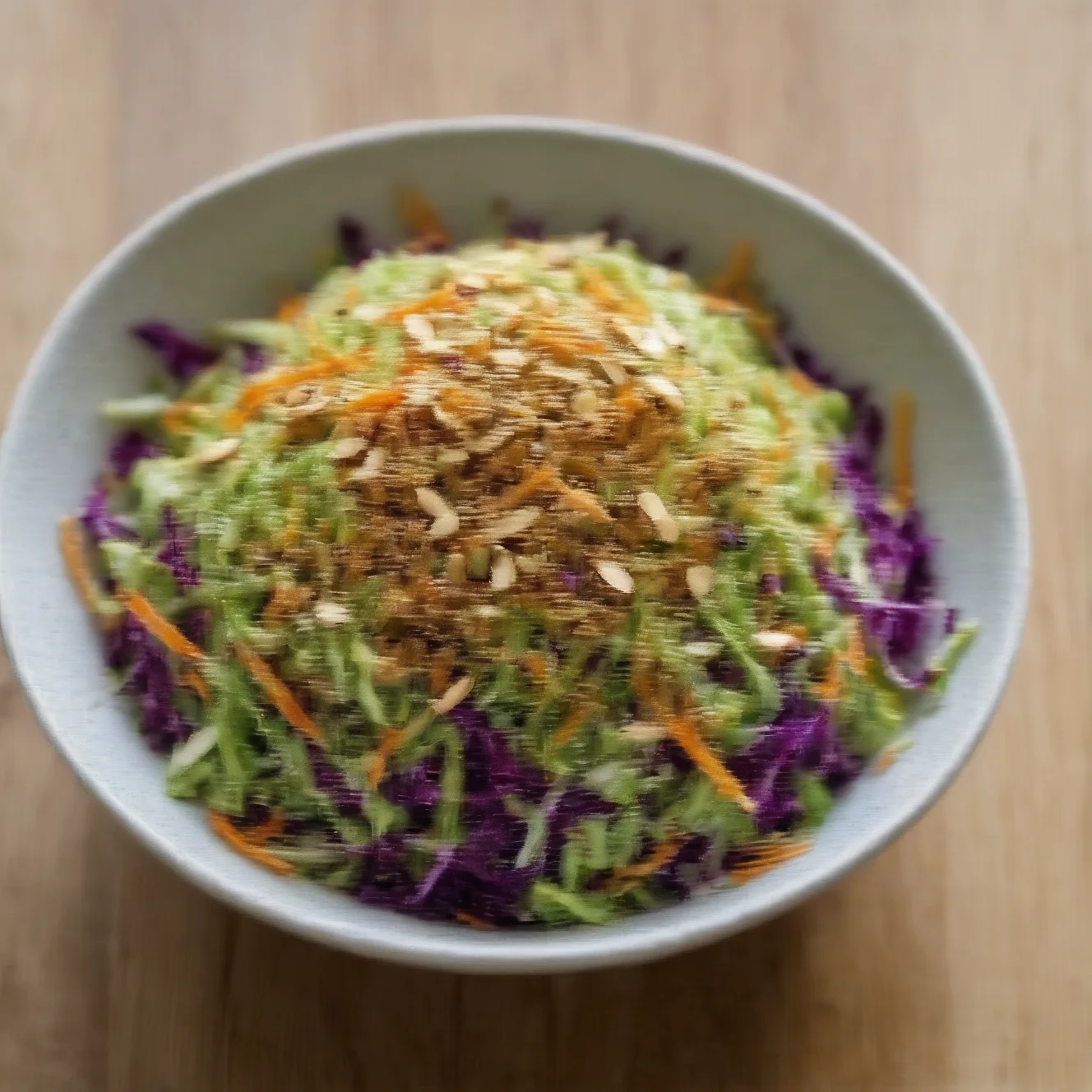
Every church potluck cookbook from the 1980s has a version of this salad. But most of them skip two steps that make it extraordinary — and TikTok figured out at least one of them.
The first thing TikTok got right: the crunch moment. Crushing the ramen noodles in the bag, dropping them into the salad, and hearing that snap when you take a bite — it’s textural ASMR and the reason hundreds of millions of people suddenly cared about a dish that had been sitting in spiral-bound fundraiser cookbooks for decades.
The second thing — the step most TikTok videos skip — is the butter-toasting method. Melting a tablespoon of butter in a skillet and toasting the crushed noodles until golden brings out a nutty richness you don’t get from adding them straight from the bag. It’s the difference between crunchy and crunchy-and-complex.
This guide covers both, plus the make-ahead logistics that actually let you bring this to a gathering without the noodles going soggy on the drive over.
TL;DR
Toast crushed ramen in 1 tablespoon of butter for 3–4 minutes until golden. Toast almonds dry. Toss coleslaw mix and green onions. Whisk the dressing. Combine everything RIGHT before serving — the noodles lose their crunch within 30–60 minutes of dressing contact. Add the ramen at the table, not at home.
Where This Salad Comes From
The crunchy ramen salad predates TikTok by about 40 years. It shows up in church cookbooks, Junior League recipe collections, and community fundraiser compilations throughout the 1980s and 1990s under names like “Chinese Chicken Salad,” “Napa Cabbage Salad,” and “Oriental Noodle Slaw.” The combo of raw ramen noodles + cabbage + sesame dressing was already a potluck standard before most current TikTok food creators were born.
The TikTok resurgence started around 2021–2023, when the salad’s visual recipe — the crunch sound, the cabbage toss, the before/after of people’s grandmothers claiming their recipe was the original — made it a comments-section phenomenon. The most common reaction in every video was some version of: “My grandma has been making this for 30 years.”
No single TikTok creator originated the trend. It spread organically across hundreds of accounts before the algorithm caught the crunch moment and amplified it.
The Butter-Toast Method: Why It Matters
The version most people make adds the ramen noodles straight from the bag — crushed, raw, untoasted. They’re crunchy. They work. But they taste like… dry ramen.
The upgrade: melt one tablespoon of unsalted butter in a skillet, add the crushed noodles, and stir for 3–4 minutes over medium heat until they turn golden brown and smell like toasted grain. The butter’s milk solids create Maillard browning on the exterior of each noodle piece. The result is a crunchy topping that also tastes like something — nutty, rich, with a depth that complements the sesame dressing instead of just adding texture.
The rules:
- Medium heat, not high. High heat burns the exterior before the interior has time to color evenly.
- Stir every 60 seconds. The noodles in contact with the pan brown faster than the ones on top.
- Transfer immediately. The noodles continue cooking from residual heat in the pan. Pull them a shade before you think they’re done.
- Cool completely before adding. Warm noodles release steam that softens the adjacent cabbage.
Dry-toasting (no butter) also works and is slightly lighter calorically. But butter-toasted noodles are noticeably better.
The Dressing: Ratios and the Seasoning Packet Question
The sesame-rice vinegar dressing follows a standard vinaigrette ratio (roughly 1:1 acid to oil) with sweetness and umami layered in:
| Ingredient | Amount | Role |
|---|---|---|
| Rice vinegar | 1/4 cup | Bright, clean acid (not wine vinegar — more neutral) |
| Vegetable oil | 3 tablespoons | Fat base |
| Soy sauce | 1.5 tablespoons | Salt + umami |
| Sugar | 1 tablespoon | Sweet balance for the acid |
| Toasted sesame oil | 1 teaspoon | Aromatic — accent only, not the base |
| Ground ginger | 1/2 teaspoon | Warmth |
| Garlic powder | 1/4 teaspoon | Savory depth |
The dressing should taste tangy-forward with savory support — not oily, not sweet. Whisk it 30 seconds before dressing the salad; the sugar settles quickly.
The seasoning packet question: Many popular versions add half the ramen seasoning packet to the dressing. It works — the packet contributes salt, MSG, and umami depth that’s genuinely hard to replicate with just soy sauce. If you use it: reduce soy sauce to 1 tablespoon (the packet is already salty), and taste before salting further. If you’re watching sodium or want a cleaner ingredient list, skip it. The dressing is good either way.
The Cabbage: Coleslaw Mix vs. Fresh Shredded
A 14-ounce bag of coleslaw mix is the fastest route and the most authentic to the original potluck recipe. It contains shredded green cabbage, shredded red cabbage, and shredded carrots — all of which work in this salad.
If you want better texture and a fresher flavor: shred 4 cups of napa cabbage (more tender and mild) and 2 cups of red cabbage (for color and bite). Napa cabbage holds up better under dressing and has a slightly sweeter taste than regular green cabbage. Either way, pat or spin the cabbage dry before adding the dressing — water on the leaves dilutes it.
The base salad (cabbage + green onions, undressed) keeps in the refrigerator for up to 3 days. This is the make-ahead secret.
Make-Ahead Instructions
This is the most important section for anyone bringing this to a gathering:
- Dress the base early if you want. The cabbage-onion base can be tossed with the dressing 1–2 hours ahead — cabbage is sturdy enough to handle it without going limp. If you’re making it 3 days ahead, store the cabbage undressed and dress it the day before.
- Keep the ramen in its package until you’re ready to serve. Toasted ramen goes in a sealed airtight container if you’ve toasted it ahead (keeps up to 3 days).
- Add ramen at the table, not at home. This is the rule. The noodles absorb dressing quickly and go from crunchy to pleasantly chewy to soggy within 30–60 minutes. Put the container of ramen in your bag, toss when you arrive.
Variations Worth Making
With Rotisserie Chicken: The most popular version. Shred 2 cups of rotisserie chicken (warm or cold) and add it to the dressed salad just before serving. Takes the protein from ~9g to ~21g per serving and turns a side dish into a lunch.
With Mandarin Oranges: A classic addition in church cookbook versions — drain one can of Mandarin orange segments and fold them in with the dressed salad. The citrus sweetness cuts through the soy-sesame richness and pairs well with almonds. Don’t skip the drain step; the packing liquid dilutes the dressing.
With Edamame: Add 1 cup of shelled, thawed frozen edamame to the salad base. Adds about 3g protein per serving, a mild sweetness, and good color contrast. This version works well as a meal-prep protein source.
Sunflower Seed Version: Swap sliced almonds for 1/2 cup roasted sunflower seeds (unsalted). Stays crunchy longer under dressing, nut-free for allergy situations, slightly earthier flavor.
Ginger-Peanut Version: Add 2 tablespoons of natural peanut butter to the dressing (whisk it in well), reduce oil by 1 tablespoon, and add 1 teaspoon of fresh grated ginger in place of the powder. Top with chopped roasted peanuts instead of almonds. This version reads more like a peanut noodle salad and is excellent with cucumber strips added to the base.
What to Serve Alongside
This salad works as a side to almost anything grilled. It’s the default pairing at potlucks for grilled chicken or burgers, but it also works against rich mains — the bright vinegar cuts through fatty meats the way a slaw would. For a full Asian-themed spread, pair it with PF Chang’s Chicken Lettuce Wraps or Honey Walnut Shrimp.
If you’re building an appetizer spread, this holds well on a buffet table better than green salads. It’s also the rare potluck dish that doesn’t need to be kept warm. See also Applebee’s Oriental Chicken Salad for the restaurant-style version with crispy cornflake-breaded chicken, and Chick-fil-A Coleslaw for another cabbage-forward salad worth making at home.
Cost Breakdown
| Option | Cost | Servings |
|---|---|---|
| This recipe (no chicken) | ~$5.50 | 6 |
| This recipe (with rotisserie chicken) | ~$10.00 | 6 |
| Store-bought Asian salad kit | ~$5.75 | 2–3 |
| Restaurant Asian chicken salad | $14–18 | 1 |
The bagged coleslaw kit (~$2.50), one ramen packet ($0.25), sliced almonds ($1.50), and pantry dressing ingredients ($1.25) is genuinely one of the most cost-efficient things you can bring to a gathering of 6 people.