


Pin It

Homemade Chili Crisp — The Viral Condiment Everyone's Making

Homemade Chili Crisp — The Viral Condiment Everyone's Making
Jump to Recipe
Prep 10 min Cook 15 min Serves 16
Quick answer: Fry garlic and shallot slowly in oil until golden-crispy, let the oil cool slightly, pour it over chili flakes to bloom them, add soy sauce and fish sauce for umami. Makes a better condiment than Lao Gan Ma in 20 minutes.

Shop the tools

Gear matched to this recipe. These are Amazon affiliate links — we may earn a small commission if you buy, at no extra cost to you.

As an Amazon Associate, Copycat Spices earns from qualifying purchases. Product images are generic illustrations, not the exact item listed.

Homemade Chili Crisp — The Viral Condiment Everyone's Making

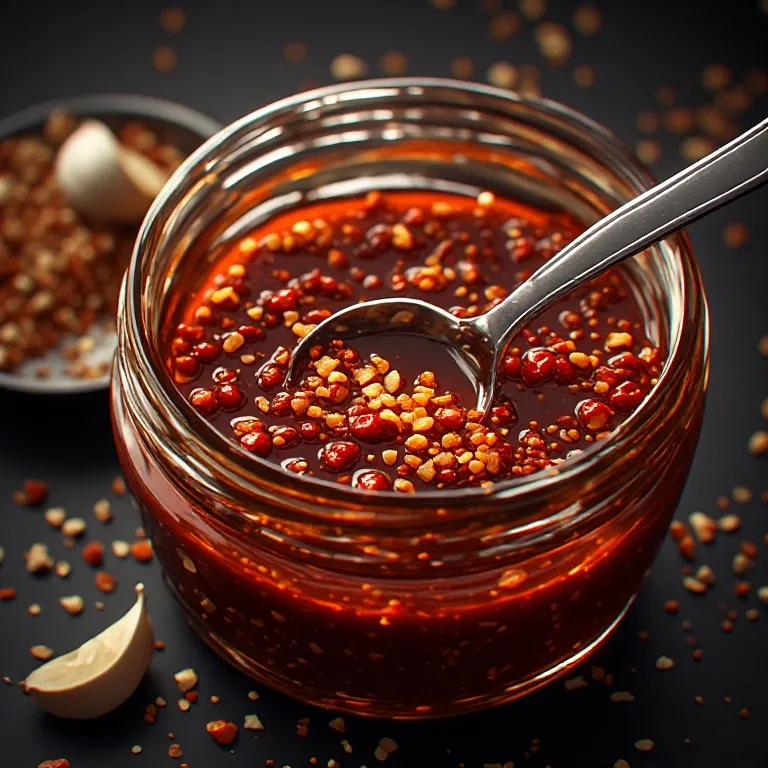
Make the internet's most-loved spicy, crunchy, umami-loaded chili oil at home in 20 minutes. Better than Lao Gan Ma and endlessly customizable.

Easy Prep: 10 min Cook: 15 min Total: 25 min16 servings ~$4.20/serving
Prep10 min
Cook15 min
Total25 min
Servings
16
At home~$4.20/serving
vs
Restaurant~$18.90/serving
You save ~78%

The Story Behind the Recipe

Make the internet's most-loved spicy, crunchy, umami-loaded chili oil at home in 20 minutes. Better than Lao Gan Ma and endlessly customizable.

Nutrition Facts

Per serving (16 servings)
Calories85
Total Fat9g
Total Carbs2g
Dietary Fiber0g
Sugars1g
Protein1g
Sodium95mg

* Estimated values based on standard recipe preparation. Actual values may vary.

Ingredients

Instructions

💡
Pro tip: This recipe tastes even better the next day. The flavors need time to meld together in the fridge.
❄️
Storage: Keeps in an airtight container in the fridge for up to 2 weeks. Freezer-friendly for up to 3 months.
🎃 Free Halloween cookbook — download now The Copycat Halloween Cookbook A ready-made, photo-illustrated PDF of our best halloween copycat recipes — free to download, no building required. Pay what you want to support if you love it.

Free PDF — instant download. We'll also send new seasonal copycat recipes now and then; unsubscribe anytime. Or just download it →

Homemade Chili Crisp — The Condiment That Broke the Internet

Lao Gan Ma put chili crisp on the map. TikTok turned it into a movement. Sometime around 2022, food creators started making their own versions at home and documenting that crimson oil bubbling up over pepper flakes in slow motion — and a generation of home cooks discovered that a condiment they’d been buying for $5 at Asian grocery stores was something they could make themselves, better, in 20 minutes.

Chili crisp occupies a unique position in the condiment world. It’s simultaneously spicy, savory, nutty, fragrant, and textural. It has heat but also sweetness. It has crunch but also richness. Almost nothing else in a Western pantry does all of those things at once, which is why food writers started calling it “umami bombs” and why it ended up on eggs, pizza, pasta, ice cream (yes, really), and every other surface TikTok could find.

What Makes Chili Crisp Different From Chili Oil

Chili oil is simple: neutral oil infused with dried peppers. You heat them together, you get fragrant orange-red oil. It’s delicious and has a thousand applications.

Chili crisp is something more. The “crisp” refers to textural elements — fried garlic, fried shallot, sesame seeds — suspended in the oil alongside the bloomed pepper flakes. But the bigger distinction is the savory depth: soy sauce, fish sauce, MSG. These are umami builders that transform the condiment from a heat delivery mechanism into something with genuine complexity. The umami compounds interact with the fat-soluble aromatics from the peppers to create flavor combinations that neither element could produce alone.

Commercially, Lao Gan Ma’s Spicy Chili Crisp is the gold standard. The homemade version doesn’t replace it — it extends the idea, letting you tune the heat level, crisp-to-oil ratio, and aromatic profile to your preferences.

The Oil Temperature Is the Whole Game

The most technically important moment in making chili crisp is also the most visually dramatic: pouring the hot oil over the pepper flakes. This is the “blooming” process — the hot fat extracts oil-soluble flavor and color compounds from the dried peppers almost instantaneously.

The problem is that oil temperature is critical. At 300°F or above, the hot oil hits dried pepper flakes and scorches them, producing acrid, bitter compounds. At below 200°F, the bloom is incomplete — you extract some color but not the full aromatic depth. The sweet spot is 220–250°F: hot enough for a vigorous sizzle and full extraction, cool enough that you’re not burning the peppers.

After frying the garlic and shallot, remove them, then let the oil cool for 2–3 minutes before pouring. If you have a thermometer, confirm it’s in the right range. If you don’t, test with a single pepper flake: it should sizzle actively but not smoke immediately.

Building Your Pepper Base

Gochugaru is the key ingredient that most home recipes use as a primary base. It’s a Korean coarse-ground pepper with fruity, slightly sweet heat and a vivid red color that creates the iconic crimson oil you see in every video. Standard supermarket crushed red pepper is sharper and more acrid — use it as a heat supplement, not a base.

Sichuan chili flakes, if you can find them, add a different dimension of heat — one that tingles rather than burns. Combined with Sichuan peppercorns (which create the mouth-numbing ma la sensation), they move your chili crisp from Korean-influenced toward the Sichuan mala profile of the original Lao Gan Ma.

The ratio is flexible. More gochugaru = more color, moderate heat, fruity flavor. More crushed flakes = more heat. More Sichuan pepper = more numbing tingle. Adjust to what you want and write it down when you get it right — your own recipe is worth more than any standard version.

Common Mistakes That Produce Bitter Results

Garlic and shallot too dark. The window between golden and bitter is narrow — stop at deep amber, not dark brown. The bits will continue to darken slightly after you remove them from the oil due to residual heat.

Oil too hot for the pour. Wait the full 2–3 minutes after removing the alliums. If the oil is smoking, it’s too hot.

Using pre-ground garlic powder instead of fresh. The fried garlic and shallot bits are the textural heart of chili crisp. Powder produces no crunch and burns faster in the oil.

Not letting it rest. Chili crisp made an hour ago is good. Chili crisp made the day before is significantly better. The flavors meld, the salt and umami penetrate deeper into the crispy bits, and the oil picks up more aromatic depth. Make a jar on Sunday and it’ll be extraordinary by Monday.
🥗

Make It Healthier

Love Homemade Chili Crisp — The Viral Condiment Everyone's Making but want a lighter version? Try these simple swaps:

  • ✓Use in small amounts as a flavor intensifier — 1 tsp on eggs or noodles is enough to transform a dish
  • ✓Skip the fish sauce and replace with extra mushroom soy for a fully vegan version with zero flavor compromise
  • ✓Reduce the oil quantity and increase the dried pepper ratio for a thicker, less caloric crisp
  • ✓The crispy garlic and shallot bits provide fiber and plant compounds — don't skip them to save calories

Frequently Asked Questions

What's the difference between chili oil and chili crisp?

Chili oil is primarily infused oil with pepper heat and color. Chili crisp includes textural elements — crispy fried alliums, sesame seeds — plus umami-building ingredients like soy sauce and fish sauce. Chili crisp is more complex, more textured, and more versatile as a condiment.

Why gochugaru specifically instead of regular red pepper flakes?

Gochugaru (Korean red pepper flakes) has a fruity, slightly sweet heat and a vivid red color that produces the beautiful crimson oil you see in viral videos. Regular crushed red pepper is hotter and more acrid. Most TikTok recipes use gochugaru as the primary base with crushed flakes added for additional heat.

My chili crisp came out bitter. What went wrong?

Either the garlic/shallot went past golden to dark brown, or the oil was too hot when it hit the pepper flakes. Dark brown alliums are bitter. Oil above 300°F scorches dried peppers instantly. Both mistakes produce bitterness. Start with lower heat and stay patient.

What do I put chili crisp on?

The list is nearly infinite: fried eggs, avocado toast, noodles, dumplings, rice, pizza, pasta, grilled fish, roasted vegetables, hummus, yogurt dips, grain bowls, sandwiches. The running joke on TikTok is that chili crisp makes everything better, and it's not really a joke.

Love this recipe? Share it!

Free PDF: our 12 most-wanted copycat recipes — instant download.

Made it? Buy us a coffee

Every recipe here is free, with no paywalls. If this one was a hit at your table, a small tip keeps new copycats coming.

$

Ratings & Reviews

—
No ratings yet

Rate this recipe

Click a star to rate

Leave a Review

0/500

CS

Copycat Spices Editorial

Researched + fact-checked. Every recipe on Copycat Spices is built from published sources — official ingredient lists, brand-published recipes, interviews and food-science references — and fact-checked before it goes live, then written as clear, step-by-step instructions for home cooks of all skill levels.

Learn more about our mission →