

Garlic Parmesan Compound Butter — The Kitchen Hack That Makes Everything Taste Professional
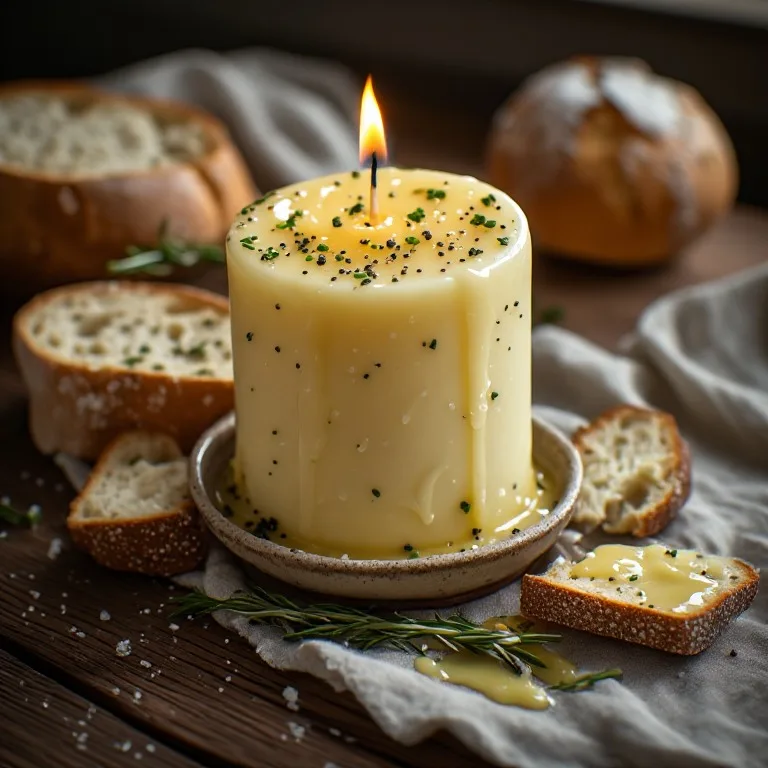
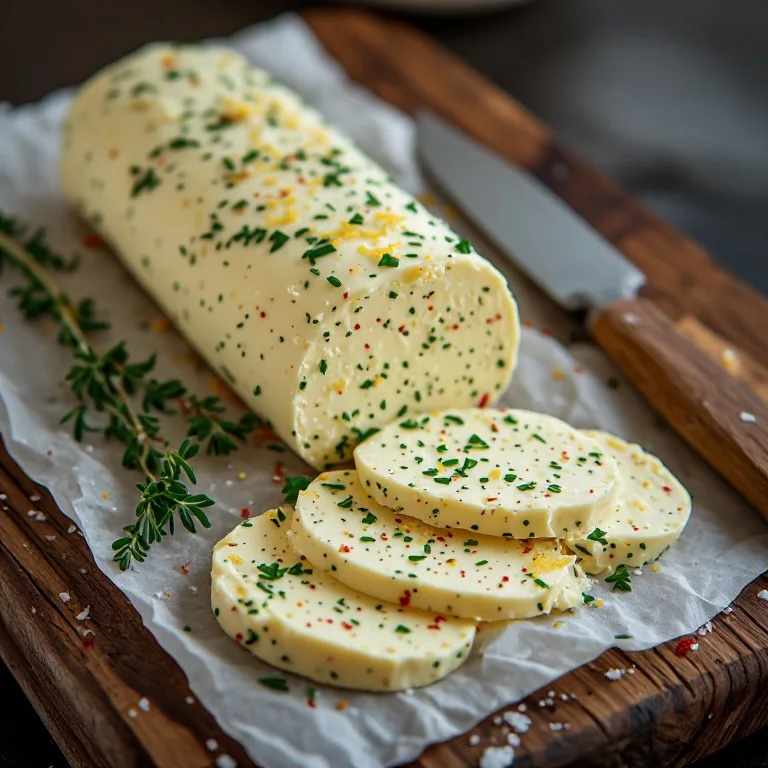
Compound butter is one of the oldest professional kitchen techniques in French cooking, and one of the most underused by home cooks. The concept is simple: mix flavor elements into softened butter, roll it into a log, refrigerate, and slice off portions to finish dishes. The result is a complete seasoning system — fat, salt, aromatics, and acid — that melts into a glossy, luxurious sauce the moment it touches hot food.
TikTok cooking accounts have been making compound butter videos for years, and they trend reliably because the transformation is visual and immediate. A round of butter hits the top of a resting steak and melts into a pool of golden, herb-flecked richness that coats everything. It looks like a $60 steakhouse finishing touch. It costs pennies and takes 15 minutes of active work.
Why Roasted Garlic (and Only Roasted Garlic) Works Here
Raw garlic in butter is aggressive and polarizing. The sulfur compounds that give raw garlic its sharpness — primarily allicin, formed when the clove is cut or crushed — are volatile and harsh. In a compound butter that’s refrigerated for a week, those compounds infuse the entire log with a pungency that intensifies over time.
Roasting transforms garlic chemistry almost entirely. The high, sustained heat (400°F for 45 minutes) converts the harsh sulfur compounds into dozens of new, milder molecules. The starches in the garlic convert to sugars, which caramelize. The result is a clove that tastes sweet, nutty, almost like roasted chestnuts, with none of the sharpness of raw.
Roasted garlic squeezed from its skin forms a smooth paste that incorporates into butter without lumps. Raw minced garlic, however finely chopped, creates textural irregularity. The paste texture is why this works as well as it does.
The Parmesan Question: Why Freshly Grated Only
The difference between freshly grated Parmigiano-Reggiano and pre-grated parmesan from a shaker is enormous in this application. Pre-grated parmesan contains cellulose powder (an anti-caking agent) that prevents clumping in the container but also prevents smooth incorporation into fat. Mixed into butter, it produces a grainy, slightly sandy texture.
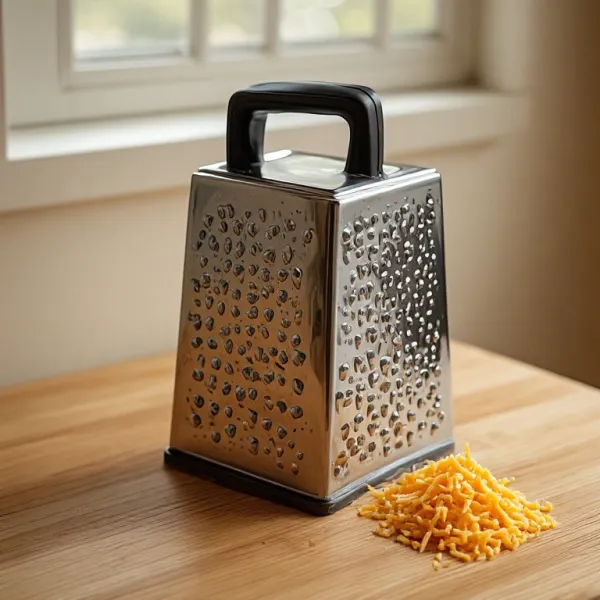
Freshly grated parmesan on a Microplane produces fine, fluffy shreds of pure cheese that melt into softened butter almost instantly. The umami compounds (glutamates) in the parmesan bond with the fat, distributing savory depth through the entire log. Every slice off the compound butter log carries that deep, salty, savory punch.
Parmigiano-Reggiano specifically is worth the premium in this preparation because its 24-month minimum aging means glutamate concentrations are dramatically higher than younger parmesan substitutes. The flavor is more complex and more saturating of the butter.
The Acid: Why Lemon Makes It Work
Butter is rich. Parmesan is rich. Roasted garlic is rich. Without something bright to cut through that richness, compound butter can taste heavy and one-dimensional — luxurious for the first bite, cloying by the second.
Lemon zest and a small amount of lemon juice provide brightness through citric acid and aromatic limonene compounds in the zest. The acid doesn’t make the butter taste sour — you’ll use too little for that. It makes the richness feel clean and light rather than heavy. This is the same principle behind squeezing lemon on fried fish, or why a good vinaigrette transforms salad.
If you don’t have lemon, a teaspoon of good white wine vinegar or even a tiny amount of sherry vinegar achieves the same effect. The critical element is some acid — don’t skip it.
The Versatility: Where to Use This
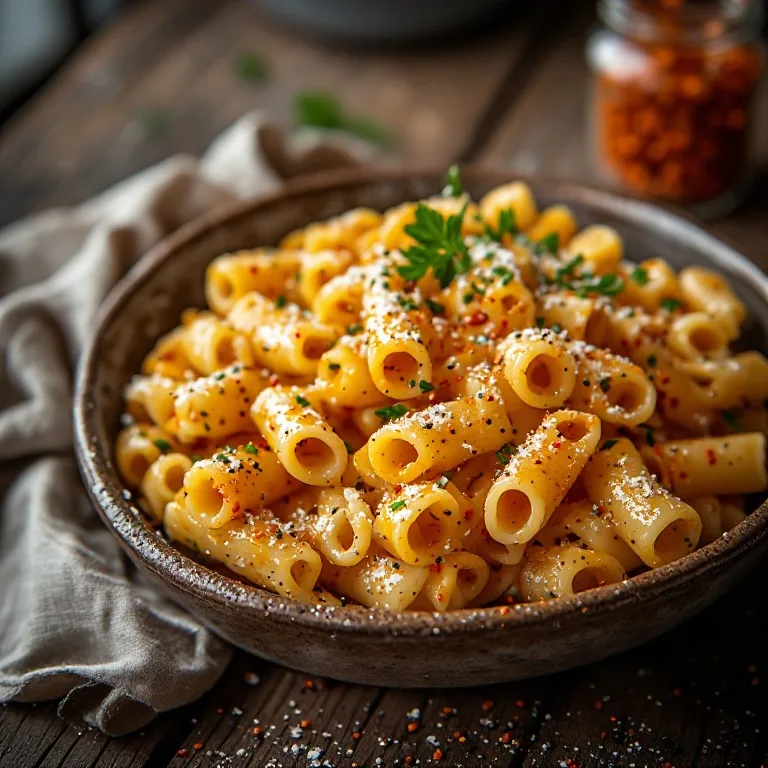
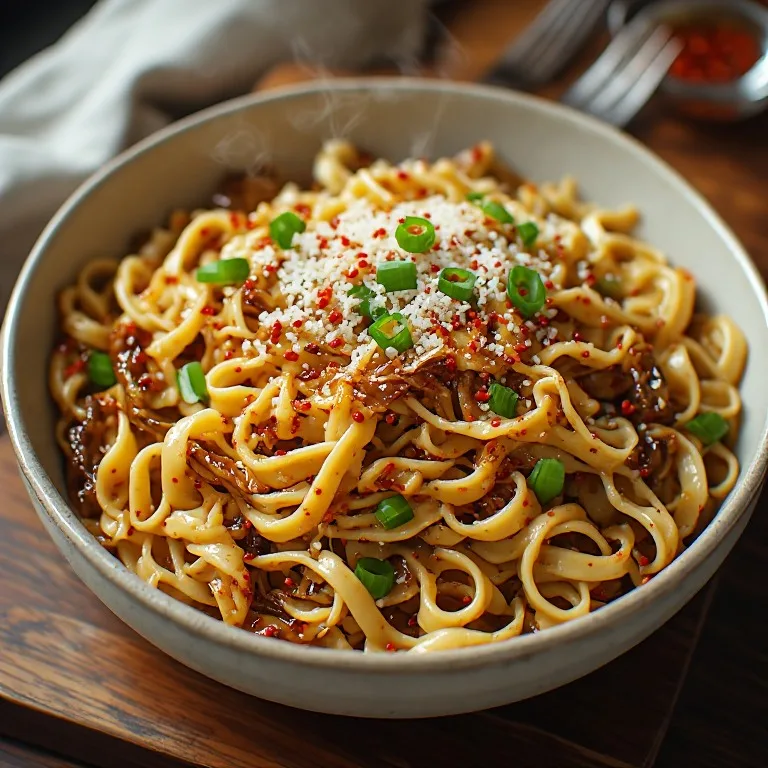
The list of applications is nearly unlimited. The classics: on a resting steak (slide 2 medallions on while it rests, let them melt over the crust). On pasta (toss with al dente pasta and a splash of starchy pasta water for an instant aglio e olio-style sauce). On bread (slice thickly onto warm, crusty bread).
Less obvious: tossed with roasted broccoli or cauliflower after they come out of the oven. Melted into mashed potatoes instead of plain butter. On grilled fish (especially salmon and halibut). Spread under the skin of a chicken before roasting. Swirled into risotto at the finish instead of butter for an enriched, complex mantecare.
The highest-ROI application might be the simplest: a medallion on a baked potato. The butter melts into every crevice and makes a baked potato taste like restaurant food for the cost of five minutes of prep.
Keep a log in your freezer. You’ll use it constantly.