
Homemade Pizza Rolls — No More Bag
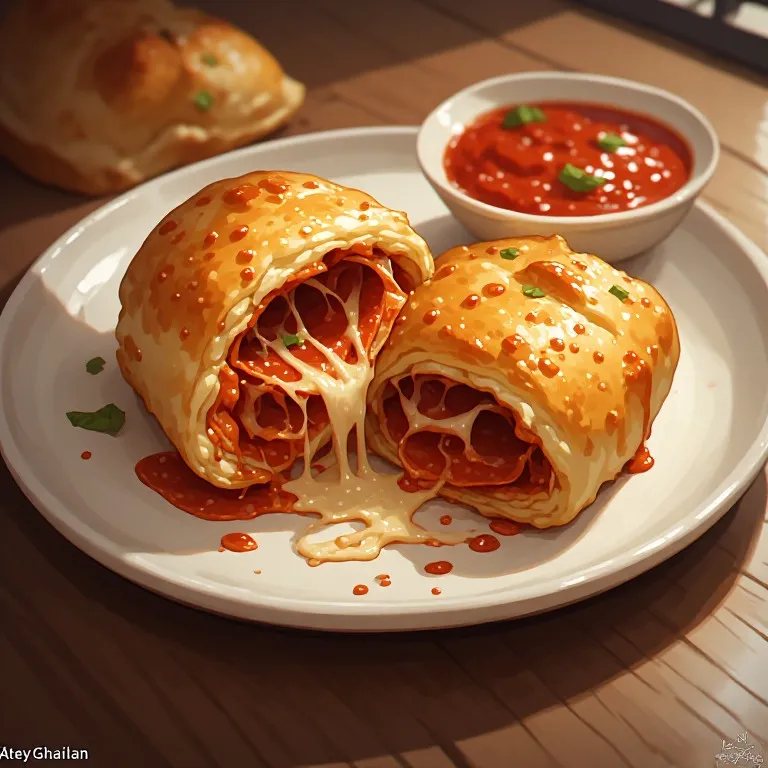
There’s a specific craving that pizza rolls fulfill that actual pizza doesn’t quite reach — the ratio of chewy dough to gooey cheese to crispy exterior is dialed in differently, and you can eat twelve of them before you register that you’ve started. The TikTok-famous homemade version takes that craving and elevates it: real pizza dough, whole milk mozzarella, actual sauce with flavor, and a garlic butter finish that makes them smell like a pizzeria.
Why Homemade Wins
Frozen pizza rolls have a particular problem: the filling is mostly starch, with cheese and “meat product” in supporting roles. Homemade rolls flip the ratio — you control how much mozzarella goes in (a lot), what kind of pepperoni (real ones, or mini pepperoni that brown at the edges), and whether the dough tastes like bread or like paper.
The other advantage: the roll-and-slice technique naturally creates a swirl pattern. When you cut through the log, you can see the spiral of sauce, cheese, and filling in the cross-section. Baked, those layers puff and separate slightly, creating pockets of melted cheese at the edges. Every bite has dough, sauce, and cheese in every proportion. This is what TikTok creators kept zooming in on — that swirl, that pull, that first bite where the cheese stretches.
The Dough Temperature Secret
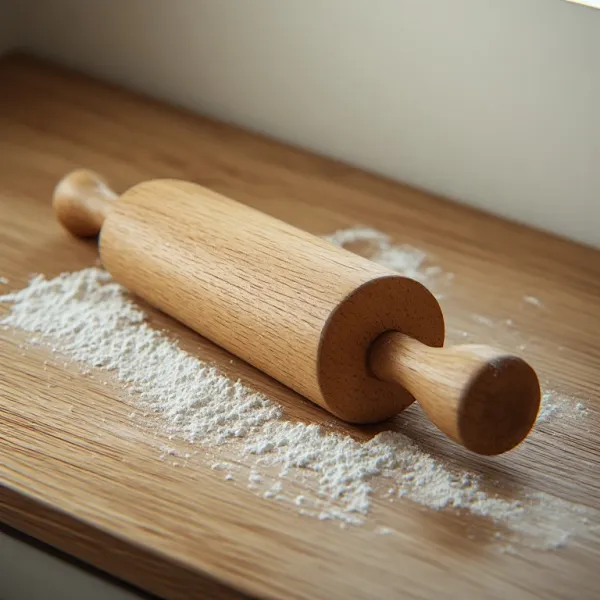
This recipe has one rule above all others: do not roll cold dough. Pizza dough is a living thing (there’s yeast in there) and when it’s cold, the gluten is tight and elastic. Roll it cold and it snaps back to its original shape every time you put the rolling pin down, making it nearly impossible to get thin and flat.
Thirty minutes on the counter makes the dough pliable and cooperative. An hour is even better. When you push your finger into it, it should indent without resistance and not spring back immediately.
Seasoning the Inside
Most pizza roll recipes season only the exterior. The upgrade is seasoning the dough itself: garlic powder and Italian seasoning dusted across the surface before the sauce goes on. Those dried spices toast slightly against the hot dough during baking and flavor every bite, not just the filling. Red pepper flakes in the interior add a building heat that the cheese and dough soften into something just spicy enough.
The Garlic Butter Finish
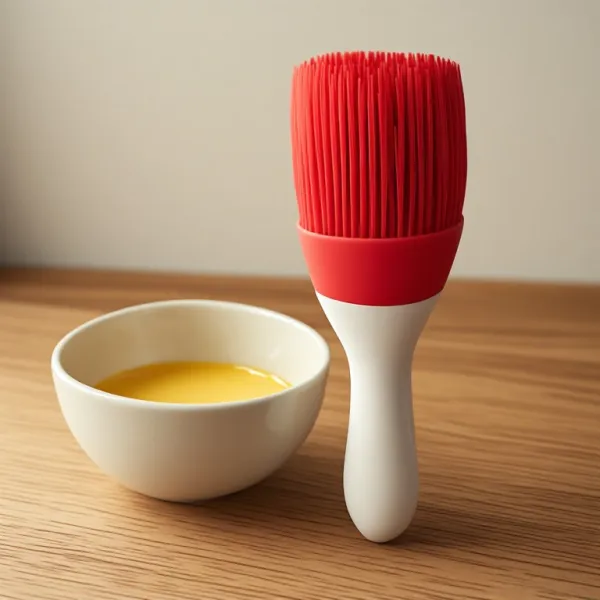
Do not skip this step. Straight from the oven, while the rolls are still steaming, brush them with garlic butter. The heat opens the crust slightly and the butter soaks in rather than sitting on top. Parsley adds color and a fresh note that cuts the richness. This is the step that makes people ask “what bakery did you get these from?”
Party and Game Day Setup
Make two full batches — 48 rolls — for a party of 8. Keep one batch warm in a 200°F oven while the other cools enough to eat. Serve in a cast iron skillet with marinara in a bowl in the center for a dramatic platter presentation.
Label them if you’re making multiple fillings — it’s confusing otherwise and allergen-aware guests will appreciate it.
Variations
Four Cheese: Replace pepperoni with equal parts mozzarella, provolone, fontina, and parmesan. The extra fat content from multiple cheeses creates an even more dramatic pull. Add fresh basil after baking.
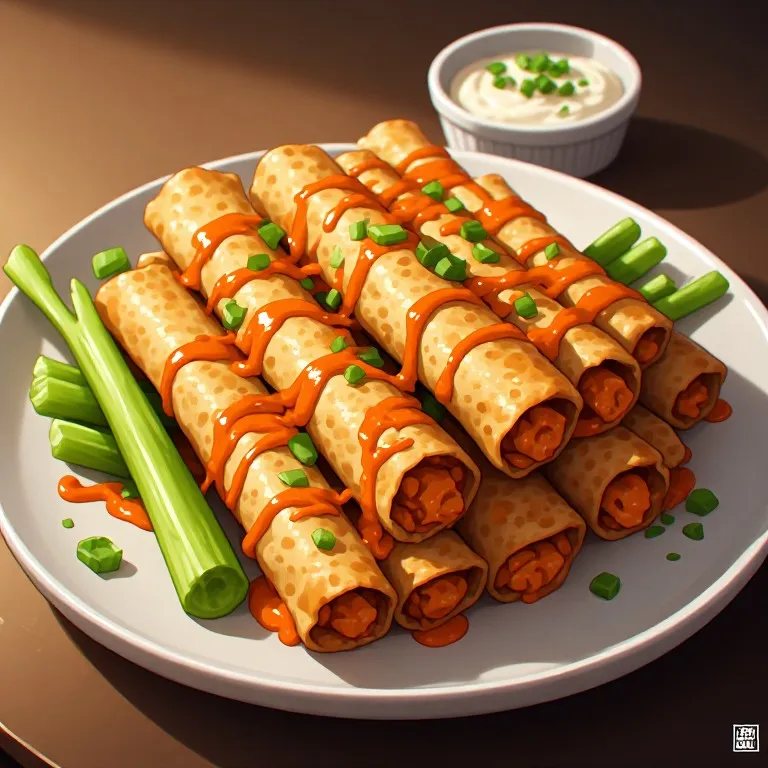
Buffalo Chicken: Use buffalo sauce instead of pizza sauce, shredded rotisserie chicken, and a mix of mozzarella and crumbled blue cheese. Drizzle with extra buffalo sauce and ranch after baking.
Breakfast Pizza Rolls: Scrambled eggs, crumbled cooked sausage, cheddar, and a thin smear of white gravy instead of pizza sauce. Bake at 400°F (lower temp because eggs dry out at high heat).