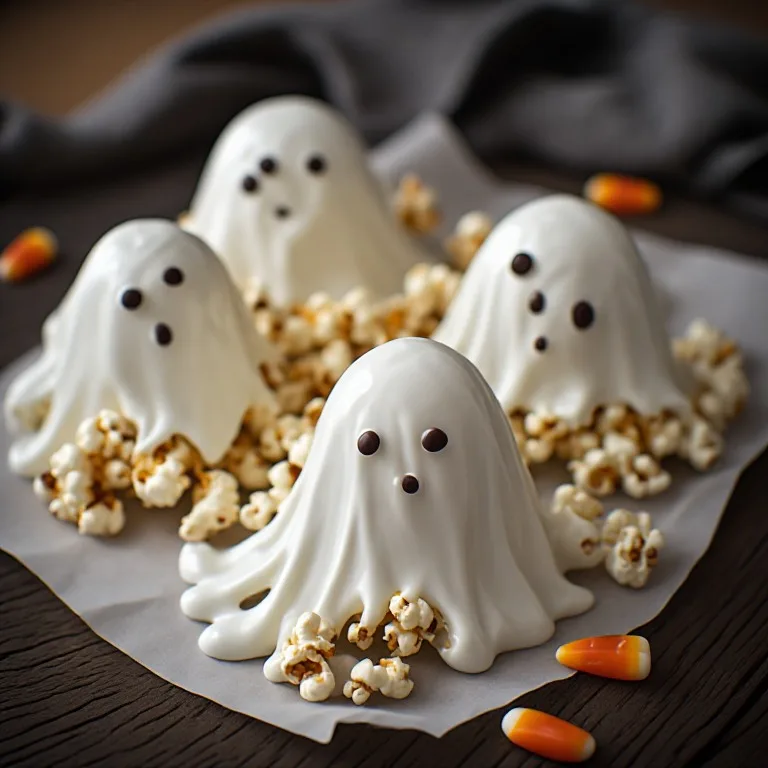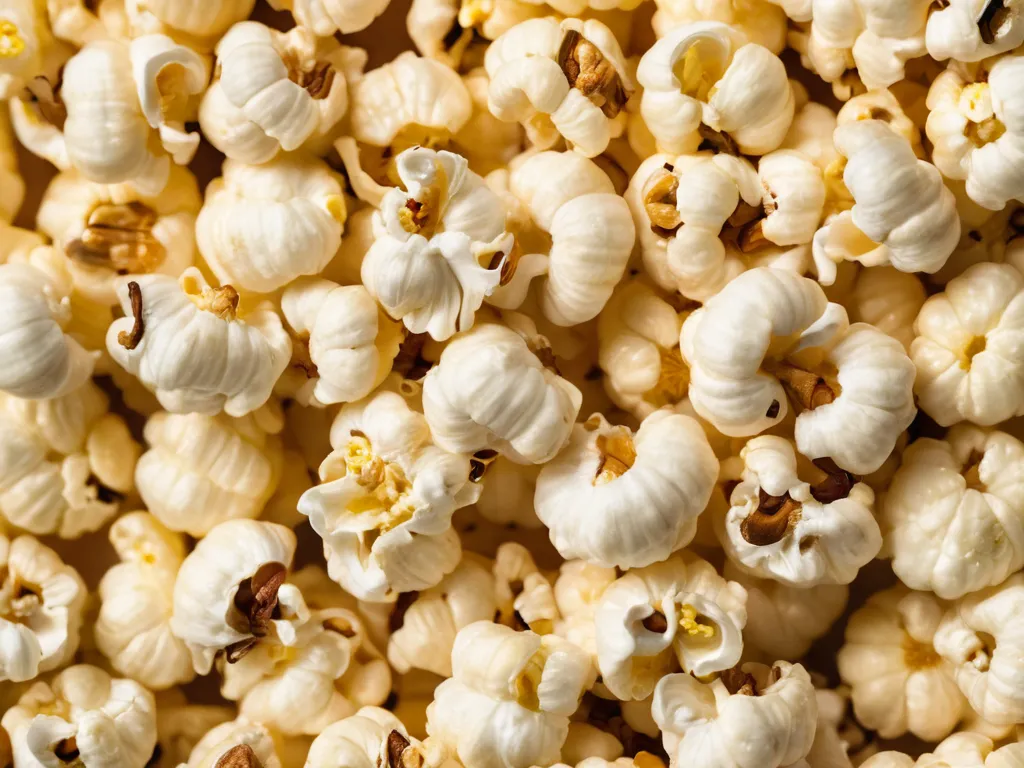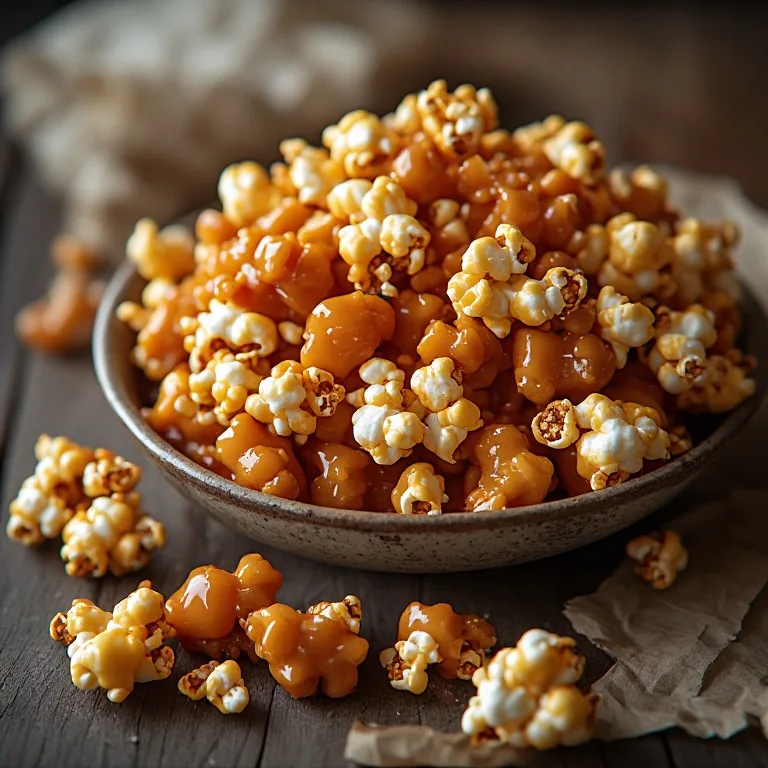



The viral TikTok caramel popcorn method proves that you do not need a candy thermometer, specialty equipment, or professional training to make the kind of shatteringly crispy caramel popcorn clusters that cost $12 a bag at gourmet popcorn shops. One saucepan, four pantry ingredients, a 4-minute boil, and one secret step is all it takes.
That secret step is the baking soda. Pull the caramel off heat after exactly 4 minutes, stir in 1/2 teaspoon of baking soda, and watch it foam. Those CO2 bubbles aerate the hot caramel into a lighter, more porous coating that clings to every kernel and sets with a snap rather than cementing into a single sticky mass. Skip the baking soda and you get adequate caramel popcorn. Add it and you get the clusters that stop people mid-bite and ask for the recipe.
The Two Versions: Baked vs. No-Bake
The choice comes down to what you need the caramel popcorn to do:
Baked (recommended for parties and gifting): The coated popcorn goes into a 250°F oven for 45 minutes, stirred every 15 minutes. The low-and-slow heat evaporates the residual moisture from the butter and corn syrup, setting the caramel into a dry, shatteringly crisp shell that lasts up to 2 weeks in a sealed container. This is what every gourmet popcorn shop sells. It’s also the version that ships in treat bags for Halloween, holiday gifting, or school parties without turning into a sticky mass.
No-bake (for immediate eating): Skip the oven entirely. Let the coated popcorn cool on parchment for 20–30 minutes and eat while still chewy. The texture is closer to a caramel apple coating: pleasantly sticky, slightly stretchy, deeply caramel-forward. It must be eaten the same day — humidity from the air makes it soggy within 24 hours.
The Exact 4-Minute Boil — Why It Works
The boiling stage is where home cooks typically go wrong in one of two directions: undercooking (soft, chewy caramel that never crisps) or overcooking (bitter, crystallized caramel). The candy-thermometer target is soft-crack stage, 270–290°F. At the ingredient ratios in this recipe (2:1 sugar-to-butter ratio with corn syrup), a vigorous rolling boil for 4 minutes at sea level consistently hits that window. No thermometer required.
At altitudes above 3,500 feet, water boils at a lower temperature, so the same 4 minutes will undershoot soft-crack. Add 1 extra minute for every 1,000 feet above 3,500 feet (so 5 minutes at 4,500 feet, 6 minutes at 5,500 feet).
The Corn Syrup Rule
Light corn syrup is a glucose syrup (not high-fructose corn syrup, and not technically an “invert sugar”). Its glucose molecules physically get between the sucrose molecules in the table and brown sugar, blocking them from linking up into crystals as the mixture cools. Without it, the caramel can turn grainy — you’ll see white crystalline patches in the coating where the sugar reformed. It does not make the recipe taste like corn syrup. If you genuinely cannot use it, golden syrup is a 1:1 replacement with nearly identical behavior (and a mild buttery note of its own). Honey — which actually is an invert sugar — works too but adds a distinct floral flavor.