


The Bar Appetizer That Became a Skillet Pasta
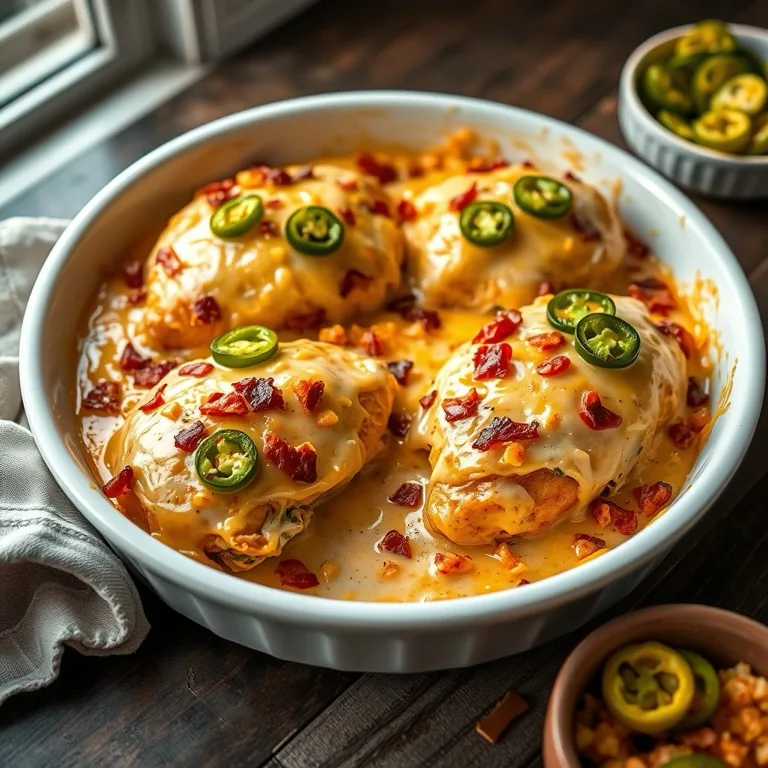
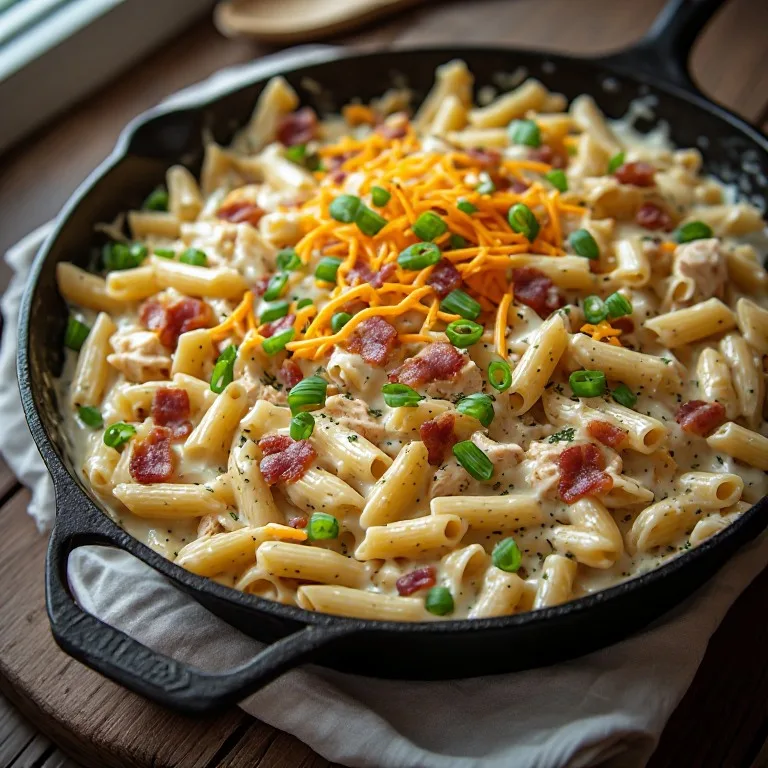
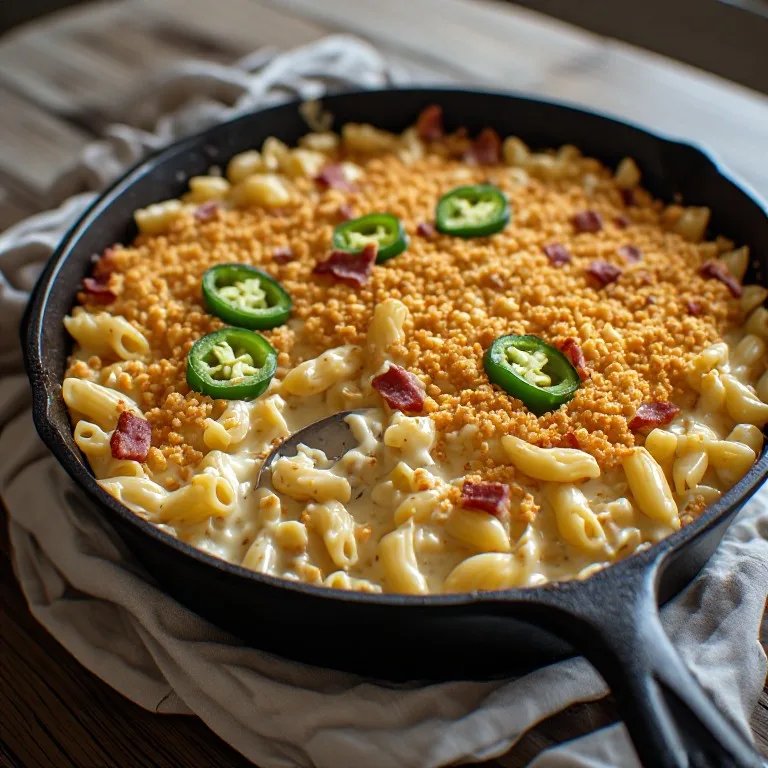
Jalapeño poppers work because of contrast. The pepper is hot; the cream cheese filling is cool and tangy; the cheddar is sharp; the breaded exterior is crispy. Remove any one of those and the whole thing collapses as a concept. The TikTok pasta version doesn’t remove any of them — it just reorganizes them. Cream cheese and cheddar become the sauce. The bacon that would wrap the popper gets rendered and crisped into pieces that go through the pasta and on top. The panko that would coat the popper goes on as a baked crust. The jalapeños stay jalapeños.
That’s the full logic of the dish: take the flavor blueprint of a jalapeño popper and apply it to a pasta format, without losing the contrast that makes the original work.
The Cream Cheese Sauce — Two Rules
The sauce is a cream-cheese béchamel hybrid, and it breaks under the same conditions. Two rules that prevent it:
Rule one: room-temperature cream cheese. Cold cream cheese does not melt uniformly — it melts in patches and leaves lumps. Set the block out 30 minutes before you start. Cut it into 1-inch cubes so it melts in 2 minutes instead of 5.
Rule two: medium-low heat when you add the cheese. Boiling cream cheese causes the fat to separate from the proteins. Bring the broth and cream to a simmer, then lower the heat to medium-low before adding the cream cheese. Whisk steadily. The sauce comes together quickly once the temperature is right. After it’s smooth, pull the pan off the heat entirely before stirring in the cheddar — same reason.
Jalapeños: How Much Heat
Three seeded jalapeños in a cream cheese sauce reads as mild to medium. The cream cheese buffers a substantial amount of capsaicin — it coats the receptors before the pepper’s heat can register at full intensity. If you want the dish to read as genuinely spicy, leave the seeds and ribs in on 2 of the 4 jalapeños. If you want the flavor of jalapeños without noticeable heat, use 2 seeded and substitute 1 tablespoon of the pickling brine from a jar of pickled jalapeños for some of the chicken broth — you get the acidic, briny brightness of the pepper without any capsaicin.
The fresh jalapeño rings on top serve two roles: decoration and a heat signal. Unseeded rings will be perceptibly hotter than the sauce underneath them, which creates variation in the bowl. Seeded rings are strictly visual.
The Panko Crust — What Makes It Feel Like a Popper
A jalapeño popper without a crust is just a stuffed pepper. The crust is the defining textural element. Panko mixed with melted butter and a tablespoon of parmesan — spread across the top of the pasta over the cheddar layer — bakes into a distinct golden crust at 425°F in 12 to 15 minutes. The butter carries the parmesan’s fat, helps the panko brown evenly, and prevents the crispy coating from absorbing the cream sauce from below and going soggy.
Regular breadcrumbs do not work as well here. Regular breadcrumbs are more finely ground and absorb moisture faster — the crust turns soft within 5 minutes of coming out of the oven. Panko stays distinct and crunchy for 10 to 15 minutes after baking, which is long enough to serve directly from the skillet.
What This Goes With
Nothing needs to go with it. It’s a complete dish. If you want vegetables, a simple green salad with acid-forward dressing — lemon vinaigrette or a straightforward red wine vinegar and shallot — cuts through the cream and fat and resets the palate between bites. Garlic bread works but makes the meal heavier than most people want after a cream-cheese pasta. The skillet is the serve vessel: bring the whole thing to the table.
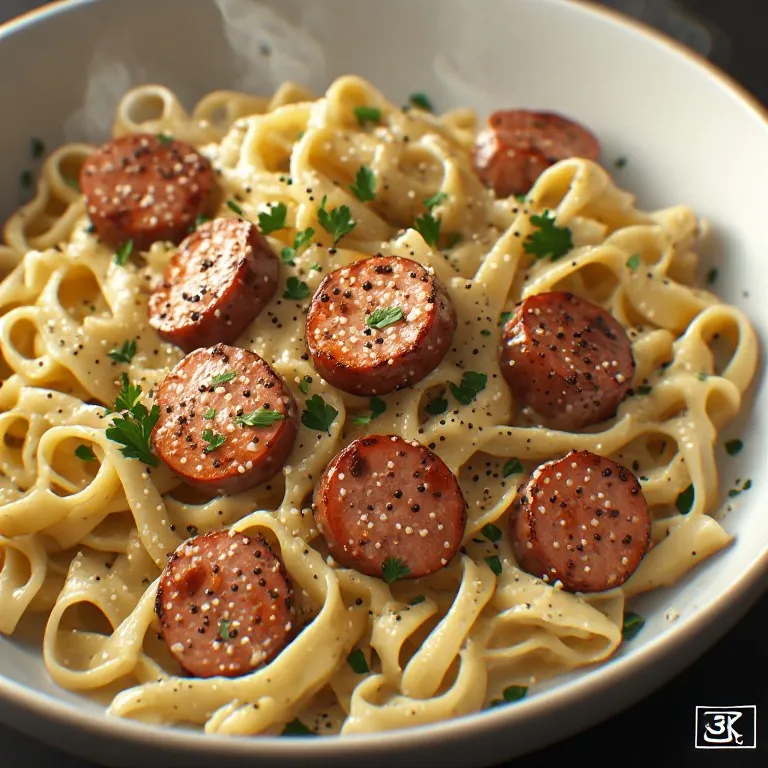
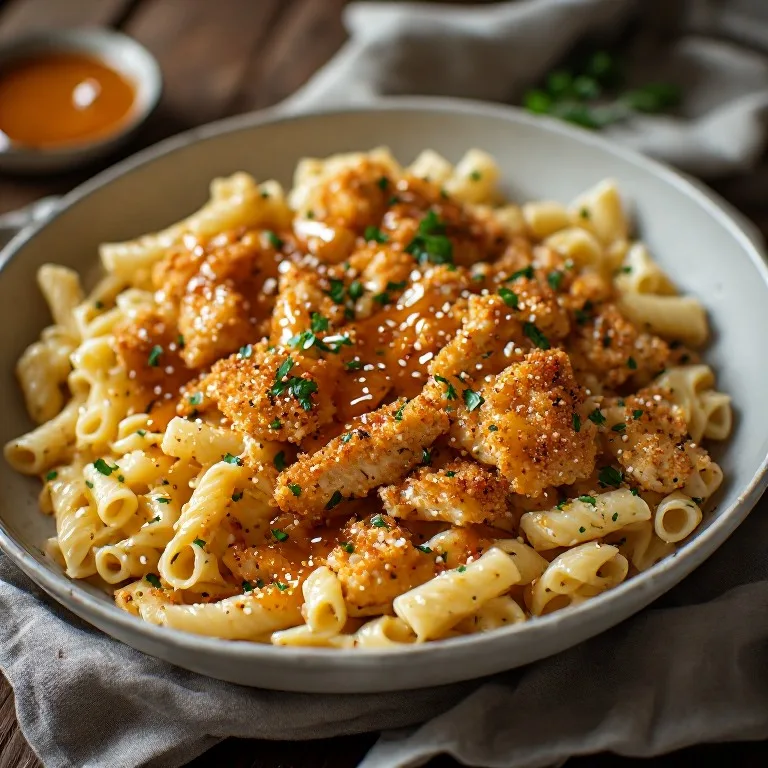
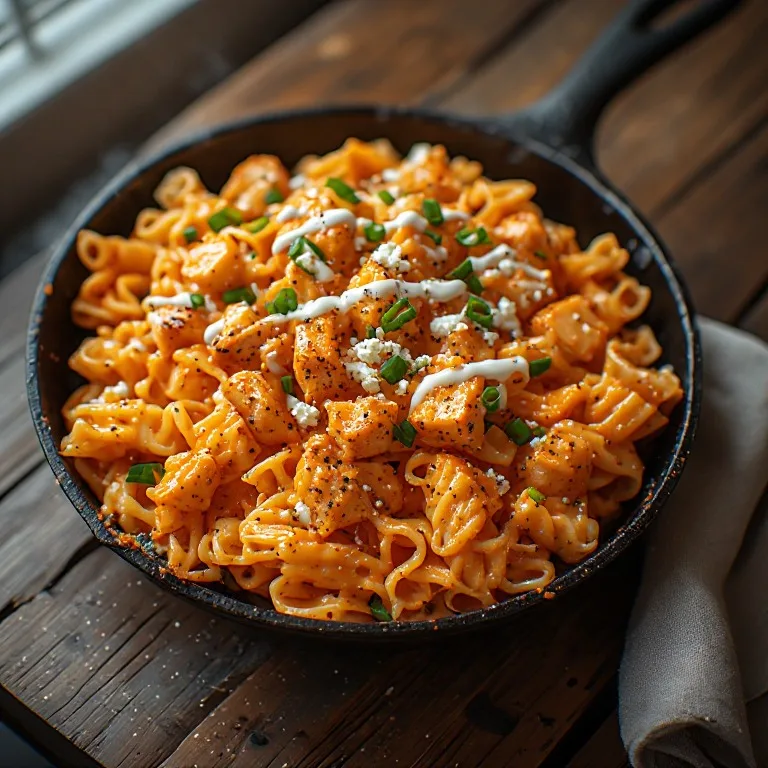
For a head-to-head comparison with two related pastas on the site, the crack chicken pasta uses a similar cream cheese base with ranch seasoning, and the Cajun sausage alfredo covers the spicy-cream-pasta angle with a different protein and spice profile.