

Marry Me Meatballs — The TikTok Sauce That Makes Everything Better
Prep time: 20 min Cook time: 25 min Servings: 4
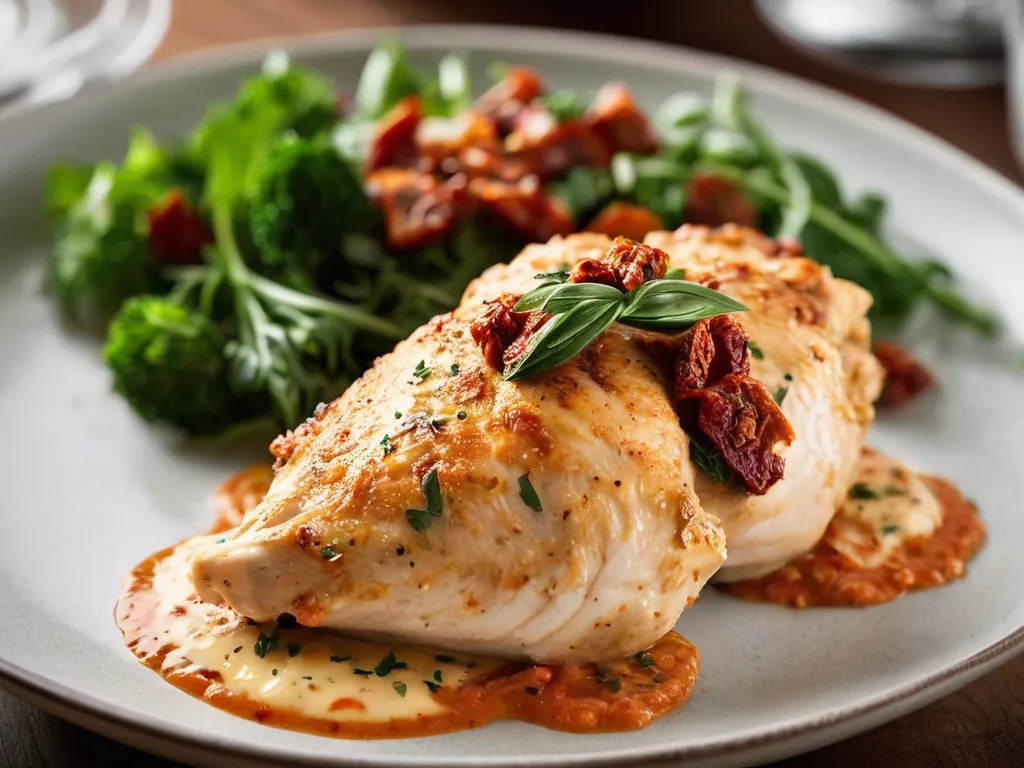
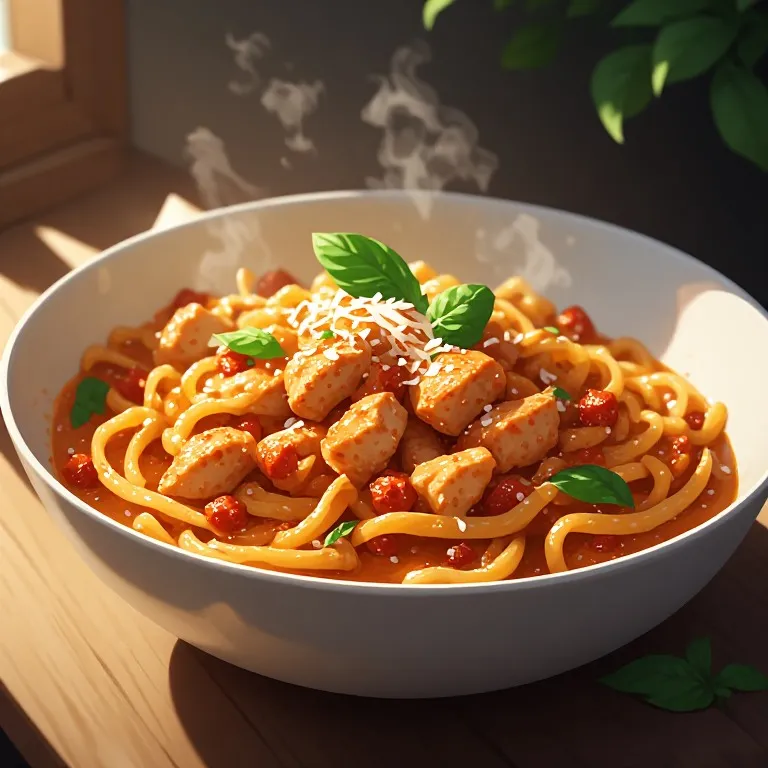
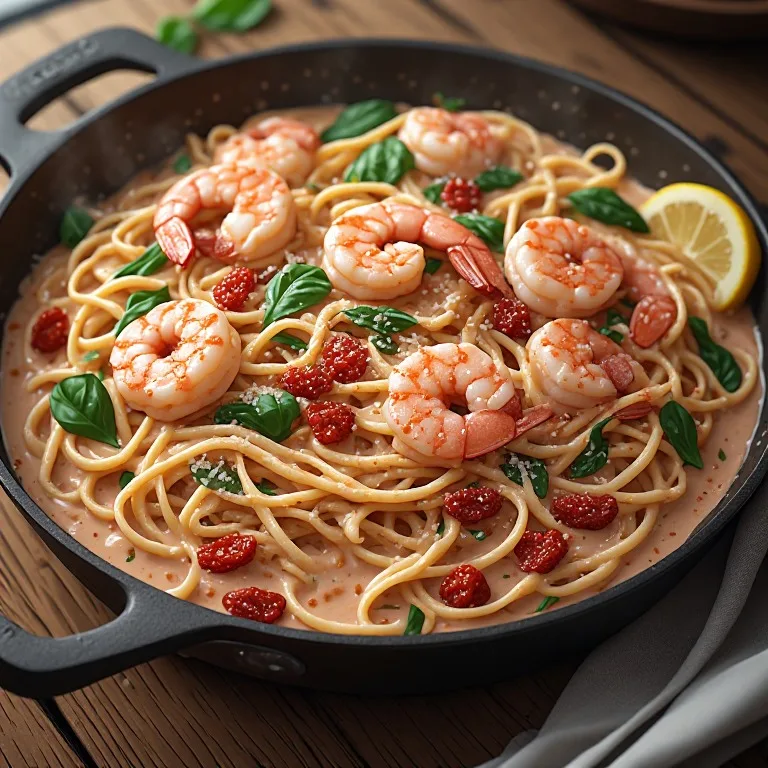
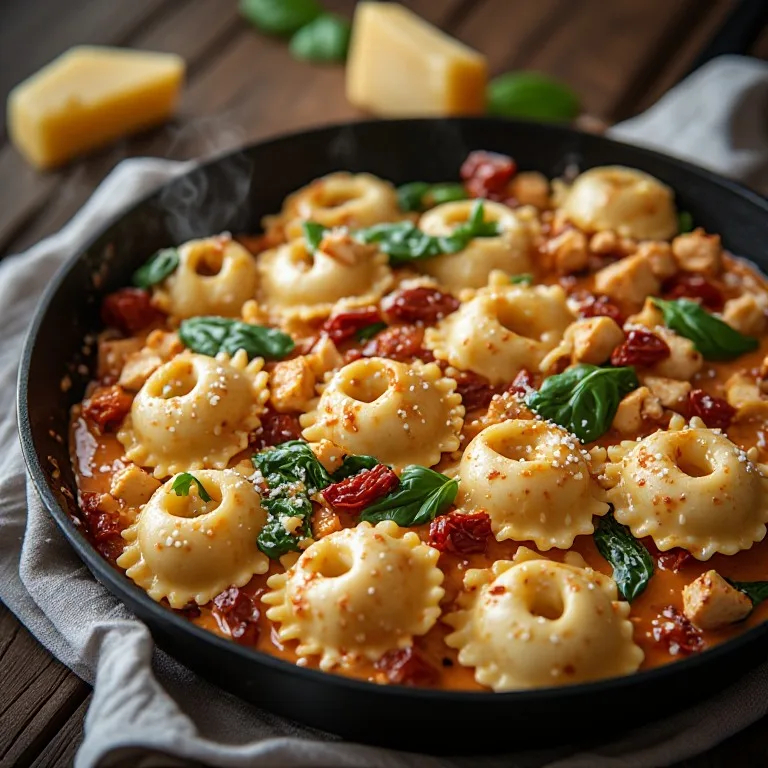
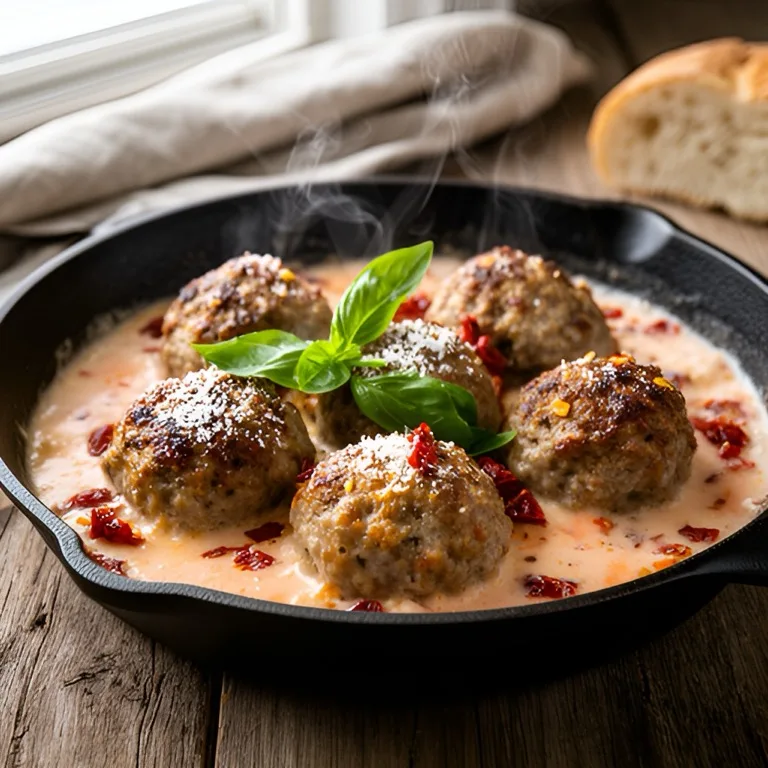
Marry Me Chicken has 780 million TikTok views. Marry Me Pasta is on every date-night dinner list. The logical extension — meatballs simmered directly in the sun-dried tomato cream sauce — might be the best version of all. The meatballs absorb the sauce as they finish cooking, turning the cream slightly richer and meatier than it gets with chicken or pasta alone. Forty-five minutes, one pan, and you have a dinner that genuinely looks and tastes like a restaurant made it.
The Story Behind the Recipe
The Marry Me Chicken sauce has been one of TikTok’s most replicated formulas since 2022 — sun-dried tomatoes, cream, Parmesan, garlic, a little heat. The name comes from a 2016 Delish article suggesting the dish was so good it could prompt a marriage proposal. Meatballs as a vessel appeared shortly after as food creators worked through every protein available. The combination makes immediate sense: the meatballs sear first to build a browned crust, then finish in the sauce over gentle heat, absorbing the sun-dried tomato and cream flavor all the way through in a way that pan-seared chicken breasts cannot. The resulting dish sits somewhere between Italian-American Sunday gravy and restaurant-style creamy pasta — richer and more integrated than either.
The classic Italian-American meatball uses a mix of beef and pork, breadcrumbs soaked in milk to stay tender, and Parmesan right in the mixture. The trick to keeping them moist is finishing them inside the sauce rather than baking them all the way through: the cream provides gentle, humid heat that keeps the interior soft. Sun-dried tomatoes are doing most of the flavor work — oil-packed and briefly sautéed in the searing fat before the broth goes in, they release concentrated umami into the cream that fresh tomatoes never could. Using a tablespoon of the tomato packing oil in place of regular olive oil adds another layer without adding extra ingredients.
Why the Sauce Works So Well with Meatballs
With Marry Me Chicken, the sauce is spooned over a piece of protein at the end. The chicken stays separate; the sauce is a topping.
With meatballs, the relationship is different. Twenty meatballs simmering in that cream sauce for fifteen minutes give back as much as they take. Fat and juices leach out of the meatballs into the sauce, which thickens it and deepens the flavor. Sun-dried tomato cream becomes sun-dried tomato cream with a background of rendered pork and beef — savory, rich, and better than either ingredient alone.
The other advantage: meatballs make the sauce go further. There are 20 of them to spoon sauce over, so every bite of meatball comes coated in that glossy, sticky cream. Penne into a bowl of this sauce is excellent. But a meatball into the same sauce — every surface wet with cream and sun-dried tomato — is better.
The Panade: The Step Most Recipes Skip
The single most important technique in this recipe is the panade: breadcrumbs soaked in milk before the meat goes in.
When ground meat is overworked or overcooked, the muscle proteins contract and squeeze out moisture, resulting in dry, dense meatballs. The panade interrupts that process. The milk-soaked breadcrumbs dilute the protein network, so when the proteins tighten during cooking, there’s less of them binding together and more of the soft, wet breadcrumb matrix absorbing the heat. The result is meatballs that stay tender at the center even after fifteen minutes of simmering.
Five minutes of soaking time is enough. The breadcrumbs will absorb the milk and become soft and slightly pasty. Add the meat and the rest of the ingredients on top and fold gently — the goal is to combine without kneading. Thirty seconds of gentle mixing is right. A minute of aggressive squeezing is wrong.
Searing: Don’t Skip This Either
Meatballs dropped raw into liquid poach. Poaching produces meatballs that hold together reasonably well but don’t add flavor to the sauce and don’t develop any browning.
Searing first gives you three things:
Flavor in the meatballs. Two minutes per side in hot oil creates a Maillard crust — not just brown, but genuinely different-tasting from the pale interior. That roasted, meaty exterior carries through even after the meatball simmers in cream sauce.
Flavor in the sauce. The browned bits left in the pan from searing (fond) dissolve into the sauce when you deglaze with chicken broth. Those bits are pure concentrated beef and pork flavor — the difference between a sauce that tastes like cream and one that tastes like it came from a kitchen with decades of experience.
Structural integrity. A seared meatball has a firmer outer shell that holds together better during the sauce simmer. Raw meatballs going directly into a liquid have a higher chance of disintegrating, especially if the heat gets above a gentle bubble.
What to Serve It With
Rigatoni. The tubes and ridged exterior catch the cream sauce and can literally hold a small meatball inside each tube. This is the best-performing pasta for this dish.
Creamy polenta. Soft, buttery polenta soaks up the sauce underneath the meatballs and makes this feel like a restaurant entrée. Add a handful of grated Parmesan into the polenta while it’s hot.
Crusty bread only. Skip the pasta entirely. Four meatballs in a wide bowl, sauce poured over, a good baguette alongside. Appropriate for a dinner party starter.
Mashed potatoes. Controversial but correct. Creamy mashed potatoes under Marry Me sauce is genuinely excellent — closer to a pot roast direction than Italian-American.
Cost Breakdown
A plate of meatballs in cream sauce at an Italian restaurant runs $20–28. This recipe serves four for about $14 total in ingredients — $3.50 per plate. The sun-dried tomatoes are the most expensive ingredient; buying the 8-ounce jar (rather than individual small jars) brings the cost down and leaves enough for another batch of Marry Me anything later in the week.