


Pin It

Viral TikTok Marry Me Shrimp Pasta

Viral TikTok Marry Me Shrimp Pasta
Jump to Recipe
Prep 10 min Cook 15 min Serves 4
Quick answer: Viral TikTok Marry Me Shrimp Pasta is large shrimp quick-seared in butter for about 90 seconds per side, removed from the pan, then reintroduced off-heat into a marry-me cream sauce of sun-dried tomatoes, heavy cream, garlic, and Parmesan. The off-heat shrimp finish is the core technique — shrimp added to a simmering sauce turn rubbery in under 2 minutes, so the heat must be off before they go back in. Ready in 25 minutes; serves 4.

Shop the tools

Gear matched to this recipe. These are Amazon affiliate links — we may earn a small commission if you buy, at no extra cost to you.

As an Amazon Associate, Copycat Spices earns from qualifying purchases. Product images are generic illustrations, not the exact item listed.

Viral TikTok Marry Me Shrimp Pasta

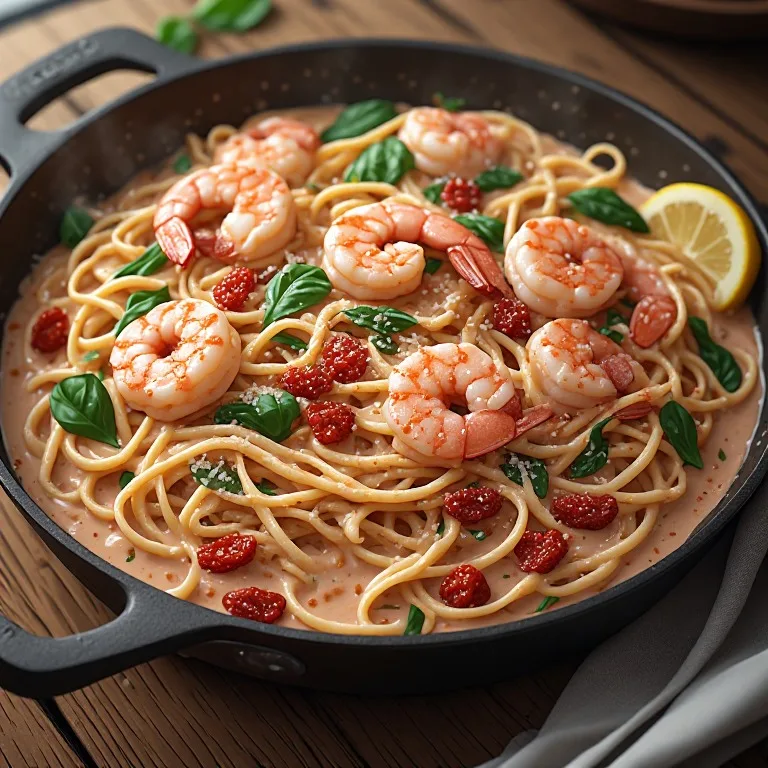
The viral TikTok marry me shrimp pasta: large shrimp seared in two minutes, finished off-heat in a creamy sun-dried tomato parmesan sauce over linguine. 25-minute weeknight dinner.

Easy Prep: 10 min Cook: 15 min Total: 25 min4 servings ~$4.50/serving
Prep10 min
Cook15 min
Total25 min
Servings
4
At home~$4.50/serving
vs
Restaurant~$20.25/serving
You save ~78%

The Story Behind the Recipe

The marry me sauce — sun-dried tomatoes, heavy cream, parmesan, garlic — earned its name when applied to chicken in 2018. By 2022 it had 780 million TikTok views. By 2025, every protein was getting the treatment: gnocchi, lentils, orzo, meatballs. The shrimp version caught fire because shrimp cook in about three minutes, not thirty-five, making the whole dish fast enough for a Tuesday. And watching shrimp curl and turn pink in a golden cream sauce is genuinely magnetic on camera.

At a Tuscan seafood restaurant in New York or Chicago — the kind of place serving creamy scampi or shrimp fra diavolo — a dish with this profile costs $28–36. At home, a pound of large shrimp plus 12 oz of pasta and pantry staples comes to about $17 total, roughly $4 a plate. The one technique worth knowing: shrimp are less forgiving than chicken. They overcook in 90 seconds. Sear them fast, pull them early, add them back off-heat at the very end — that's the difference between silky shrimp and rubber bands.

Nutrition Facts

Per serving (4 servings)
Calories750
Total Fat33g
Total Carbs65g
Dietary Fiber4g
Sugars5g
Protein38g
Sodium820mg

* Estimated values based on standard recipe preparation. Actual values may vary.

Ingredients

Instructions

💡
Pro tip: This recipe tastes even better the next day. The flavors need time to meld together in the fridge.
❄️
Storage: Keeps in an airtight container in the fridge for up to 2 weeks. Freezer-friendly for up to 3 months.
🎃 Free Halloween cookbook — download now The Copycat Halloween Cookbook A ready-made, photo-illustrated PDF of our best halloween copycat recipes — free to download, no building required. Pay what you want to support if you love it.

Free PDF — instant download. We'll also send new seasonal copycat recipes now and then; unsubscribe anytime. Or just download it →

Viral TikTok Marry Me Shrimp Pasta — The Fastest Version of the Formula

The marry me sauce — sun-dried tomatoes, heavy cream, garlic, Parmesan — works with chicken, pasta, gnocchi, lentils, and soup. Shrimp is where it works fastest. The whole dish takes 25 minutes, and the reason it keeps going viral is the same reason the original did: that sauce looks impossibly good on camera, and shrimp make it look even better.

The technique is almost identical to Marry Me Chicken, with one critical difference that most TikTok versions gloss over: shrimp cannot go back into a simmering sauce. They are done before the sauce is done, and the only way to avoid rubber shrimp is to turn the heat off before they go back in.

Why Shrimp Changes the Technique

Chicken has a thick muscle structure that takes 5–6 minutes per side to cook through. It can simmer in the sauce for 2–3 extra minutes after returning, absorbing flavor the whole time.

Shrimp are done in 3 minutes total. Not 3 minutes per side — 3 minutes flat. When a shrimp reaches 120°F internally, the proteins have fully set and the texture is tender. When it hits 150°F, those same proteins have over-contracted, squeezing moisture out of the cells. The result is a rubbery, cottony texture that no sauce can fix.

In the viral TikTok version, the order is:

  1. Sear the shrimp 90 seconds per side, remove immediately
  2. Build the sauce from scratch in the same pan (5–7 minutes)
  3. Add pasta and wilt spinach
  4. Turn the heat off
  5. Fold the shrimp back in — they warm through in about 60 seconds from residual heat

The off-heat finish isn’t a preference. It’s the difference between shrimp pasta and rubbery pasta.

The Shrimp Sear

Two things produce a good shrimp sear:

Completely dry shrimp. Pat them with paper towels until there’s no visible moisture on the surface. Shrimp hold water both inside the shell and on the outer surface. Surface moisture steams the shrimp in the pan rather than browning them. You want the Maillard reaction — the golden caramelization that gives you color and flavor — and that only happens on a dry surface over direct heat.

Sear in sun-dried tomato oil. The oil packed with sun-dried tomatoes isn’t neutral oil — it’s infused with tomato, garlic, and herbs from sitting in the jar. Searing the shrimp in 1 tbsp of that jar oil instead of plain olive oil transfers flavor to the shrimp before they ever touch the sauce. It’s one tbsp of oil with six months of flavor development already in it. Use it.

Hot butter, not plain oil. Butter conducts heat more evenly than olive oil at medium-high temperatures and adds a nuttiness that complements the shrimp’s sweetness. Combine the butter and jar oil together — you get both the browning from butter and the flavor from the infused oil. Watch for the foam to subside before the shrimp go in.

Large shrimp (16/20 count) are the right size. They’re big enough to develop visible color on the sear and have enough mass to stay tender through the off-heat finish. Smaller shrimp overcook before they brown.

The visual cue that TikTok cooks reference constantly: pull at a C-shape (loose curl, gap in the middle). An O-shape — tight, closed curl — means the proteins have over-contracted. By the time it looks like an O, it’s already rubbery. The window between C and O is about 30 seconds at medium-high heat, which is why the off-heat finish matters so much: residual heat is slow and forgiving; active heat is not.

The Sauce Is the Same

Everything after the shrimp come out of the pan follows the same logic as Marry Me Pasta:

Garlic and sun-dried tomatoes first. The oil from oil-packed sun-dried tomatoes blooms the garlic better than adding olive oil separately. Let the tomatoes cook for 2 full minutes — they need time to release their concentrated flavor into the fat.

Reduce broth before cream. Adding cream to a pan that still has raw broth dilutes the sauce before it has depth. Reduce the broth by half first (about 2 minutes). This concentrates the savory base so the cream joins something with backbone rather than thinning it.

Parmesan off heat, always. Remove the skillet from the burner before the Parmesan goes in. Over direct heat, the cheese proteins seize and you get a grainy, lumpy sauce. Off heat, the residual warmth melts it smoothly in about 30 seconds of stirring. Every cream sauce with cheese benefits from this.

White Wine Instead of Broth

Chicken broth works fine here, but dry white wine is worth considering for shrimp pasta specifically. A dry sauvignon blanc or pinot grigio picks up the faint brininess the shrimp left behind in the pan, adds a slight acidity that cuts through the cream, and evaporates down to a flavor-dense base faster than broth. Use the same amount — 1/2 cup — and let it reduce the same way.

The wine version has a brighter, cleaner sauce that reads more “seafood pasta” and less “cream sauce with shrimp.” Either is correct; it’s a preference call.

What Doesn’t Work

Pre-cooked shrimp. Any shrimp labeled “cooked” or “ready-to-eat” is already done. Adding it to heat at all drives it past tender and toward rubbery. If that’s all you have, add it at the very end with no heat and just fold it in for 30 seconds.

Crowding the shrimp. If the shrimp are touching in the pan, they steam instead of sear. You’ll know it’s happening if the pan stops sizzling — water is releasing and the temperature dropped. Work in two batches if you need to. It adds 3 minutes but the difference in texture is worth it.

Skipping the lemon at the end. The sauce is rich. Very rich. A squeeze of lemon at the table doesn’t flavor the dish — it cuts through the cream and fat and makes everything taste cleaner and brighter. Skip it once and you’ll understand why it’s there.


For the classic version of this sauce without seafood, see Marry Me Pasta or Marry Me Chicken. For more shrimp technique, Garlic Shrimp covers the sear-and-butter-baste method. The Cheesecake Factory Bistro Shrimp Pasta is a richer restaurant-style take on the same shrimp-pasta combination.
🥗

Make It Healthier

Love Viral TikTok Marry Me Shrimp Pasta but want a lighter version? Try these simple swaps:

  • ✓Use half-and-half instead of heavy cream to cut about 100 calories per serving
  • ✓Sub zucchini noodles or chickpea pasta for linguine to reduce carbs by 30–40g per serving
  • ✓Cut the butter to 1 tbsp total and use olive oil for the sear to reduce saturated fat
  • ✓Add extra spinach or toss in cherry tomatoes for more vegetables without changing the sauce

Frequently Asked Questions

Why does everyone say to add shrimp back off heat?

Shrimp are fully cooked in about 3 minutes total. If you nestle them into a simmering sauce and leave the heat on, they hit 4-5 minutes of cumulative cooking time — at which point they turn rubbery and shrink noticeably. Turning the burner off and folding them into the hot pasta finishes them gently in about 60 seconds. You get plump, tender shrimp that bounce back when you press them.

What size shrimp works best for this?

Large shrimp (16/20 count or 21/25 count) work best. They have enough size to develop a proper sear and still have texture in the pasta. Smaller shrimp (31/40 or jumbo salad shrimp) overcook faster and get lost in the sauce. Buy fresh or frozen raw shrimp — pre-cooked shrimp are already done, so they turn rubbery the moment they hit any heat at all.

Can I use the same sun-dried tomato sauce as marry me chicken?

Yes — the sauce is identical. The only differences are the protein (shrimp instead of chicken), the shorter cook time (25 minutes vs. 35 minutes), and the critical off-heat finish for the shrimp. If you've made marry me chicken or marry me pasta before, you already know this sauce.

Do I need to deglaze the pan after searing shrimp?

Shrimp release moisture as they cook and leave almost no fond — unlike chicken, which leaves substantial browned bits. The sauce still benefits from reducing broth in the pan, but you won't get the deep fond deglaze you get with chicken or beef. White wine works especially well here: it picks up the faint shrimp flavor and adds acidity the cream needs.

Can I use frozen shrimp?

Yes. Thaw under cold running water for 5 minutes, then pat completely dry. The dry step matters even more with frozen shrimp — they hold more surface moisture than fresh and will steam instead of sear if you skip it.

What pasta shape works best?

Linguine or fettuccine. Long flat noodles wrap around shrimp better than tube shapes like penne or rigatoni. Every forkful of linguine picks up both pasta and shrimp, which is the ideal bite. Rigatoni tends to end up with shrimp in some bites and none in others.

How does this compare to marry me chicken?

The sauce is the same. The main differences: shrimp cook 10 times faster (3 minutes vs. 30 minutes), so timing is tighter but the overall dish is faster. Chicken gets returned to the sauce to simmer; shrimp cannot — they finish off-heat only. Shrimp also adds a briny sweetness that chicken doesn't have, which plays well against the sun-dried tomato acidity.

Love this recipe? Share it!

Free PDF: our 12 most-wanted copycat recipes — instant download.

Made it? Buy us a coffee

Every recipe here is free, with no paywalls. If this one was a hit at your table, a small tip keeps new copycats coming.

$

Ratings & Reviews

—
No ratings yet

Rate this recipe

Click a star to rate

Leave a Review

0/500

CS

Copycat Spices Editorial

Researched + fact-checked. Every recipe on Copycat Spices is built from published sources — official ingredient lists, brand-published recipes, interviews and food-science references — and fact-checked before it goes live, then written as clear, step-by-step instructions for home cooks of all skill levels.

Learn more about our mission →