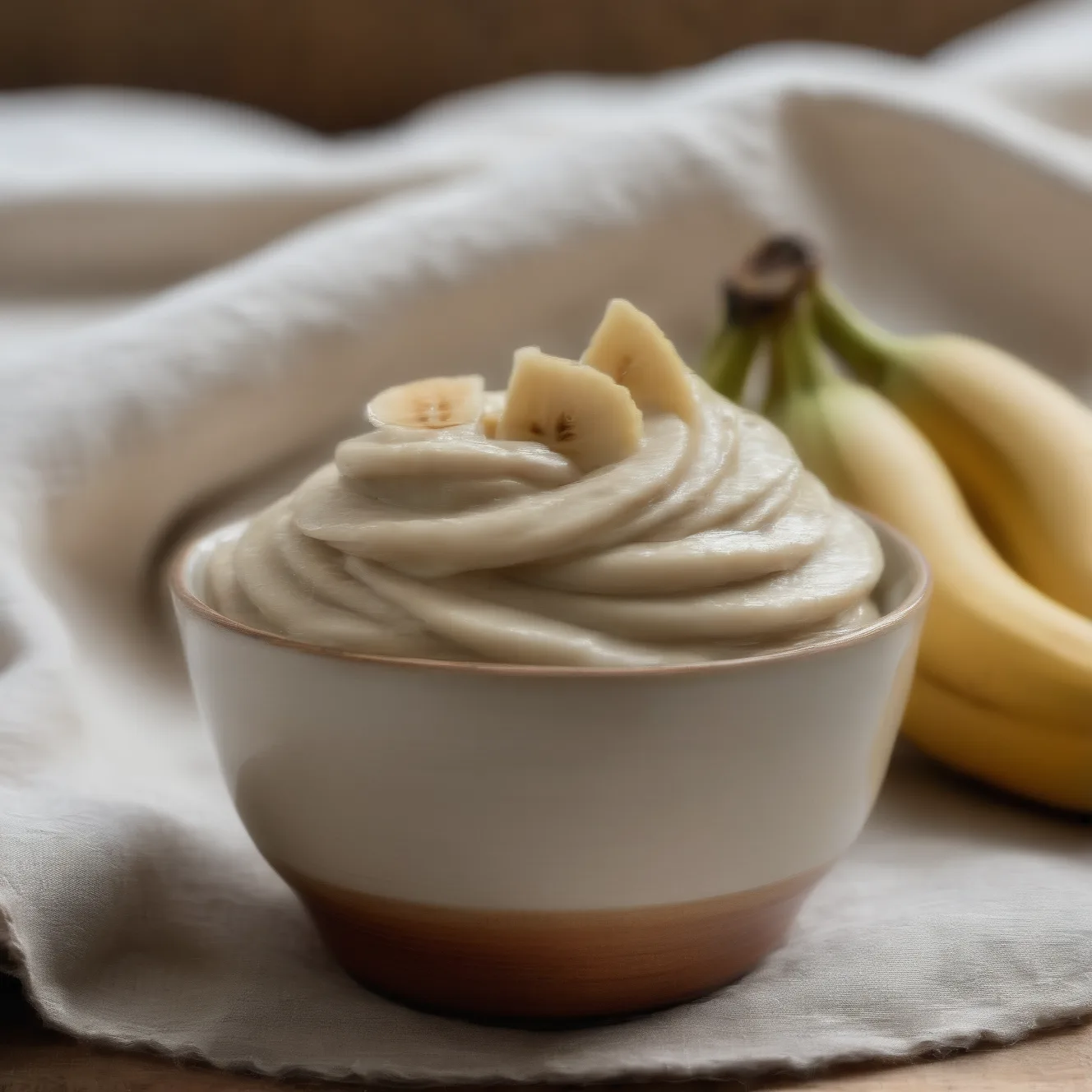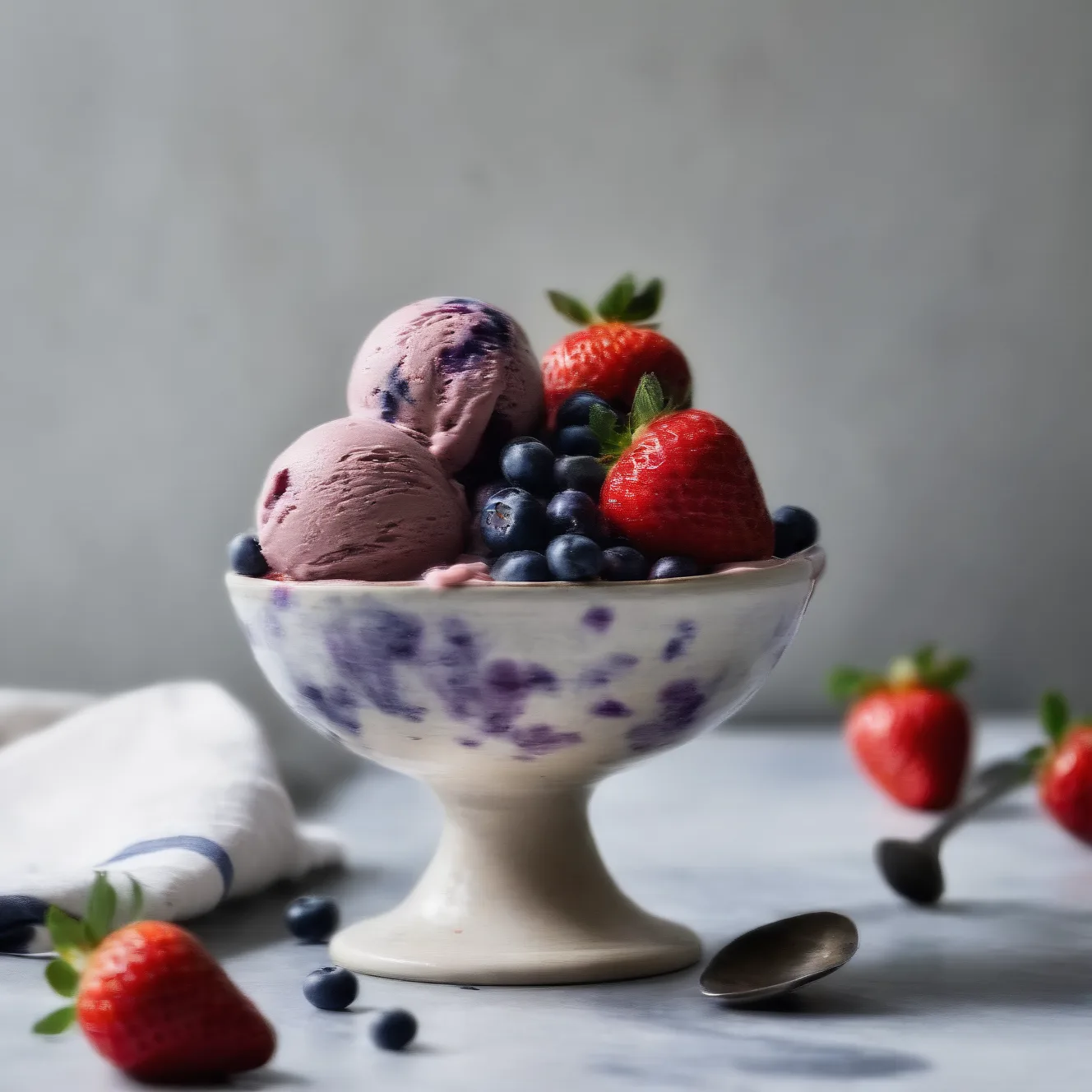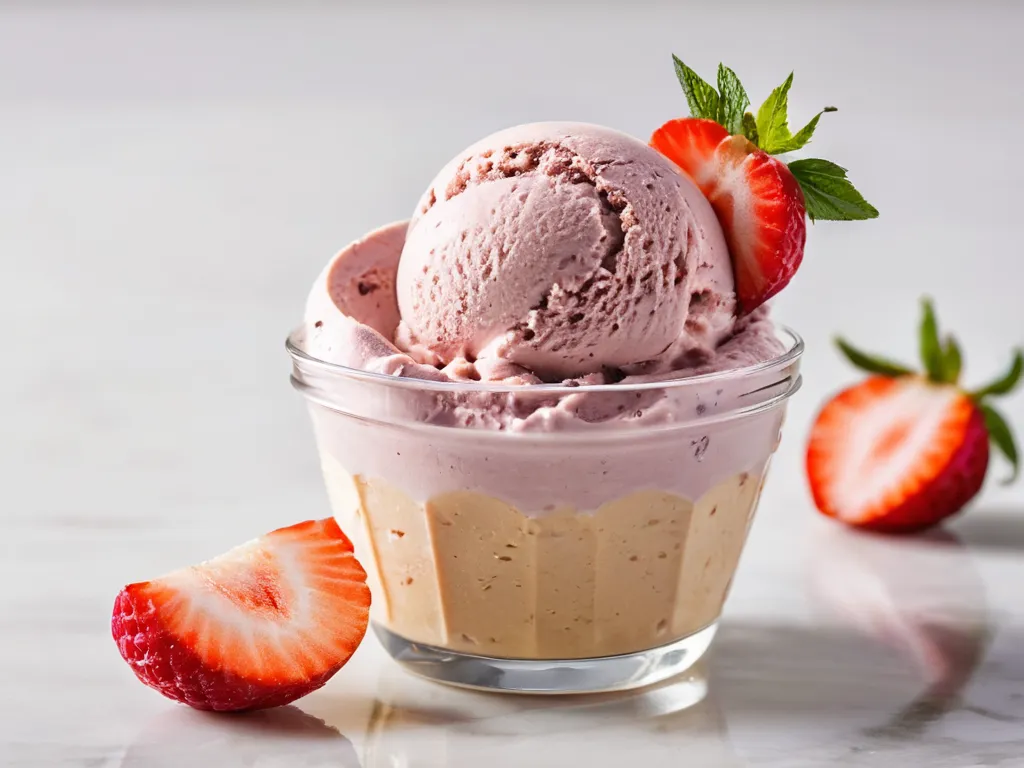
Protein ice cream earned its spot as a permanent fixture in fitness TikTok rather than a trend that faded after a month. The formula — blended protein powder, frozen banana, and milk — produces a dessert with 25+ grams of protein per bowl that genuinely resembles soft-serve. The technique matters more than it looks from the outside.
Here’s what’s actually happening in the mix, and why results vary so much between people doing what looks like the same recipe.
TL;DR
Blend 1 frozen banana + 1 scoop casein protein + ½ cup almond milk + ¼ tsp xanthan gum on high for 60 seconds. Eat immediately as soft-serve. For Ninja Creami: use whey protein (not casein), blend a liquid base, freeze 24 hours with lid OFF, process on Lite Ice Cream, re-spin with 2 tablespoons of milk if crumbly. About 240 calories and 27g protein per serving.
The Science: Why Some Protein Ice Cream Is Creamy and Some Is Icy
The texture problem that protein ice cream gets wrong comes down to ice crystal size. Small, uniform ice crystals feel smooth; large crystals feel like a snow cone. Commercial ice cream controls crystal size through churning (which breaks up crystals as they form), emulsifiers (which coat fat globules), and stabilizers (which increase the viscosity of the unfrozen water phase, limiting how fast crystals can grow). Homemade versions skip all three.
Two ingredients compensate:
Protein type. Casein is a micellar protein — it forms a gel-like structure in water, increasing the viscosity of your base before it freezes. A 2025 study in the International Journal of Food Properties found that ice creams with more casein (lower whey-to-casein ratios) had higher overrun and lower hardness — the technical measures of creaminess — while whey-heavy formulas produced harder, icier results and melted faster. This is because casein’s gel structure limits how large ice crystals can grow during freezing. Whey protein stays fully soluble and dissolved, contributing no gel structure — which is why whey-only bases freeze harder and icier.
Xanthan gum. Xanthan molecules physically position at the surface of ice crystals and block water from migrating to those surfaces — a process called steric blocking. This inhibits ice recrystallization, keeping crystals smaller. Research in food science journals has confirmed that non-gelling stabilizers like xanthan are actually more effective at inhibiting recrystallization than gelling ones like gelatin. A quarter teaspoon per serving makes a noticeable difference.
Protein Powder: Which Type to Use — And When
For the blender method: casein-based powder works best. The gel-forming property that makes casein effective is fully active in blender protein ice cream. Good options: Optimum Nutrition Gold Standard 100% Casein, Dymatize Elite Casein, Muscle Milk Pro (casein-whey blend). Add xanthan gum if using a pure whey powder.
For the Ninja Creami: whey or whey isolate works better. This is the counterintuitive flip. Casein’s gel-forming tendency in the Ninja Creami produces a base that’s too dense and viscous for the blade — the result can be gummy or the blade can struggle. Whey protein produces a standard hard-frozen block that the Ninja Creami’s blade is designed to shave through. Good whey options: Dymatize ISO 100, Isopure Zero Carb, ON Gold Standard Whey. Many Ninja Creami users skip protein powder entirely and use pre-mixed protein shakes as the liquid base — Premier Protein RTD (30g protein, 160 cal per 11 oz), Fairlife Core Power, or Muscle Milk Pro Series shakes. Pre-mixed shakes are already formulated for even protein distribution and tend to produce the most consistent Ninja Creami results.
Plant-based protein: Pea protein powders (Orgain, Vega, Garden of Life) work but produce a denser, slightly grainier texture. Use oat milk instead of almond milk — oat milk’s natural starches help texture — and add xanthan gum. The result won’t be as smooth as casein-based blender protein ice cream but is workable.
Blender Method (10 Minutes)
The blender method is faster and works on any budget. The result is soft-serve consistency — eat it immediately.
The technique matters in a specific order:
- Add the liquid (almond milk) and protein powder first; blend briefly on low to dissolve the powder before frozen ingredients go in. Clumps of powder that haven’t dissolved will stay that way once frozen banana is added.
- Add the frozen banana (sliced before freezing), xanthan gum, salt, and any flavor add-ins.
- Blend on high for 60 full seconds. If the blender stalls, add liquid 1 tablespoon at a time — minimum additions, because each tablespoon dilutes the base and makes the final texture icier.
- Finished texture should be thick enough to hold a spoon upright. If it’s pourable, add 1–2 ice cubes and blend again.
Key mistake to avoid: More liquid is not better. The instinct when the blender stalls is to add more almond milk. Each extra tablespoon reduces creaminess. The correct fix is ice cubes — they give the blade something to catch without diluting the base.
Ninja Creami Method (10 Min Prep + 24 Hours)
The Ninja Creami processes frozen solids differently from a blender. Its blade shaves the block from the bottom up, which creates dramatically smoother texture than blending. The tradeoff is the 24-hour freeze window.
Base recipe for Ninja Creami:
- 1 cup (240ml) milk of choice (whole milk or 2% for better texture than skim)
- 1 scoop whey protein or whey isolate powder
- 1 teaspoon vanilla extract
- 1–2 tablespoons cream cheese, Greek yogurt, or pudding mix (adds fat and stabilization)
- Optional: 1–2 tablespoons cocoa powder, peanut butter powder, or other flavoring
Method:
- Blend the liquid base until the protein powder is completely dissolved — no streaks.
- Pour into the Ninja Creami pint container. Leave the lid off during freezing — the lid creates a raised dome in the center that the blade cannot reach and can be damaged.
- Set the pint on a perfectly level freezer shelf and freeze for exactly 24 hours. Less than 24 hours produces slush; 24 hours produces the fully hardened block the blade is designed for.
- Remove from freezer. Let sit at room temperature for 5 minutes.
- Install in the machine and process on the “Lite Ice Cream” setting — not regular Ice Cream. High-protein bases freeze denser than standard ice cream and need the lighter setting to avoid overworking the motor.
- After the first pass, the result will look crumbly and powdery — this is normal and not a failure.
- Add 2 tablespoons of milk directly into the pint. Press Re-Spin. After the re-spin, the result should be smooth and scoopable.
Flavor Variations
Chocolate: Add 1 tablespoon unsweetened cocoa powder to the base. A small pinch of espresso powder intensifies chocolate flavor without adding noticeable coffee taste. Use chocolate protein powder for a double-chocolate version.
Peanut butter: Add 1–2 tablespoons PBfit or PB2 (peanut butter powder) to the blender. Each tablespoon adds about 7g protein and genuine PB flavor without the full calorie load of regular peanut butter. Regular peanut butter also works — 1 tablespoon adds 95 calories and significantly improves creaminess.
Strawberry: Use vanilla protein powder and blend ½ cup frozen strawberries into the base. Strawberries contribute bright flavor and natural color. For Ninja Creami, blend the strawberries into the liquid base before freezing.
Birthday cake: Vanilla protein powder, ¼ teaspoon almond extract blended in, rainbow sprinkles added after processing. The almond extract provides the characteristic “birthday cake” flavor note.
Mint chocolate chip: Add ¼ teaspoon peppermint extract (sharper and more accurate than “mint extract”) to vanilla base. Fold in mini dark chocolate chips after blending — adding chips before blending pulverizes them into the base rather than leaving distinct pieces.
Protein cheesecake: Blend 2 oz softened cream cheese into the base with vanilla protein powder. Calorie-dense but genuinely cream-cheese-flavored. Best in the Ninja Creami.
Nutrition Comparison
| Protein ice cream (blender) | Häagen-Dazs vanilla | Halo Top vanilla | |
|---|---|---|---|
| Serving size | ~280g (full bowl) | ½ cup (106g) | ½ cup (76g) |
| Calories | ~240 | 270 | 70 |
| Protein | 27g | 5g | 5g |
| Carbs | 26g | 26g | 14g |
| Fat | 3g | 17g | 2g |
Per bowl, protein ice cream has calorie parity with half a cup of Häagen-Dazs but 5× the protein in a volume of food that’s 2.5× larger. Compared to Halo Top, protein ice cream has 3× more protein and far more volume.
The fat difference matters for texture: Häagen-Dazs gets its creaminess from cream (fat content ~10–12%). Protein ice cream compensates with protein structure, xanthan gum, and banana fiber — adequate but not identical.
Common Mistakes
Too much liquid. Each extra tablespoon makes the final texture icier. Add minimum liquid to keep the blender running, using ice cubes when the blender stalls rather than more milk.
Not pre-slicing the banana. Freezing a whole banana results in one solid mass that the blender has to work much harder to process evenly. Slice into coins before freezing.
Casein in the Ninja Creami. In the blender, casein is ideal. In the Ninja Creami, casein makes the base too thick for the blade and produces a gummy or strained result. Use whey or whey isolate for Creami recipes.
Ninja Creami with lid on. Freezing with the lid creates a hump in the center of the pint that the blade cannot process cleanly and can physically damage the machine over time. Always freeze the pint uncovered.
Less than 24 hours in the Ninja Creami. The machine processes solid-frozen blocks. A partially frozen pint produces slush. The full 24-hour freeze at standard freezer temperature is required.
Expecting the first Ninja Creami pass to be smooth. The first pass almost always looks crumbly. Add milk and re-spin — this is the intended two-step process, not a sign something went wrong.
For other high-protein TikTok frozen desserts, the cottage cheese ice cream technique uses a different protein source (cottage cheese) and went equally viral — 260M+ TikTok views in 2023. For the pure banana-only version without any protein powder, one-ingredient banana ice cream covers the classic nice cream technique and every flavor variation in detail. For a nutrient-dense frozen bowl format, açaí bowls cover sourcing frozen açaí packets, the minimum-liquid technique for thick consistency, and topping combinations.