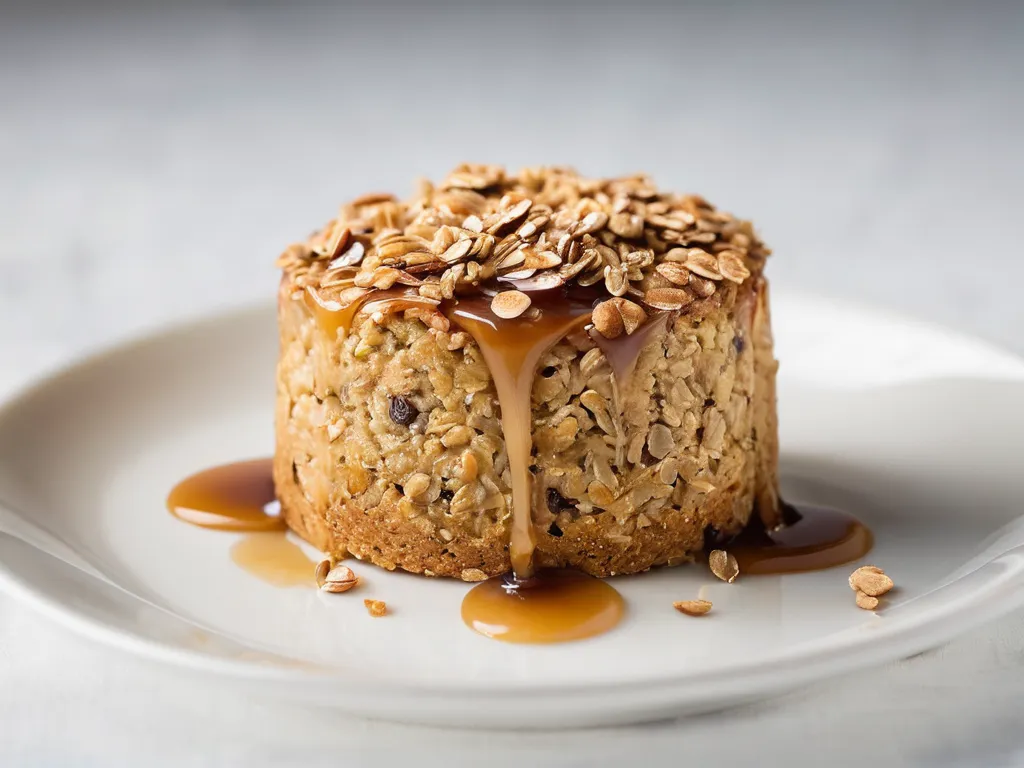
Baked oats went viral in early 2021 and have sustained genuine interest ever since, because the core idea is actually very good: blend oats with a banana, egg, and a few basics, pour into a ramekin, bake for 25 minutes, and pull out something that looks and tastes like a personal-sized muffin or brownie top. It racked up well over 500 million TikTok views because fitness and breakfast creators discovered a breakfast that genuinely tastes like dessert without relying on flour, added fat, or much added sugar.
The trick isn’t magic. It’s blending.
TL;DR
Blend oats, banana, egg, milk, baking powder, vanilla, and maple syrup completely smooth. Pour into a greased ramekin. Bake at 350°F for 22–25 minutes. The blending is what makes it cake-like — skip it and you have baked oatmeal, not baked oats. Add protein powder for 20–25g protein. Make 4–5 at once for a full week of breakfasts.
Why Blending Is the Key Step
Regular baked oatmeal and TikTok baked oats are made from the same ingredients. What makes them completely different dishes is the blender.
When you blend rolled oats with the wet ingredients at high speed for 30–45 seconds, two things happen. First, the oat groats break down into a fine flour-like powder. Second, that powder combines with the milk and egg to form a smooth batter — structurally similar to a quick bread or muffin batter. When this batter hits the oven heat, the proteins in the egg coagulate around the gelatinizing oat starch, creating a unified, cake-like crumb. The result is something you can scoop with a spoon in neat pieces, with a texture that has more in common with a muffin than with porridge.
If you skip blending and simply stir whole oats into the liquid ingredients, you get baked oatmeal: a slightly chewy, porridge-like baked dish with intact oat groats. Perfectly good. Just a different thing entirely. The “it tastes like cake” claim lives entirely in the blending step.
The Banana’s Job
The ripe banana in this recipe does more than sweeten it. As bananas ripen, their starches convert to sugars and their pectin content changes — very ripe bananas (with brown spots) are sweeter, softer, and more effective binders. The banana’s starch and pectin help hold the batter together the same way that applesauce or pumpkin puree acts as a binding agent in eggless baking. The result is that even though the recipe has relatively little egg for its volume, the batter sets firmly.
Use the ripest banana you have. The sweetness level of the baked oats comes almost entirely from the banana — a barely-ripe yellow banana makes for noticeably less sweet baked oats.
Ramekin Size Matters
A 6-oz ramekin produces dense, brownie-like baked oats — the batter fills the dish deeper, the center takes longer to set, and the finished product has a compact, fudgier texture.
An 8-oz ramekin produces a puffier, lighter result — the batter spreads thinner, rises more dramatically, and produces something with more of a muffin-top dome.
Either works. If you only have a mug, that works too — anything oven-safe in the 6–10 oz range. The baking time stays the same; just watch for the visual doneness cues.
Flavor Variations
The base recipe is neutral enough that nearly any flavor combination works. These are the most reliable:
Brownie baked oats: Add 1 tablespoon cocoa powder and 1 tablespoon extra chocolate chips to the base batter before blending. For an even richer chocolate version, add 1 tablespoon peanut butter and fold in extra chips on top.
Peanut butter banana: Swirl 1 tablespoon natural peanut butter on top before baking (press it slightly below the surface so it stays embedded rather than burning). Top with banana slices after baking and a drizzle of honey.
Blueberry lemon: Add 1/2 teaspoon lemon zest to the batter before blending. Fold in 1/4 cup fresh or frozen blueberries. Blueberries pressed into the top turn jammy and slightly crispy at the edges.
Carrot cake: Add 3 tablespoons shredded carrot, 1/2 teaspoon cinnamon, and a pinch of nutmeg to the batter. Top after baking with a mix of Greek yogurt and a tiny drizzle of honey (a simplified cream cheese frosting substitute).
Strawberry shortcake: Fold in diced fresh strawberries. Top with a spoonful of Greek yogurt and more fresh strawberries after baking.
Pumpkin spice (fall): Replace the banana with 3 tablespoons pumpkin puree. Add 1/2 teaspoon pumpkin pie spice. The pumpkin replaces the banana’s binding function — the texture will be slightly less sweet and slightly more custardy.
High-Protein Version
The base recipe provides about 12–13g protein from the egg. To reach 20–25g, add one scoop (about 25–30g) of vanilla protein powder to the blender with the other ingredients. Because protein powder absorbs liquid, add 1–2 extra tablespoons of milk to compensate — start with 1 and check batter consistency; it should be thick but pourable, like a muffin batter.
The protein powder version bakes the same way and at the same temperature. The texture is slightly firmer and denser than the egg-only version. This is the variation that drove the most fitness-account TikTok content — a 330–380 calorie, 22–25g protein breakfast in 5 minutes of active prep is genuinely hard to beat.
Without Egg or Banana
No egg: Replace with a flax egg (1 tablespoon ground flaxseed + 2.5 tablespoons water, rested 5 minutes until gelatinous) or 2 tablespoons thick Greek yogurt. The yogurt version is the most reliable — it adds protein and produces the richest texture.
No banana: Replace with 1/4 cup unsweetened applesauce or 3 tablespoons pumpkin puree. Both provide binding starch but less sweetness, so increase maple syrup to 1.5 tablespoons.
Neither egg nor banana: Flax egg + applesauce. The texture will be slightly more crumbly but the dish still bakes up cake-like if everything is blended completely smooth.
Meal Prep for the Week
Baked oats are genuinely good for batch cooking. Make 4–5 ramekins simultaneously with different flavors — pour the base batter into each ramekin, vary the mix-ins (chocolate chips in one, blueberries in another, peanut butter swirl in a third), and bake all at once at 350°F for 22–25 minutes.
Let them cool completely before covering with plastic wrap or transferring to airtight containers. Refrigerate for up to 5 days.
To reheat: microwave for 60–90 seconds, or warm in a 300°F oven for 8–10 minutes. If the baked oats seem dry after refrigeration, add a small splash of milk before microwaving — the moisture rehydrates them close to the fresh-baked texture.
The Doneness Test
Pull the ramekin out at the 22-minute mark and check three things: the top should look set and dry, not wet or shiny in the center; the edges should be pulling slightly away from the ramekin walls; a toothpick inserted in the center should come out with a few moist crumbs, not liquid batter.
If the center is still wet at 22 minutes, bake in 3-minute increments. The baked oats will firm up significantly during the 5-minute rest — they should feel slightly underdone when you first pull them, and reach ideal texture as they cool.
Storage
Baked oats keep well:
Room temperature: Not recommended longer than a few hours (the egg warrants refrigeration).
Refrigerator: Up to 5 days in the ramekin covered with plastic wrap, or in an airtight container.
Freezer: Yes, but wrap each cooled baked oat individually in plastic wrap, then place in a freezer bag. Freeze for up to 3 months. Thaw overnight in the fridge, then reheat in the microwave for 90 seconds.
More High-Protein Breakfasts
If you’re building a rotation of healthy breakfasts, these pair well with baked oats:
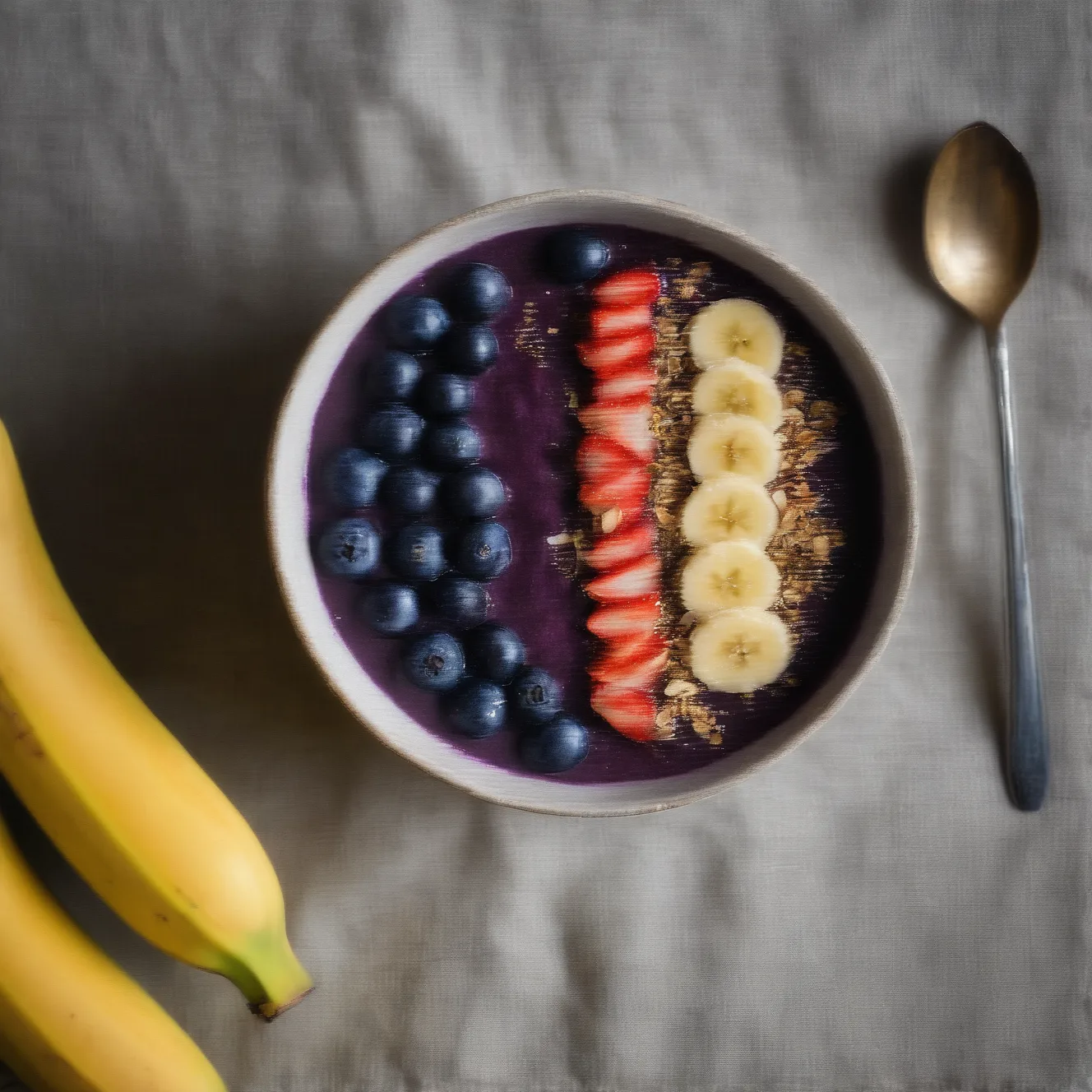
- Viral TikTok açaí bowl — frozen açaí base with real fruit, the other big breakfast trend of the same era
- Copycat Starbucks egg bites — high-protein, sous-vide style egg bites you can batch-cook the same way
- Viral TikTok Emily Mariko salmon bowl — if you want the lunch equivalent of this build-and-forget-it approach