
Red Velvet Cinnamon Rolls with Cream Cheese Frosting — the Viral TikTok Version
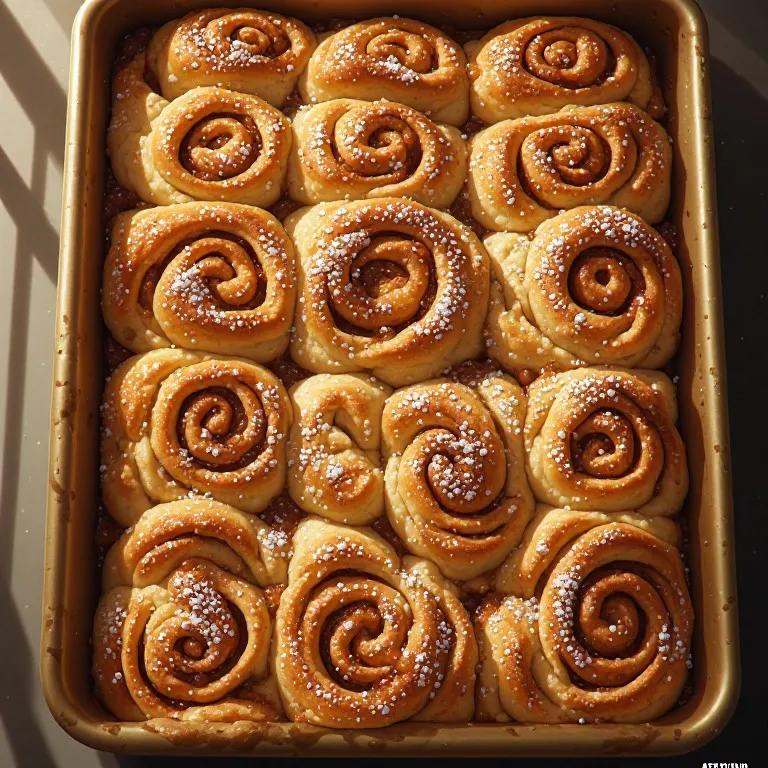
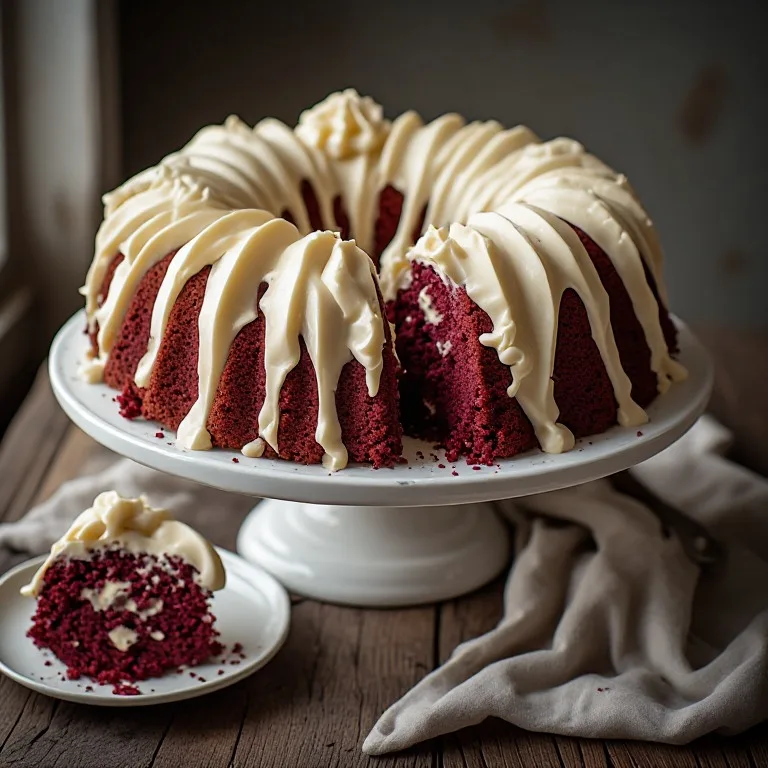
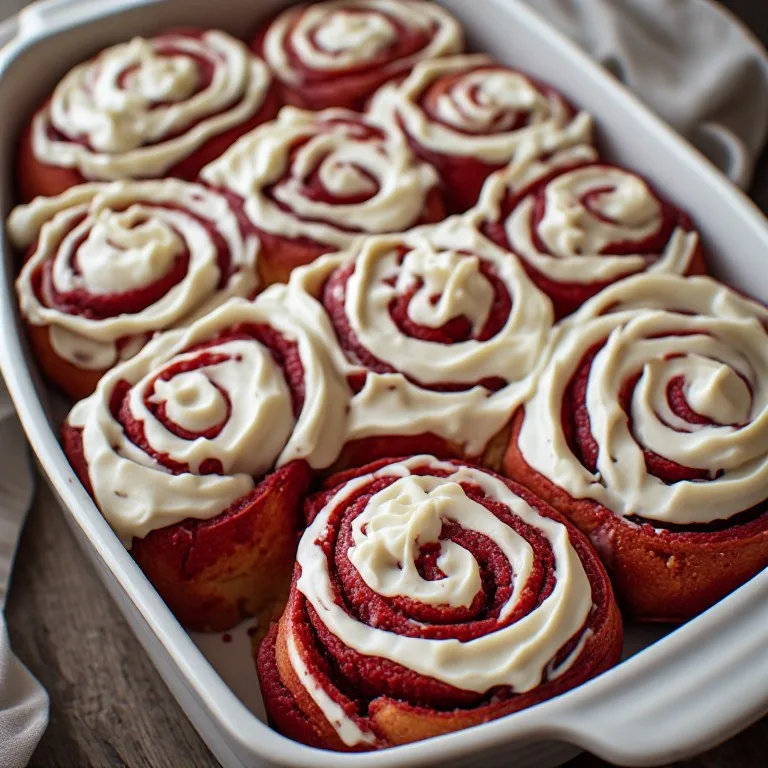
Vivid crimson dough spiraled with cinnamon-brown sugar filling and blanketed in thick cream cheese frosting: red velvet cinnamon rolls took TikTok’s baking community by storm because they’re as dramatic to look at as they are to eat. These combine the deep cocoa undertone and unmistakable cream cheese finish of red velvet cake with the warm, gooey pull-apart satisfaction of a fresh cinnamon roll — and land in a category all their own.
Why Red Velvet Works So Well as a Cinnamon Roll
Red velvet cake has always been a little theatrical. The crimson color, the subtle cocoa, the cream cheese frosting — it’s the most photogenic layer cake in the American repertoire. But it’s also a flat flavor profile once you dig in: sweet, mildly chocolatey, very soft. The cinnamon roll format fixes that. The filling adds the warm spice that the cake never had; the enriched brioche dough is more complex than standard cake layers; and the cream cheese frosting — the signature element — belongs on a roll even more naturally than it belongs on a cake.
The result is something that’s gained a permanent place in TikTok’s baking canon. It photographs dramatically, it bakes in a single morning, and it outperforms the sum of its parts.
The Tangzhong Technique: Why These Stay Soft
The single biggest difference between bakery-quality cinnamon rolls and the kind that are good fresh but hard and dry an hour later is water retention in the dough.
Tangzhong is the answer. It’s a Japanese technique used in Hokkaido milk bread and pan-Asian soft-roll baking: you cook a small amount of flour with liquid before adding it to the main dough. The heat gelatinizes the starch granules in that flour, causing them to absorb significantly more water than raw starch can hold — water that stays locked in through the bake. The practical result is a roll that’s softer out of the oven, holds its texture longer, and actually revives well when microwaved the next day.
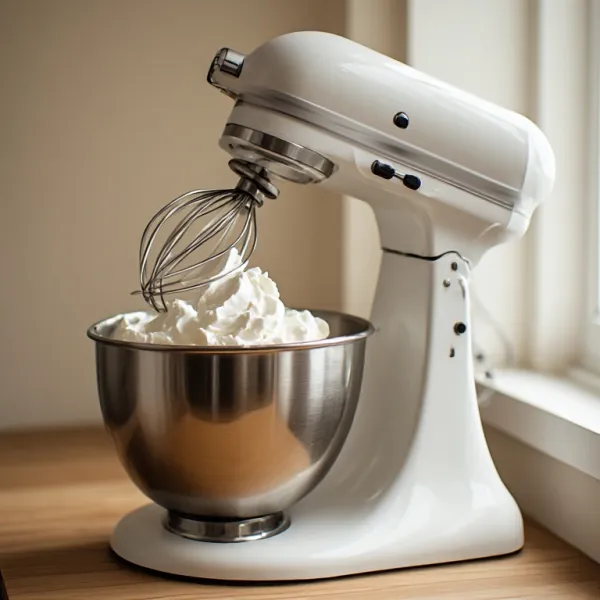
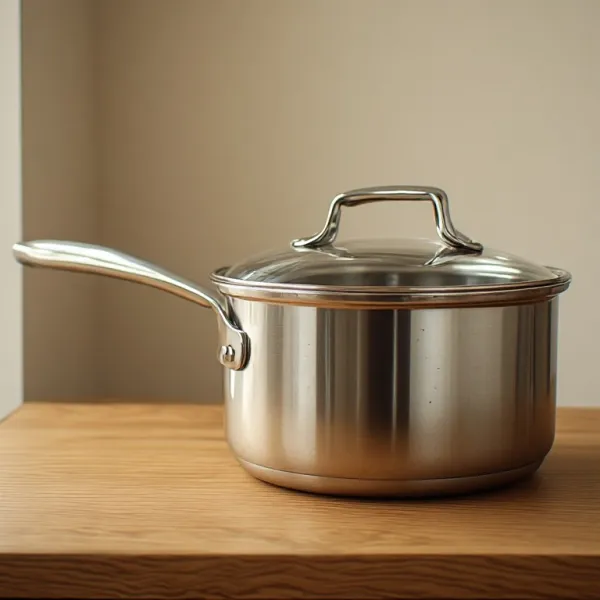
The tangzhong takes about 5 minutes and uses ingredients already in the recipe: 3 tablespoons of flour and half a cup of milk. Whisk them in a small saucepan and stir over medium-low heat until the mixture thickens into a paste. Done. Add it to the stand mixer bowl first and build the rest of the dough on top of it once it cools.
The Dough: What Makes It Red Velvet
Red velvet flavor comes from the combination of Dutch-process cocoa powder and red gel food coloring. The cocoa does the flavor work — it adds chocolate undertones without making the roll taste like a brownie. Two tablespoons is the right amount: present but restrained, a background note rather than the main event. The gel food coloring does the visual work. You need very little of it (1 teaspoon of a quality gel vs. nearly an entire bottle of liquid coloring), and it leaves no flavor behind.
Use gel or paste food coloring, not liquid. Brands like AmeriColor Super Red or Wilton No-Taste Red are widely available in craft stores and online. Liquid food coloring in the quantities needed would make the dough wet and potentially introduce a faint chemical bitterness. Gel coloring is stable, concentrated, and neutral in flavor.
The butter goes in last, after the dough has started to develop gluten. This is standard for enriched brioche-style doughs: adding fat too early coats the flour proteins before they’ve bonded, producing a weaker gluten network and a denser roll. Add the butter tablespoon by tablespoon, waiting for each piece to incorporate before adding the next.
The Filling: Brown Sugar, Cinnamon, and a Little More Cocoa
The filling adds a second hit of cocoa that ties the roll back to its red velvet identity. It’s subtle — just one tablespoon in the filling versus two tablespoons in the dough — but it deepens the overall flavor and keeps you from forgetting this isn’t a standard cinnamon roll.
The butter for the filling must be room-temperature soft, not melted. Melted butter soaks into the dough and pools at the bottom of the pan; properly softened butter spreads in a thin, even layer that holds the sugar filling in place through the roll.
The Bake: Why You Need a Thermometer
At 325°F, the rolls bake more gently than a standard recipe. This is deliberate: red velvet dough is dark, so you cannot use color as a doneness cue the way you normally would with pale dough. The exterior of these rolls will look matte and set long before the interior is fully baked. Pull at 185°F internal — insert the thermometer into the center of a center roll (the last to bake through). Under 180°F and the crumb will be doughy; over 195°F and you’ve dried them out.
The rolls will appear slightly underdone when you take them from the oven. That’s correct. They set up on the wire rack during the 10–15 minute rest. This carryover cooking is factored in.
The Cream Cheese Frosting: Frost While Warm
The frosting goes on warm rolls, not hot ones. Too hot and it melts into a thin liquid that soaks in rather than drapes over. Too cool and it sits on the surface without merging with the rolls at all. After 10–15 minutes of cooling, the frosting will spread thick, pool in the crevices between rolls, and form that glossy, slightly-melted finish that defines the TikTok aesthetic for this recipe.
Beat the cream cheese and butter until fully smooth before adding the sugar — any lumps in the cream cheese at this stage will not fully disappear once the sugar goes in.
Make-Ahead Strategy
These are genuinely better planned ahead. After cutting the rolls and placing them in the buttered pan, cover the pan tightly with plastic wrap and refrigerate instead of doing the room-temperature second rise. The cold slows the yeast dramatically; the rolls proof slowly in the fridge overnight (8–16 hours). In the morning, pull them out, let them sit at room temperature for 45–60 minutes to finish proofing and lose the chill, then bake as written. The slower cold rise develops more complex flavor in the dough — a mild tang from the long fermentation that makes the red velvet taste more interesting.