Biscoff Cheesecake — The Cookie Butter Dessert TikTok Can’t Stop Making
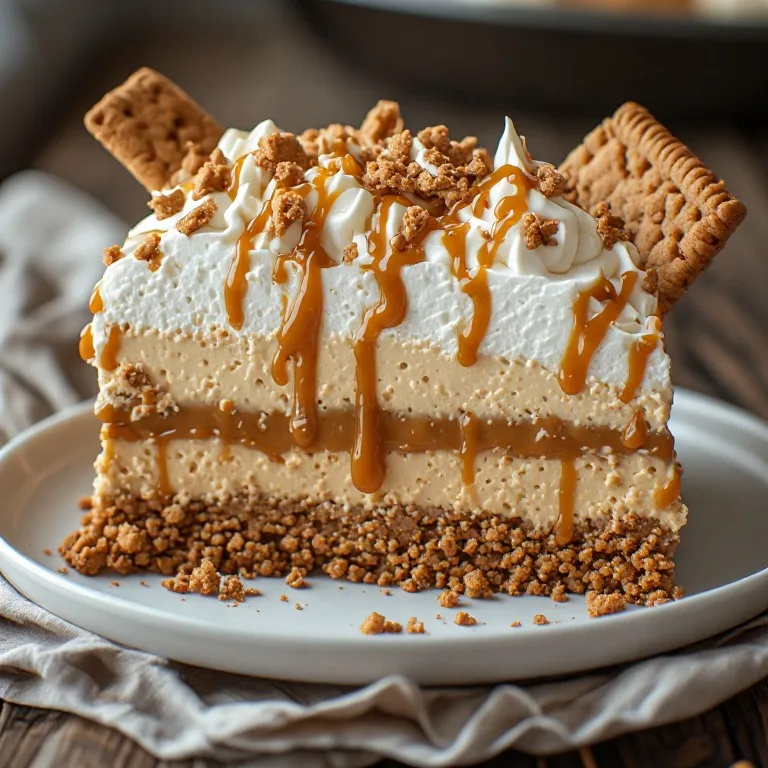
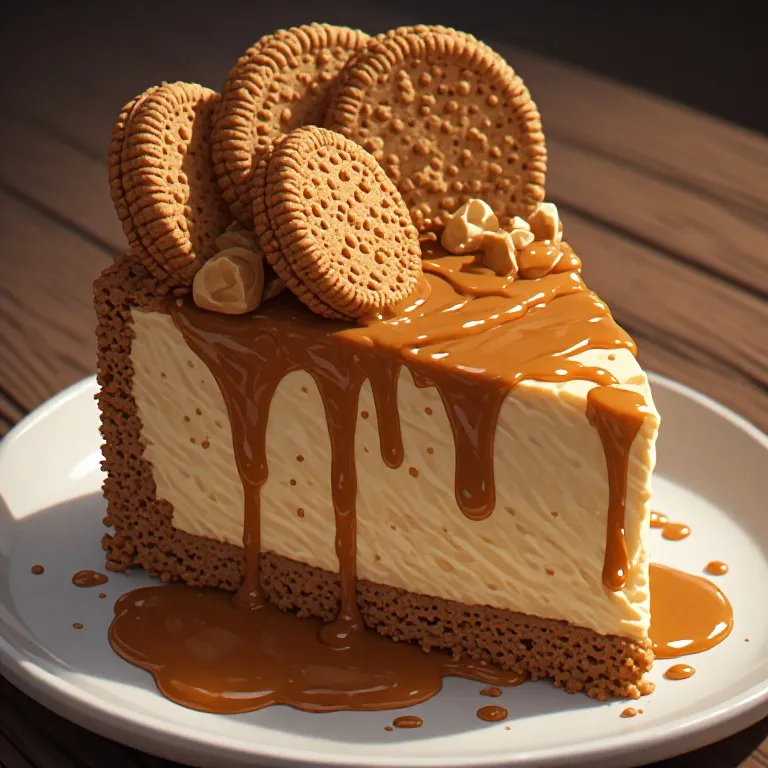
There’s a moment when a grocery store ingredient goes from niche to cultural phenomenon. For Biscoff cookie butter, that moment arrived gradually — first as a Delta Air Lines staple, then as a cult item in European grocery stores, and then TikTok got hold of it and turned it into a full-blown baking obsession. Biscoff cheesecake is the dessert that crystallized that obsession: creamy, warmly spiced, deeply caramelized, and visually stunning with its golden-brown color and cookie-studded crown.
The Biscoff Story
Lotus Biscoff cookies have been baked in Lembeke, Belgium since 1932 by Jan Boone Sr. The name is a portmanteau: bis (from biscuit) and coff (from koffie — coffee). They were designed as a coffee pairing and remained primarily a European staple until Delta Air Lines began serving them in the 1980s, creating an American fan base through inflight snacking.
Biscoff cookie butter spread — blended Biscoff cookies processed into a spreadable paste — was introduced by Lotus in 2007. It gained American attention around 2012 when it became available at Trader Joe’s. By 2022–2024, TikTok creators had made it one of the most viral baking ingredients on the platform, appearing in everything from overnight oats to ice cream to, most prominently, no-bake cheesecakes.
Why the Flavor Works So Well in Cheesecake
Biscoff cookies have a distinctive spice profile: cinnamon, ginger, cardamom, nutmeg, and clove — the same warm spices as German Lebkuchen or Dutch speculaas. This makes them naturally suited to cheesecake filling because warm spices and cream cheese have a natural affinity. Think of classic spiced pumpkin cheesecake or carrot cake cheesecake. The Biscoff spread amplifies this by adding caramelized sugar notes from the cookie baking process.
The filling in this recipe uses the spread twice — once in the cream cheese base (for flavor throughout) and once as a warm drizzle on top (for visual drama and an extra hit of that signature caramel-spice). Both uses serve different purposes, and the combination is what makes this cheesecake taste complete.
The Cookie Crust Advantage
Using crushed Biscoff cookies for the crust (instead of the usual graham crackers) deepens the flavor payoff of every bite. The crust and filling are made from the same base ingredient in different forms — cookies in the crust, blended cookie spread in the filling. This creates a cohesive, single-ingredient dessert identity rather than a contrast of flavors.
The crust should be pressed firmly and chilled well before filling. The butter binds the crumbs, but without the chilling step, the crust can crumble when you release the springform.
Serving and the Drizzle
The warm Biscoff drizzle on top is what makes photos of this cheesecake go viral. Warm the spread in the microwave for 20 seconds until it’s pourable (it will be viscous, not thin — that’s correct). Pour into a piping bag or zip-lock with a corner snipped, and pipe a loose, dramatic drizzle across the top. It sets at room temperature into a glossy, elegant finish.
Whole Biscoff cookies pressed around the edge or halved and placed on top look bakery-professional and require zero effort.
Variations
Biscoff Swirl: Reserve 3 tablespoons of filling before folding in the whipped cream. Spread the main filling in the crust, then drop tablespoons of the plain filling on top and swirl with a skewer for a marbled effect.
Dark Chocolate Biscoff: Melt 2 oz of dark chocolate and let it cool slightly. Swirl into the top of the filling before refrigerating for a chocolate-Biscoff combination.
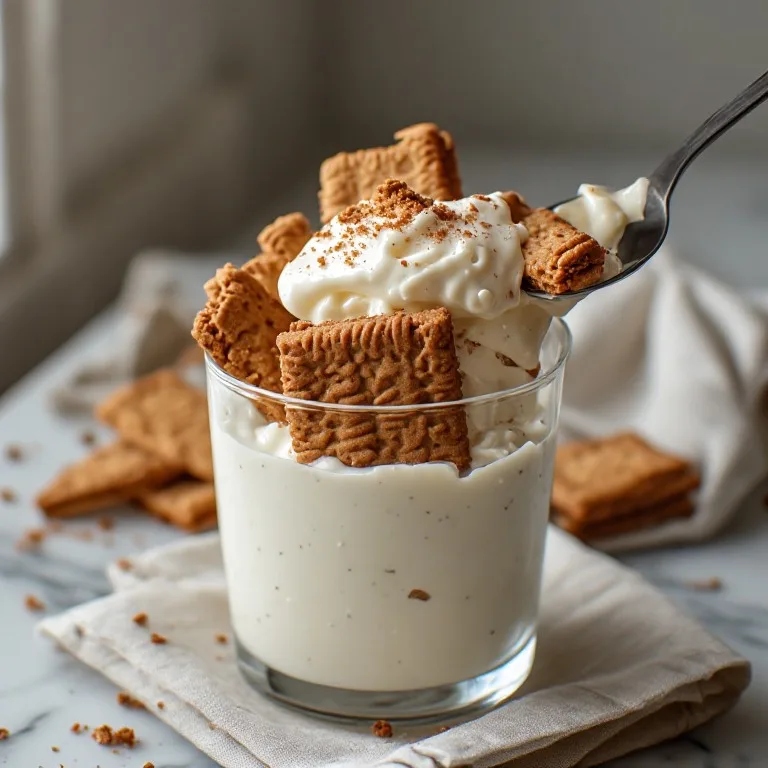
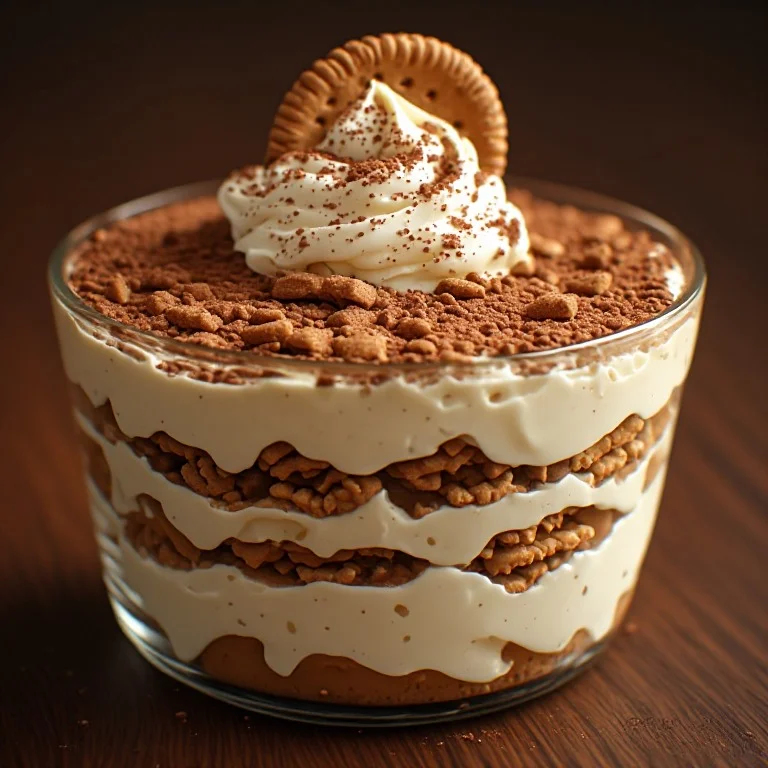
Individual Biscoff Jars: Layer crushed cookie crumbs, filling, and drizzle in individual mason jars for a no-pan, portable, picnic-ready dessert.