

Pin It

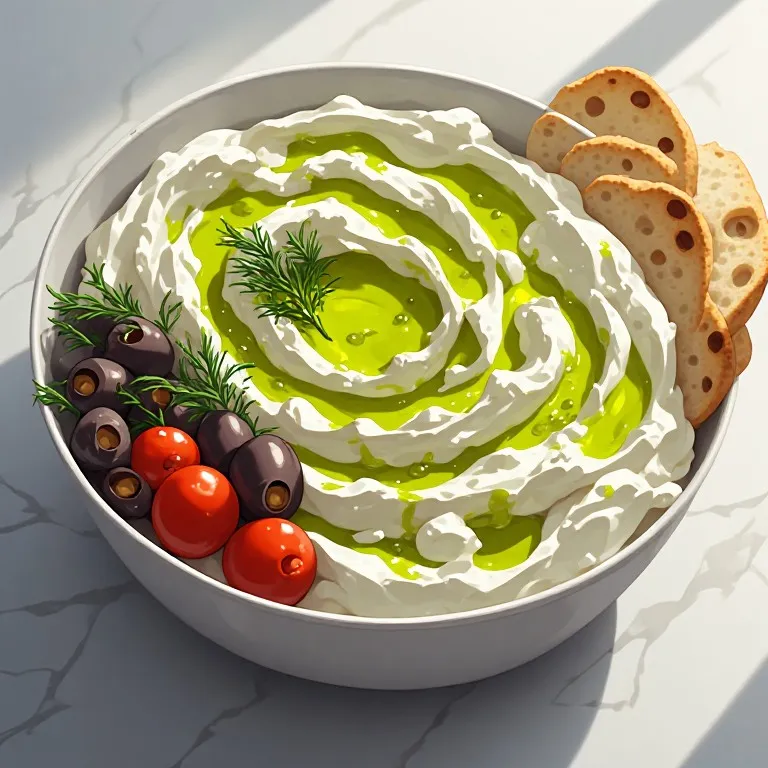
Whipped Feta Dip

Whipped Feta Dip
Jump to Recipe
Prep 5 min Cook 0 min Serves 6
Quick answer: Whipped feta is block feta blended with cream cheese and olive oil until impossibly smooth — a 5-minute dip that became the foundation of a hundred viral food trends and still holds up as one of the best things you can put on a party table.

Shop the tools

Gear matched to this recipe. These are Amazon affiliate links — we may earn a small commission if you buy, at no extra cost to you.

As an Amazon Associate, Copycat Spices earns from qualifying purchases. Product images are generic illustrations, not the exact item listed.

Whipped Feta Dip

Ultra-smooth whipped feta with lemon, garlic, and olive oil — the 5-minute dip that spawned a hundred viral riffs and still outperforms them all.

Easy Prep: 5 min Cook: 0 min Total: 5 min6 servings ~$2.80/serving
Prep5 min
Cook0 min
Total5 min
Servings
6
At home~$2.80/serving
vs
Restaurant~$12.60/serving
You save ~78%

The Story Behind the Recipe

Ultra-smooth whipped feta with lemon, garlic, and olive oil — the 5-minute dip that spawned a hundred viral riffs and still outperforms them all.

Nutrition Facts

Per serving (6 servings)
Calories175
Total Fat15g
Total Carbs3g
Dietary Fiber0g
Sugars1g
Protein6g
Sodium430mg

* Estimated values based on standard recipe preparation. Actual values may vary.

Ingredients

Instructions

💡
Pro tip: This recipe tastes even better the next day. The flavors need time to meld together in the fridge.
❄️
Storage: Keeps in an airtight container in the fridge for up to 2 weeks. Freezer-friendly for up to 3 months.
🎃 Free Halloween cookbook — download now The Copycat Halloween Cookbook A ready-made, photo-illustrated PDF of our best halloween copycat recipes — free to download, no building required. Pay what you want to support if you love it.

Free PDF — instant download. We'll also send new seasonal copycat recipes now and then; unsubscribe anytime. Or just download it →

Whipped Feta Dip — The 5-Minute Foundation of a Thousand Viral Recipes

Before hot honey feta, before baked feta pasta, before every Greek-leaning TikTok food moment of the last three years, there was just whipped feta. Creamy, tangy, silky smooth, with that unmistakable sharp funk of good feta cut by olive oil and lemon. It is arguably the most influential five-minute recipe of the modern social media food era, and it still outperforms every riff built on top of it.

The Recipe That Started It All

Whipped feta predates TikTok — it’s been on restaurant menus and in Greek and Turkish home kitchens forever, though typically in rougher form. The viral version that blew up around 2020–2022 stripped it to essentials: feta, cream cheese, olive oil, lemon, process until smooth, drizzle, plate. The combination was novel to most American home cooks who had only ever seen feta crumbled on salad. Seeing it turn into something that looked like the smoothest hummus you’d ever seen, in two minutes, with four ingredients, was the content hook. The taste was what kept people coming back.

The Processing Secret

Two minutes of processing sounds like a lot. It isn’t. Feta has a crumbly, grainy protein structure. After 30 seconds in a food processor it looks smooth but isn’t — run your tongue over a little bit and you’ll feel the graininess. Keep the processor running and around the 90-second mark something changes: the texture goes from “smooth-looking” to actually, genuinely silky. The fat emulsifies into the protein and you get a dip that feels almost whipped, with real airiness. Don’t stop at “looks done.” Stop at “can’t imagine it getting smoother.”

Cream Cheese vs. No Cream Cheese

Purists use only feta, olive oil, and lemon — and that version has a more intense, brinier flavor. The cream cheese version is milder, creamier, and thicker, making it better for dipping (less likely to run off your chip). The cream cheese also reduces the salt intensity, which matters if your feta is particularly salty. For a party dip, cream cheese is the right call. For a restaurant-style meze plate, pure feta is more traditional.

Serve It at Room Temperature

The one step almost everyone skips: don’t serve whipped feta cold from the fridge. Feta is sharp, briny, and aggressive at refrigerator temperature — the same intensity that’s great crumbled on a salad reads as harsh when the cheese is the whole flavor. Pull the dip out and let it sit 15 minutes before topping. The fat softens, the pungency rounds off, and the honey or oil sinks slightly into the surface instead of sitting on top. It goes from challenging to genuinely inviting.

Topping Combinations That Work

The white canvas of whipped feta is the point — it’s a platform for anything you want.

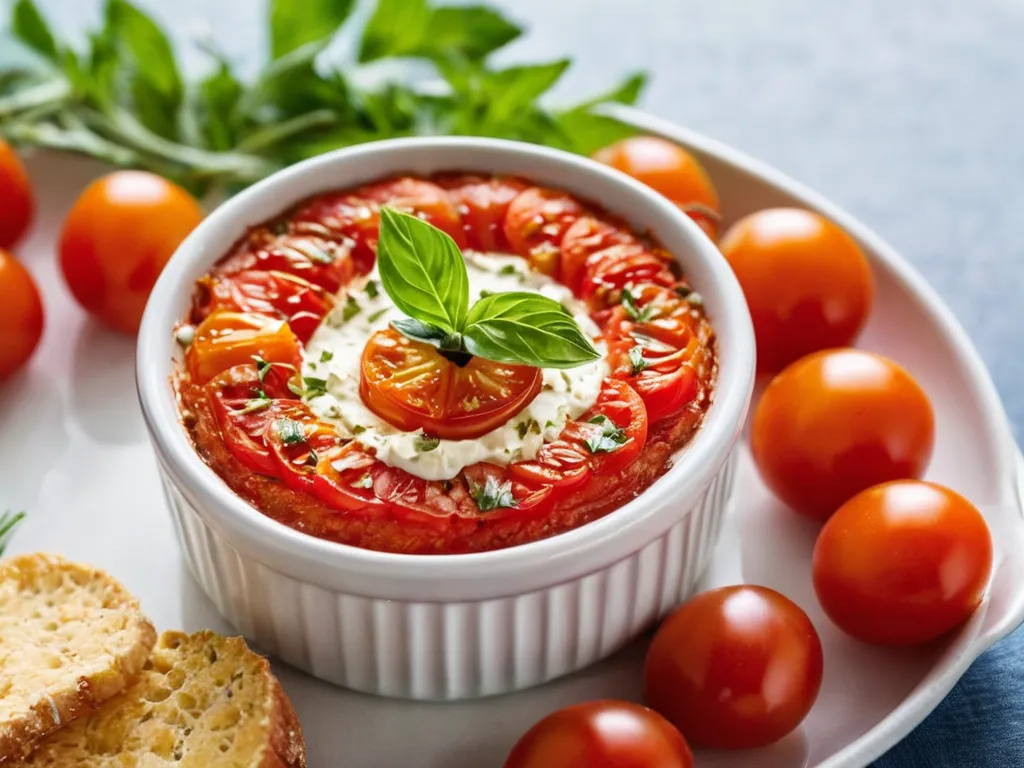
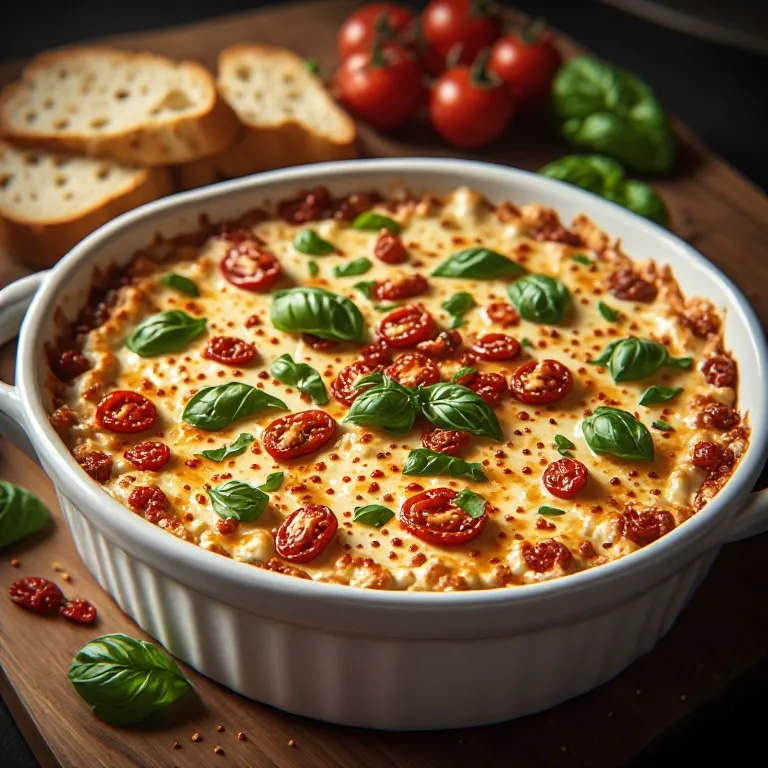
Summer: Roasted cherry tomatoes that have burst and caramelized, fresh basil, a crack of black pepper, good olive oil.

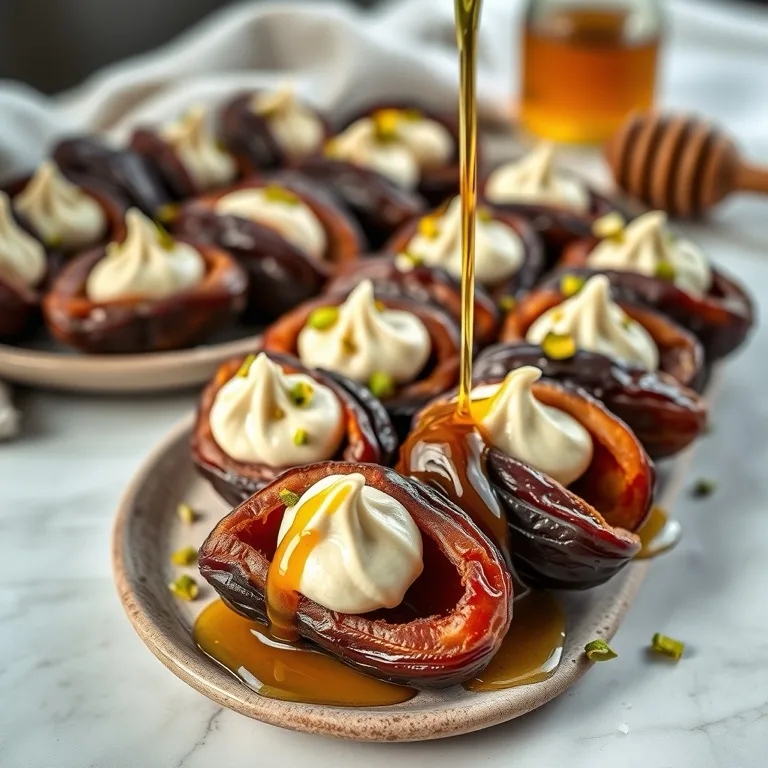
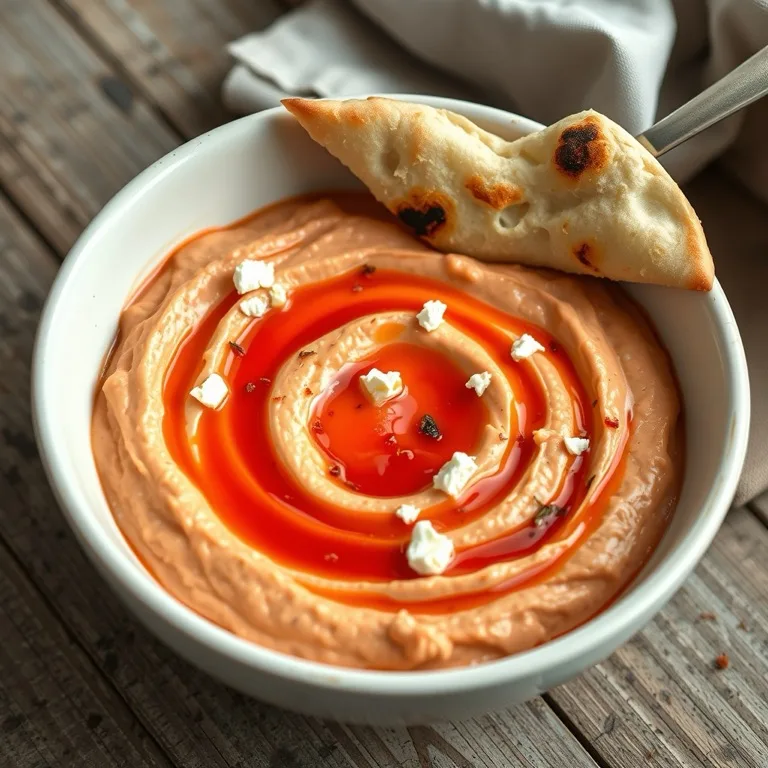
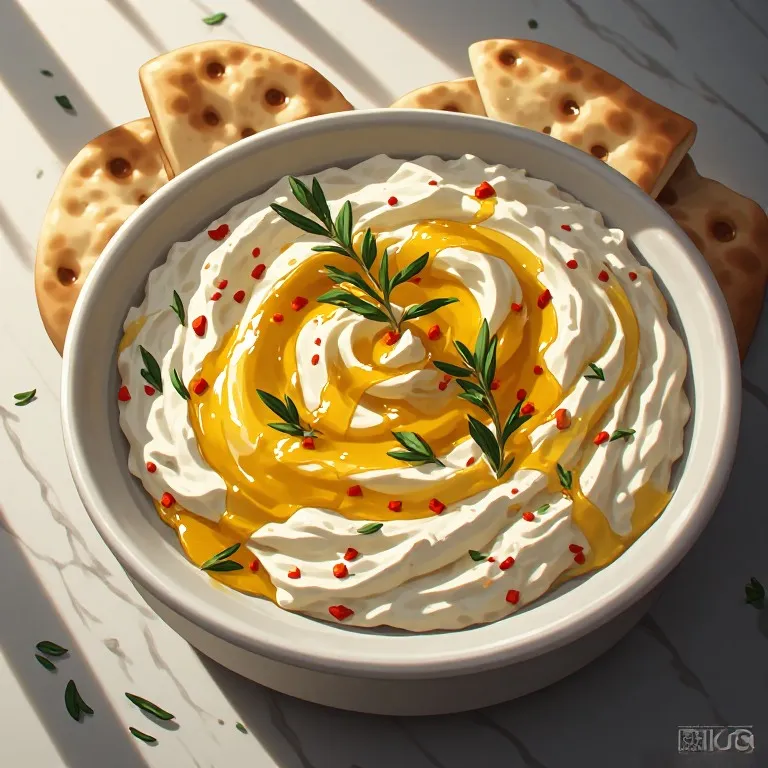
Fall/Winter: Hot honey, chopped roasted pistachios, fresh thyme, flaky salt. The honey-and-pistachio version is the single most-shared topping combination — the honey pools in the swirls while the pistachios add crunch and color. Swap half the pistachios for pomegranate arils in late fall for a tart, dramatic red-and-green finish.

Spicy: Chili oil (the crunchy Sichuan kind), sliced scallions, sesame seeds.

Mediterranean: Kalamata olives, marinated artichokes, roasted red peppers, lemon zest.

Simplest: Just olive oil, flaky sea salt, and cracked black pepper. Sometimes the restraint is the point.

Make It a Meal

Whipped feta doesn’t have to be a dip. Spread it on toast as a base for avocado or smoked salmon. Dollop it alongside grilled chicken or lamb. Use it as the base layer in a grain bowl under roasted vegetables. The same batch that serves 6 as a dip serves 2 as a full meal component — make it once, use it all week.

For a bigger spread, set whipped feta next to a butter board and a baked tomato feta dip — the three read differently enough that guests graze across all of them. If you love the salty-sweet-crunchy angle, the Dubai pistachio cream spread lives in the same flavor family.
🥗

Make It Healthier

Love Whipped Feta Dip but want a lighter version? Try these simple swaps:

  • ✓Use reduced-fat feta to trim calories while keeping the signature tangy flavor.
  • ✓Increase Greek yogurt to 4 tablespoons and eliminate cream cheese for a lighter, protein-higher result.
  • ✓Load up on vegetable dippers — cucumbers, radishes, fennel slices, endive — instead of pita to keep it low-carb.
  • ✓A squeeze of lemon brightens the dip so you can cut back on salt without losing punch.

Frequently Asked Questions

Can I make whipped feta ahead of time?

Yes — the base keeps refrigerated in an airtight container for up to 5 days, and the flavor actually mellows and improves after the first 24 hours. Add toppings only right before serving, and don't add honey ahead of time: it absorbs into the surface overnight and loses its glossy drizzle. The dip thickens as it chills; pull it out 15–20 minutes before serving to soften, and stir in a splash of water or yogurt if you need to loosen it.

What kind of feta should I use?

Block feta packed in brine gives the best flavor and texture. French feta (sheep's milk) is creamier and more delicate; Bulgarian feta is tangier; authentic Greek PDO feta (sheep's milk, or sheep and goat) is the classic middle ground. Avoid reduced-fat feta — the fat is what carries flavor and lets the dip emulsify smooth.

Why shouldn't I use pre-crumbled feta?

Pre-crumbled feta is coated with anti-caking agents — usually powdered cellulose, sometimes starch — that keep the crumbles from sticking together in the package. Those same coatings prevent the cheese from emulsifying in a food processor, so pre-crumbled feta processes into a fine, slightly gritty paste that never turns truly creamy no matter how long you run it. Block feta has none of those coatings and whips smooth in 2–3 minutes. If block feta isn't available, buy a block and crumble it yourself rather than reaching for the pre-crumbled tub.

How is whipped feta different from tzatziki?

They're both Greek but have almost nothing in common. Tzatziki is yogurt-based — strained Greek yogurt with grated cucumber, garlic, and dill — light, cooling, and low in fat, traditionally served alongside grilled meat. Whipped feta is feta-based: rich, dense, salty, and creamy, meant to be the feature of the plate rather than a cooling counterpoint. Both can share a mezze spread, but they play opposite roles.

Can I add garlic, and should it be raw or roasted?

Use roasted garlic, not raw. A single raw clove processed into the feta turns aggressively sharp and overwhelms everything. Roasted garlic (a whole head at 375°F for about 45 minutes until jammy and caramel-sweet) adds deep garlic flavor with no harshness — process 2–3 cloves in with the feta. Garlic confit works the same way, and its infused oil makes a beautiful drizzle on top.

What toppings work best?

Roasted cherry tomatoes with fresh basil, marinated olives with lemon zest, hot honey with walnuts, or a simple drizzle of chili oil. The base is neutral enough to support almost anything Mediterranean or spicy.

My whipped feta is still grainy — what went wrong?

Process longer. Feta needs at least 90 seconds of continuous processing to break down the protein structure. It looks smooth after 30 seconds but keep going — the texture dramatically improves in the next minute.

Love this recipe? Share it!

Free PDF: our 12 most-wanted copycat recipes — instant download.

Made it? Buy us a coffee

Every recipe here is free, with no paywalls. If this one was a hit at your table, a small tip keeps new copycats coming.

$

Ratings & Reviews

—
No ratings yet

Rate this recipe

Click a star to rate

Leave a Review

0/500

CS

Copycat Spices Editorial

Researched + fact-checked. Every recipe on Copycat Spices is built from published sources — official ingredient lists, brand-published recipes, interviews and food-science references — and fact-checked before it goes live, then written as clear, step-by-step instructions for home cooks of all skill levels.

Learn more about our mission →