P.F. Chang's Copycat Recipes
P.F. Chang's Chicken Lettuce Wraps and Mongolian Beef are two of the most-ordered dishes in American Chinese-American dining. Our copycats hit the exact sauce balance and texture that makes them irresistible.
8 recipes
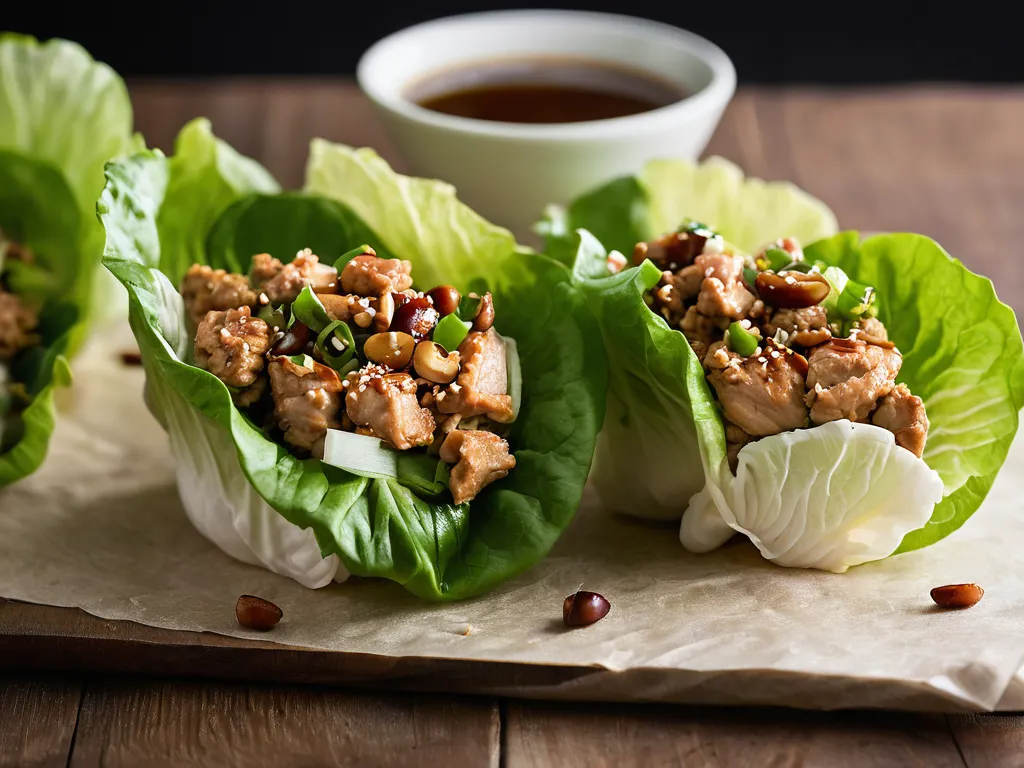
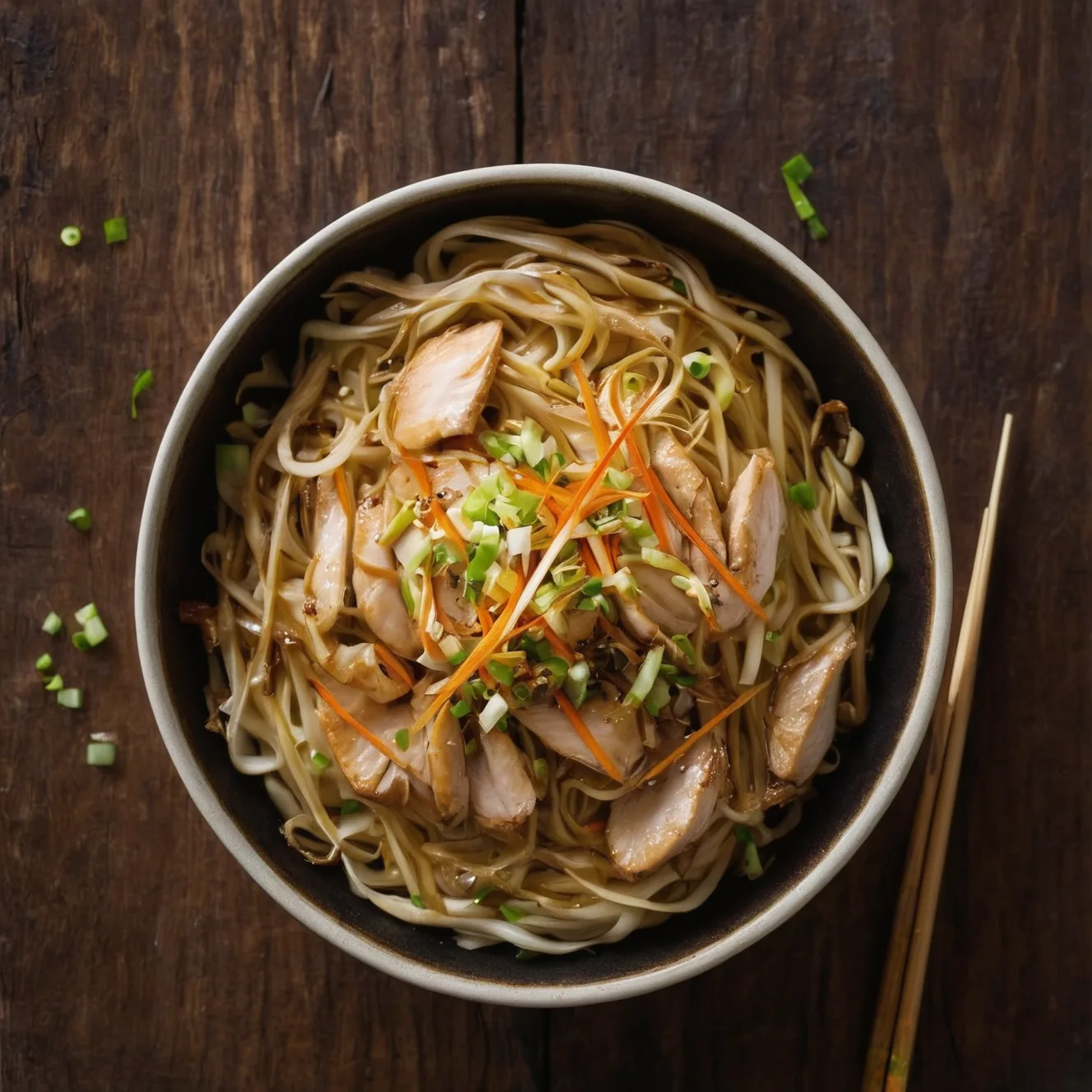
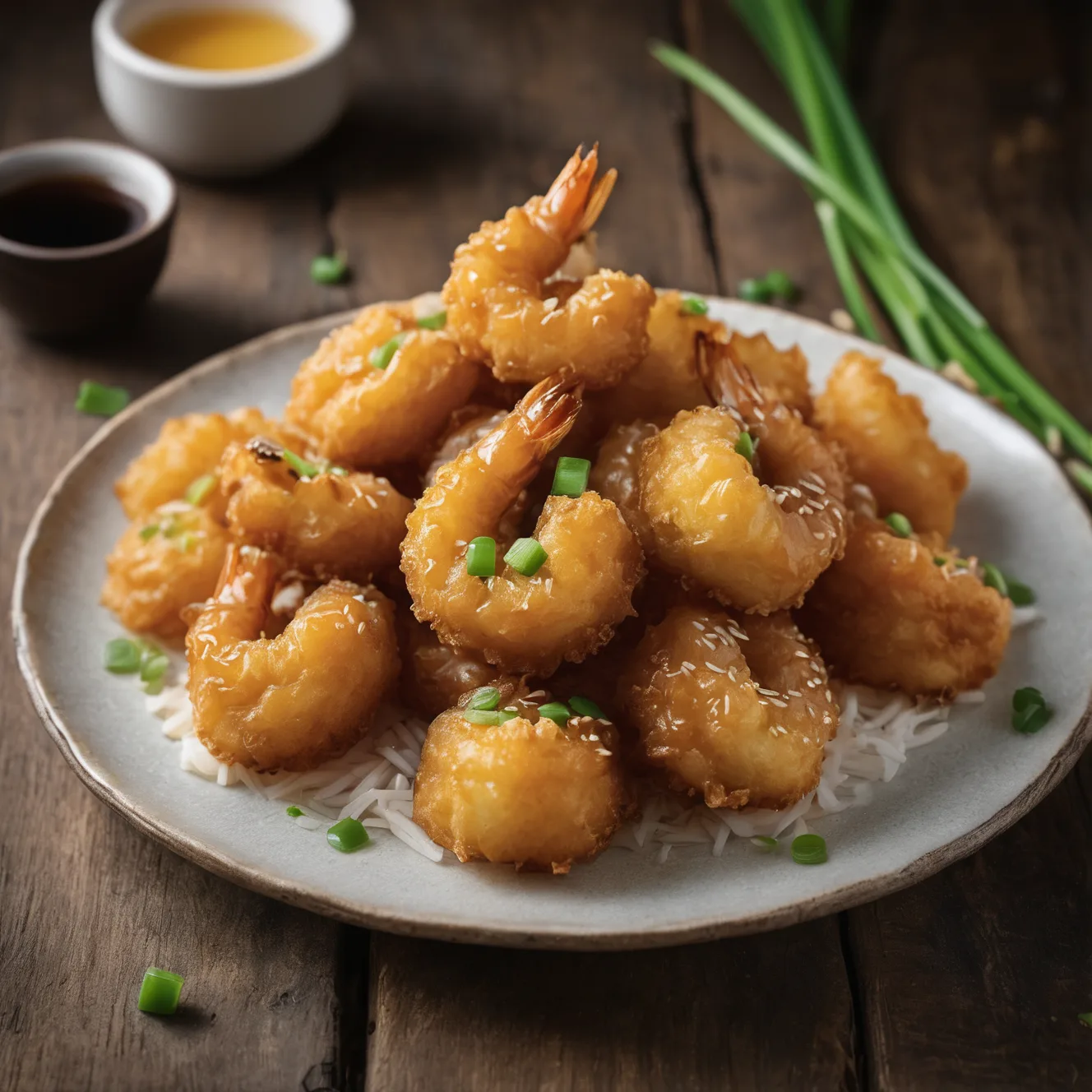
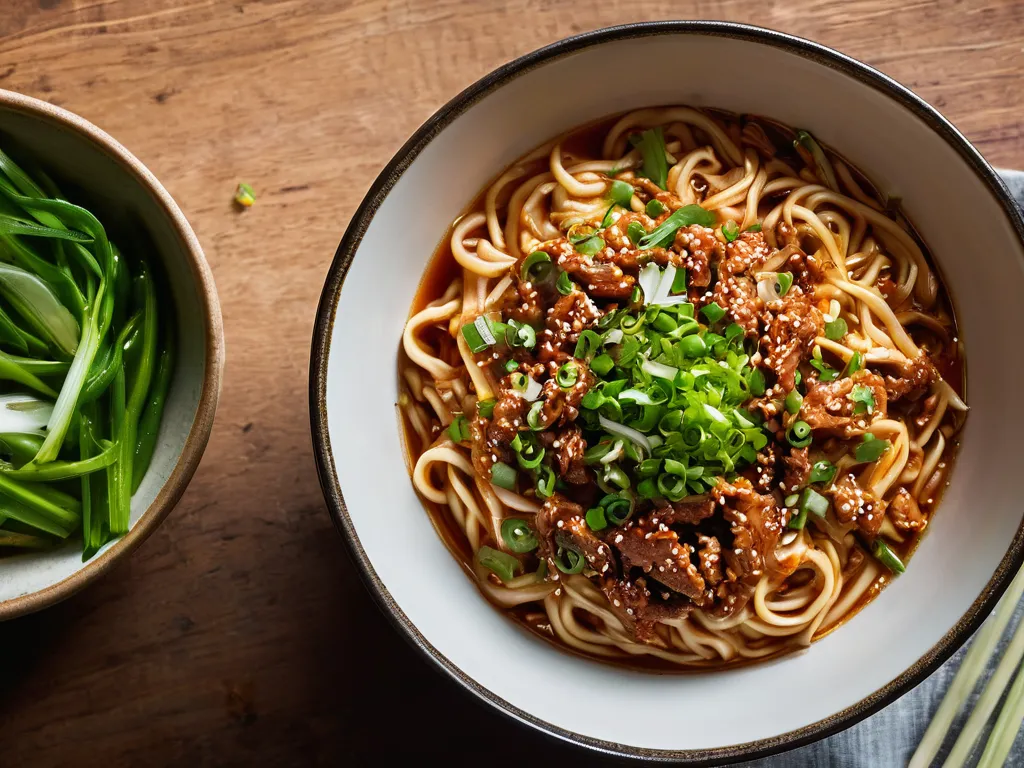
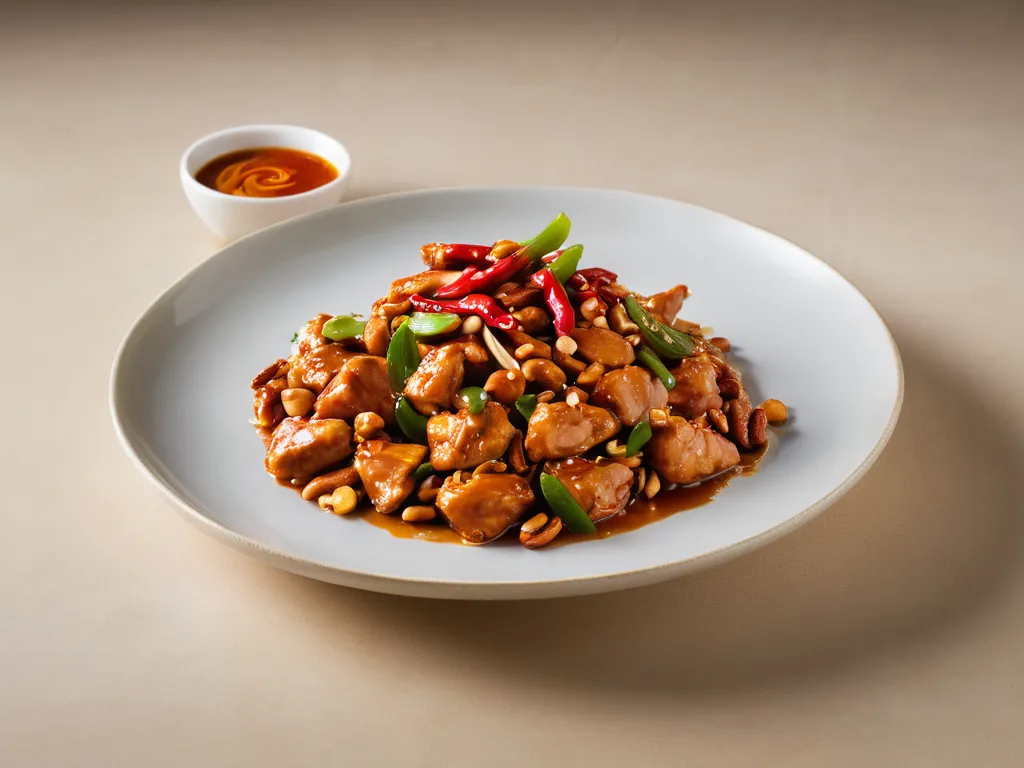
P.F. Chang's was founded in 1993 in Scottsdale, Arizona by Paul Fleming and Philip Chiang. The restaurant's signature is Chinese-American dishes adapted for American palates: sauces that lean sweeter and more soy-forward than their Chinese counterparts, with larger portions. The Chicken Lettuce Wraps use finely diced (not ground) chicken cooked with hoisin, soy sauce, rice wine vinegar, sesame oil, and water chestnuts — the water chestnuts are the textural element most home versions skip, and they're what gives each bite its signature crunch. The Signature Lo Mein uses thick egg noodles wok-tossed with shiitake mushrooms, snap peas, celery, carrot, cabbage, bean sprouts, and velveted chicken in a soy-oyster sauce — the velveting step (egg white + cornstarch coating before cooking) is what produces the silky chicken texture most home versions miss entirely. The Garlic Noodles — a fan-requested return added in September 2025 — use lo mein noodles stir-fried in a chili-spiced garlic butter sauce (butter-forward, not soy-forward; the garlic is bloomed low-and-slow to avoid bitterness). The Mongolian Beef sauce is thick and glossy: brown sugar, soy sauce, garlic, ginger, cornstarch slurry, and green onions. The Crispy Honey Shrimp uses butterflied jumbo shrimp in a tempura-style batter glazed with a rice wine, honey, and rice vinegar sauce — the butterfly cut is what separates the restaurant version from generic honey shrimp copycats. Our P.F. Chang's copycats cover Chicken Lettuce Wraps, Chicken Lo Mein, Garlic Noodles, Mongolian Beef, Crispy Honey Shrimp, Dynamite Shrimp, Kung Pao Chicken, Dan Dan Noodles, and Spicy Chicken.
Frequently Asked Questions
What makes P.F. Chang's Lettuce Wraps different from others?
Two things: (1) the chicken is finely diced, not ground — dice it to 1/4-inch cubes so it stays distinct instead of becoming a paste; (2) water chestnuts are not optional — they're what provides the crunch that keeps the filling from being monotonous. The sauce balance is hoisin-forward with soy, rice wine vinegar, sesame oil, fresh ginger, and garlic. Serve in whole iceberg leaves — the cold crunch against the warm filling is the whole point.
Is Mongolian Beef complicated to make?
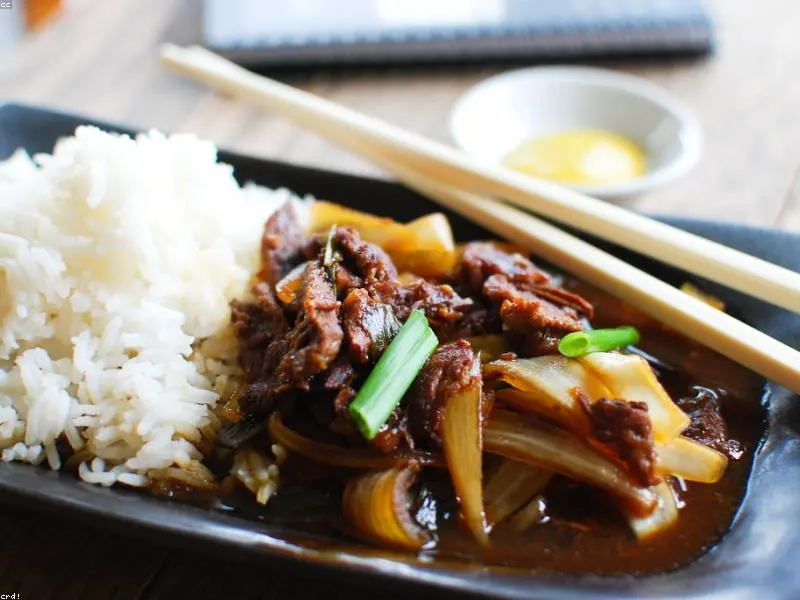
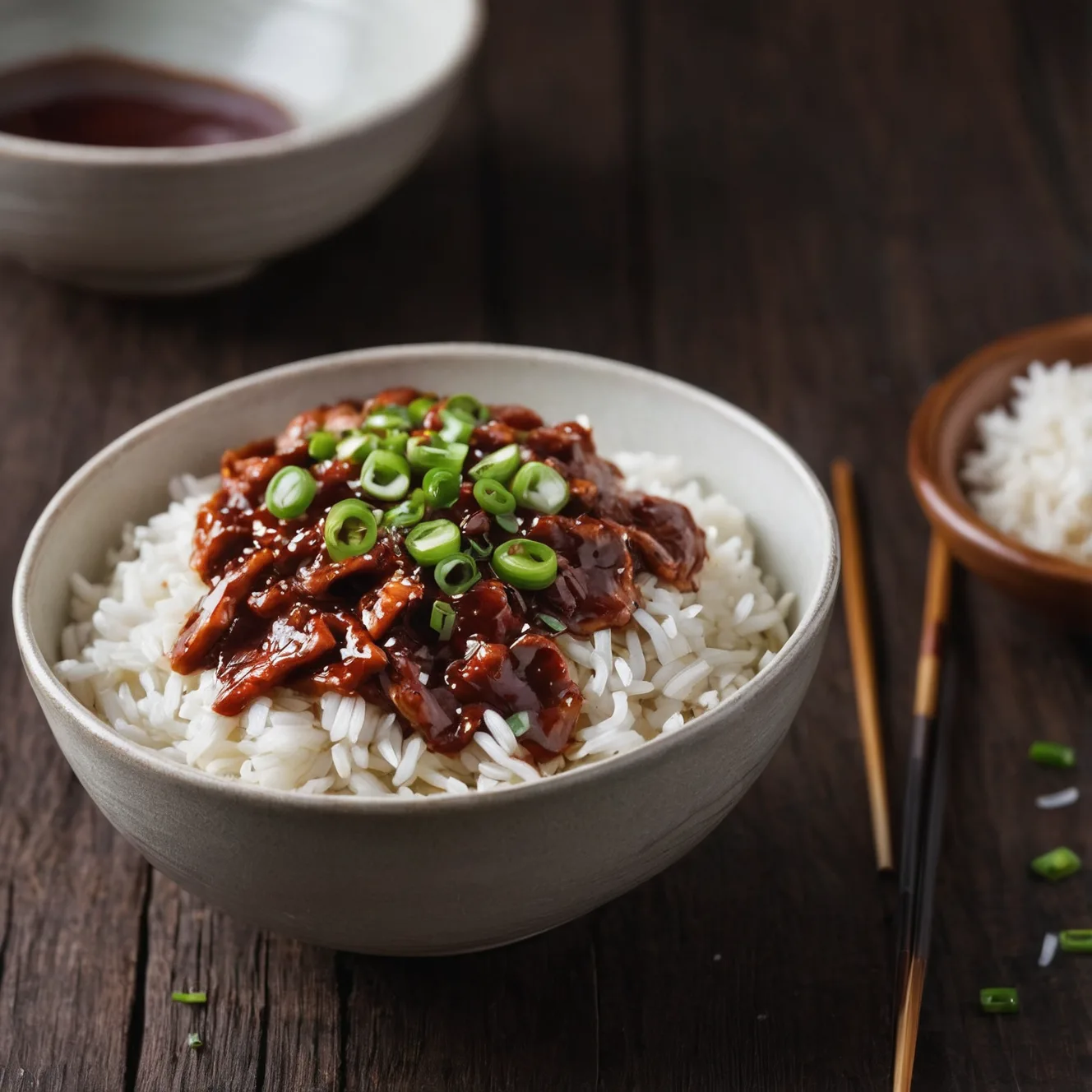
No — it's one of the faster Chinese-American recipes. Slice flank steak thin (1/8 inch) against the grain, toss in 2 tbsp cornstarch, flash-fry in 1/4 inch of oil until the edges are crispy (2–3 minutes total), drain. Make the sauce in the same pan: minced garlic and ginger in a little oil, then 1/4 cup soy sauce, 1/4 cup brown sugar, 1/4 cup water reduced 2 minutes. Add the beef back and toss with sliced green onions. Total: 20 minutes.
What's the difference between P.F. Chang's and Panda Express orange chicken?
P.F. Chang's version (Chang's Crispy Honey Chicken) uses a lighter tempura-style batter and a glaze made from fresh-squeezed orange juice, honey, soy sauce, ginger, and a touch of red pepper flakes. Panda Express uses a thicker batter and a sweeter corn-syrup-forward sauce. P.F. Chang's is lighter and more citrus-forward; Panda Express is crunchier with a more intensely sweet sauce. The cooking technique is the same: batter, deep-fry, toss in sauce.
What makes P.F. Chang's Crispy Honey Shrimp different from regular honey shrimp?
Two things: the butterfly cut and the rice wine in the sauce. Butterflying opens each shrimp flat before battering, which doubles the surface area for the batter to cling — the crust covers more of the shrimp and holds the thick honey glaze instead of letting it pool at the bottom of the plate. The sauce uses Shaoxing rice wine (or dry sherry) alongside the honey, rice vinegar, soy sauce, and garlic — the rice wine adds malty, fermented depth that prevents the sauce from being one-dimensional sweet. A cornstarch slurry thickens the sauce to a glossy lacquer consistency. No heat, no mayo — the flavor profile is purely sweet-tart-savory.
What kind of wonton wrappers does P.F. Chang's Wonton Soup use?
Thin square wonton wrappers (not the thick gyoza-style). Fill with a mix of ground pork, shrimp (minced), ginger, garlic, soy sauce, sesame oil, and a touch of cornstarch. Fold into a triangle, wet the edges, press firmly. The soup broth is a clear chicken stock seasoned with soy sauce, sesame oil, white pepper, and green onion — simple and clean. Cook wontons in simmering (not boiling) broth: 3–4 minutes until they float and the wrapper is translucent.
What's the difference between P.F. Chang's Lo Mein and Chow Mein?
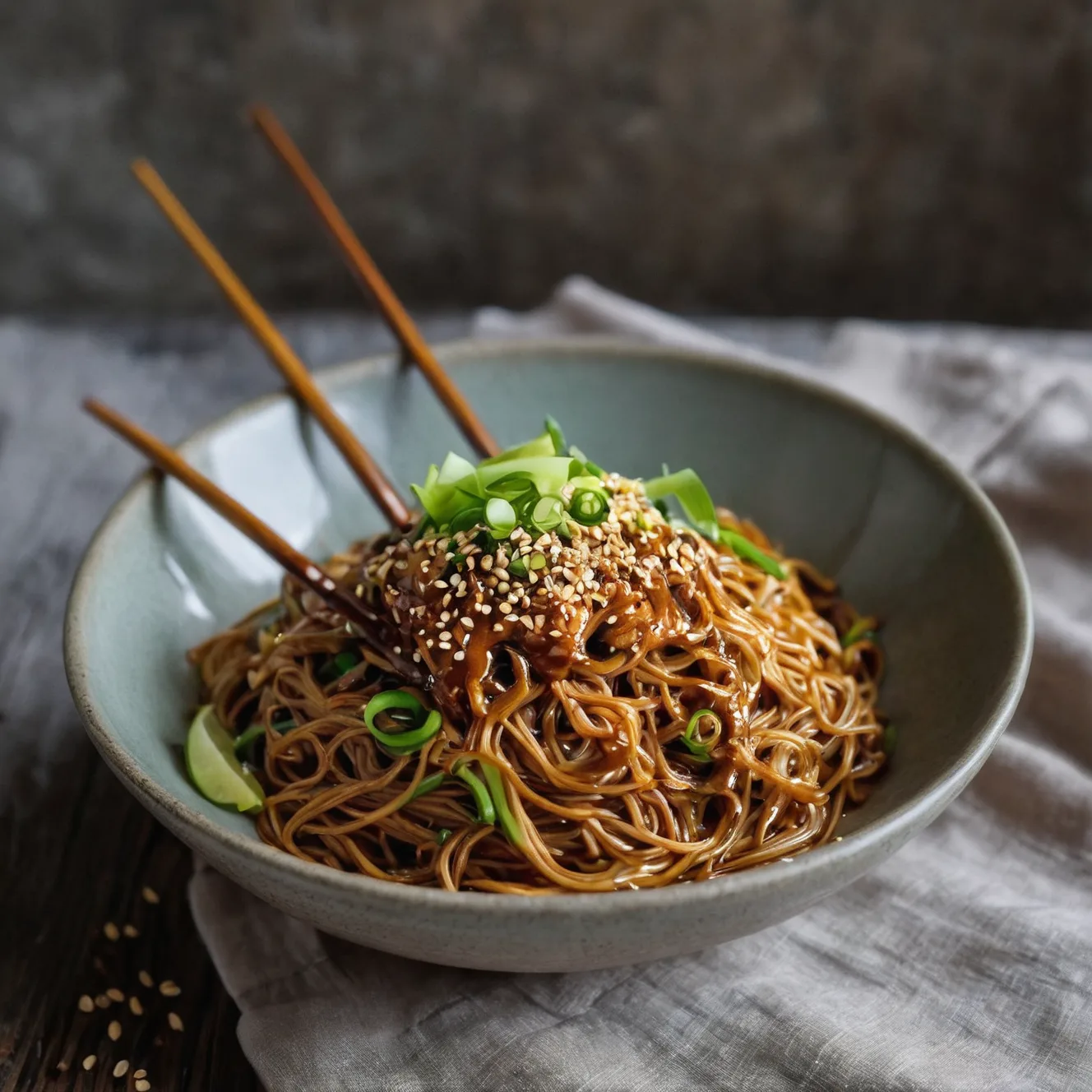
P.F. Chang's Signature Lo Mein uses thick, pre-boiled egg noodles tossed in a soy-oyster sauce with shiitake mushrooms, snap peas, carrot, celery, cabbage, bean sprouts, and velveted chicken — the noodles stay soft and chewy. Chow mein, by contrast, uses thinner noodles that are pan-fried until partially crispy or formed into a crisped noodle cake. P.F. Chang's current menu features Lo Mein as their flagship noodle dish. The key home-version mistake for Lo Mein: not velveting the chicken. The restaurant coats sliced chicken in egg white and cornstarch before stir-frying, which creates a silky texture that plain pan-fried chicken cannot match.
What are P.F. Chang's Garlic Noodles, and when did they come back?
P.F. Chang's Garlic Noodles are lo mein noodles stir-fried in a chili-spiced garlic butter sauce — officially described as 'savory stir-fried noodles in chili-spiced butter and garlic sauce.' The dish is listed under Shareable Sides and priced at approximately $12. It returned to the menu on September 24, 2025 after being removed in an earlier round of menu simplification; the return was specifically attributed to sustained social media fan demand. The key differentiator from the Signature Lo Mein: butter (not oil) is the primary cooking fat, the garlic is cooked low-and-slow to develop sweetness rather than high-heat, and there are no vegetables — it is a pure, concentrated garlic noodle side dish.