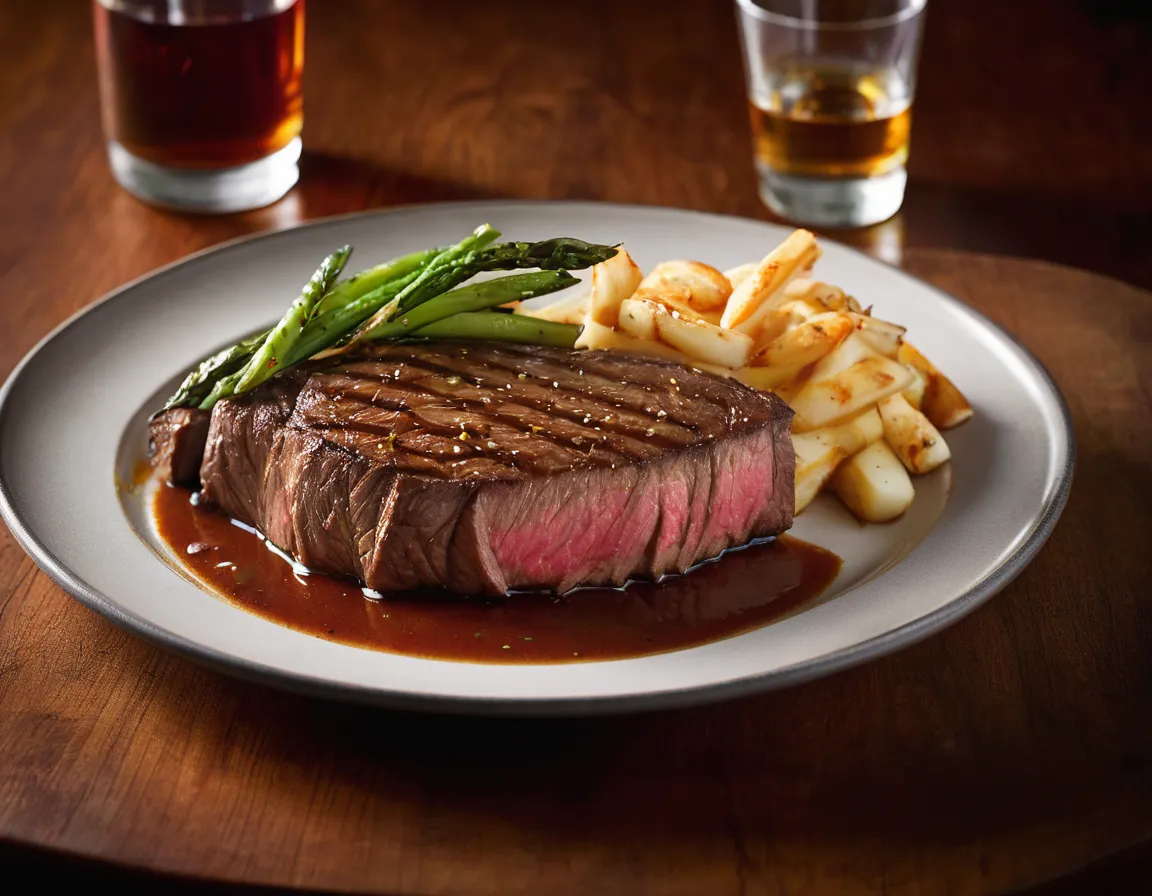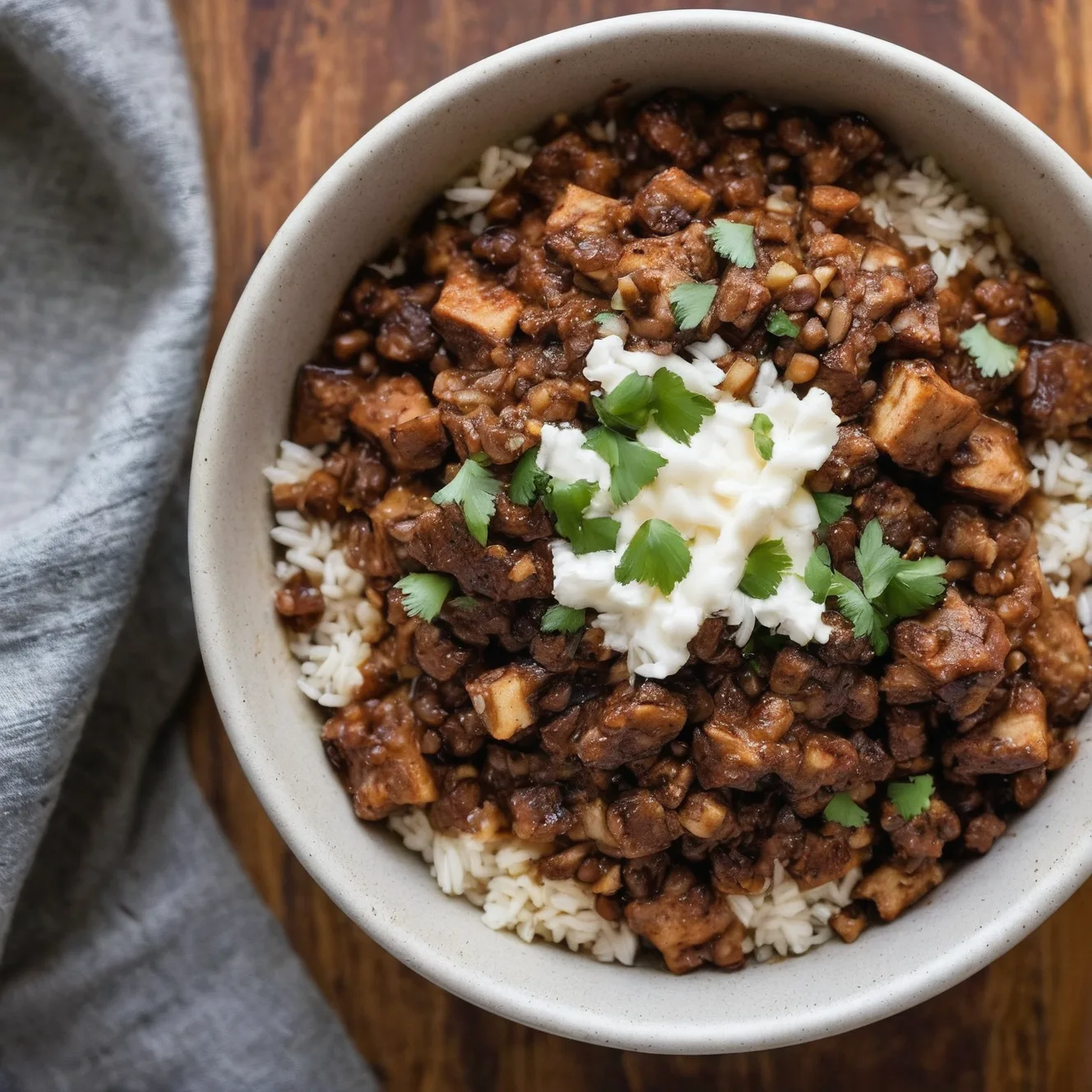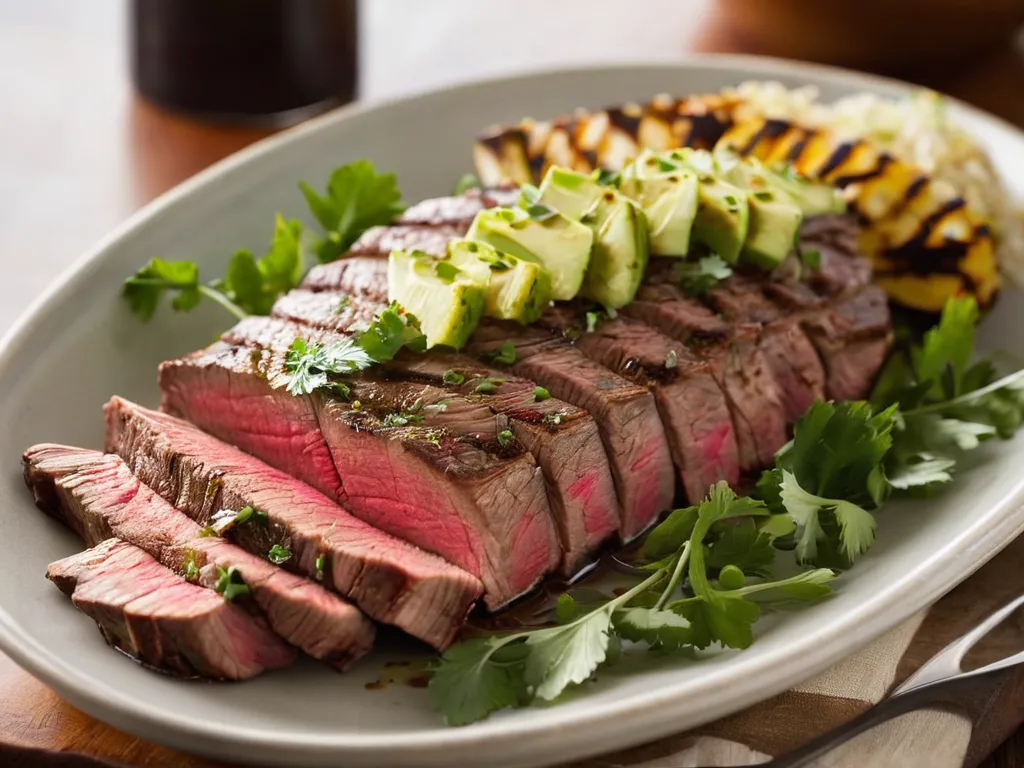
Most Chipotle steak copycat recipes list ancho and guajillo chilis in the marinade. That is wrong. The actual ingredient that drives Chipotle’s steak flavor is Morita — a smoked, dried jalapeño — combined with a small amount of Arbol for heat. Ancho and guajillo appear in Chipotle’s Garlic Guajillo Steak, a limited-time item from 2022. The permanent steak on the board right now is built on a completely different spice base, and getting it right means starting with the right chili.
What Chipotle’s Steak Actually Is
The restaurant’s standard steak uses economical round cuts — bottom round, top round, eye of round, and similar cuts from the back leg of the cow. These cuts are lean and naturally tougher than a ribeye or flank steak. To make them work, Chipotle cooks them sous vide (in a water bath at precisely controlled low temperature) and then finishes them on the plancha, a large flat-top griddle that runs extremely hot. The sous vide step tenderizes the tougher muscle fibers; the plancha step builds the char and crust.
For home cooking, this approach requires a sous vide circulator and a very hot cooking surface — achievable but extra equipment for what is ultimately an economical result. Flank steak or skirt steak bypasses all of that: they are naturally tender cuts that respond perfectly to a high-heat cast-iron sear, and the eating experience is arguably better than the round cuts Chipotle uses for cost reasons.
The real thing to replicate at home is the marinade. Get that right and the rest is straightforward technique.
The Morita Chili Difference
Morita chili peppers are dried, smoked jalapeños — they are in the same family as chipotle peppers (also dried, smoked jalapeños) but they are picked when red and smoke-dried to a shorter, darker, more wrinkled form. Moritas tend to be spicier and more intensely smoked than the chipotles typically canned in adobo sauce. The flavor is concentrated and fruity-smoky rather than the milder, earthier profile of ancho.
If you have a Latin grocery store nearby, dried Moritas are usually in the chili section for a few dollars. Online they are widely available. The investment is worth it for the full flavor.
If you cannot find Moritas, chipotle peppers in adobo sauce (the canned version at any supermarket) are the best substitute — they share the same smoked jalapeño DNA and will get you 80-90% of the way there. The recipe below covers both approaches.
Choosing the Right Cut
Flank steak is the recommended cut for this recipe. It is a flat, wide cut from the abdominal muscle with visible grain running along its length. Flank steak is lean, affordable ($8–12 per pound), and accepts marinades well. The key is high heat and slicing against the grain — with those two things right, it is tender and juicy.
Skirt steak is a good alternative, especially if you want even more beefiness. Skirt has more fat marbling than flank and a more intense flavor. It is thinner, so it cooks faster (2–3 minutes per side rather than 3–4). It also has a more pronounced grain that you absolutely need to cut across.
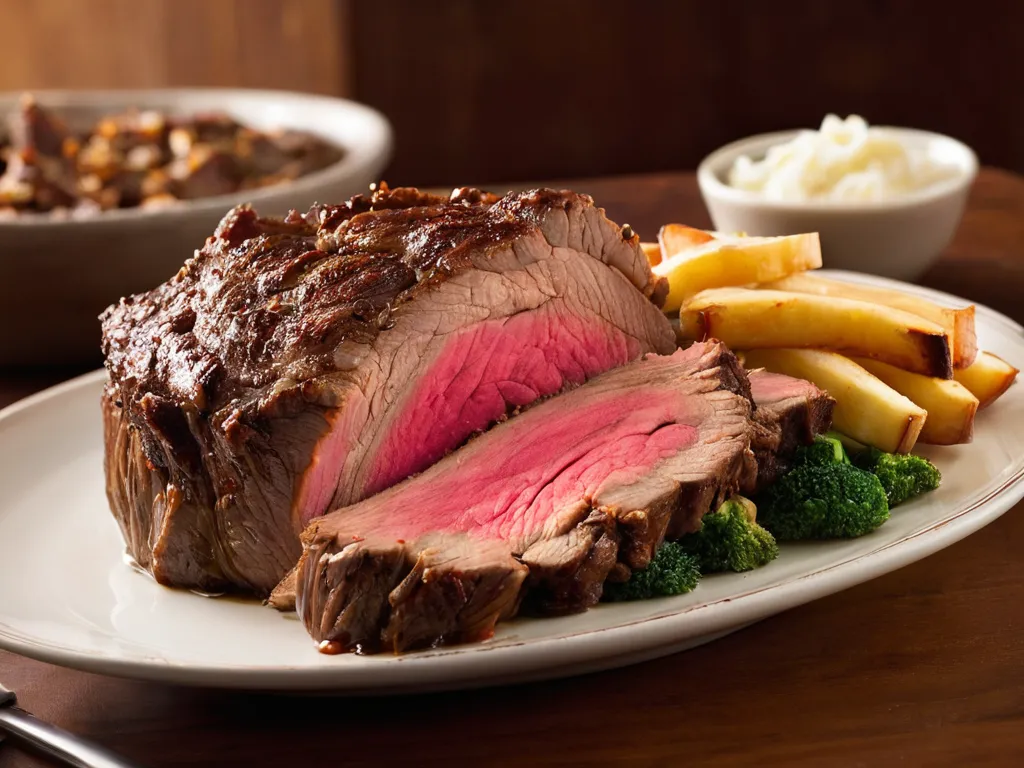
Round cuts (the Chipotle approach): If you want to replicate what Chipotle actually serves, use top round. Season with the adobo, cook in a 130°F water bath for 2 hours (sous vide) or low oven (275°F) for 90 minutes, then sear hard on both sides in a smoking-hot cast iron for 1–2 minutes to build the crust. The result is accurate to the restaurant but requires more time and equipment.
The Adobo Marinade
The marinade has six core components. None of them are complicated; the combination is what makes it taste unmistakably like Chipotle.
Morita chilis (or chipotle in adobo): The smoked heat backbone. Dried Moritas need brief toasting and soaking to rehydrate before blending. Canned chipotles can go straight into the blender.
Arbol chili (or cayenne): A small, slender dried chili that is pure heat — about 15,000–30,000 Scoville units. One Arbol chili adds a bright, clean spice that Morita alone does not provide. A quarter teaspoon of cayenne substitutes well.
Cumin: The earthy bass note in Mexican spice blends. Do not skip it or reduce it — it anchors the whole marinade.
Oregano: Specifically Mexican oregano if you can find it (it has a slightly more citrusy, less piney character than Mediterranean oregano). Either works.
Garlic and lime: Fresh garlic provides bite; lime juice provides the acid that helps the marinade penetrate the meat and brightens the finished flavor.
Oil: Chipotle uses rice bran oil in the US version (neutral, high smoke point). Sunflower or avocado oil works identically. The oil carries fat-soluble flavor compounds from the chilis into the meat.
Cooking the Steak
The technique matters as much as the marinade. Two things people get wrong: not getting the pan hot enough, and cutting with the grain.
Pan temperature: The cast iron needs to be genuinely hot — surface around 450–500°F, which is the point where a drop of water evaporates instantly on contact. Preheat over high heat for 3–4 full minutes before adding oil. This is hotter than you probably cook most things. That heat is what creates the dark, slightly charred exterior that Chipotle’s plancha produces.
Searing: Lay the steak flat and do not touch it. The crust needs time to form and release naturally from the pan surface — if you try to move it and it sticks, it is not ready. Flip once when the bottom is deeply browned, about 3–4 minutes for flank at ¾-inch thick.
Doneness: Chipotle’s steak comes off the plancha closer to medium. For home cooking, medium-rare (130–135°F internal) gives the juiciest result. The steak will continue to climb 3–5 degrees while resting, so pull it just before your target.
Resting: Non-negotiable. Five minutes under foil lets the muscle fibers relax and reabsorb the juices they pushed toward the center during cooking. Skip it and you lose a significant amount of juice to the cutting board.
The Chipotle chop: Slice against the grain into thin strips, then rotate and chop into ½-inch cubes. This is the standard Chipotle prep — small pieces that distribute evenly through a burrito or bowl and pick up every other element in the bite.
Cost Breakdown
| Ingredient | Approx. Cost |
|---|---|
| 1.5 lbs flank steak | $12–18 |
| Dried Morita chilis (or canned chipotles) | $2–3 |
| Dried Arbol chili | $0.50 |
| Lime, garlic, oil, spices | $1–2 |
| Total (4 servings) | $15.50–23.50 |
| Per serving | $3.90–5.90 |
A Chipotle burrito bowl with steak runs $10–13 before any extras. That is the price of a single bowl — here you are getting four protein servings. Add in the rice, beans, and toppings you would make at home and the full bowl comparison is even more dramatic.
How to Build the Bowl
The steak on its own is excellent. In a bowl, it is exceptional. The Chipotle formula:
- Base: Chipotle Cilantro Lime Rice or a combination of rice and black beans
- Protein: this steak, chopped into cubes
- Salsa: pico de gallo, tomatillo-green chili, or corn salsa
- Guac: Copycat Chipotle Guacamole — avocado, lime, red onion, cilantro, jalapeño, salt
- Extras: shredded cheese, sour cream, romaine lettuce
- Assembly: layer in this order: rice first, then beans, then steak hot from the pan, then cold elements (salsa, lettuce) to contrast, then guac and sour cream last
Carne Asada Variation
When Chipotle’s Carne Asada returns (it has come back four times since 2019 and as of fall 2025 is on the menu again), the marinade is different from the standard steak. For a home version:
Replace the Morita/Arbol adobo with: 3 tablespoons lime juice, 2 tablespoons orange juice, 3 cloves garlic, 2 tablespoons fresh cilantro, 1 teaspoon cumin, ½ teaspoon coriander, 1 teaspoon dried oregano, salt and pepper. Use skirt steak. Marinate 4 hours. Sear quickly over very high heat, but slice into thin strips rather than chopping into cubes — Carne Asada is served sliced at Chipotle, not chopped.
Storage and Reheating
Fridge: 4–5 days in an airtight container. The chopped steak reheats well — 60 seconds in the microwave with a splash of broth, or 2 minutes in a hot skillet with a little oil.
Freeze: Up to 3 months. Freeze in flat portions so they thaw evenly overnight in the refrigerator. The steak is excellent for meal prep — make a large batch on Sunday and use it across the week in bowls, tacos, quesadillas, or scrambled eggs.
Meal prep note: The marinade can be made up to 5 days ahead and stored in the refrigerator. You can also marinate raw steak for up to 24 hours before cooking.
More Chipotle Copycat Recipes
The steak is the most popular protein at Chipotle and the anchor of the burrito bowl:
- Copycat Chipotle Barbacoa — slow-braised shredded beef with chipotle, cumin, and cloves; the bold alternative to steak for anyone who wants maximum flavor with zero technique
- Copycat Chipotle Carnitas — citrus-braised pork shoulder; the pork equivalent of this steak for a surf-and-turf bowl option
- Chipotle Chicken Burrito Bowl — the full bowl format built around chicken; substitute this steak in place of the chicken for a beef version
- Chipotle Cilantro Lime Rice — the fluffy rice base every bowl is built on; the recipe nails the cilantro-to-lime ratio that makes Chipotle rice distinct
See all Chipotle copycat recipes →