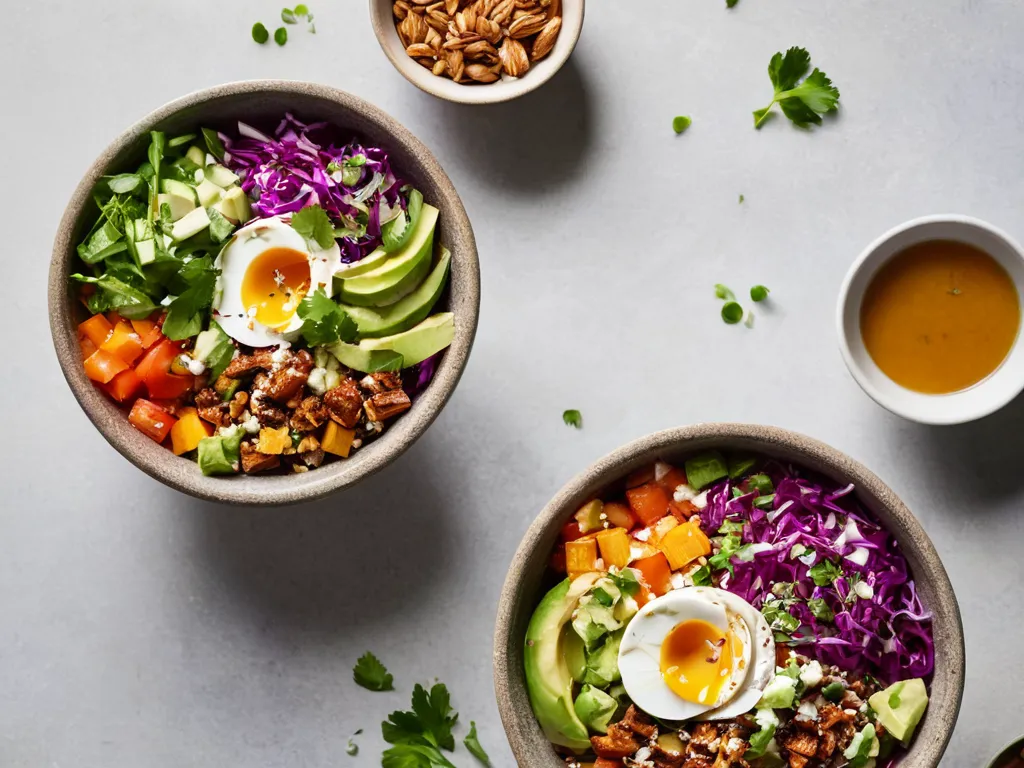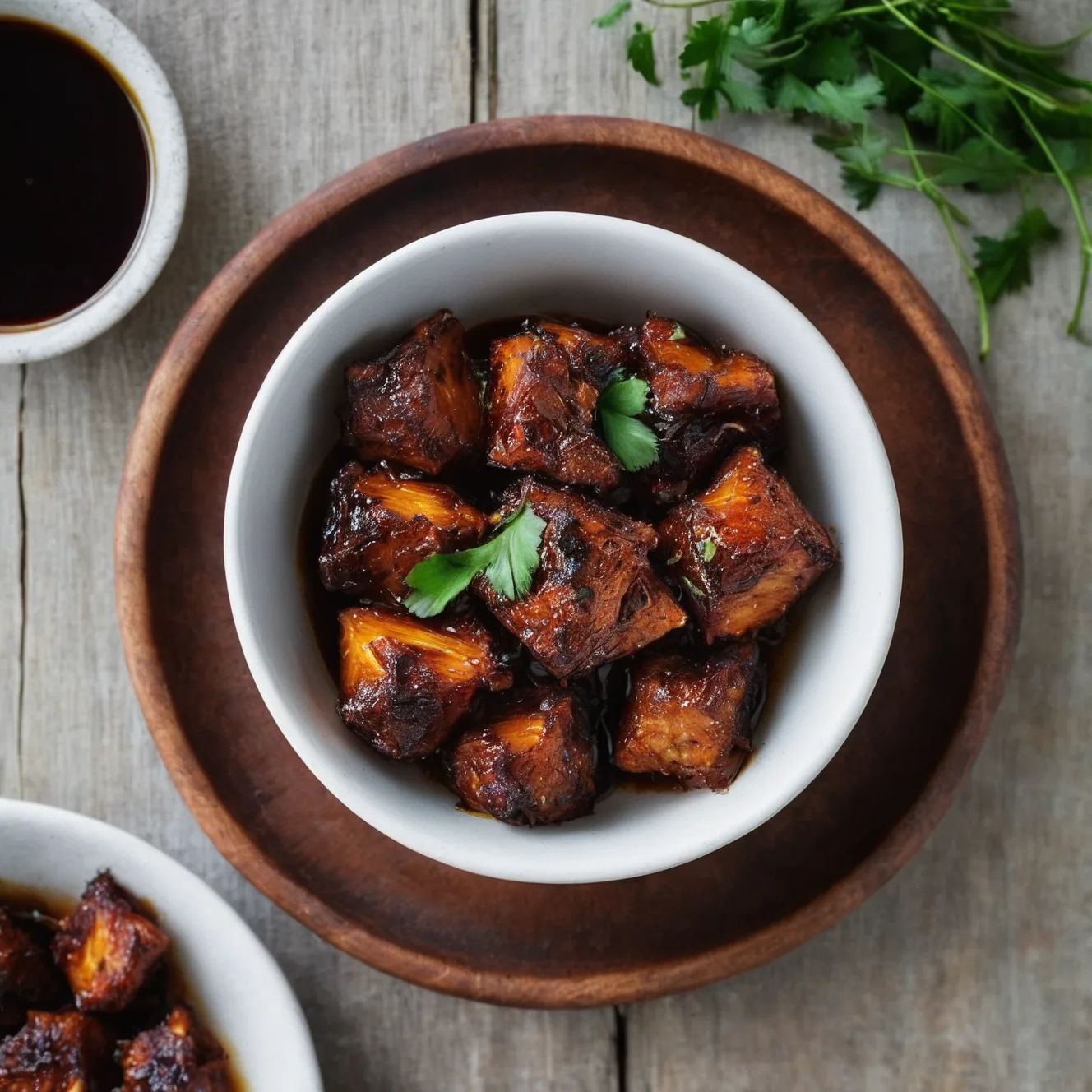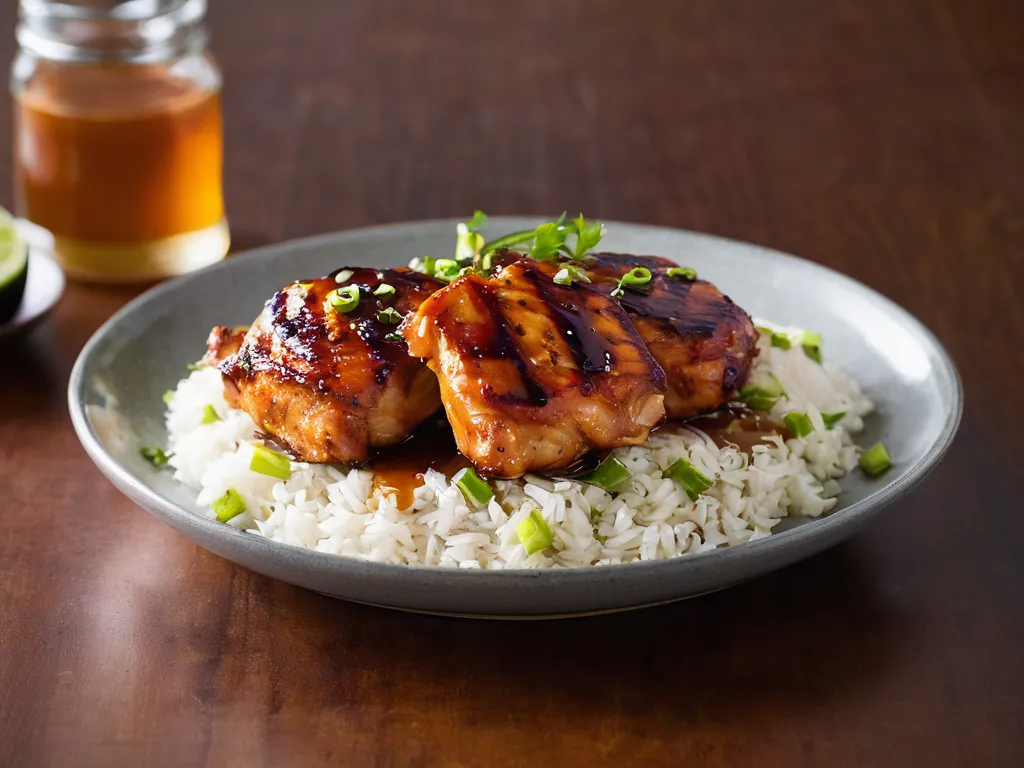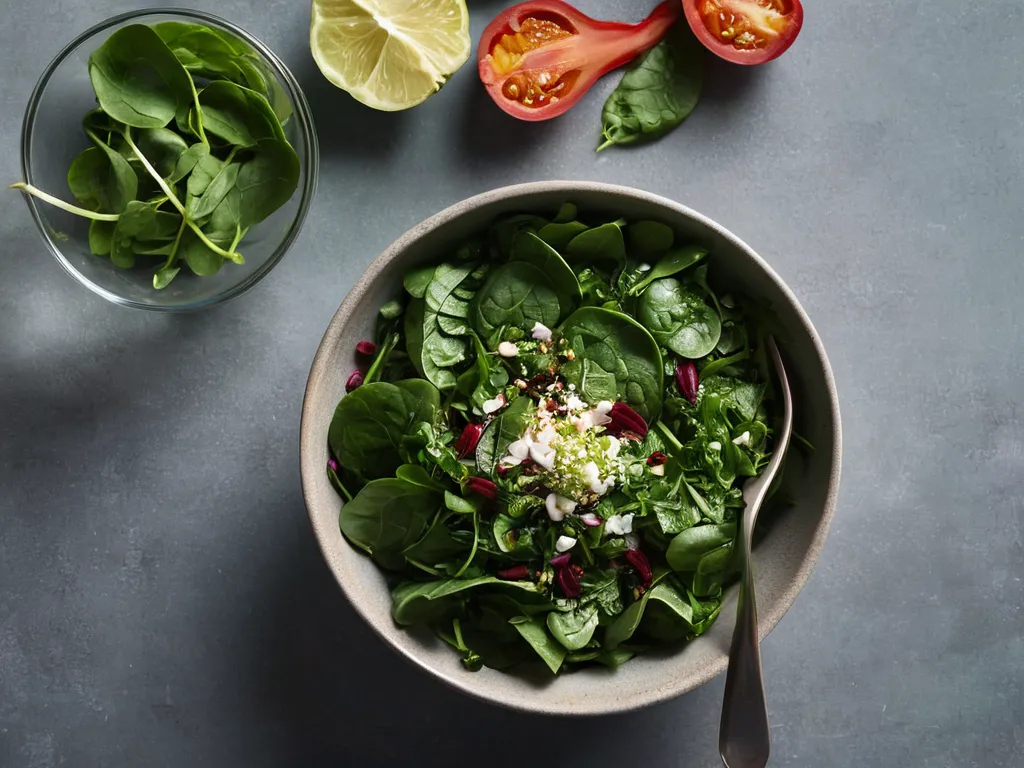
Chipotle’s supergreens salad is one of the most macro-efficient fast-casual meals available — if you build it right. At 15 calories for the base and somewhere between 250 and 900 calories for the full salad depending on toppings, the difference is almost entirely in what you add.
This guide covers what supergreens actually is, how to build the best salad for different dietary goals, and how to replicate it at home.
TL;DR
Supergreens = romaine + baby kale + baby spinach (15 cal / 0g fat base). Best protein add: chicken (180 cal / 32g protein). Best dressing move: fresh tomato salsa + tomatillo-green salsa instead of honey vinaigrette (40 cal combined vs. 220 cal for the vinaigrette). Full well-built salad with chicken, fajita veggies, and guac: approximately 470 calories and 36g protein. Keto and Whole30 compliant with the right build. Available at all U.S. locations since January 2020.
What Is Chipotle’s Supergreens Mix?
Chipotle introduced the Supergreens Salad Mix on January 2, 2020, replacing the romaine-only salad base at all U.S. locations. The official composition: hand-cut romaine lettuce, baby kale, and baby spinach.
The switch was designed to support health-focused diets — Whole30, Paleo, and Keto in particular — by giving the salad base more nutrient density without changing the flavor dramatically. Baby kale was chosen over mature kale for a specific reason: the flavor of baby kale is noticeably milder than full-grown curly kale. Combined with romaine’s crunch and spinach’s neutral sweetness, the blend tastes like a mild, slightly earthy salad green rather than anything assertively kale-like.
Nutrition per 3-oz serving (base only): 15 cal / 3g carbs / 0g fat / 1g protein / 0mg sodium. No common allergens.
Shredded romaine is still available on the Chipotle ingredient line for burritos, tacos, and bowls — customers can request it. But Supergreens is the standard salad base and what you receive by default when ordering a salad.
Building the Best Chipotle Supergreens Salad
The base is 15 calories. Everything else determines whether the salad is 250 calories or 900. Here is how the main additions stack up:
Protein (pick one):
- Chicken — 180 cal / 32g protein / 7g fat / 0g carbs
- Steak — 150 cal / 21g protein / 6g fat / 1g carbs
- Barbacoa — 170 cal / 24g protein / 7g fat / 2g carbs
- Carnitas — 210 cal / 23g protein / 12g fat / 0g carbs
- Sofritas (tofu, vegan) — 150 cal / 8g protein / 10g fat / 9g carbs
Toppings:
- Fajita veggies — 20 cal / 0g protein / 0g fat / 4g carbs
- Black beans — 130 cal / 8g protein / 1g fat / 22g carbs (15g net)
- Fresh tomato salsa — 25 cal / 1g protein / 0g fat / 5g carbs
- Tomatillo-green chili salsa — 15 cal / 0g protein / 0g fat / 4g carbs
- Tomatillo-red chili salsa — 30 cal / 1g protein / 0g fat / 7g carbs
- Roasted chili-corn salsa — 80 cal / 2g protein / 2g fat / 14g carbs (adds significant carbs)
- Guacamole — 230 cal / 2g protein / 22g fat / 8g carbs (3g net for keto)
- Sour cream — 110 cal / 1g protein / 9g fat / 3g carbs
- Cheese — 110 cal / 6g protein / 8g fat / 1g carbs
- Queso blanco — 120 cal / 5g protein / 8g fat / 5g carbs
Dressing:
- Chipotle-Honey Vinaigrette — 220 cal / 0g protein / 25g fat / 12g carbs / 850mg sodium
- Fresh tomato + tomatillo-green salsa combined — ~40 cal / 1g protein / 0g fat / 9g carbs
The Dressing Decision
The honey vinaigrette is genuinely good — smoky, slightly sweet, with enough acid from the red wine vinegar to cut through rich toppings. The problem is that 220 calories and 850mg of sodium is a significant load for a dressing on an otherwise light salad.
The alternative that most Chipotle regulars eventually discover: use two salsas as your dressing. Fresh tomato salsa provides the acid and freshness. Tomatillo-green chili salsa (or tomatillo-red if you want more heat) adds depth and heat. Together they deliver moisture, complexity, and flavor for about 40 combined calories.
The salsa-as-dressing approach saves roughly 180 calories and 25g of fat per salad compared to using the honey vinaigrette. On a salad that otherwise totals 350–400 calories, that is a substantial difference.
For a middle option: ask for a half-portion of the honey vinaigrette. The flavor is there at roughly half the calorie cost.
To make the copycat vinaigrette at home for the occasions when you want it, the Chipotle Honey Vinaigrette recipe covers the exact ingredient list and how to replicate the smoky-sweet balance.
Diet Compatibility Builds
Whole30: Supergreens + chicken (or carnitas, or barbacoa) + fajita veggies + fresh tomato salsa + tomatillo-green salsa + guacamole. Skip: beans, rice, cheese, sour cream, honey vinaigrette. This is the Wholesome Bowl from Chipotle’s Lifestyle Bowls lineup, pre-configured in the app.
Keto: Supergreens + chicken or steak + tomatillo-red chili salsa + fresh tomato salsa + sour cream + cheese. Optional guacamole (adds fat, only ~3g net carbs). Total net carbs: approximately 8–10g. Skip corn salsa (14g carbs), beans (~15g net carbs), rice.
Paleo: Same as Whole30. Chicken, carnitas, or barbacoa; fajita veggies; fresh tomato salsa or tomatillo salsas; guacamole. No cheese, sour cream, beans, rice, or vinaigrette (honey is technically non-Paleo for strict followers).
Vegan: Supergreens + sofritas (the only vegan protein at Chipotle) + black beans + fajita veggies + either salsa or honey vinaigrette + guacamole. Skip cheese and sour cream. Corn salsa is vegan. Total protein from sofritas + black beans: approximately 16g.
High-protein, lower-calorie: Supergreens + double chicken + fajita veggies + fresh tomato salsa + tomatillo-green salsa. No dressing, no cheese, no sour cream. Approximately 430 calories and 65g protein with double chicken.
How to Make Chipotle Supergreens Salad at Home
The home build is straightforward once you have the right components. The supergreens mix itself is easy: roughly 50% chopped romaine + 30% baby spinach + 20% baby kale. Most supermarkets sell these in separate bags; some sell pre-mixed “power greens” blends that approximate the combination.
The chicken is the most important element. Chipotle cooks chicken thighs on a wood-fired grill, which produces smokiness and char that is hard to replicate exactly at home. A cast iron skillet heated until smoking, with thighs marinated in adobo sauce, cumin, and oregano, gets reasonably close. Chicken thighs are the right cut — they have enough fat to stay moist over high heat and develop better char than breast meat.
The full home recipe is in the instructions above. A few technique notes:
The fajita veggies: High heat is what separates charred fajita veggies from sad stir-fried peppers. The skillet needs to be hot enough to char the edges of the peppers in 6–8 minutes without steaming them. If the pan smokes aggressively, that’s correct.
The salsa: Fresh tomato salsa should be made the same day and used within 2 hours of assembly. The tomatoes start releasing water quickly, which dilutes the flavor and makes the salad wet.
The assembly: Dress the salad immediately before serving. Supergreens hold up better than delicate spring greens, but any dressed salad wilts within 15–20 minutes.
The Lifestyle Bowl Connection
Several of Chipotle’s Lifestyle Bowls are built on the Supergreens base: the Wholesome Bowl (Whole30/Paleo/Keto), the Keto Salad Bowl, and the Balanced Macros Bowl. These are pre-configured combinations available only through the Chipotle app or chipotle.com, not at the counter.
Using a Lifestyle Bowl preset as a starting point and customizing from there is a practical approach: it gets the diet-appropriate base and toppings pre-selected, and you can add or swap from a correct foundation.
Cost Comparison
A Chipotle supergreens salad with chicken, fajita veggies, and guacamole runs approximately $11–13 at current prices (guacamole costs extra at the restaurant). The home version — supergreens mix, chicken thighs, bell pepper, onion, tomatoes, avocado — costs approximately $6–8 for two servings. The home version allows more control over sodium (the restaurant’s fajita veggies are seasoned; yours can be lower-sodium), ingredient sourcing, and protein portion size.
For more Chipotle builds: the chicken burrito bowl covers the standard bowl build with rice and beans, and the full Chipotle carnitas recipe is worth making in bulk for meal prep — carnitas stores well and reheats without drying out, making it a practical protein base for a week of salads.
See all Chipotle copycat recipes →